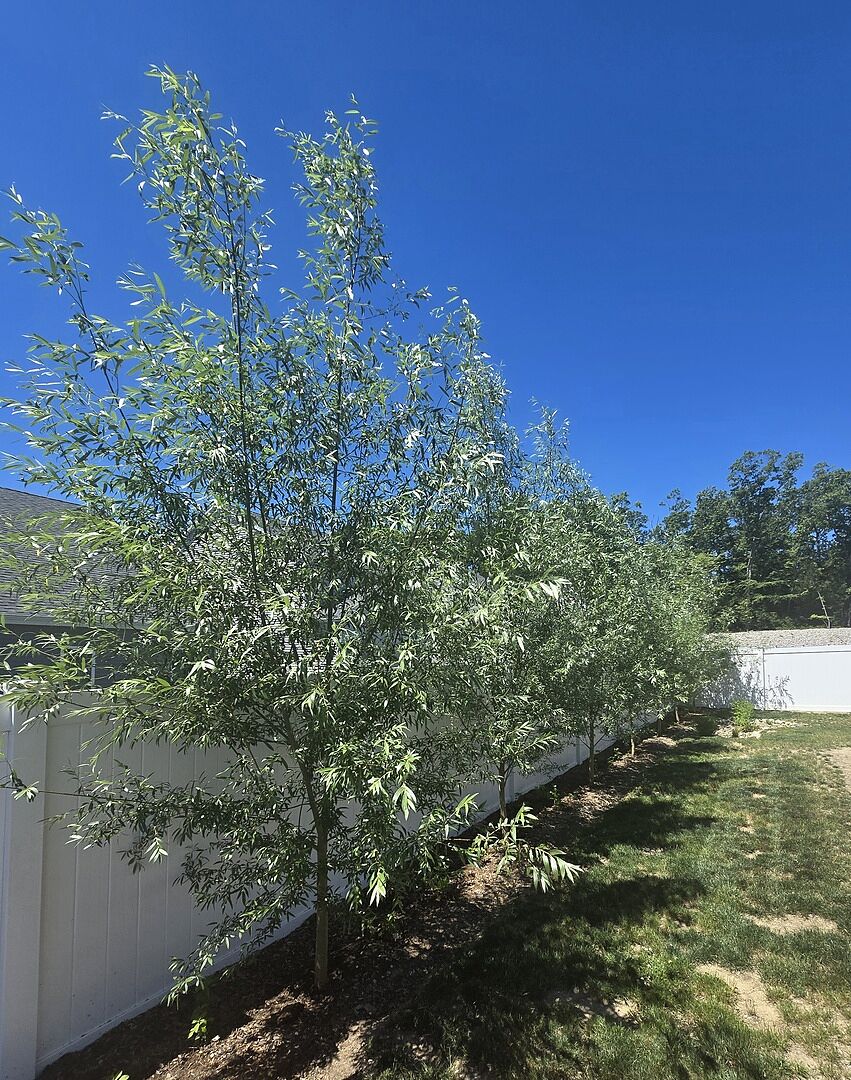
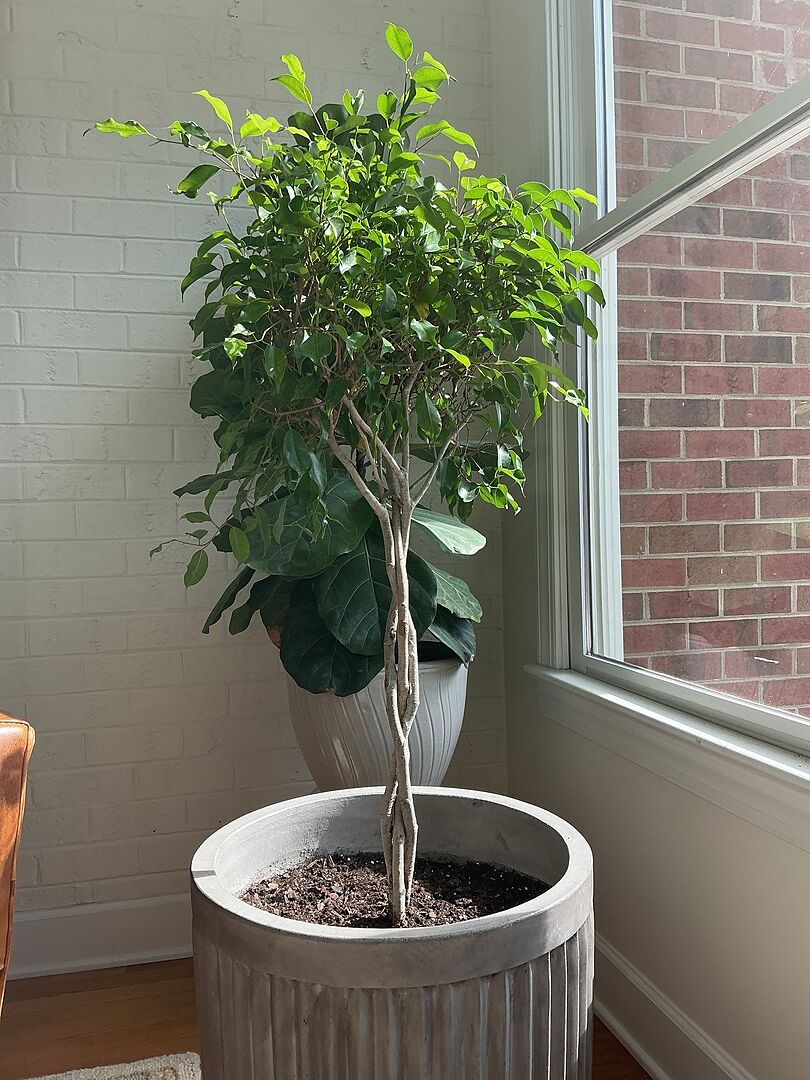
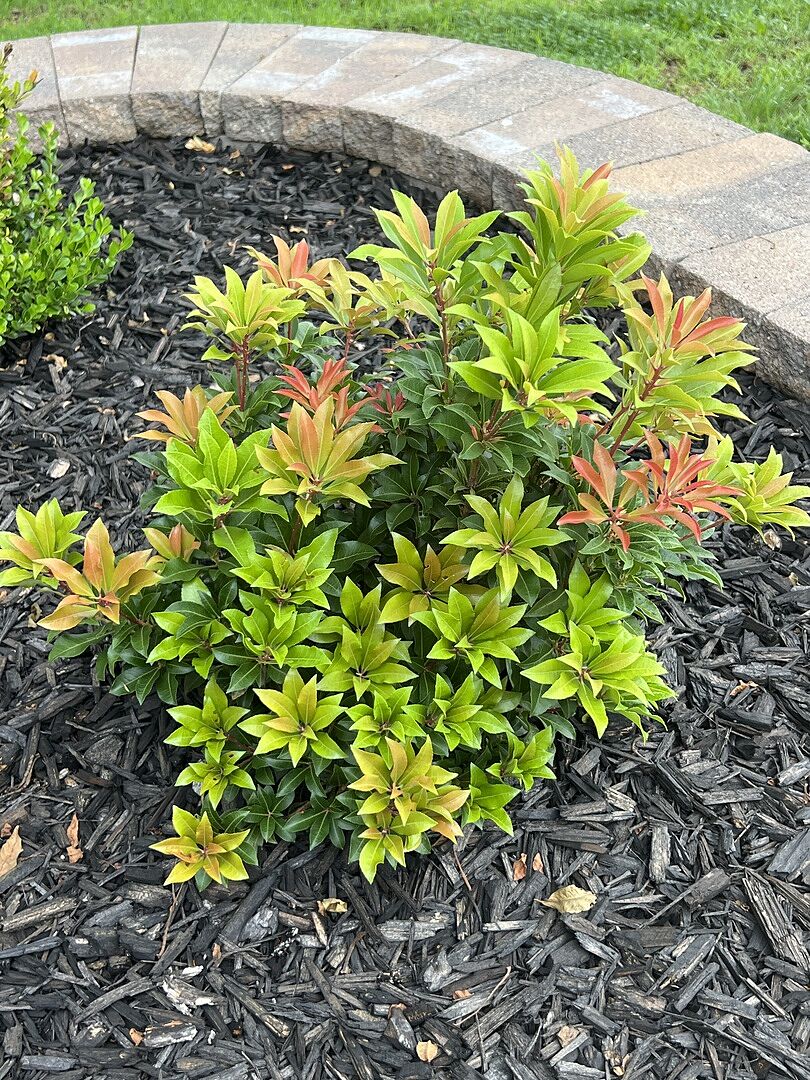
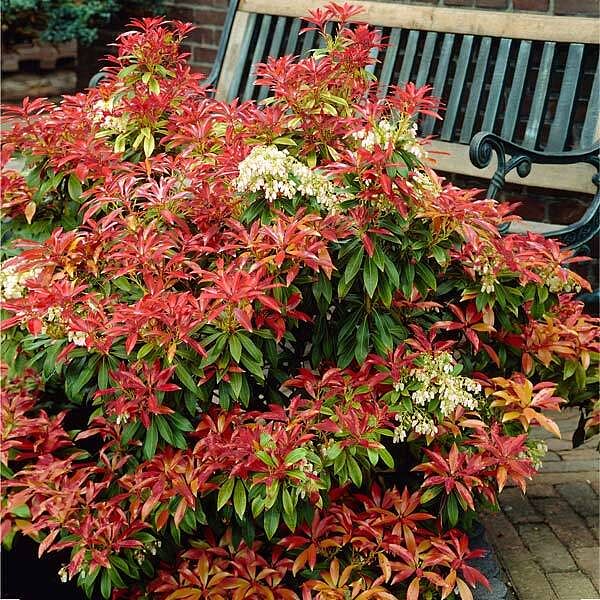
Summer Planting Hub: How to Help New Trees, Shrubs & Perennials Thrive

Summer is one of the most rewarding times to add new plants to your landscape—but it's also when newly planted trees, shrubs and perennials need the most attention.
Heat and sun put extra demands on newly planted trees and shrubs while their roots are still getting settled. The good news? Most of the challenges are easy to get ahead of. A little attention in the first few weeks goes a long way toward years of healthy growth.
Whether you're planting a new fruit tree, flowering shrub, perennial or shade tree, this guide will help you set your plants up for success.
Start Strong: Unbox Your Plants Right Away
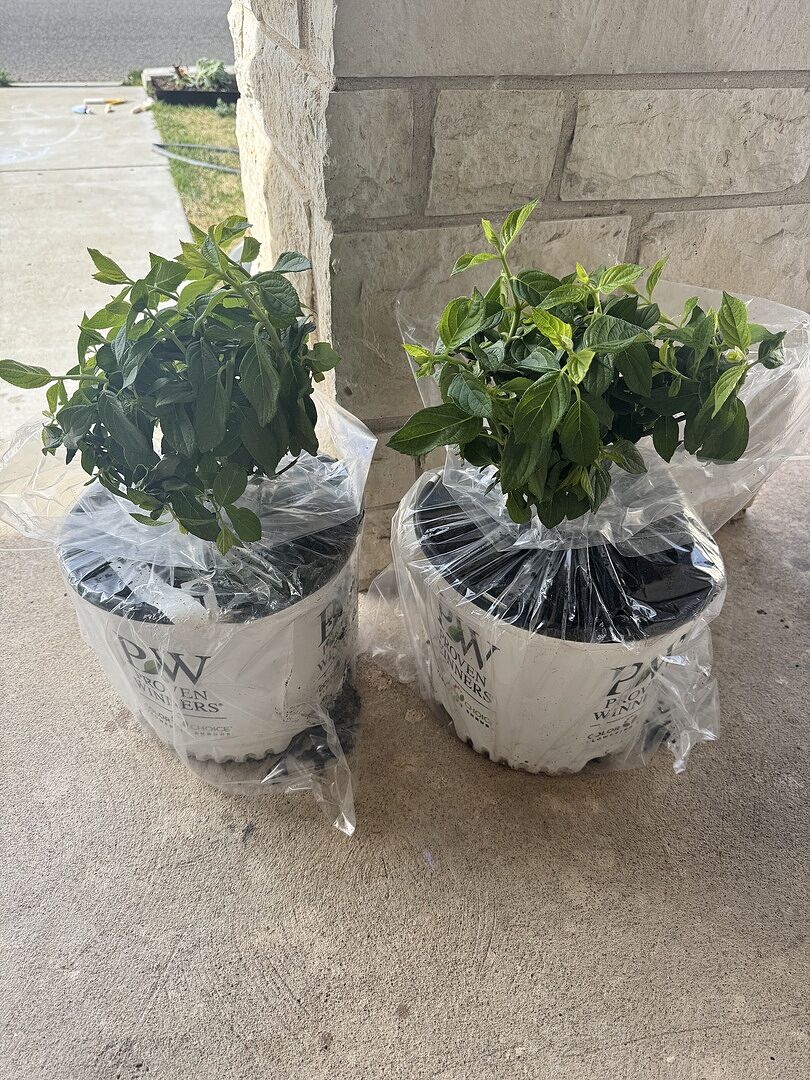
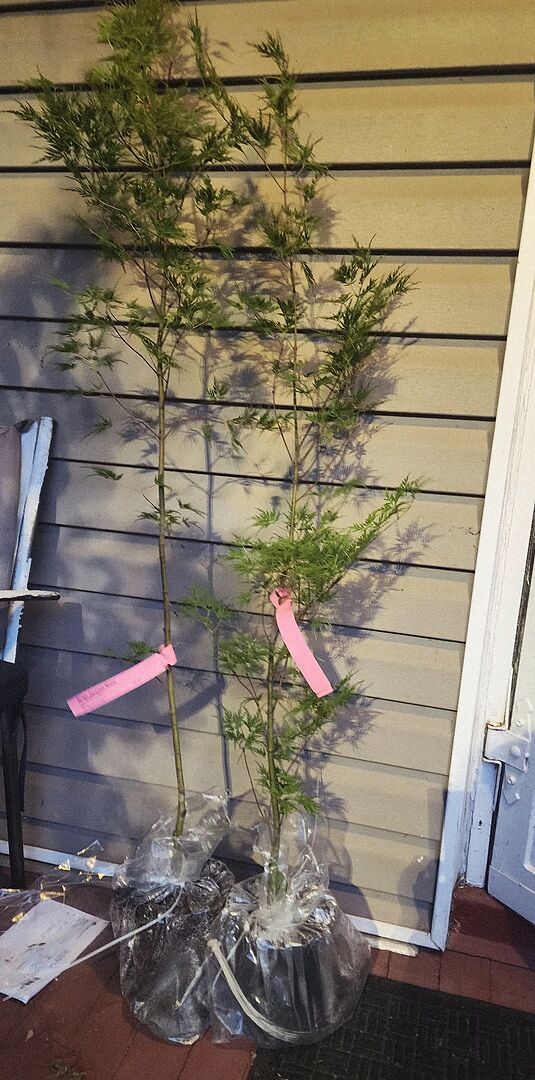
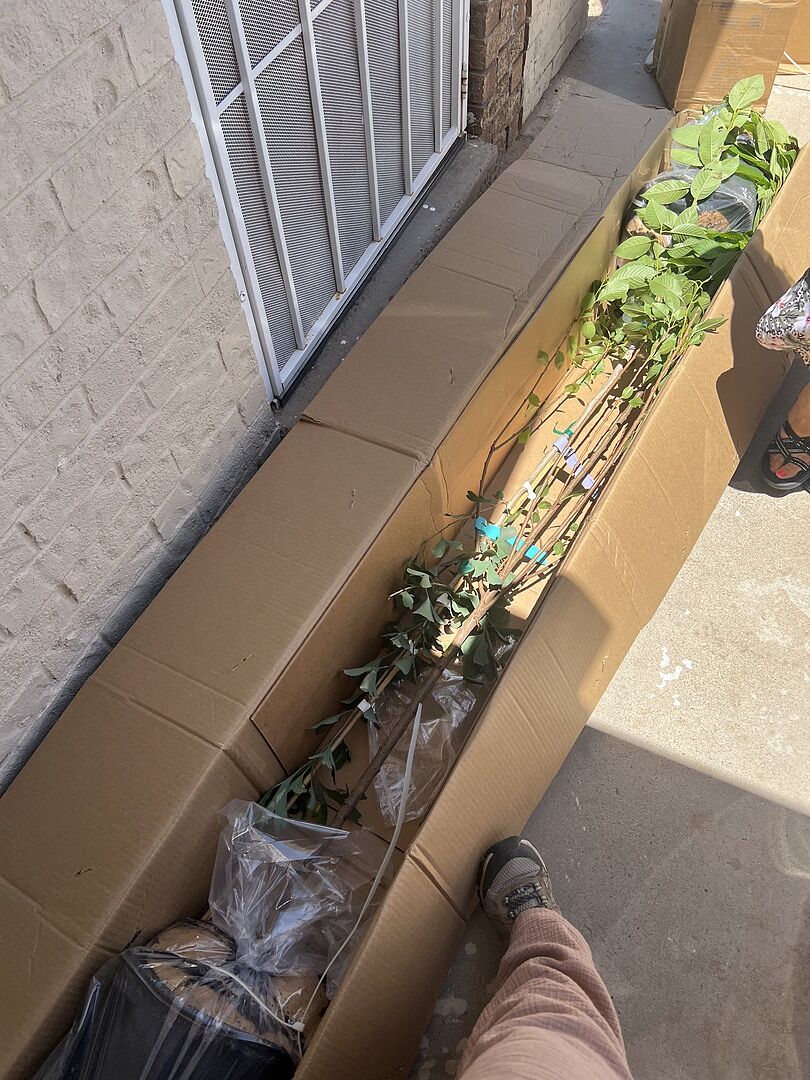
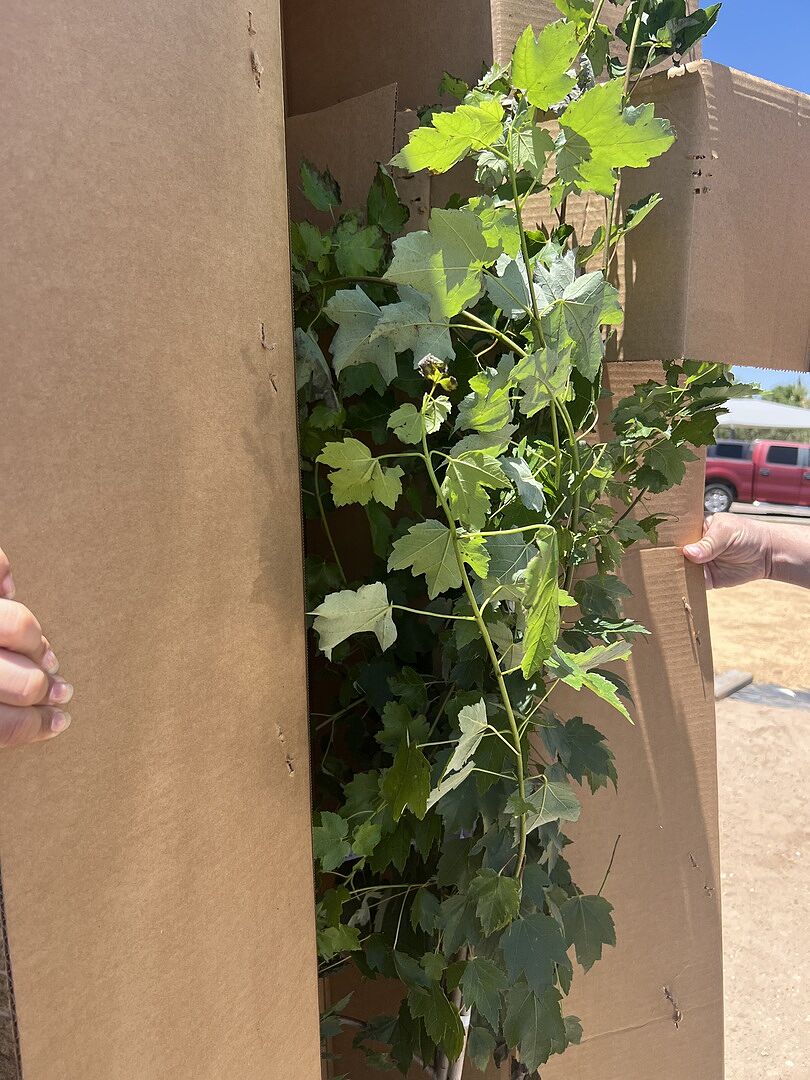
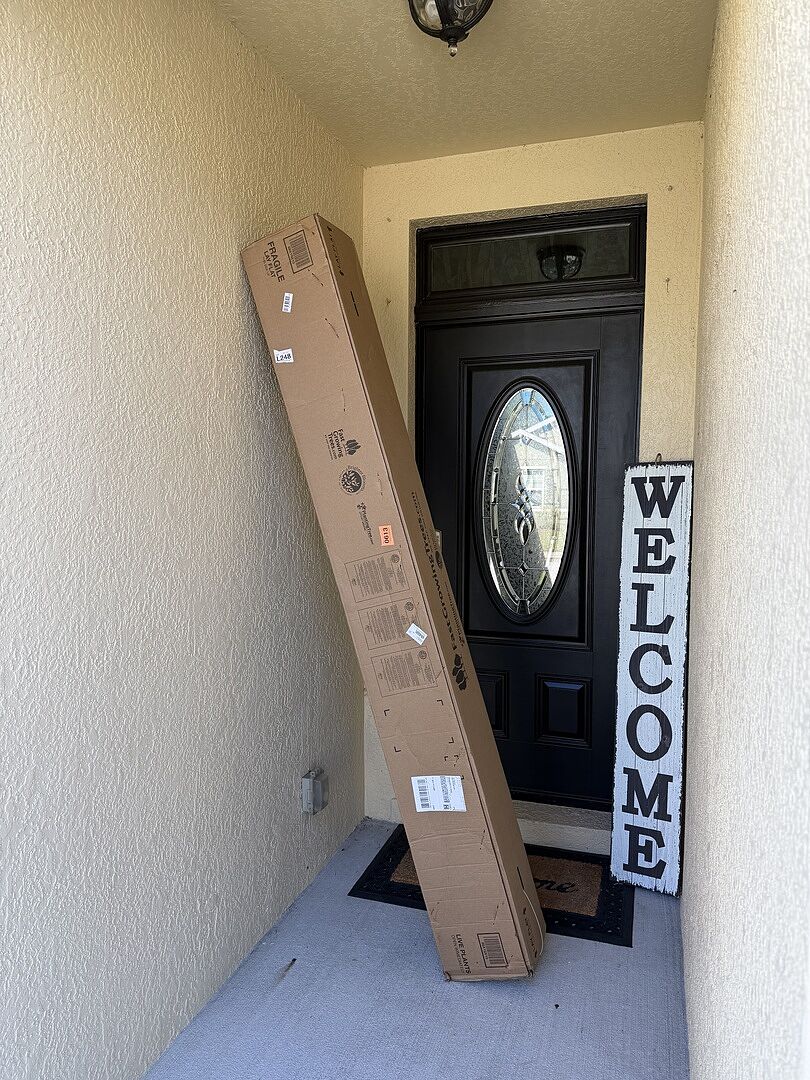
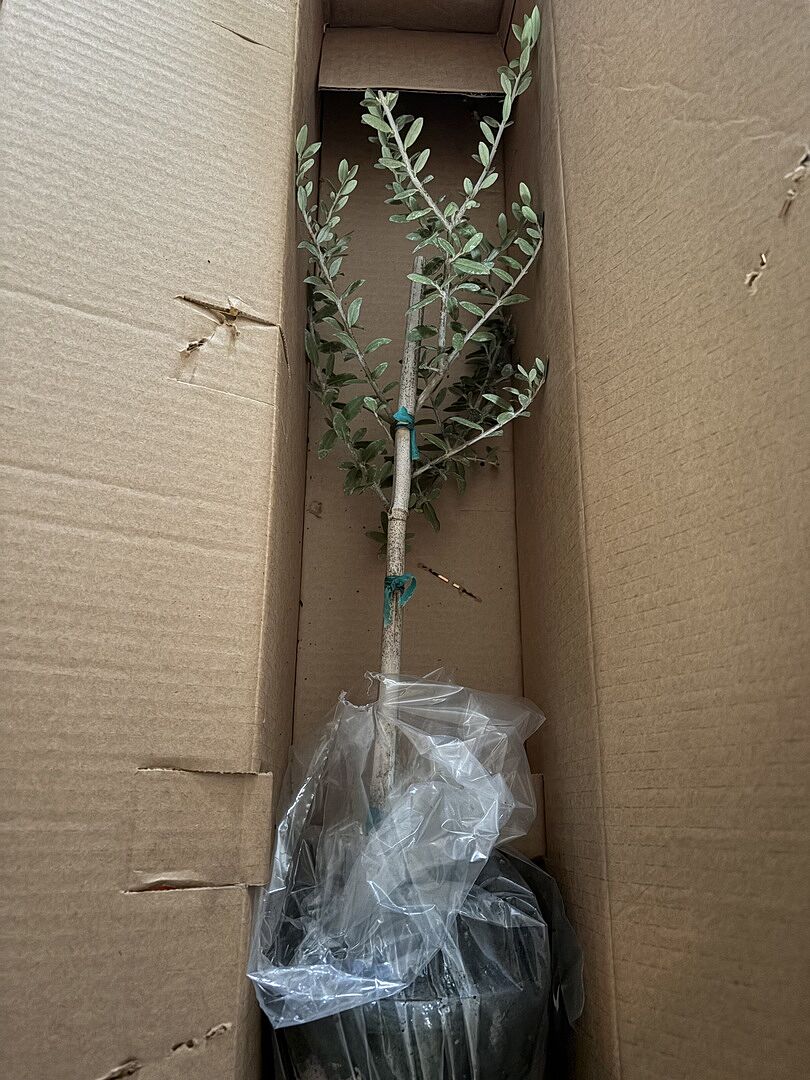
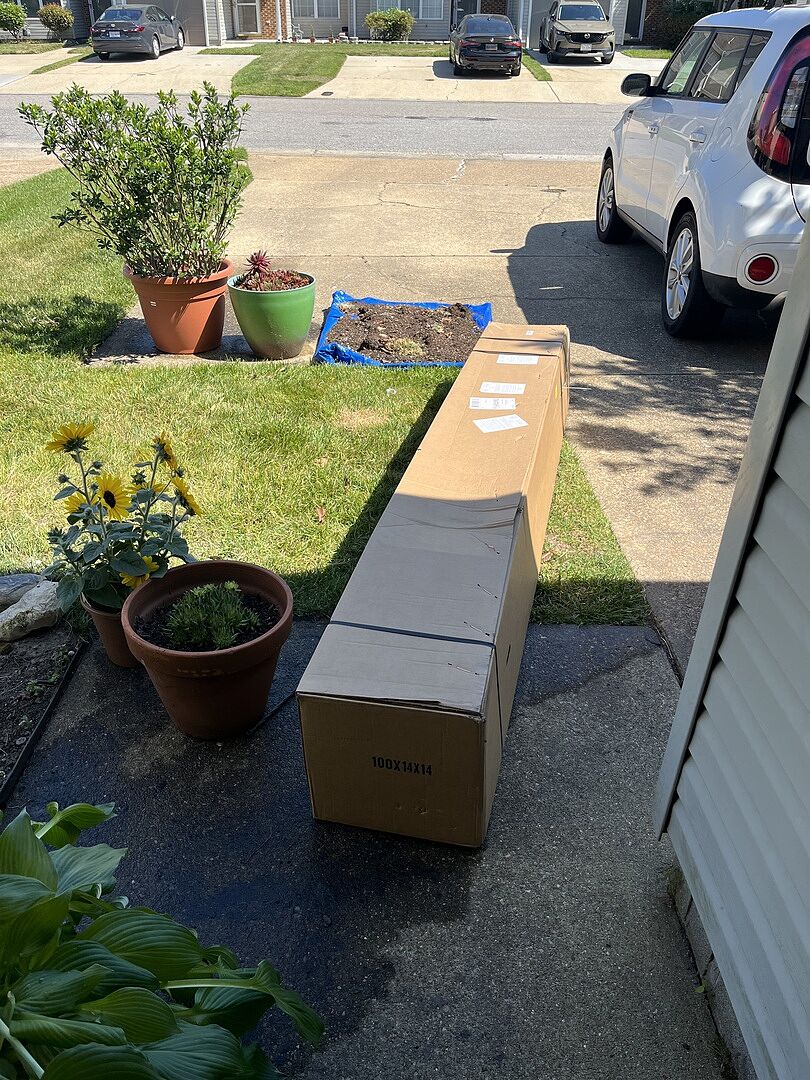
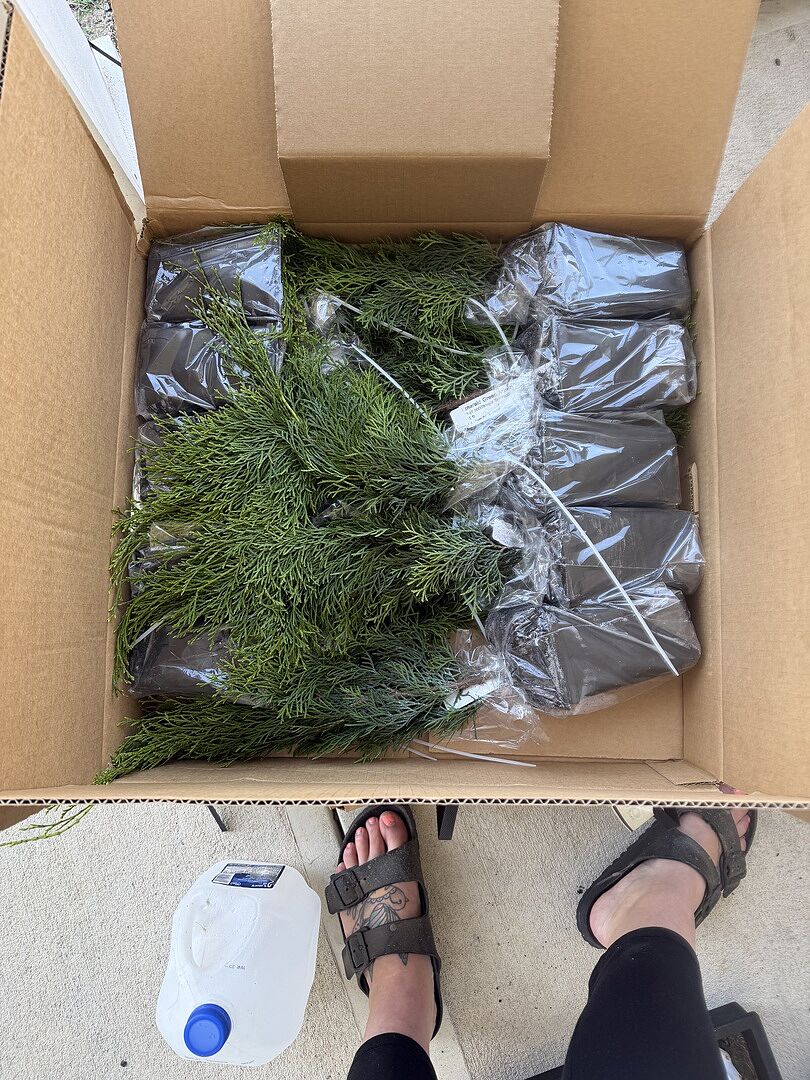
When your order arrives, remove plants from their shipping box as soon as possible.
Your plants have been in transit, which means limited airflow and no water. The sooner they're out of the box, the sooner they can start recovering. Even if you're not ready to plant yet, unboxing right away makes a real difference.
Leaving plants boxed up for extended periods can increase stress and delay recovery.
If you can't plant right away:
- Unbox plants immediately
- Water the root zone if the soil feels dry
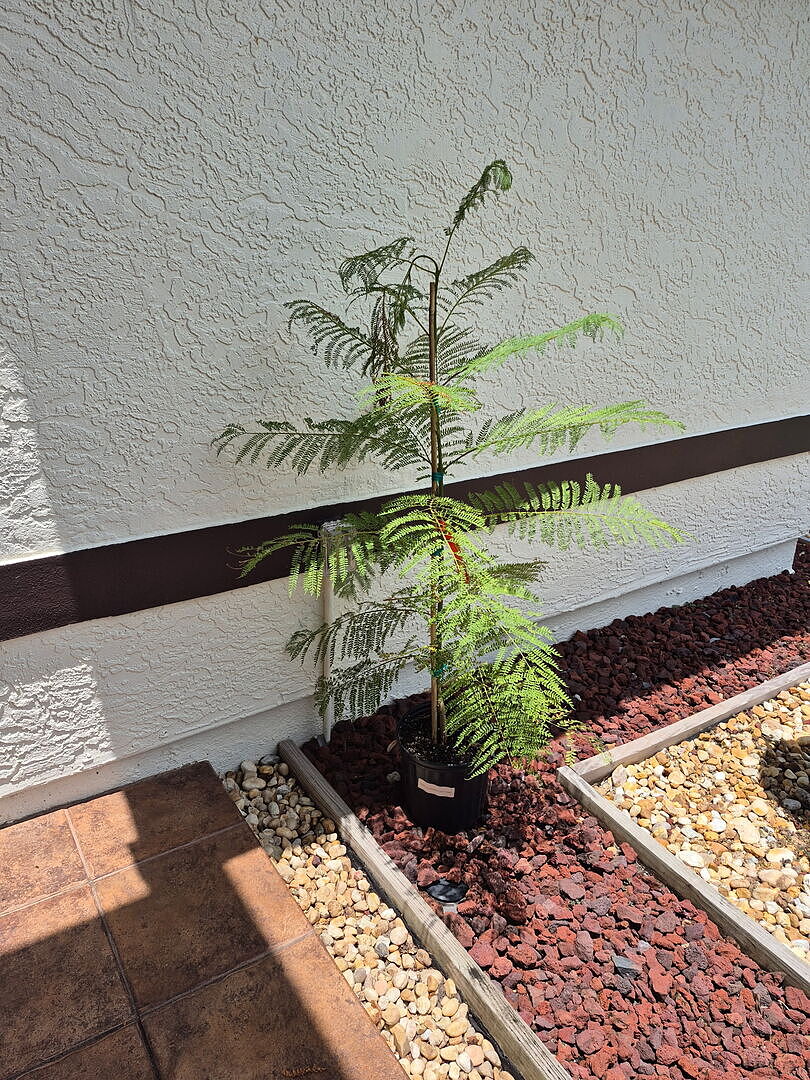
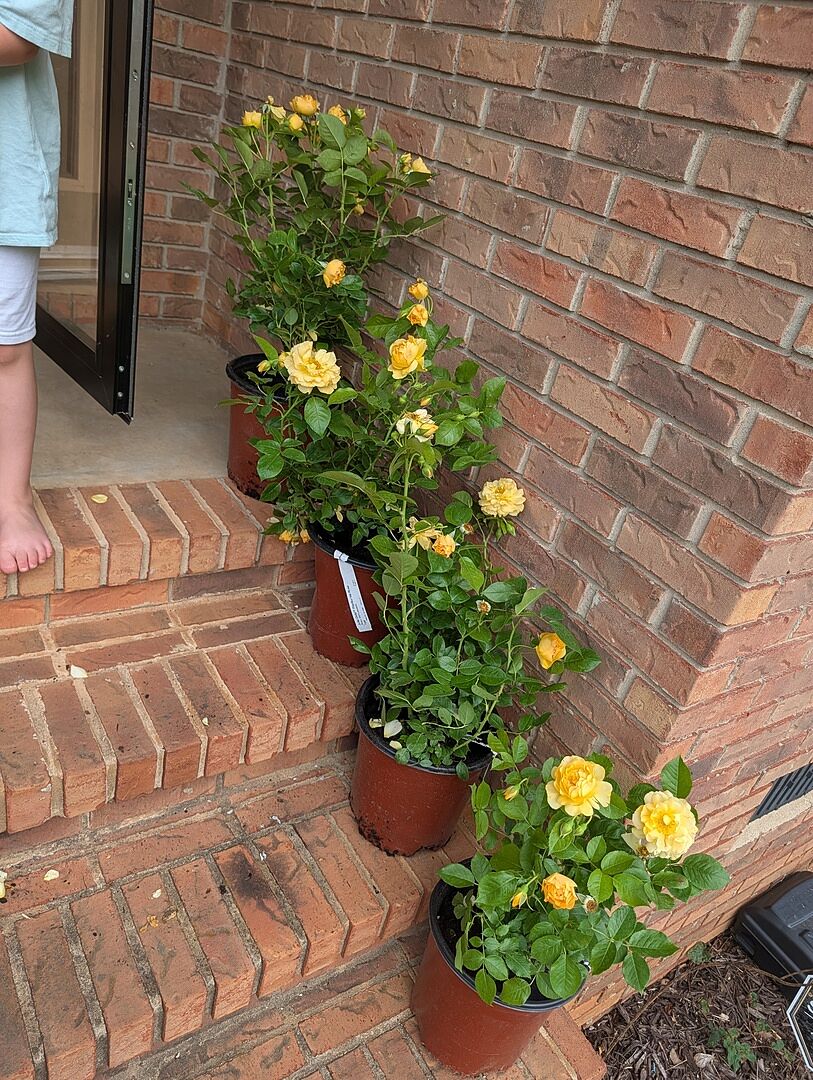
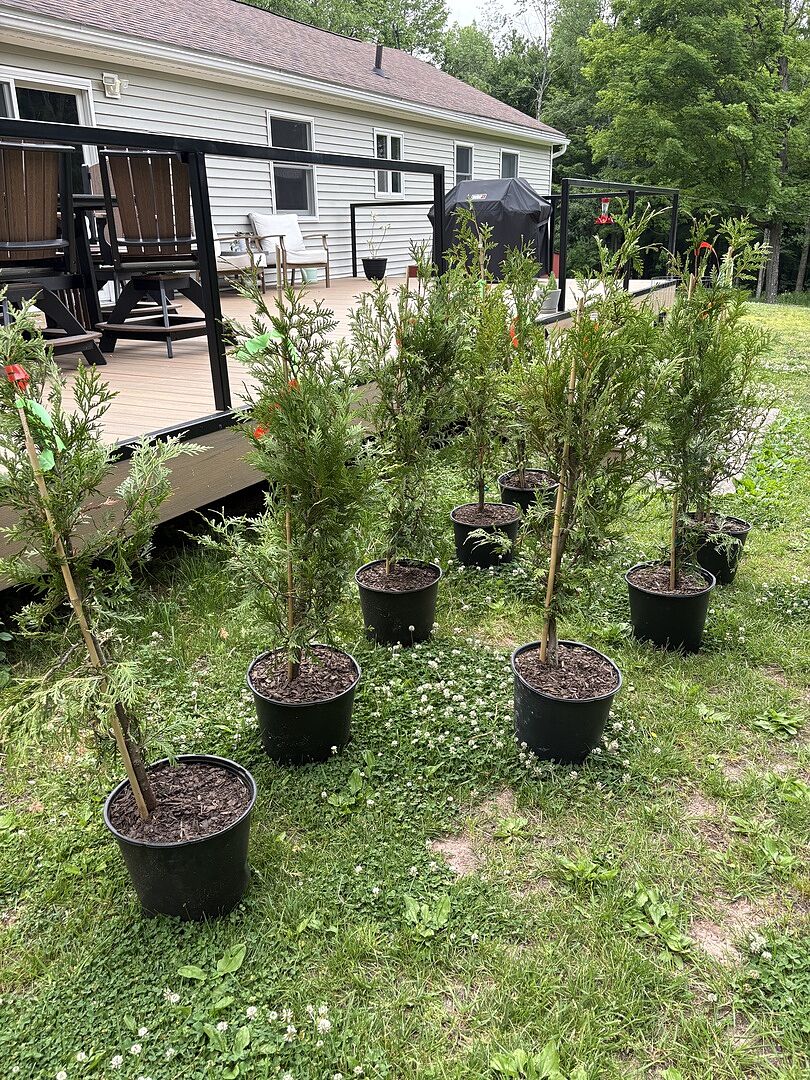
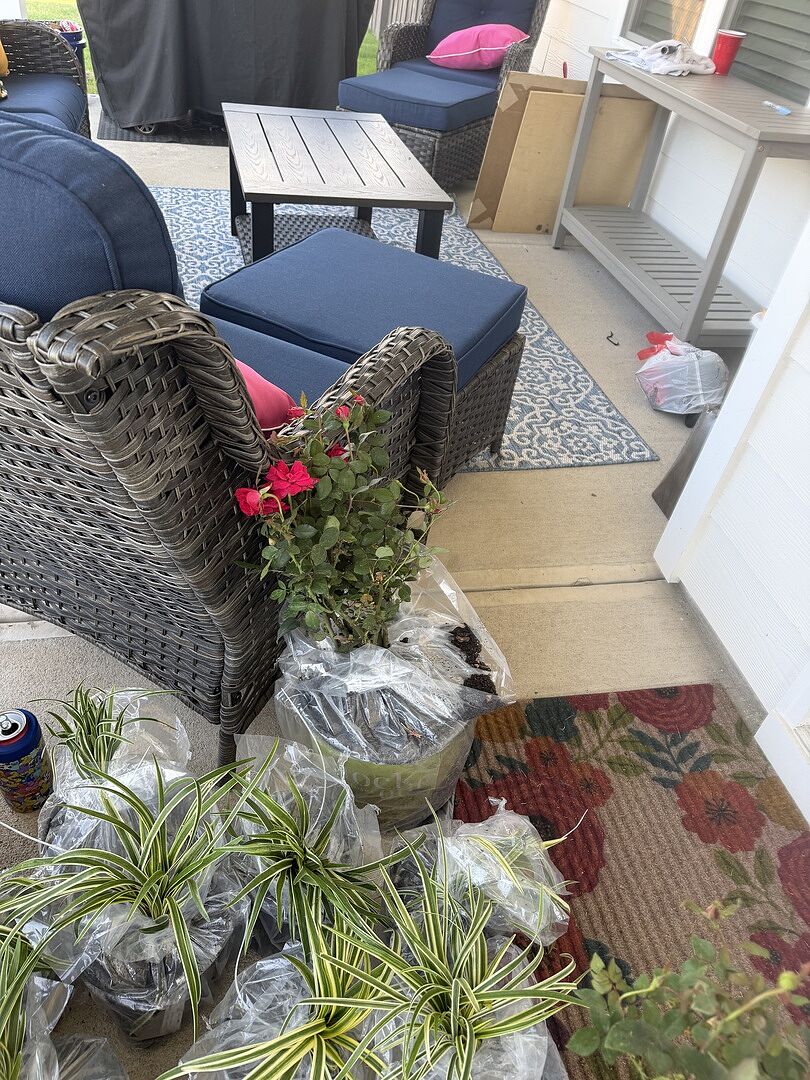
- Keep plants in a protected outdoor location— a shaded porch or covered patio works well
- Avoid leaving plants in direct afternoon sun while waiting to plant
Plant Sooner Rather Than Later
The sooner your plants are in the ground, the sooner their roots can start doing what roots do. In summer especially, getting them planted quickly reduces stress and gives them a better chance to settle in before the hottest part of the season hits.
For best results during summer:
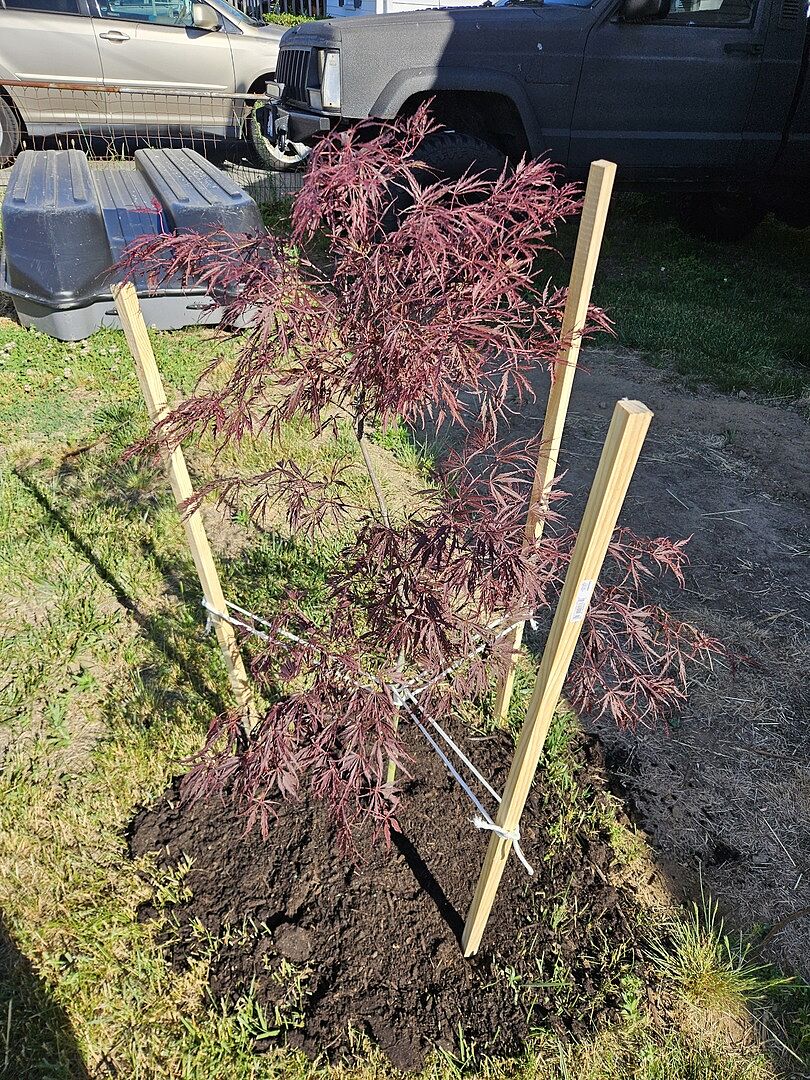
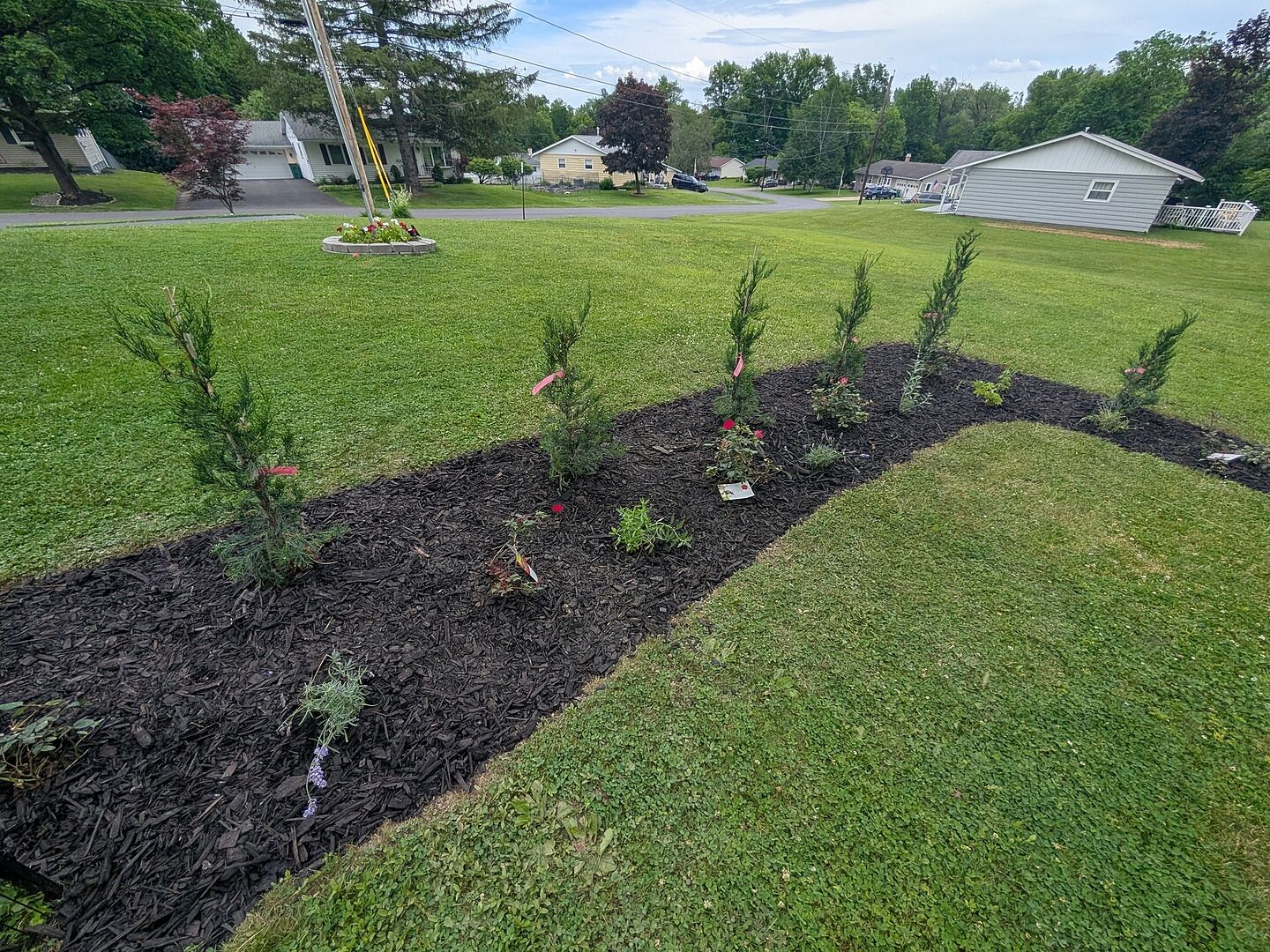
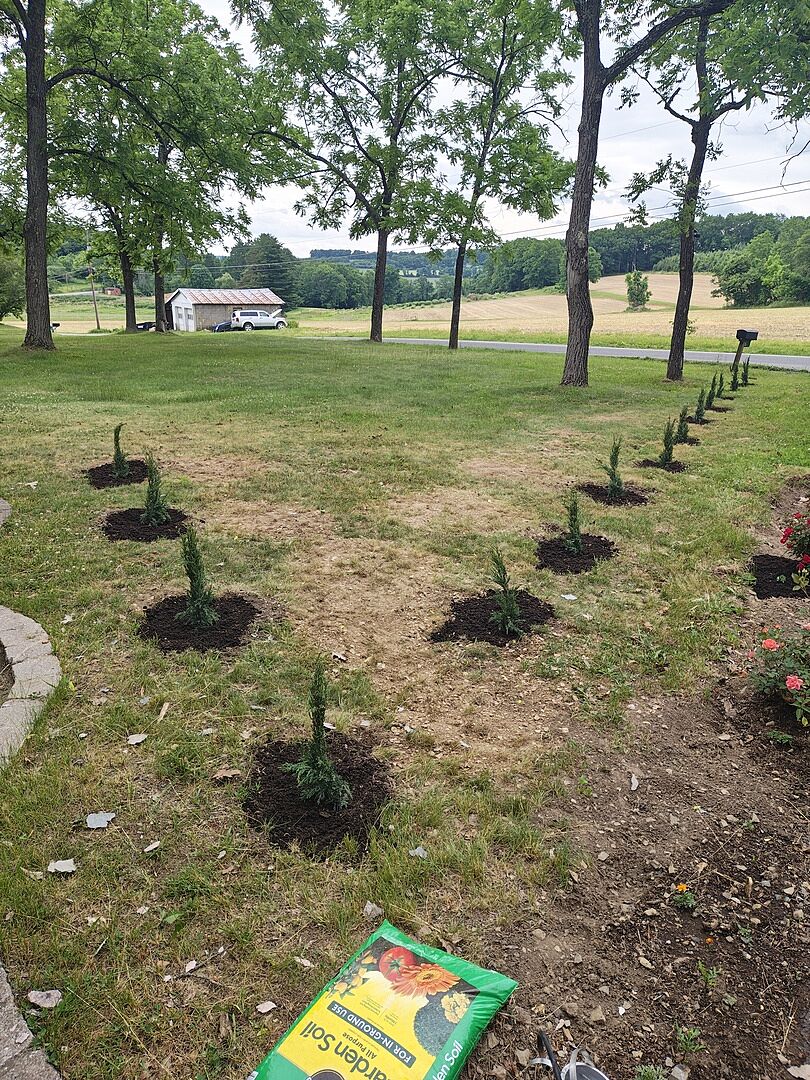
- Plant during the early morning or evening— cooler temps make a difference for both you and your plants
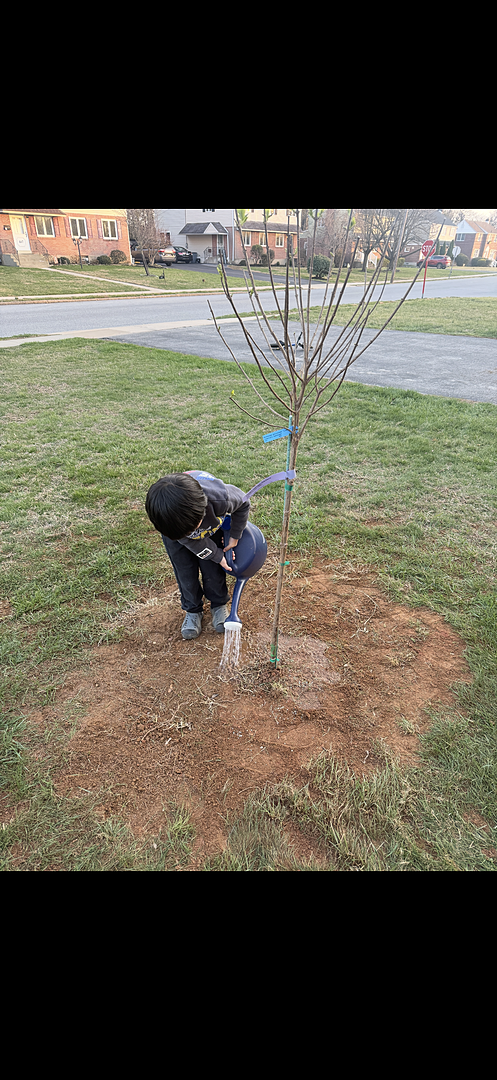
- Water thoroughly immediately after planting
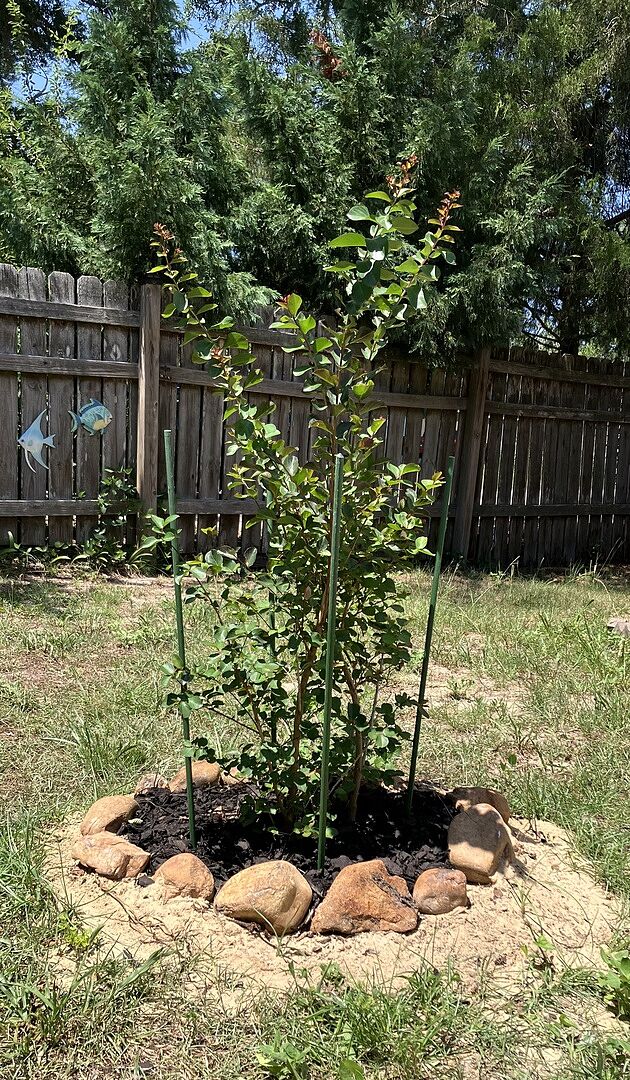
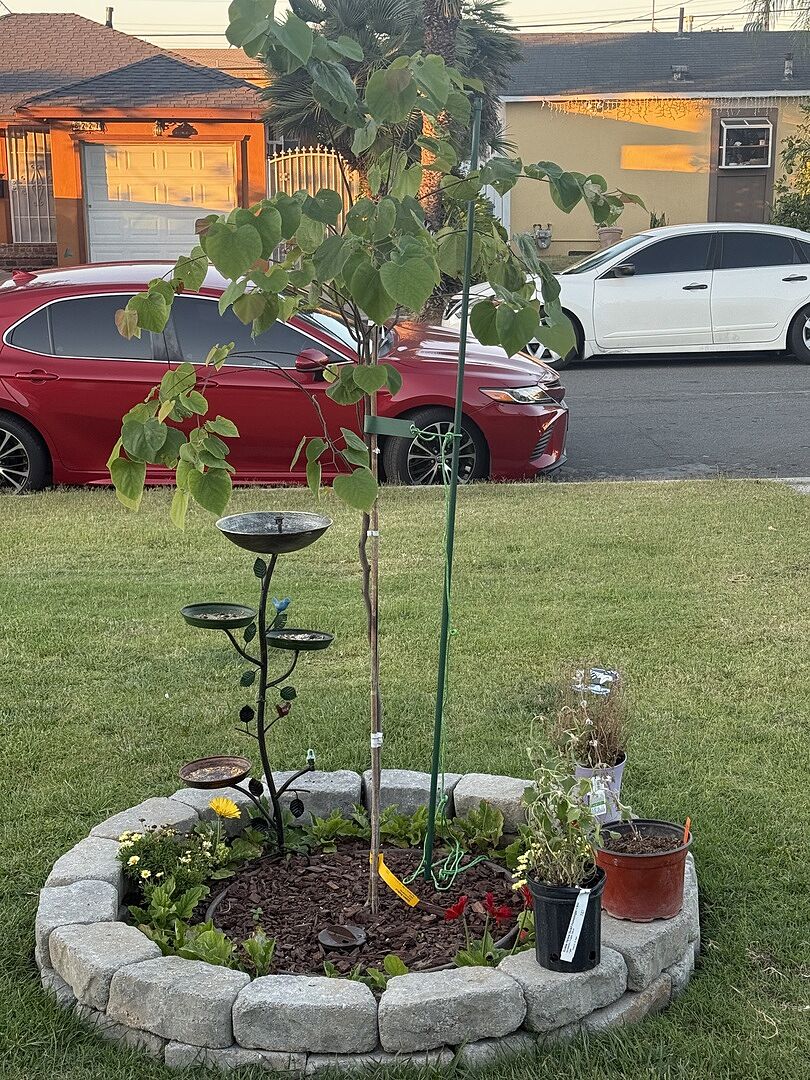
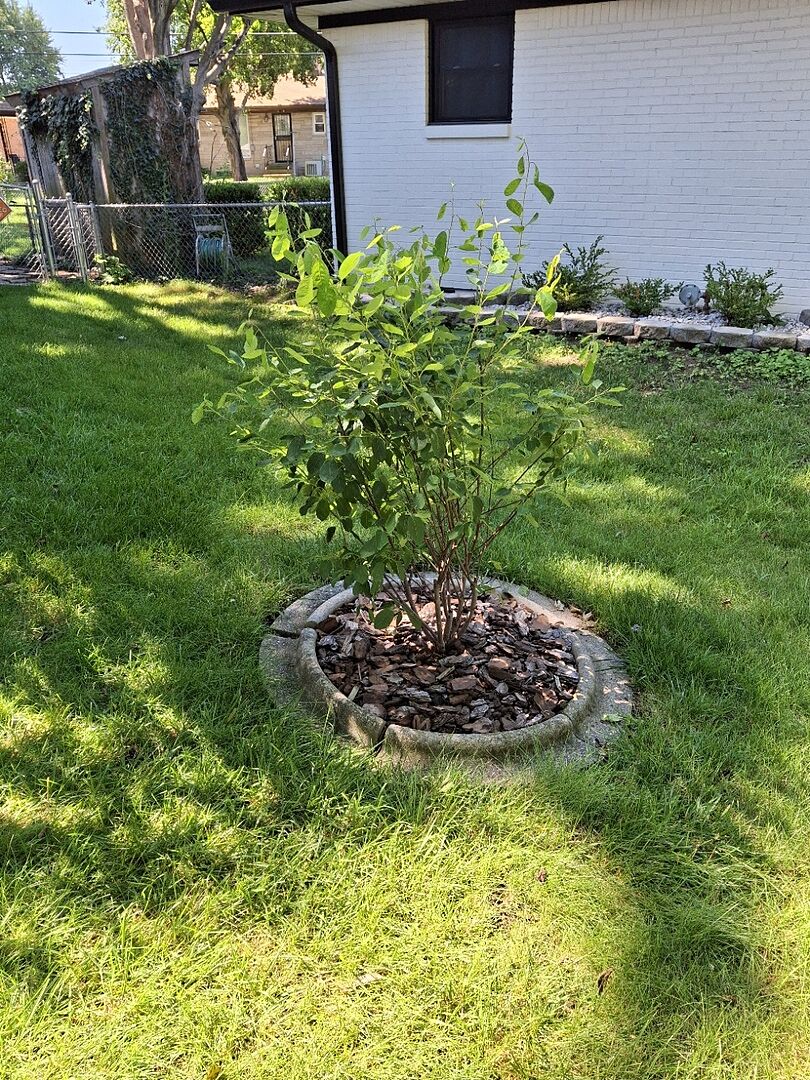
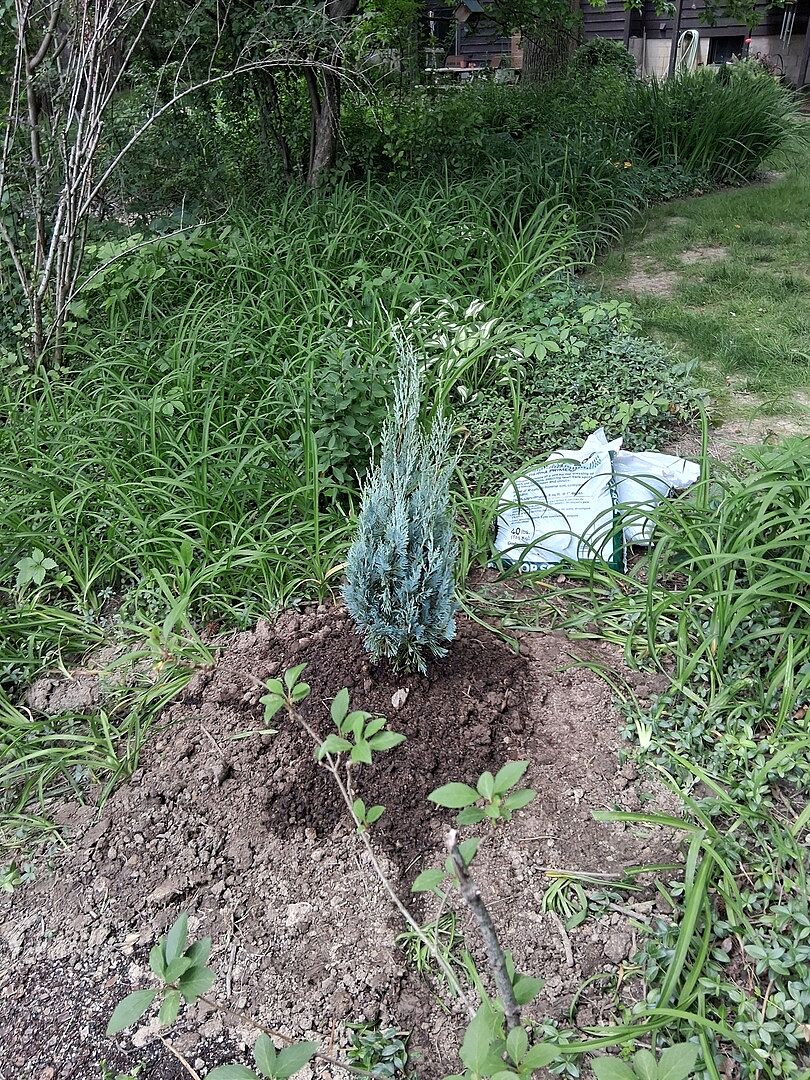
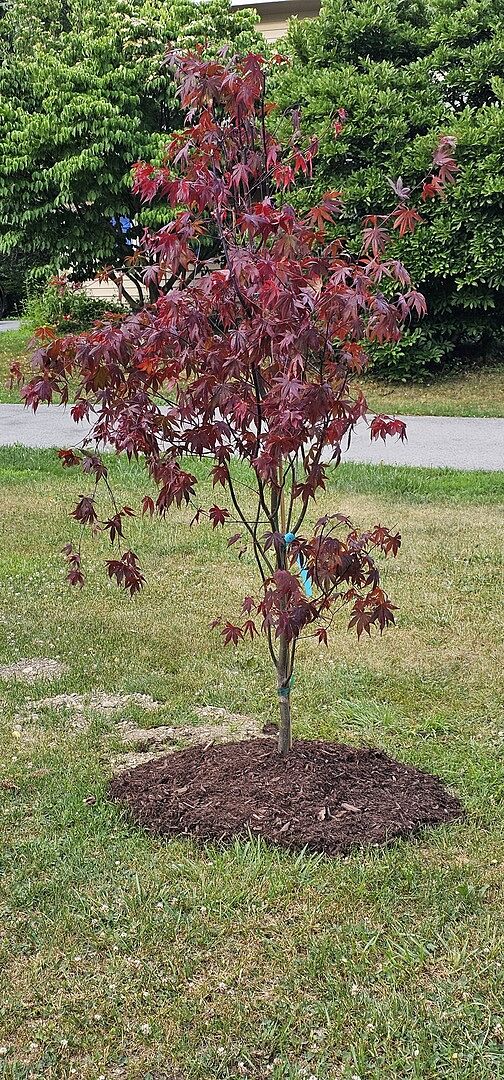
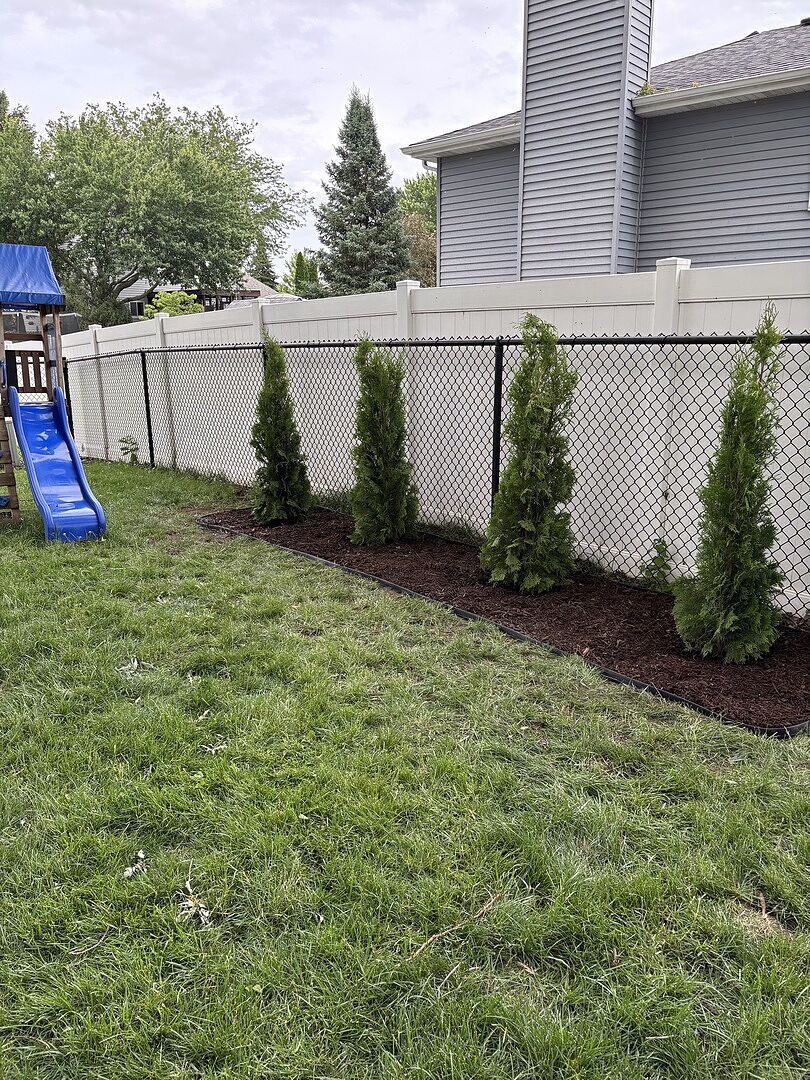
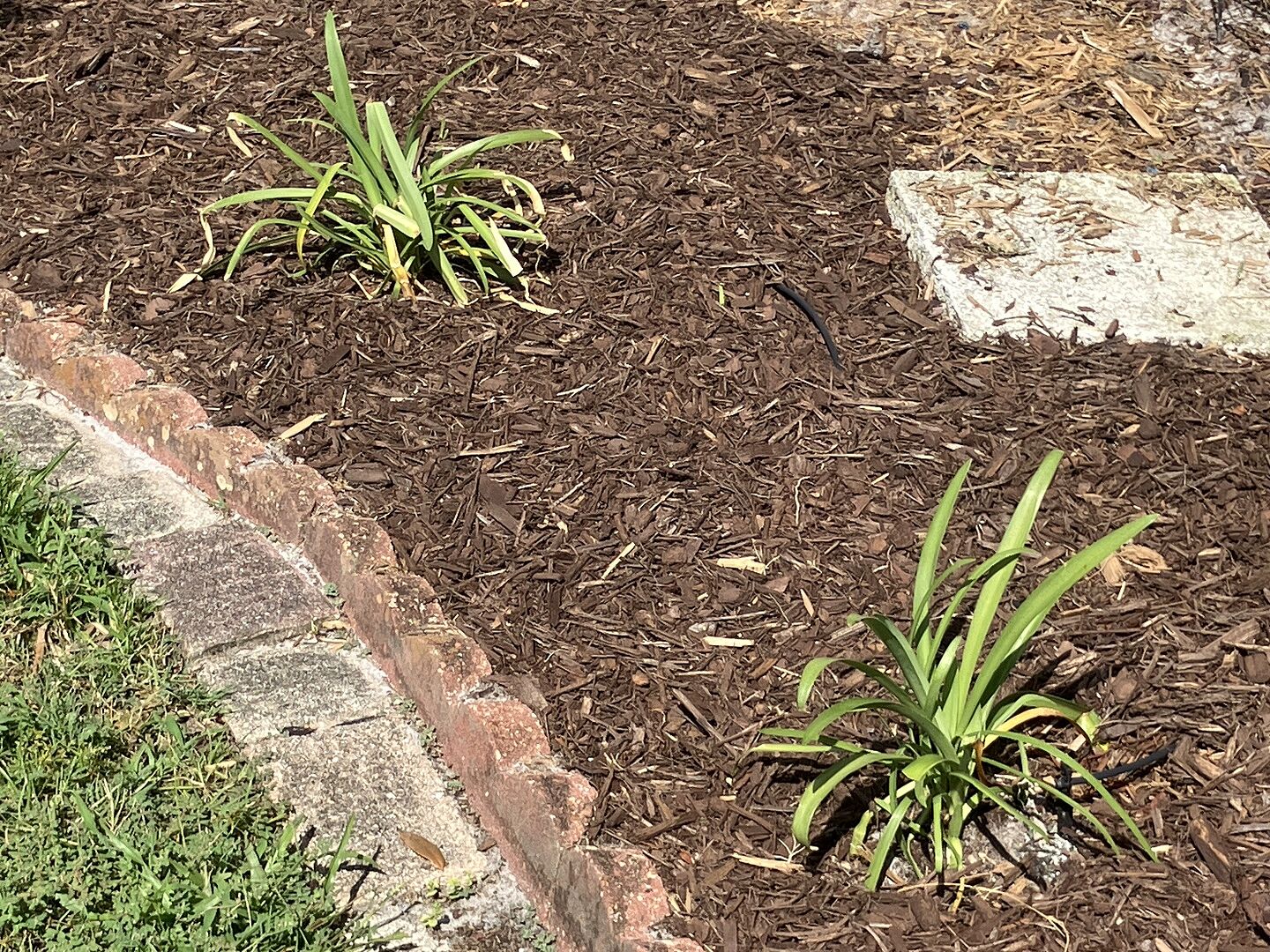
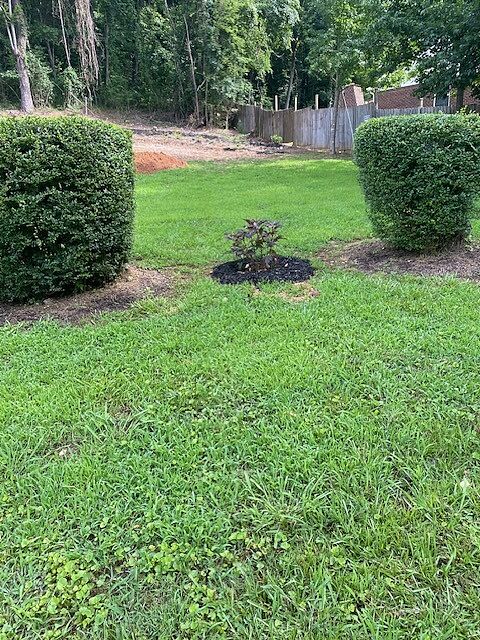
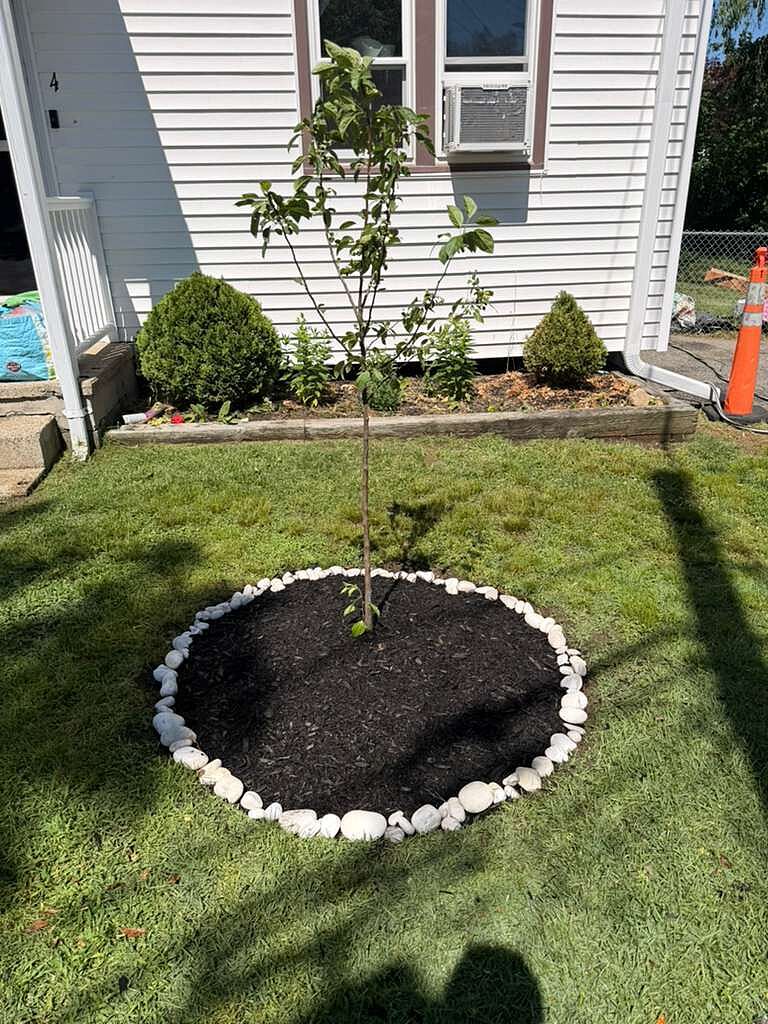
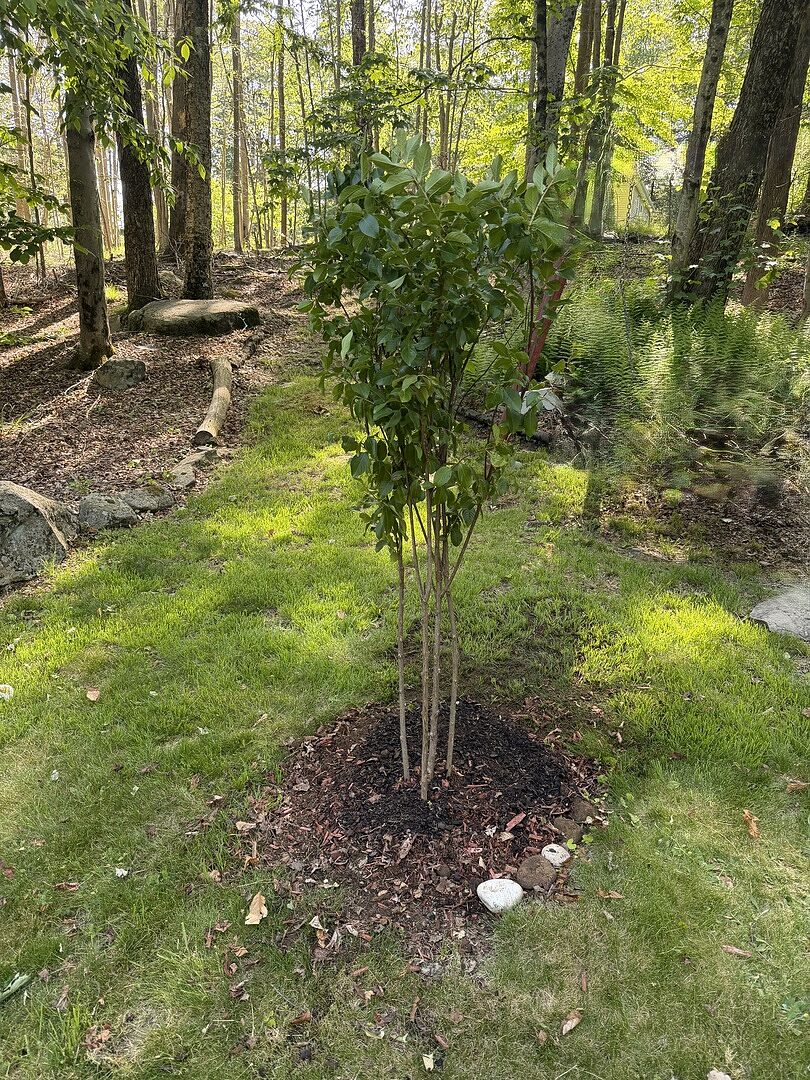
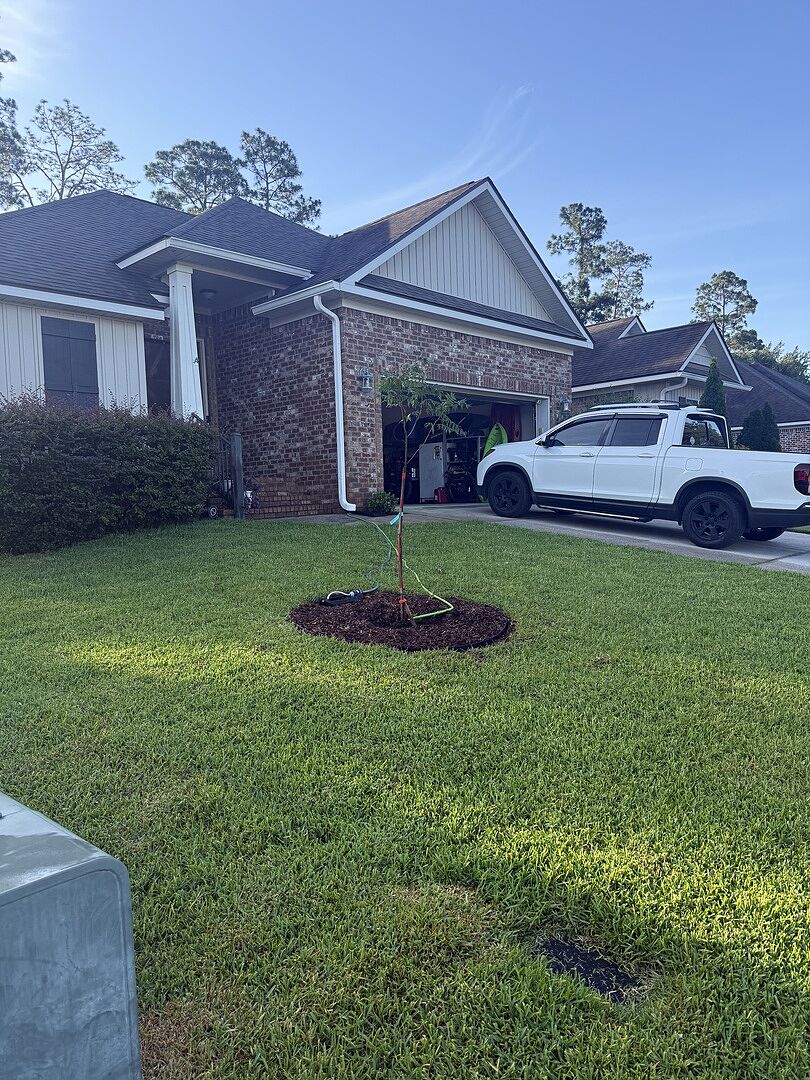
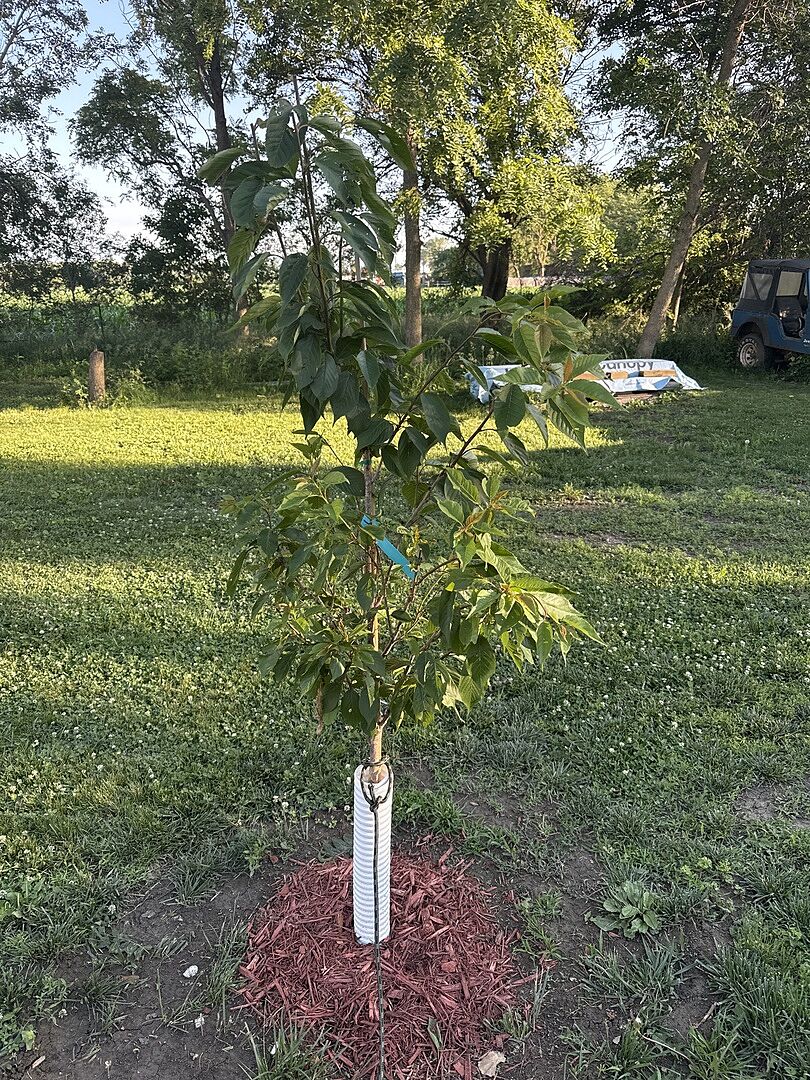
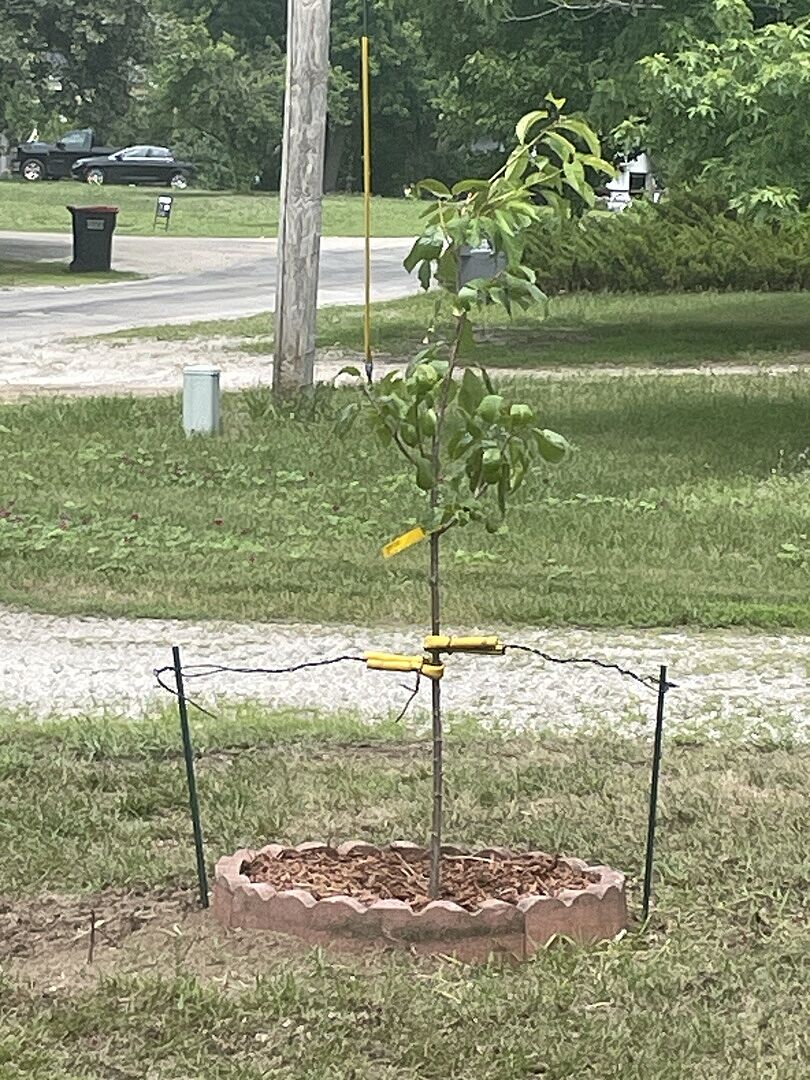
- Add 2-3 inches of mulch around the root zone to lock in moisture and regulate soil temperature
- Keep mulch several inches away from trunks and stems— contact there can cause problems over time
Watering: The Most Important Step
If there's one thing that matters most during establishment, it's consistent watering. Newly planted plants depend on regular moisture while roots expand into surrounding soil.
Water Immediately After Planting
Give plants a deep watering immediately after planting to help eliminate air pockets and settle soil around roots.
Monitor Soil Moisture Regularly
Instead of watering on a fixed schedule, check soil moisture regularly. Weather, soil type, plant size and sun exposure all affect how quickly soil dries out. Dig a finger (or a moisture meter) 2–3 inches into the soil near the root zone. If it feels dry, water deeply and slowly. If it still feels moist, wait. The right frequency will change week to week depending on heat, rain, and your soil type and that's normal.
Establishment Takes Time
Many homeowners underestimate how long establishment takes. While the first few weeks are critical, many trees and shrubs continue establishing for several growing seasons. Consistent watering during this period can have a major impact on long-term success.
Smaller Plants Need Extra Attention
Smaller plants and container-grown plants typically dry out faster than larger, established landscape plants. Monitor them more closely during hot weather.
What's Normal After Planting (And What to Look For)
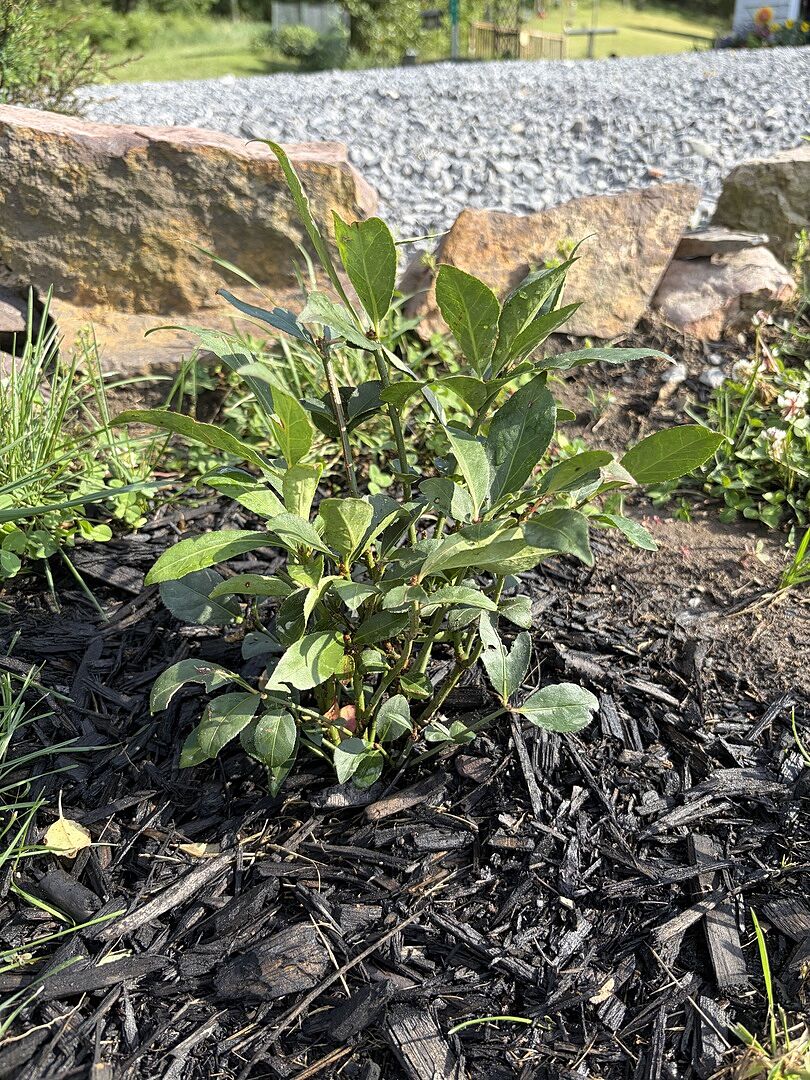
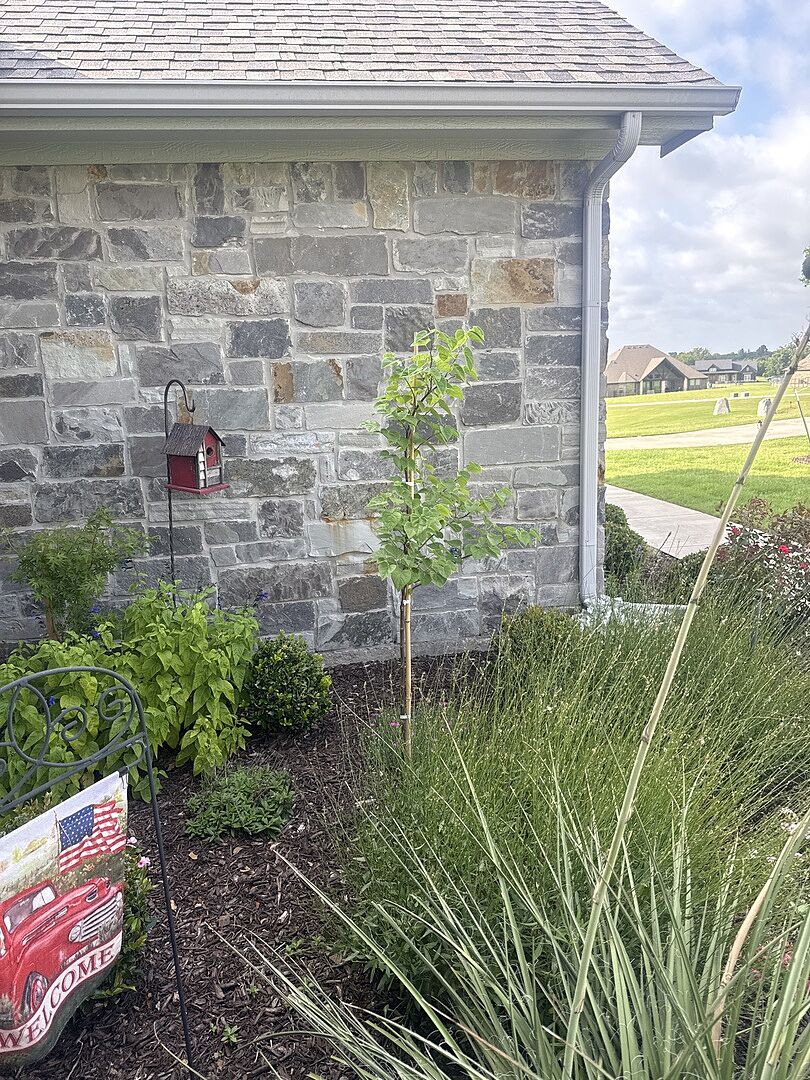
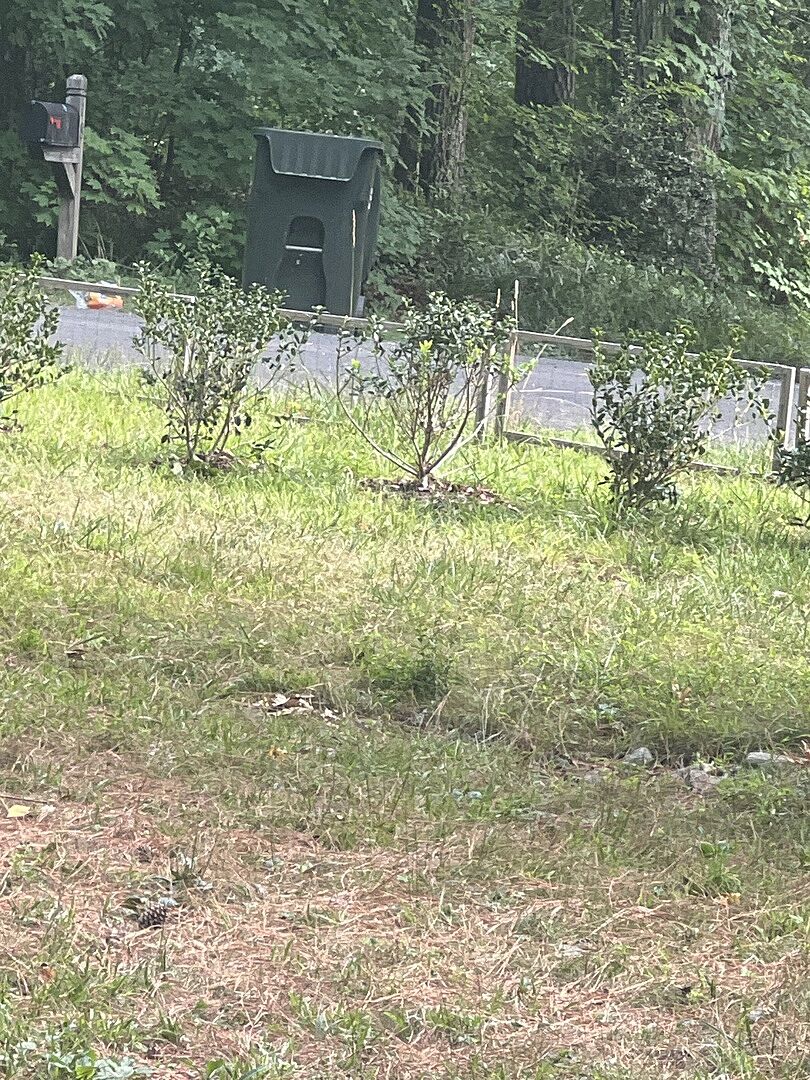
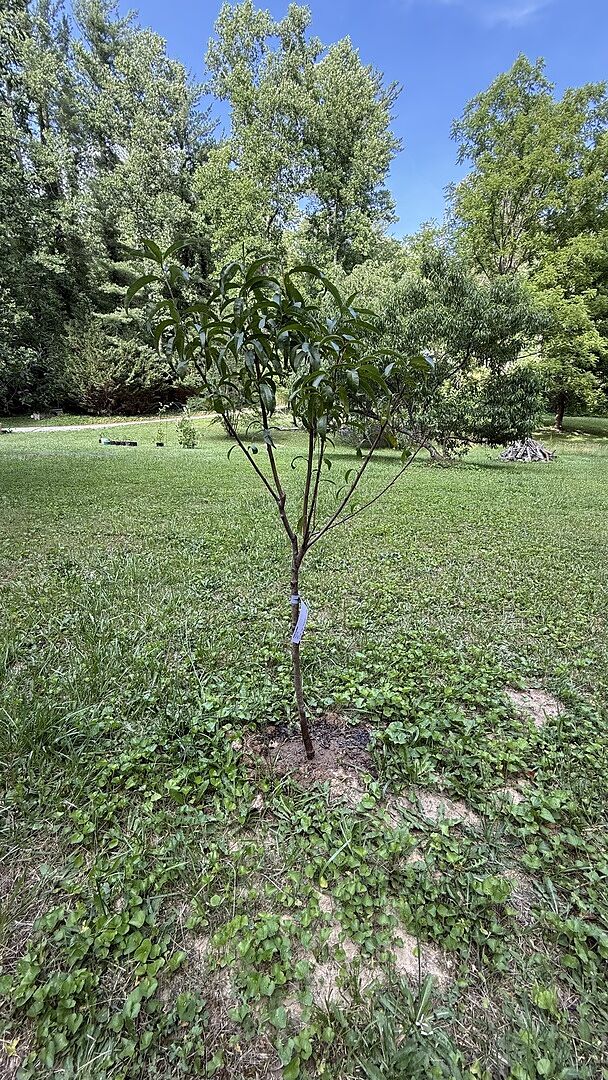
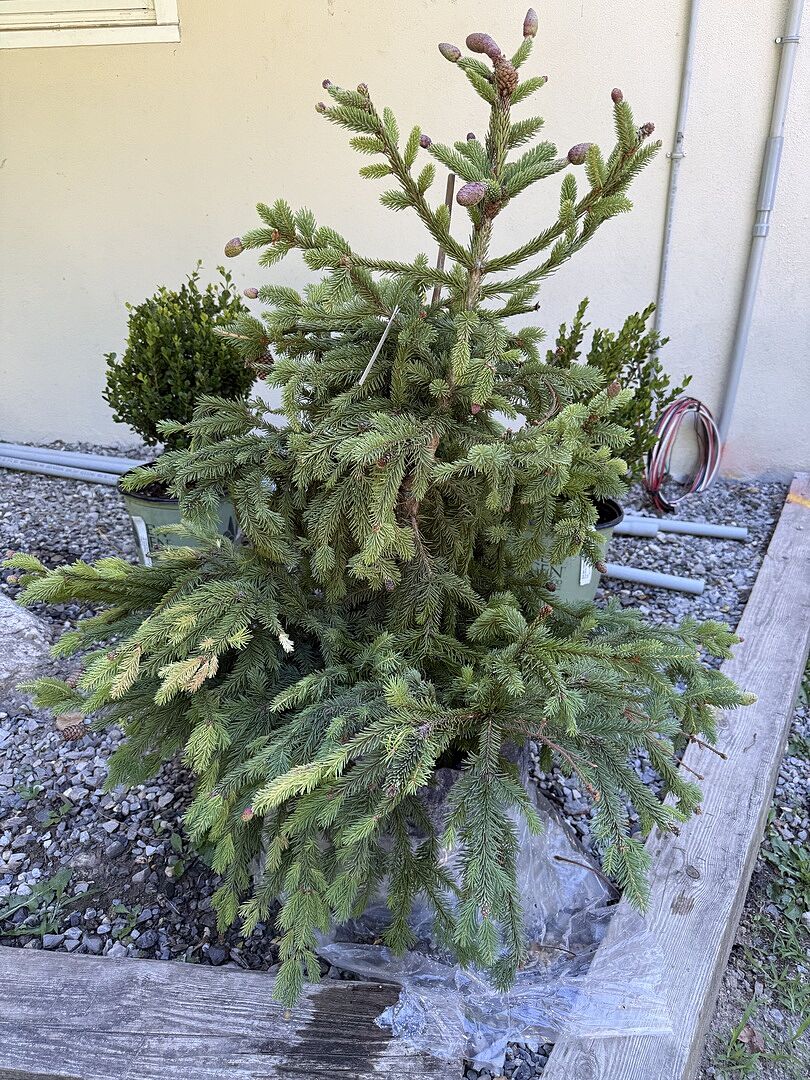
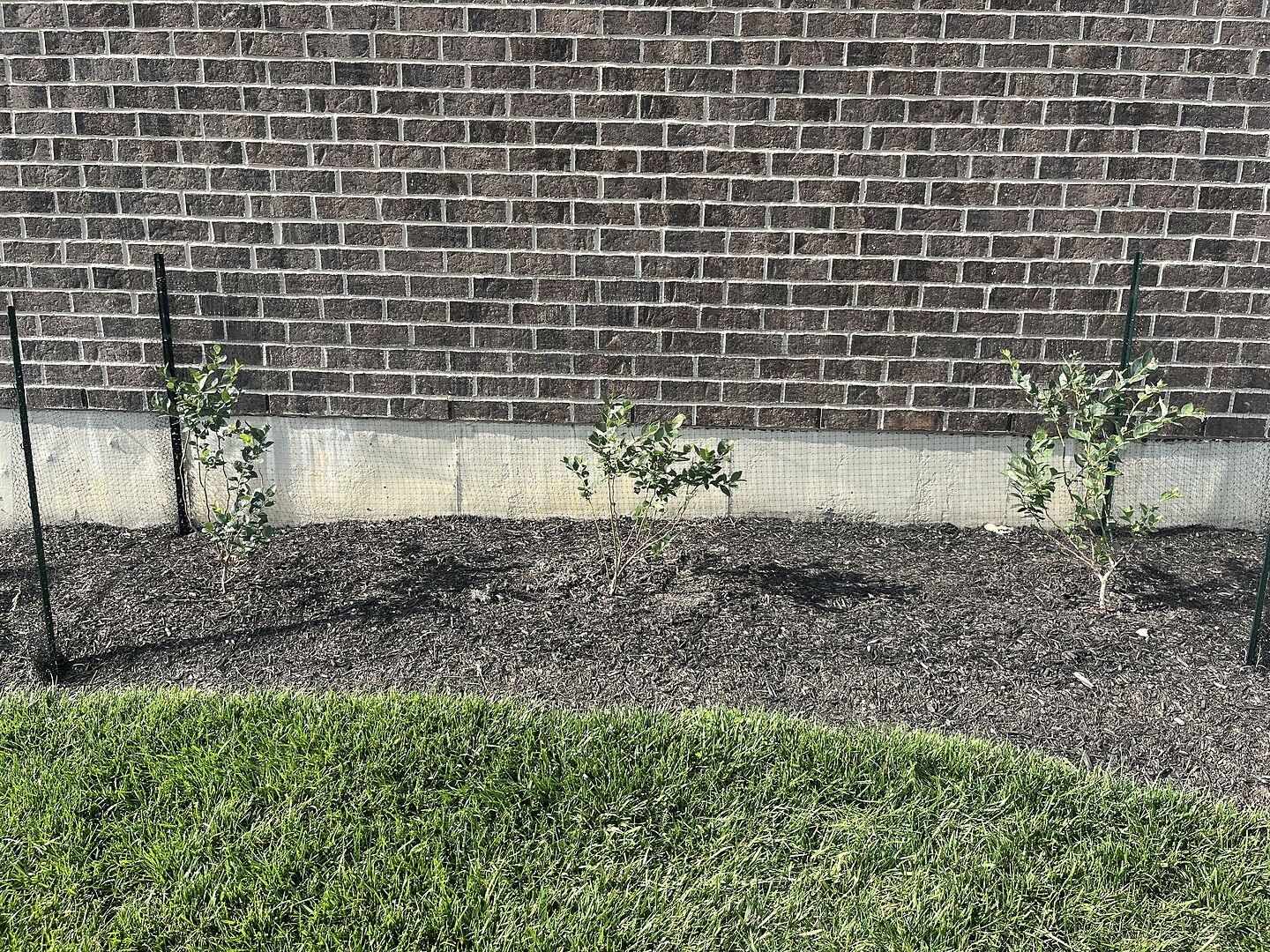
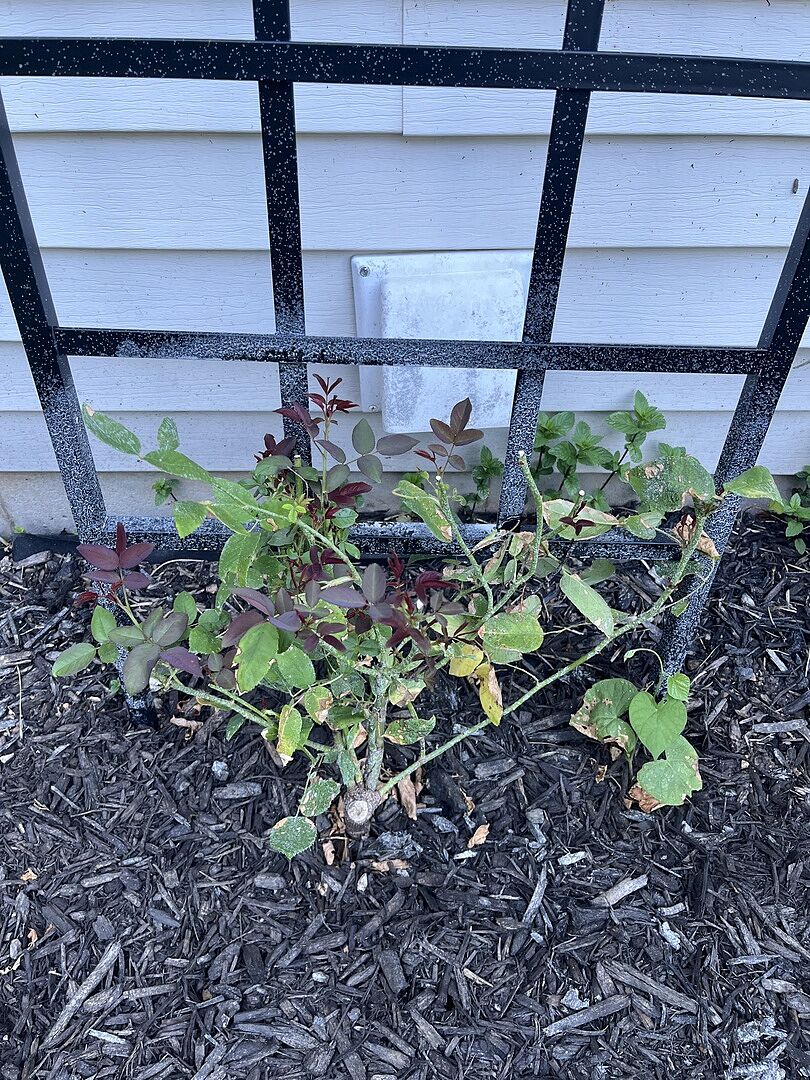
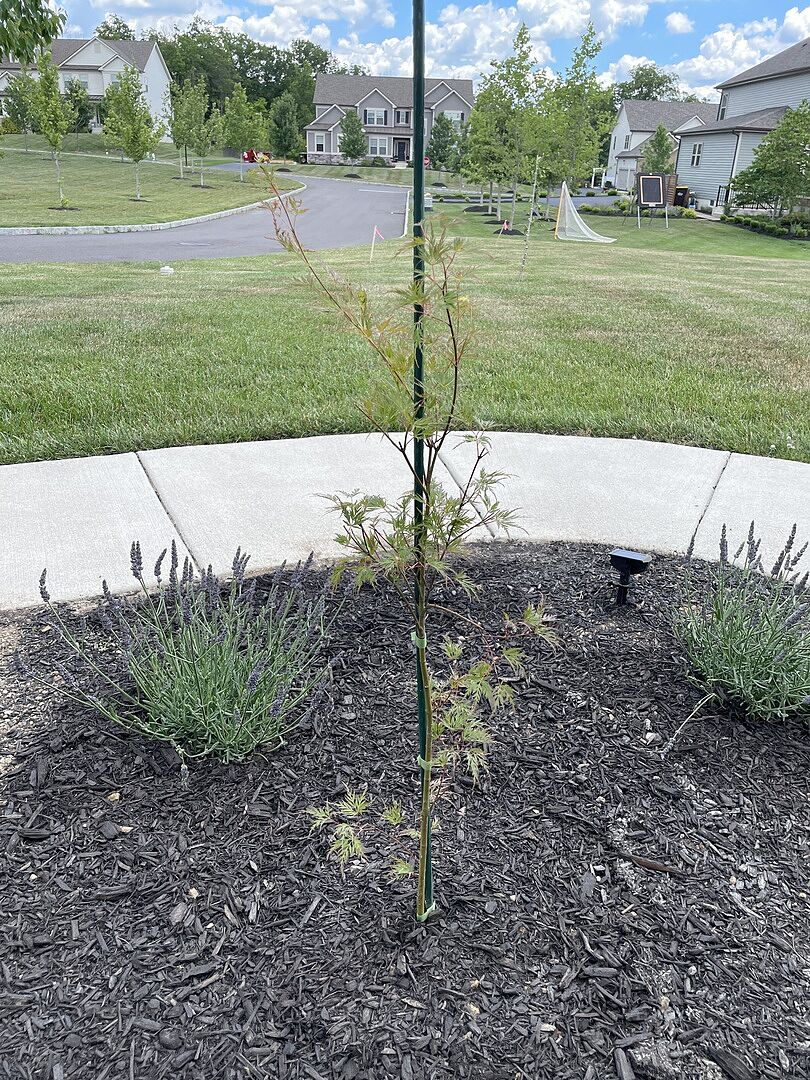
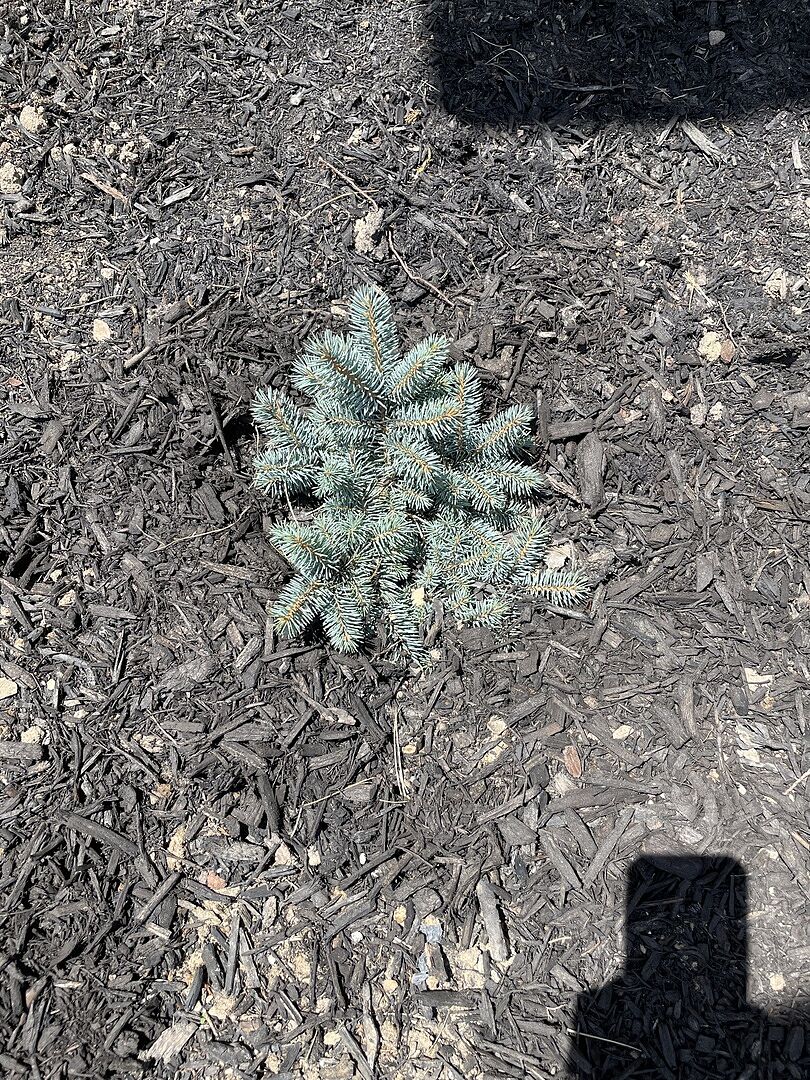
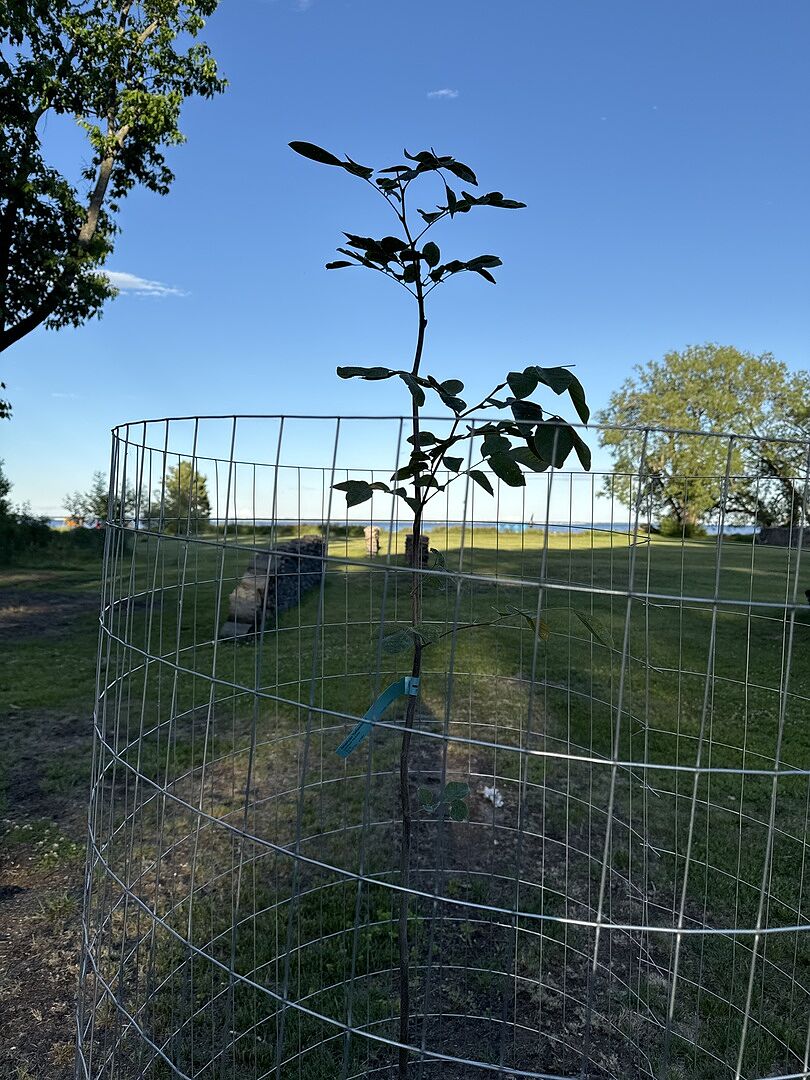
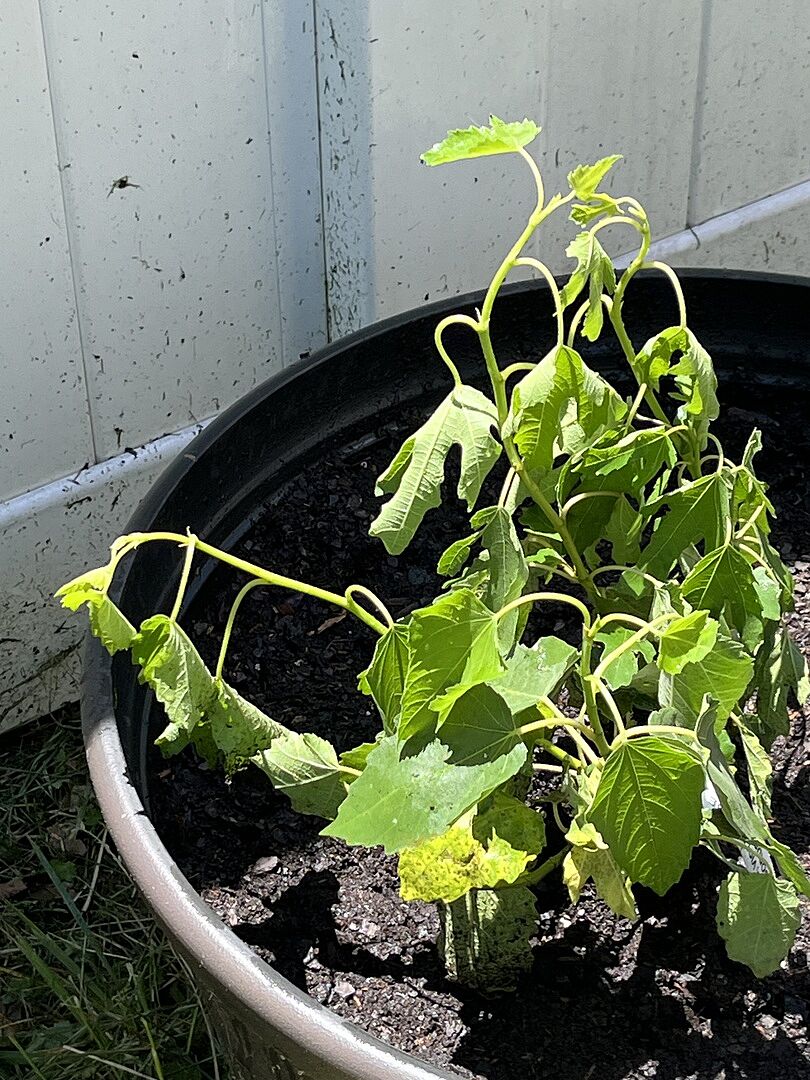
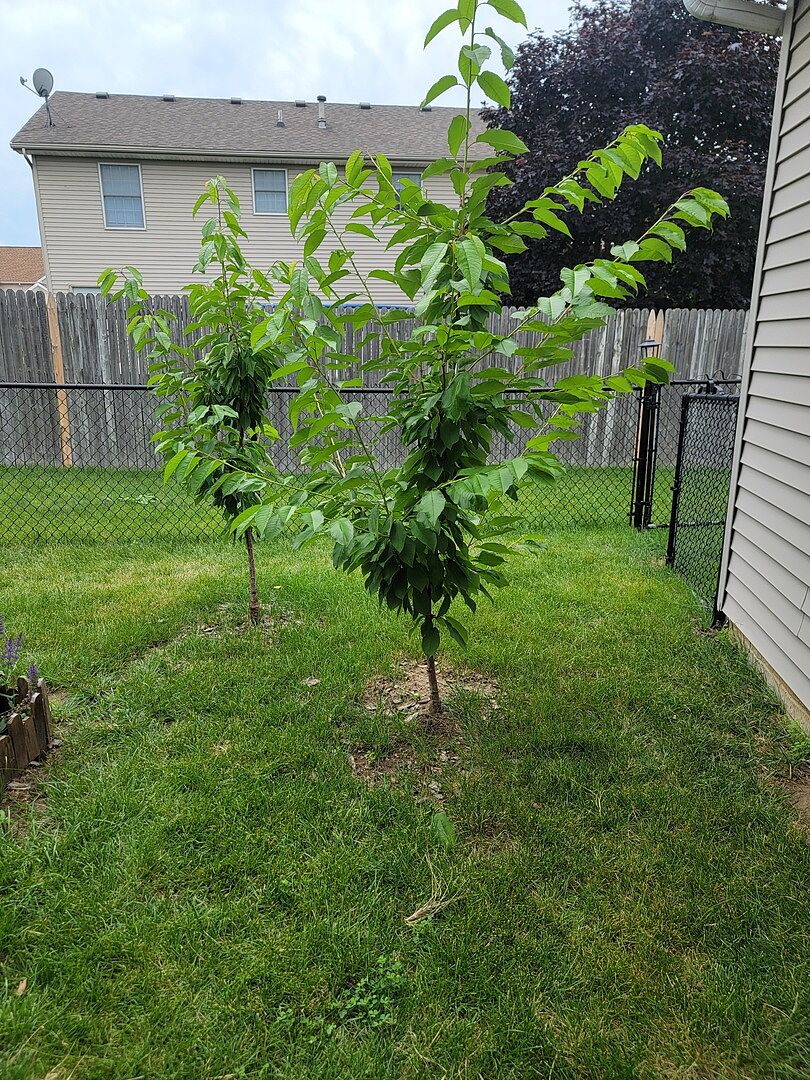
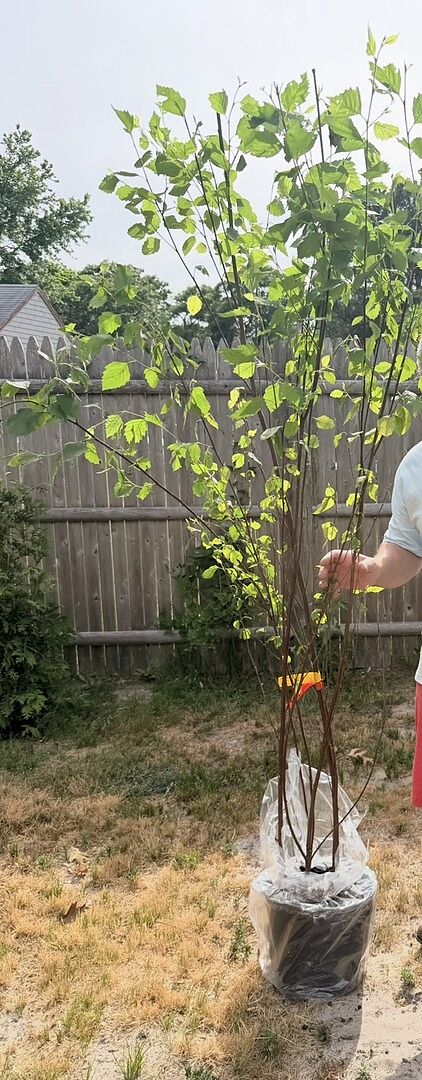
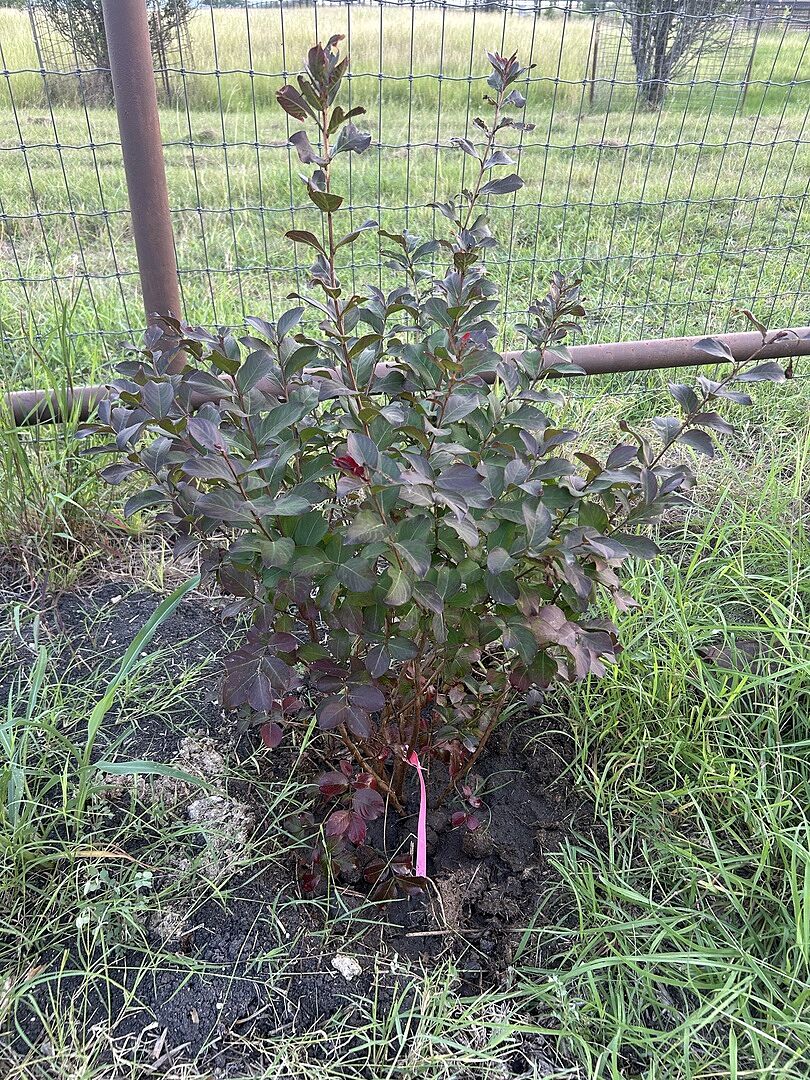
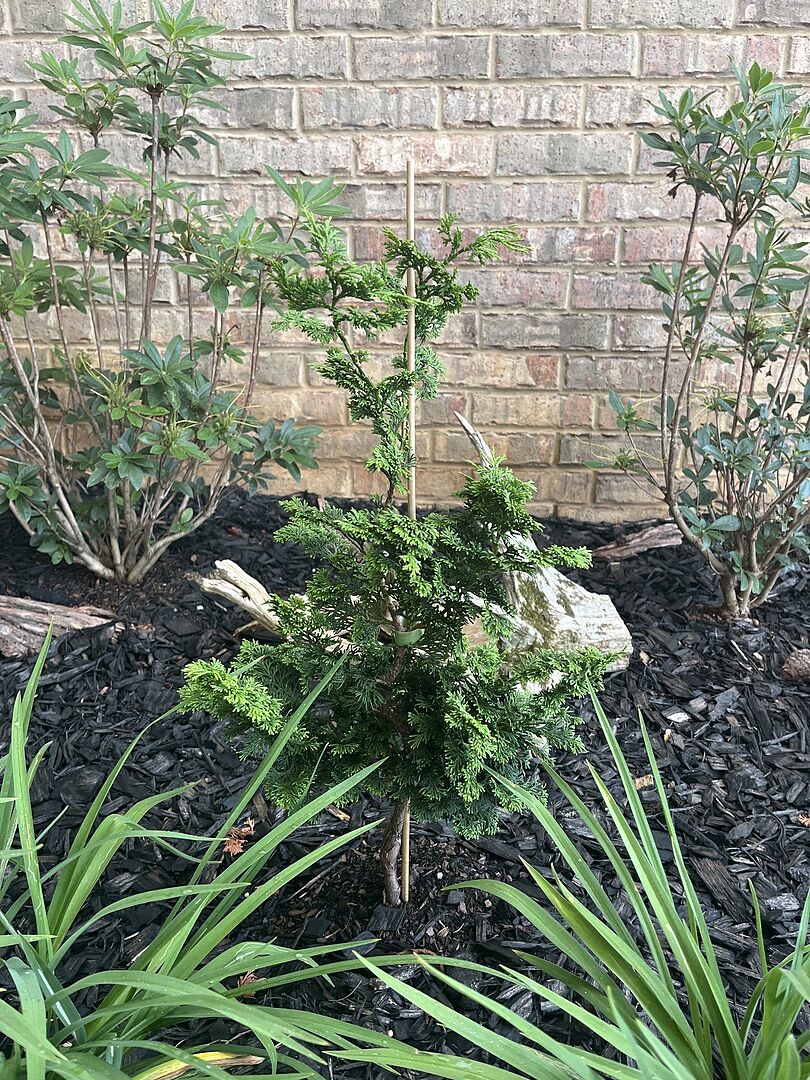
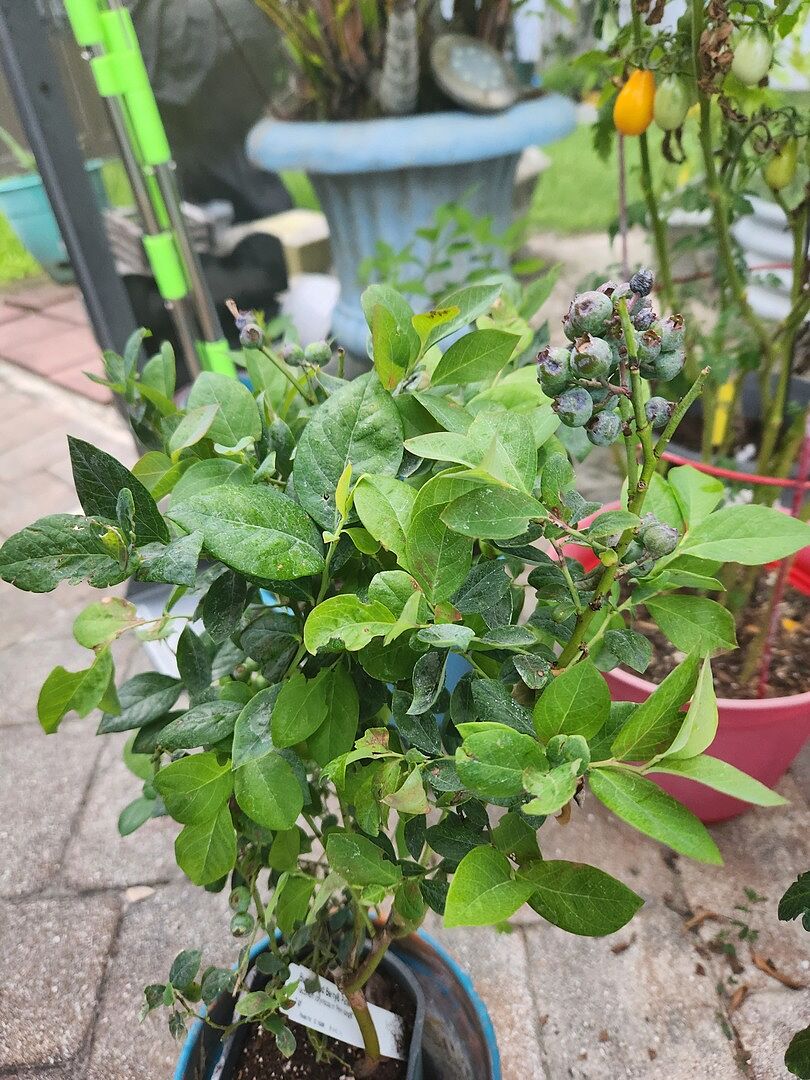
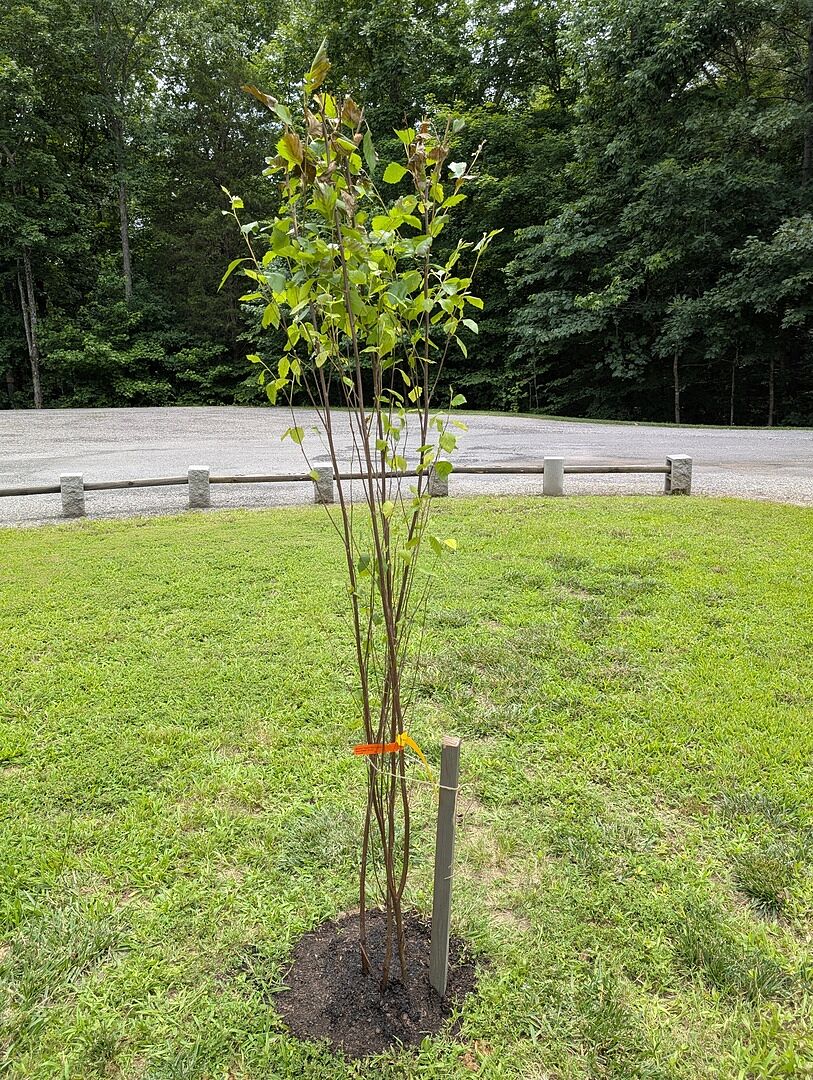
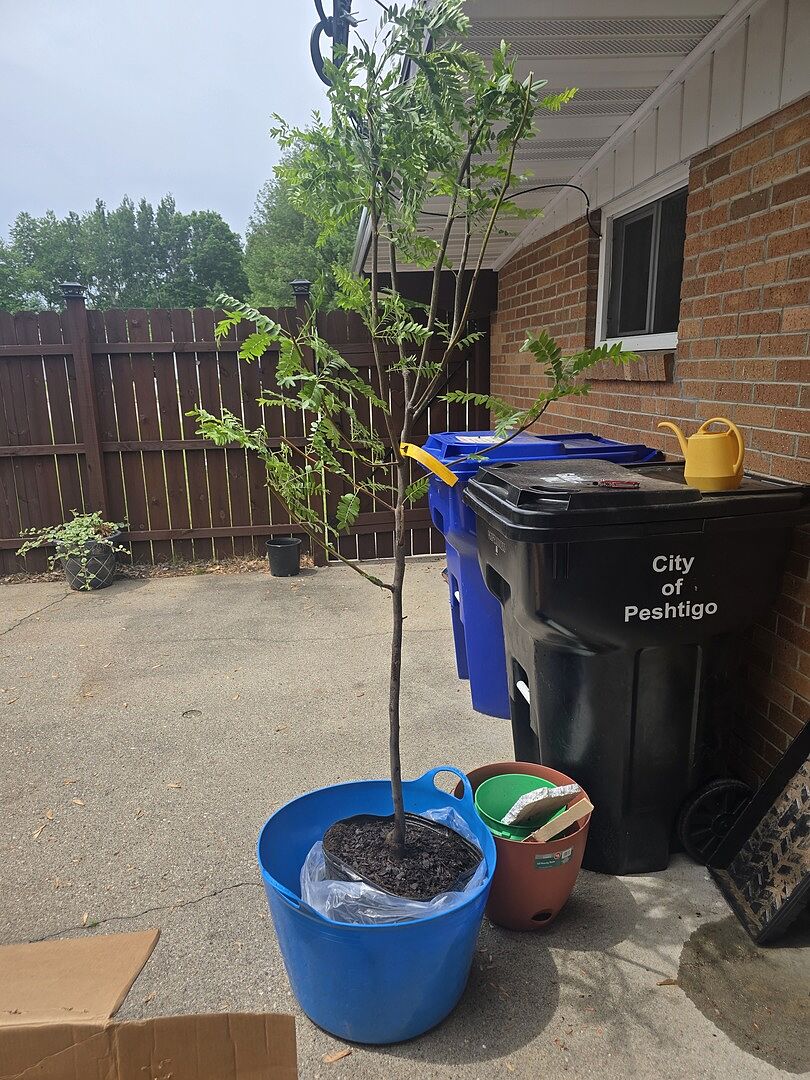
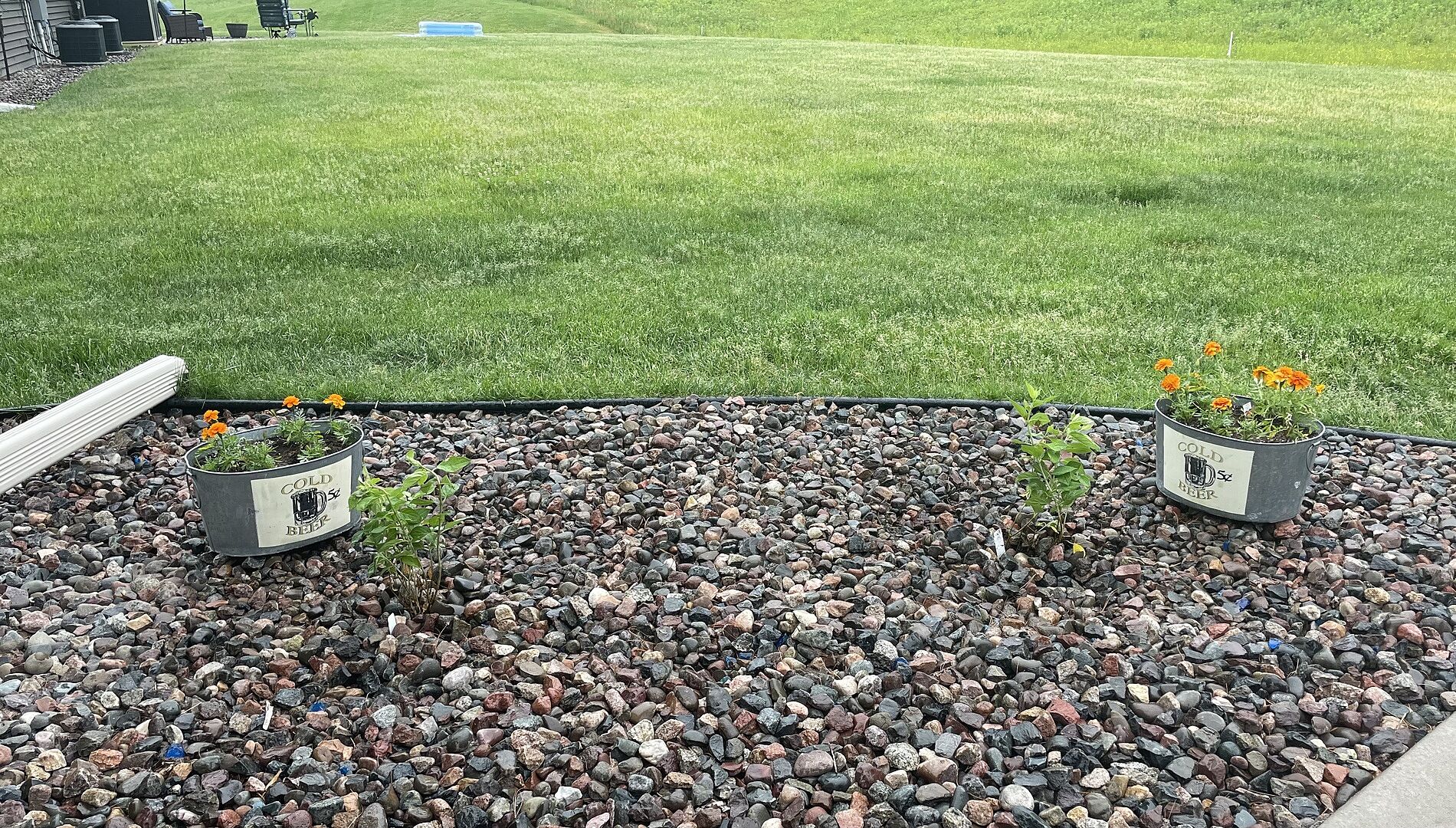
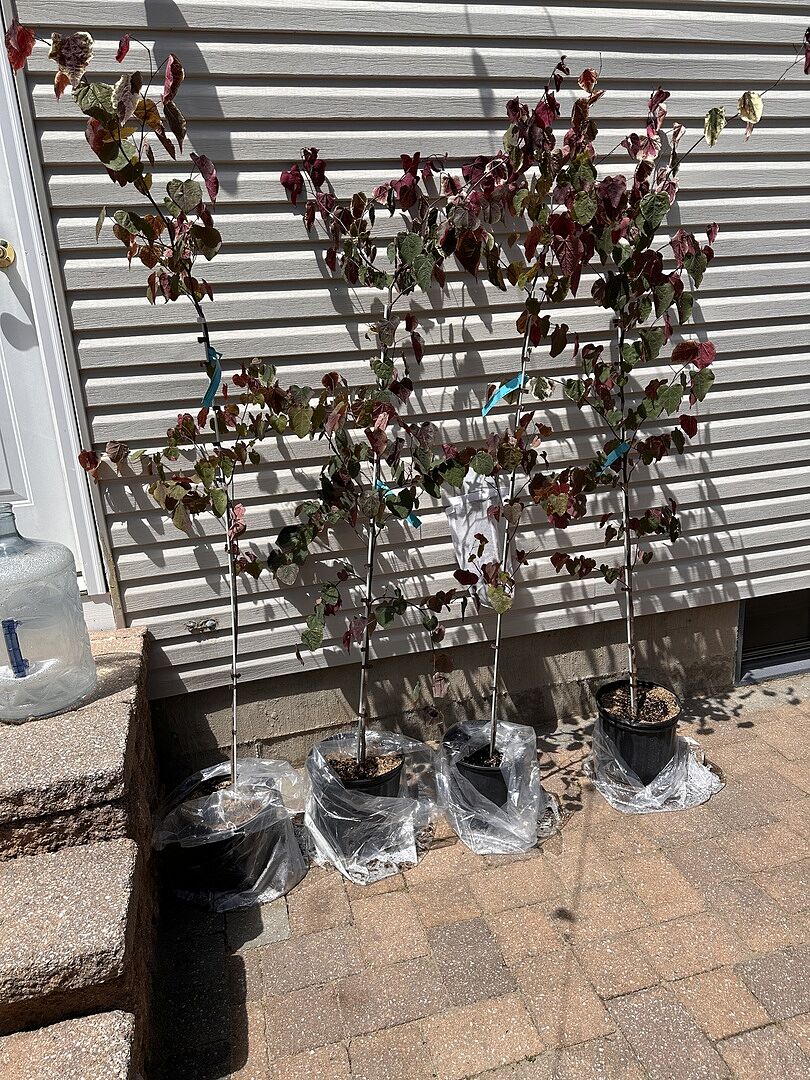
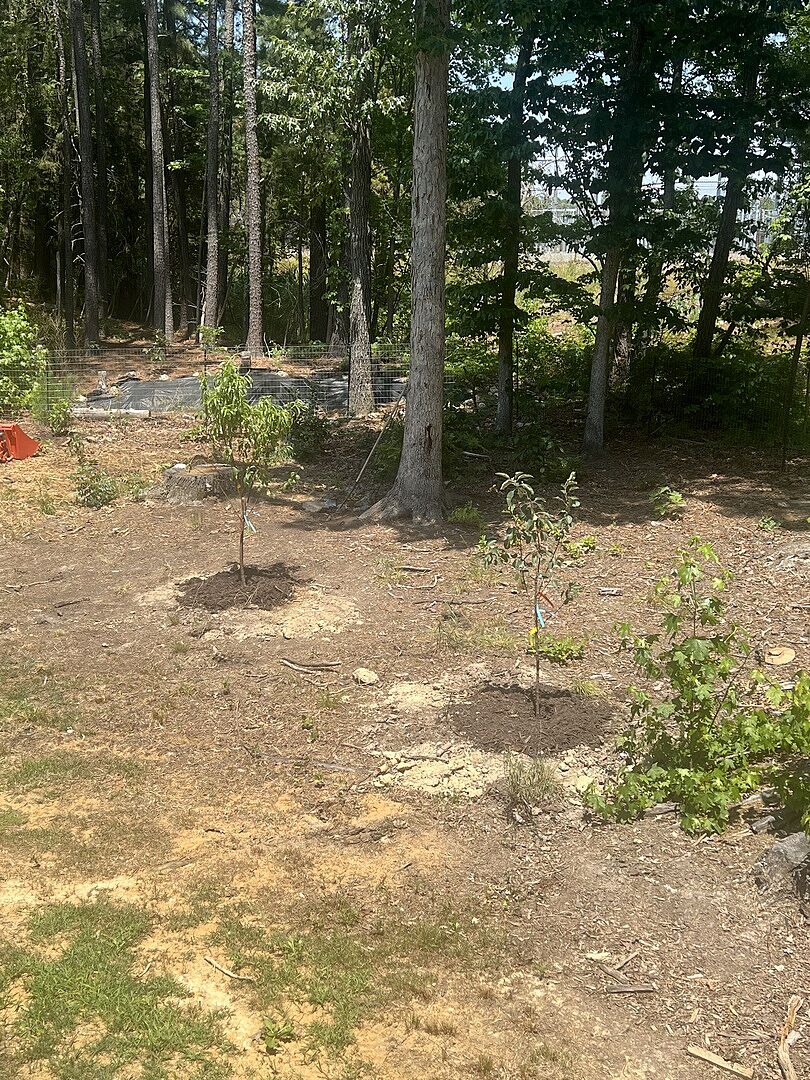
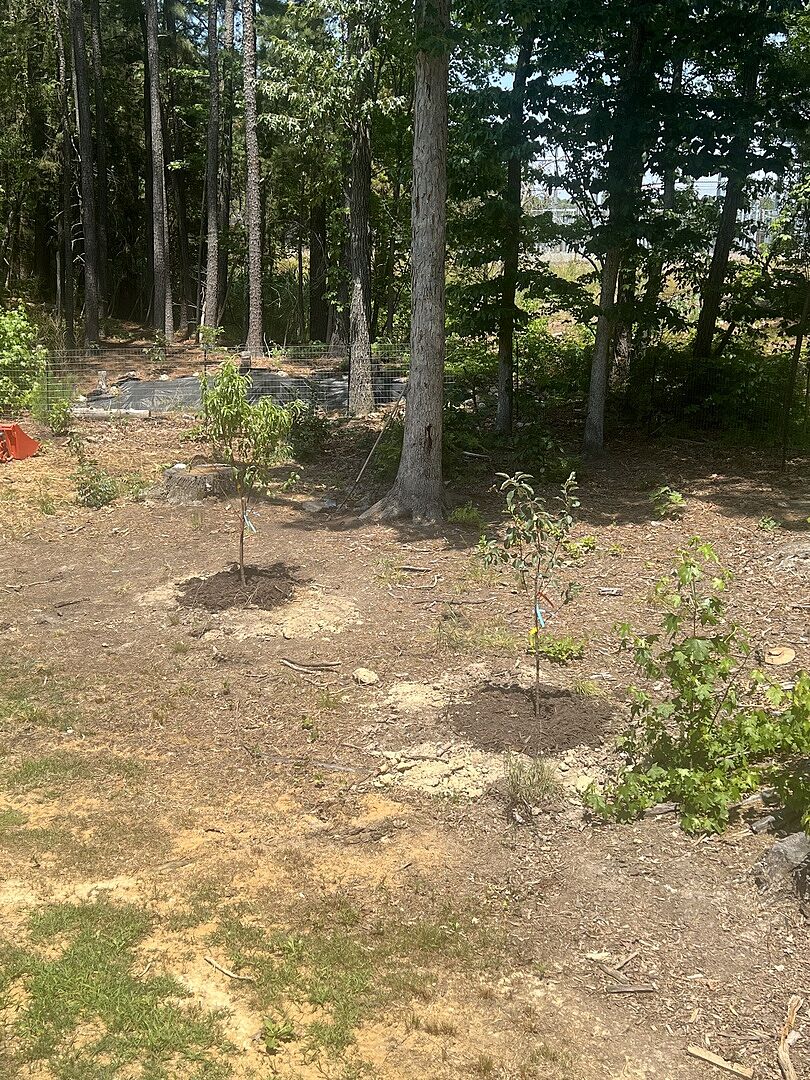
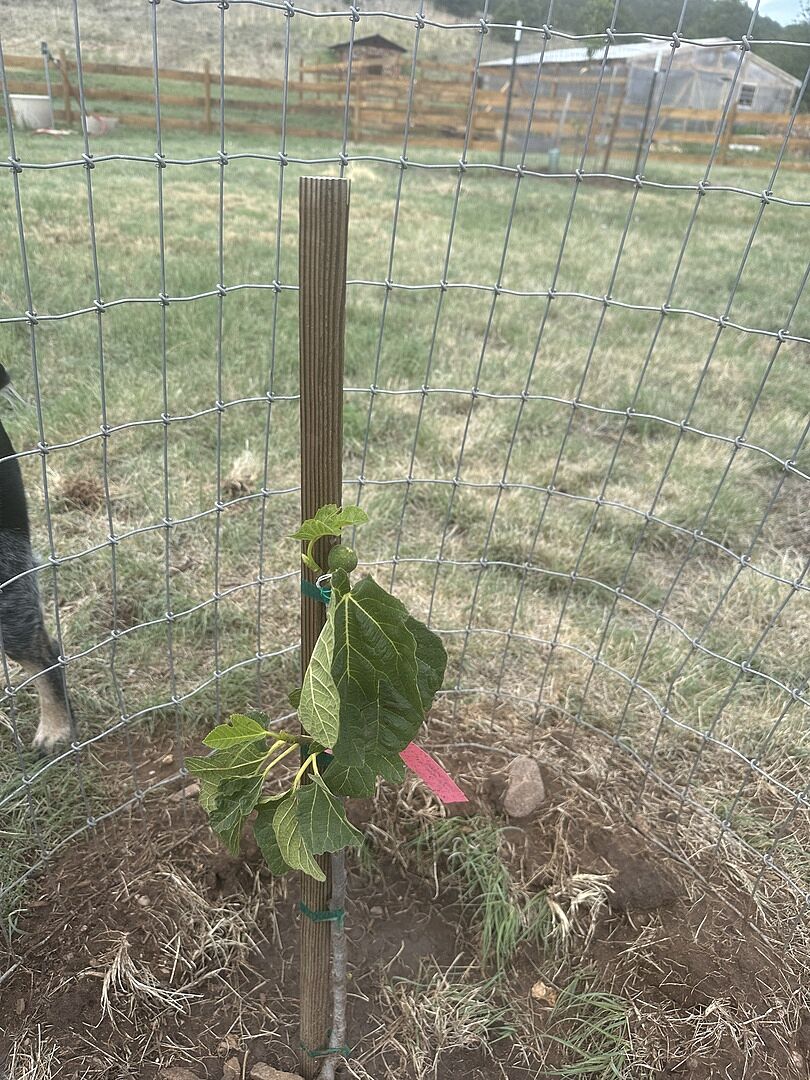
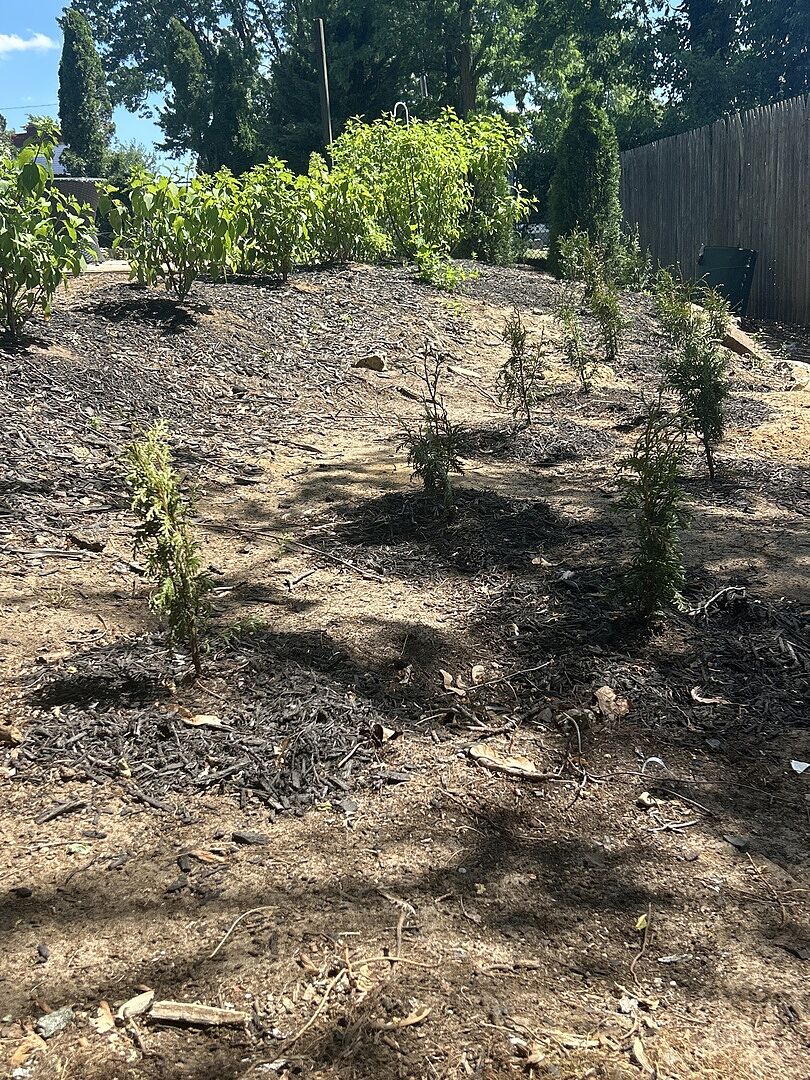
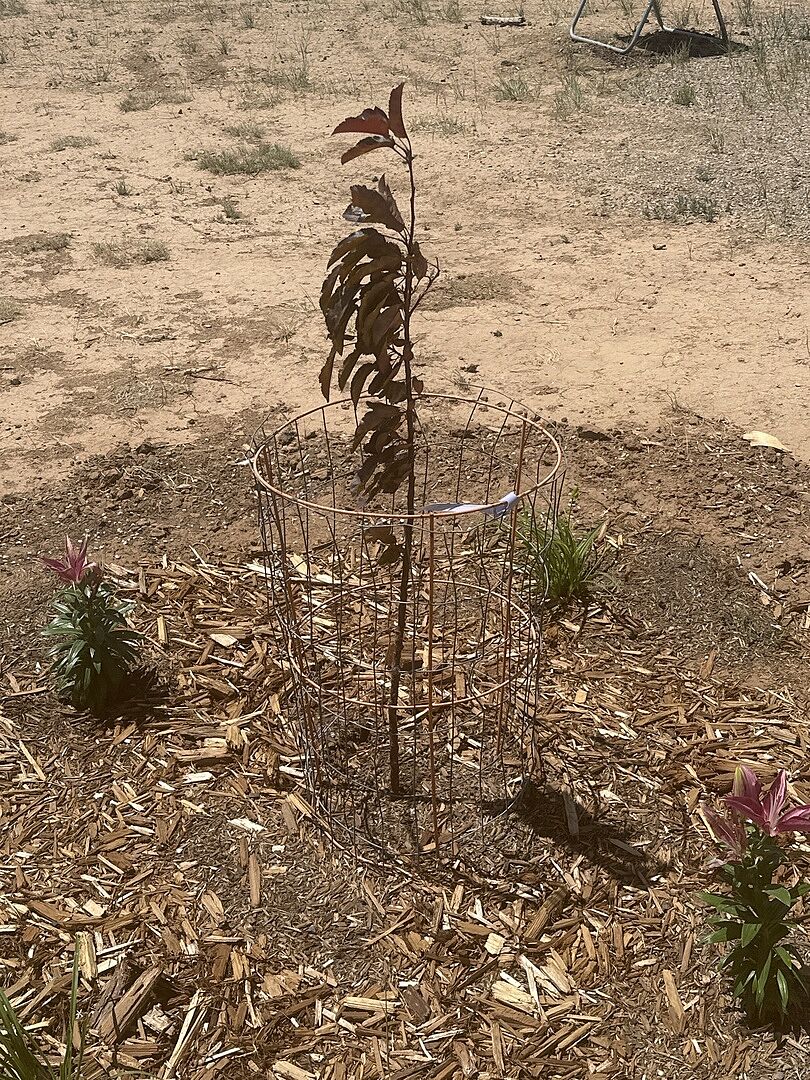
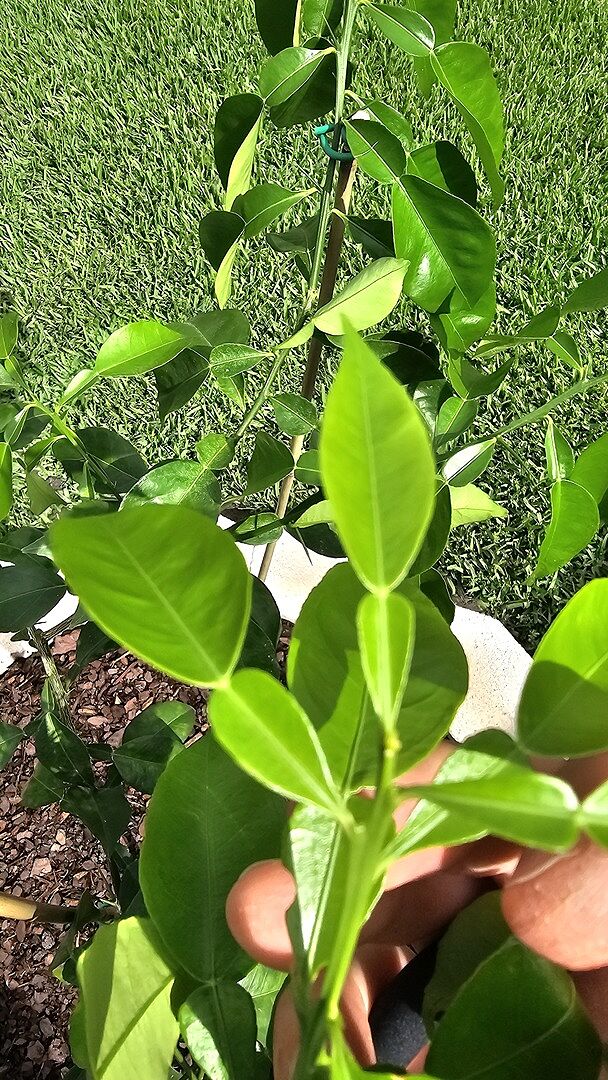
Here's something we want you to know upfront: it's completely normal for newly planted trees and shrubs to look a little rough at first.
After shipping, transplanting, and adjusting to summer heat, you might notice:
- Some wilting during hot afternoons
- A few yellowing leaves
- Minor leaf spotting
- Some leaf drop
- Slower growth than you expected
In many cases, these symptoms are temporary. Your plant is putting its energy into root growth right now, that's the foundation everything else depends on. What's happening underground matters more than what you're seeing above it.
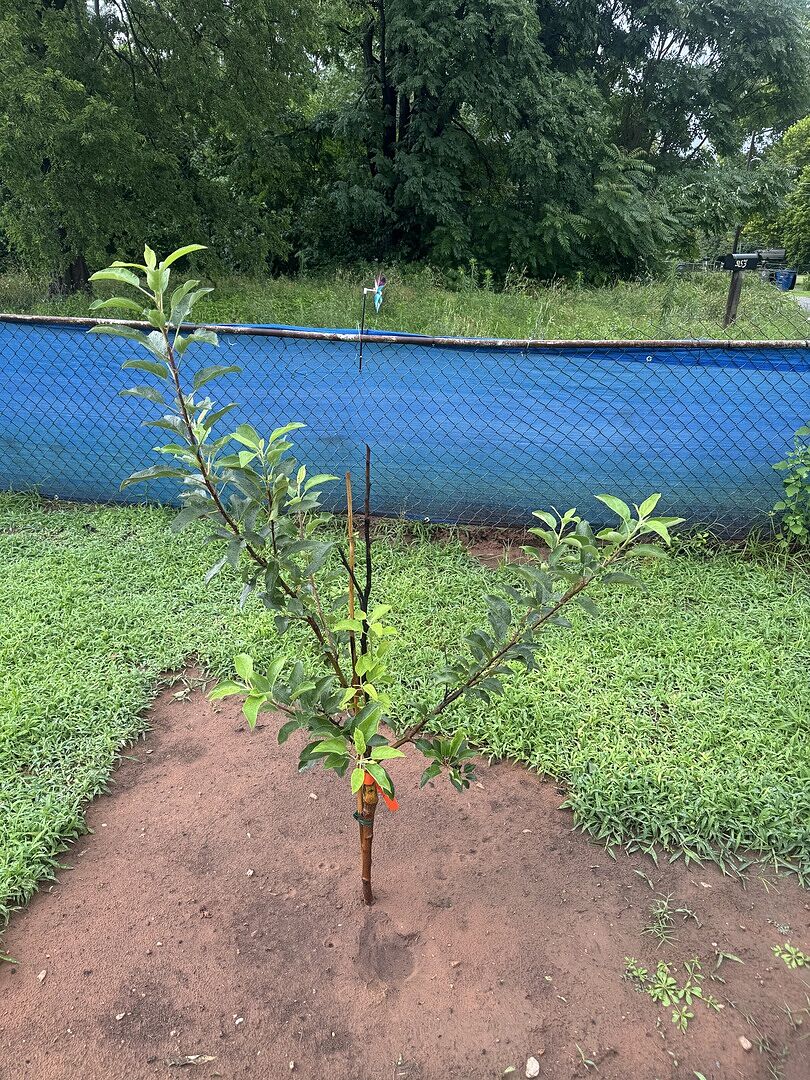
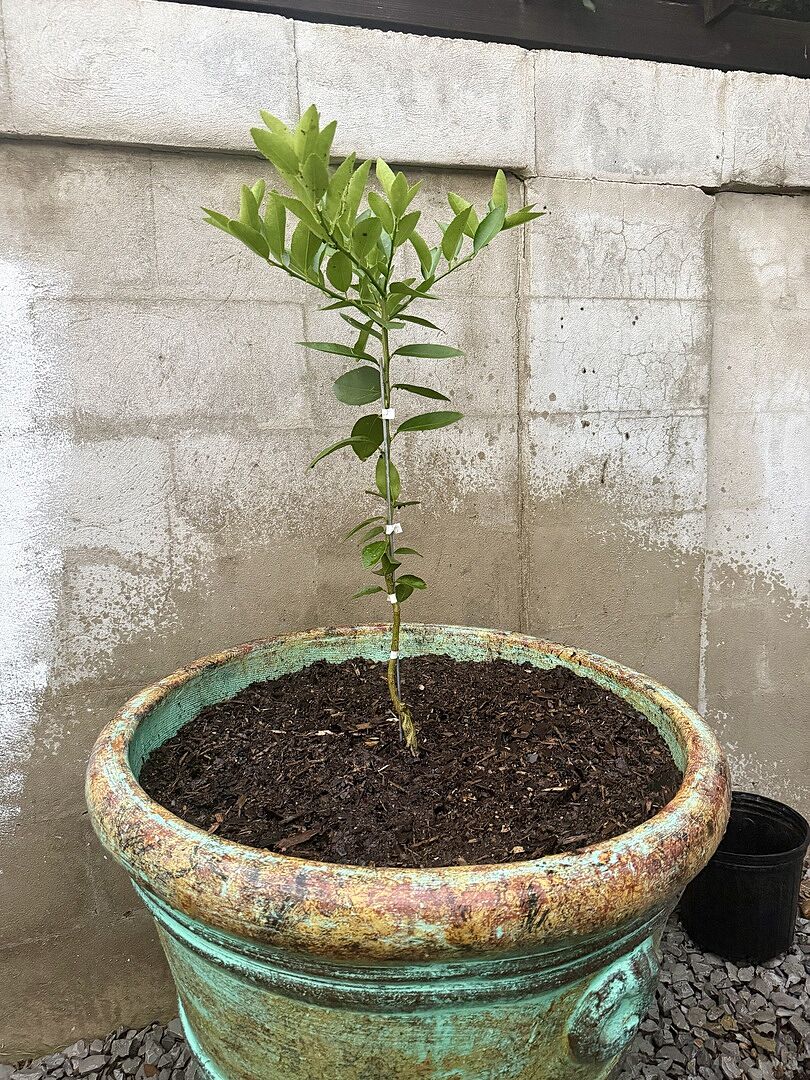
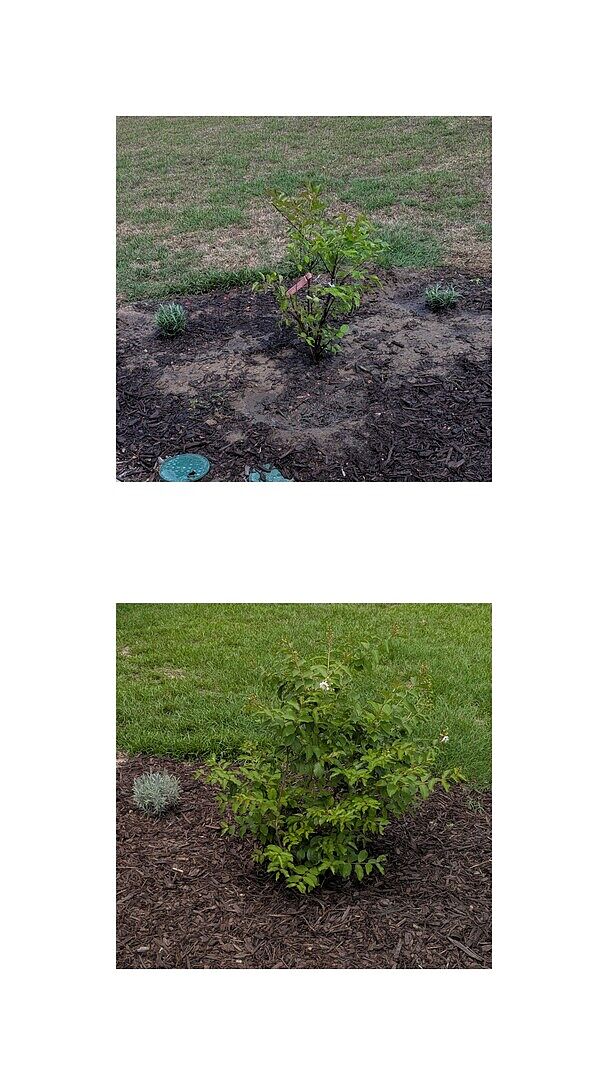
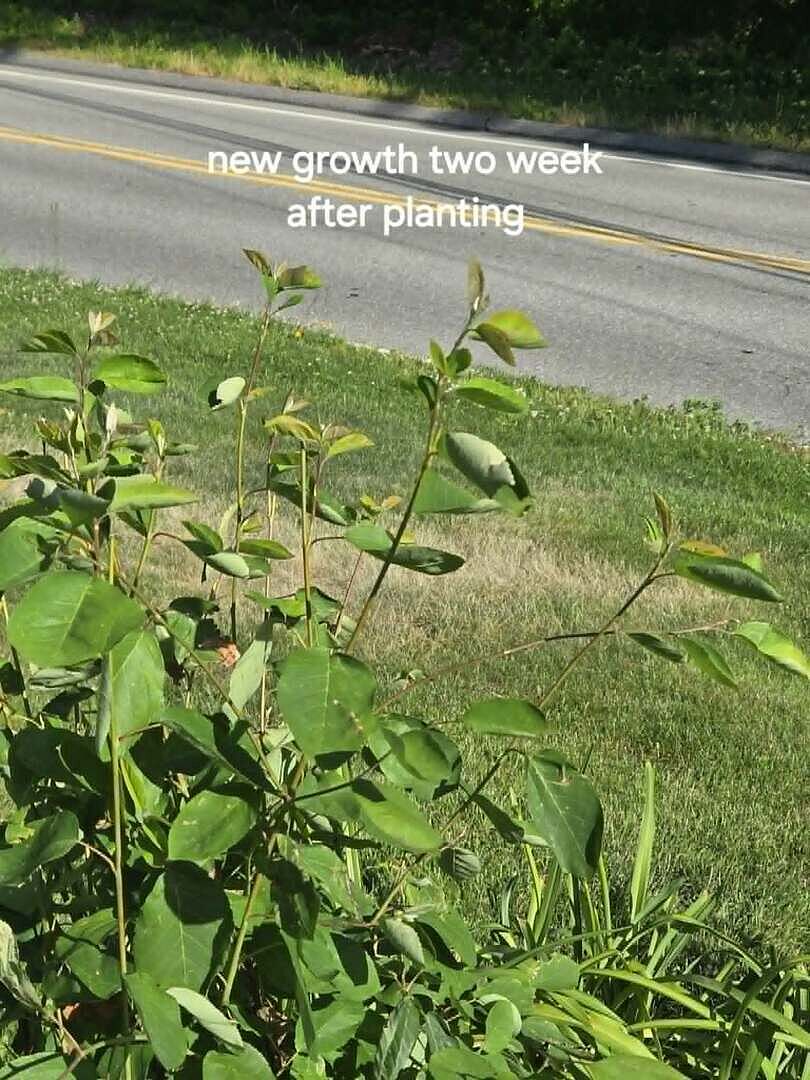
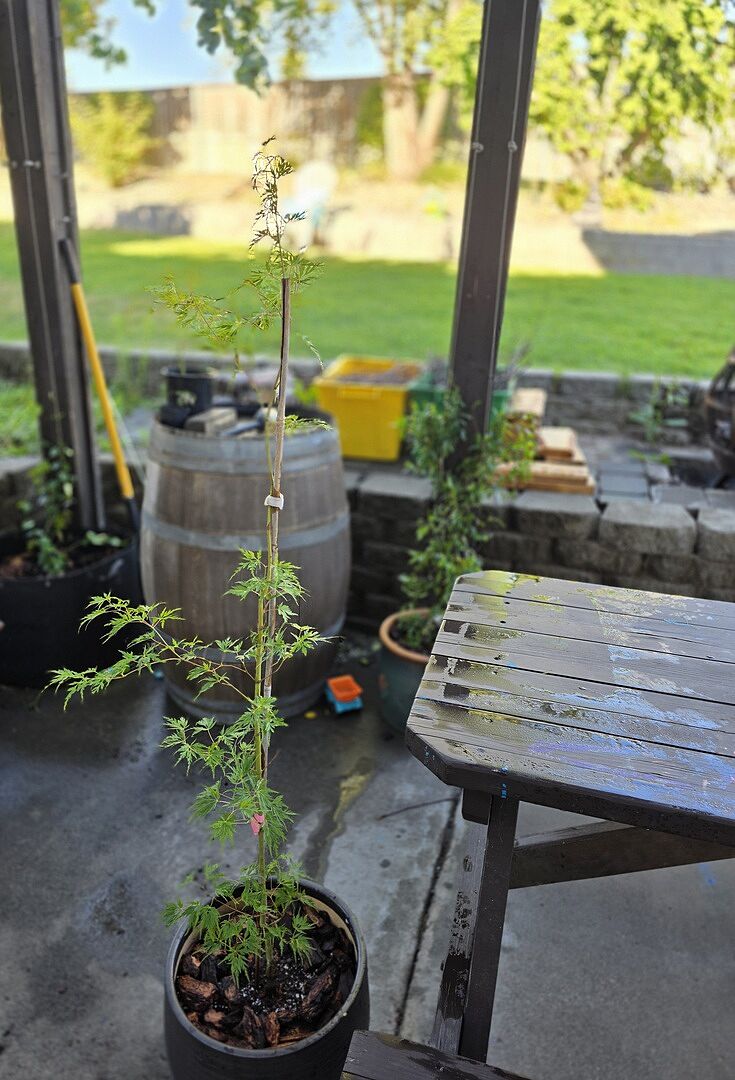
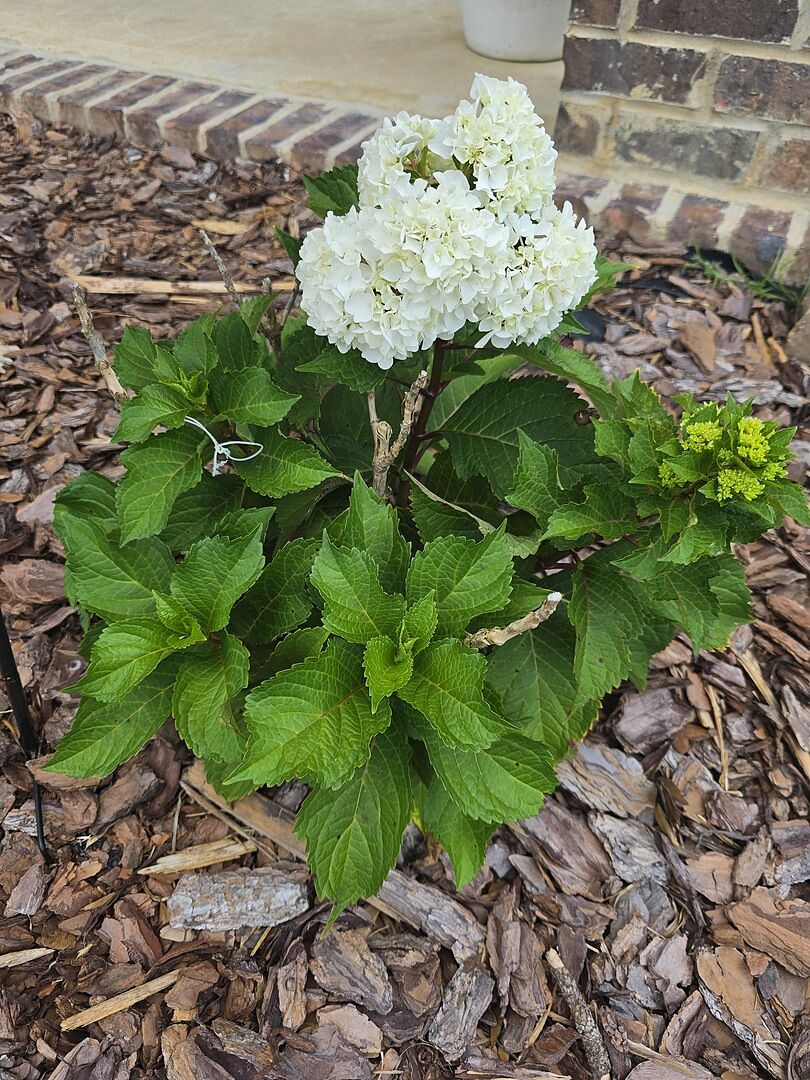
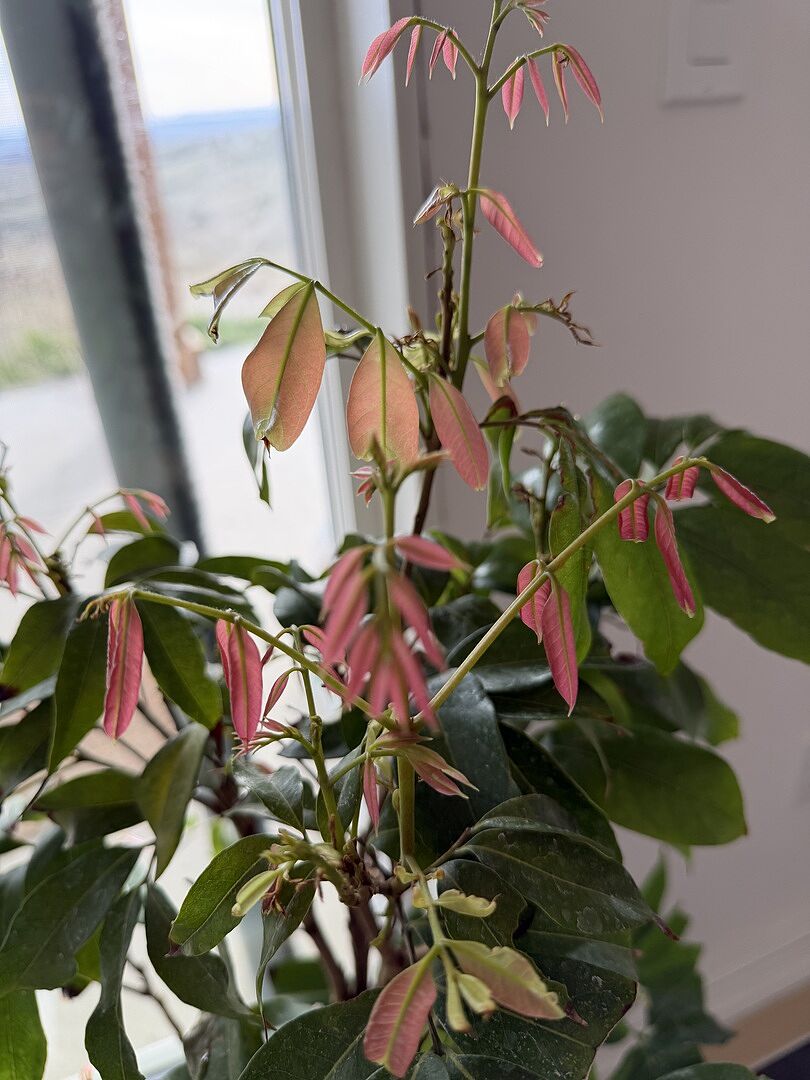
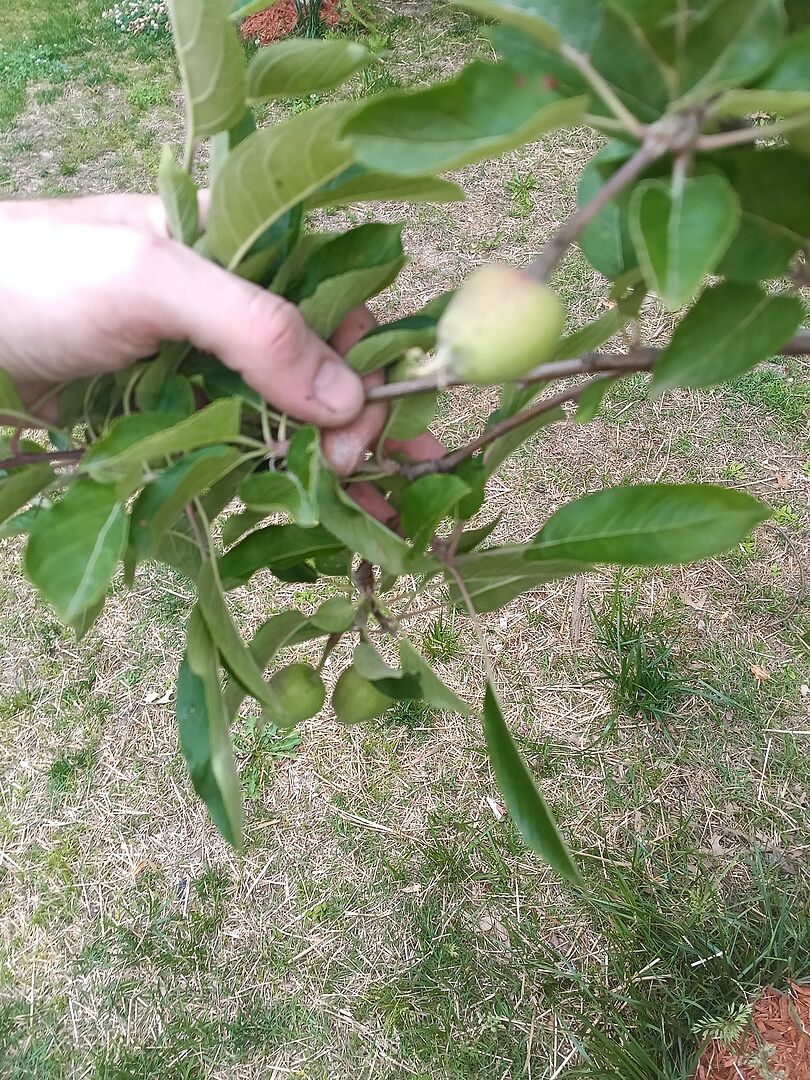
The best sign your plant is doing well isn't perfect foliage. It's new growth.
Keep an eye out for new leaves, new buds, and new shoots emerging. That's your plant telling you it's settling in and starting to thrive. Even plants that go through some stress early on can establish beautifully when they get consistent care.
Summer Heat & Humidity
Hot, humid summers are tough on newly planted trees and shrubs but manageable with a few simple habits.
- Keep checking soil moisture— heat speeds up how quickly soil dries out
- Water deeply when needed, but let the soil breathe between waterings
- Make sure there's good airflow around your plants
- Try not to keep foliage wet longer than necessary
You might also notice some leaf spotting during humid stretches. In most cases this is cosmetic— a sign of the conditions, not a sign something is seriously wrong. Focus on the overall health of the plant and watch for that new growth.
Special Care Considerations
Some Plants Prefer Afternoon Shade
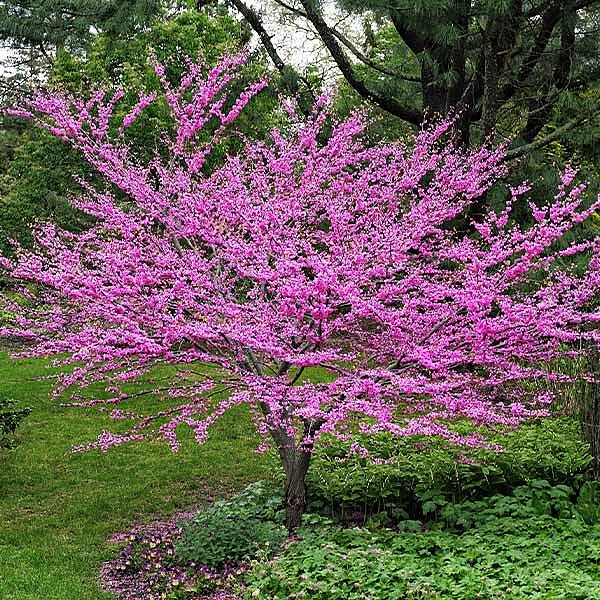
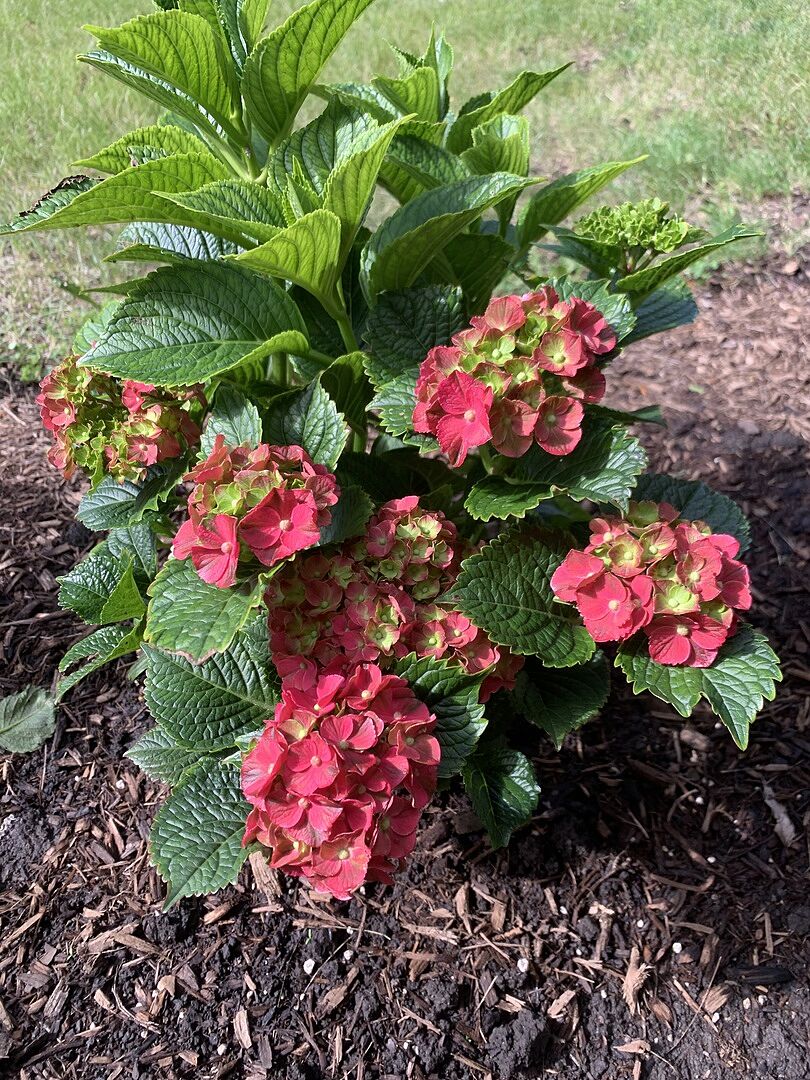
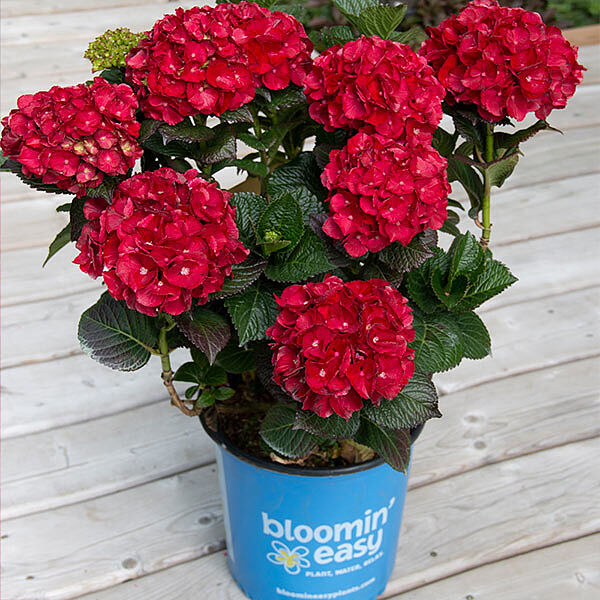
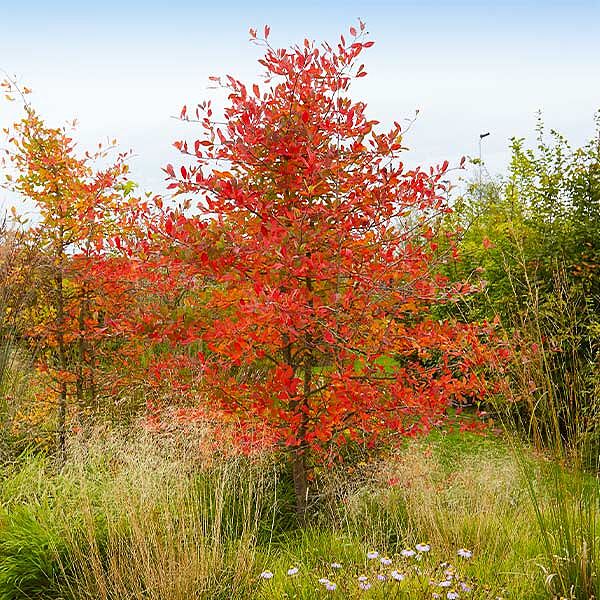
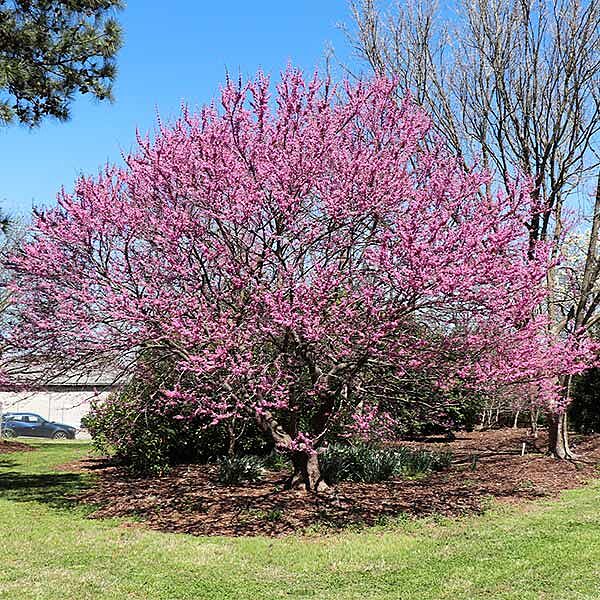
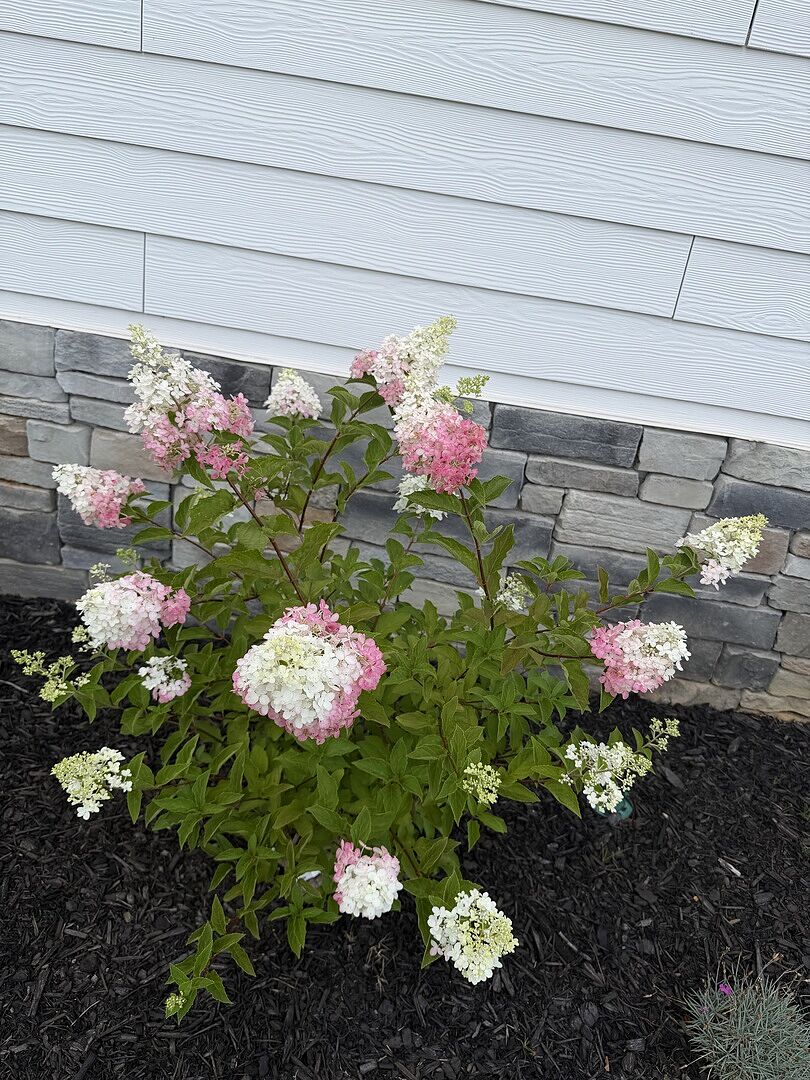
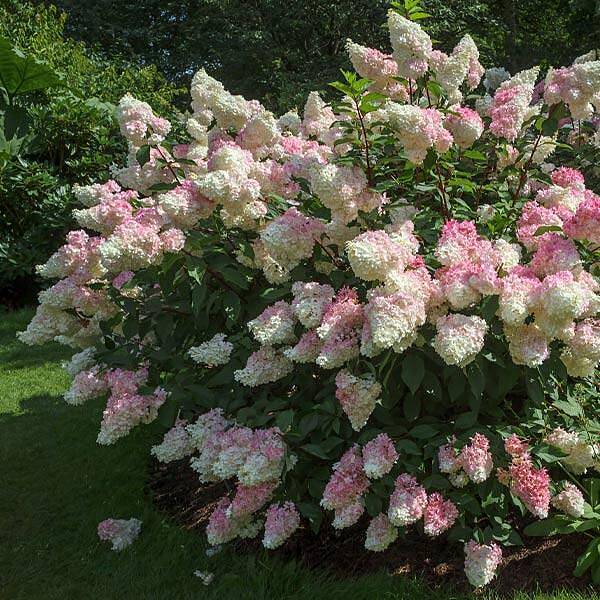
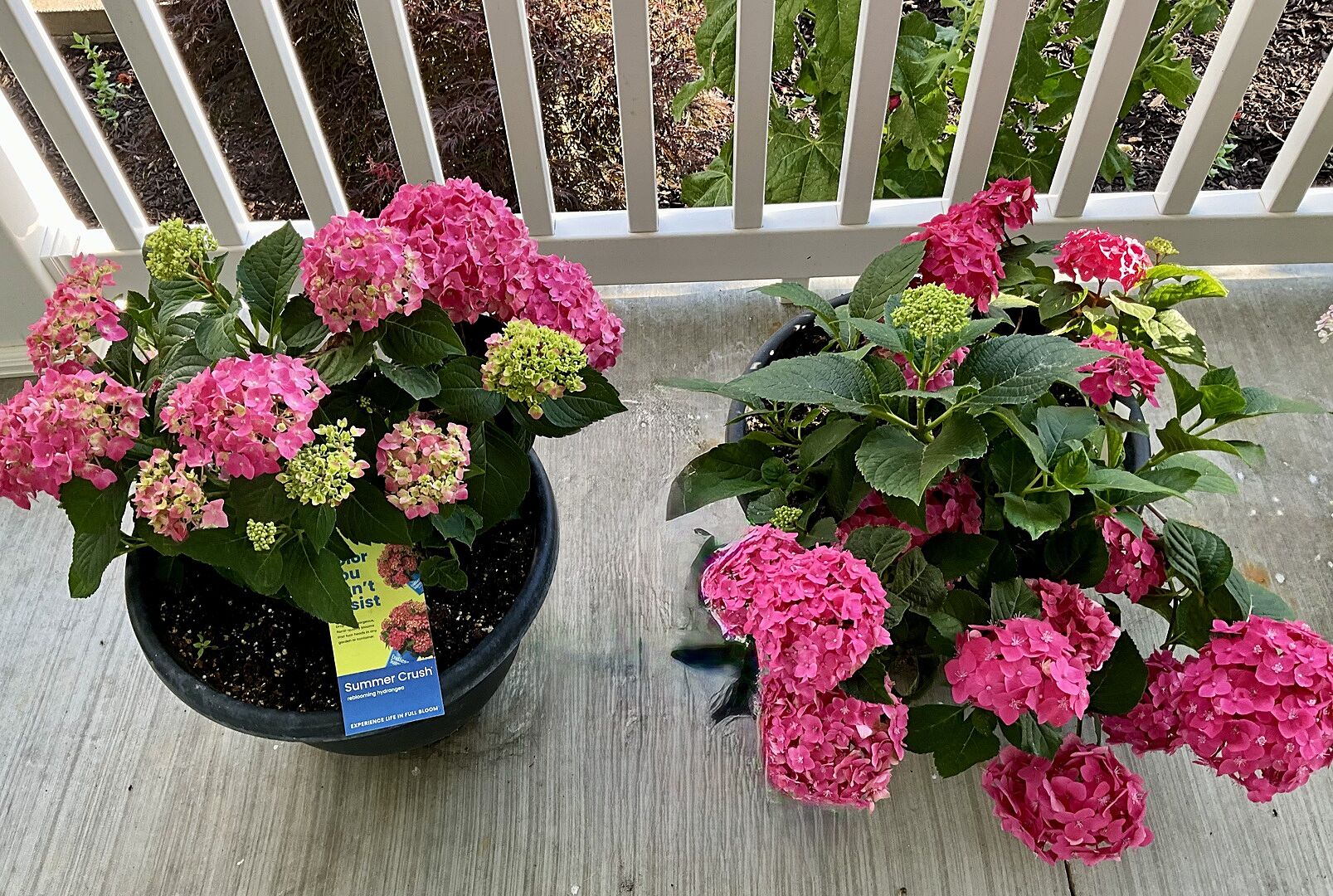
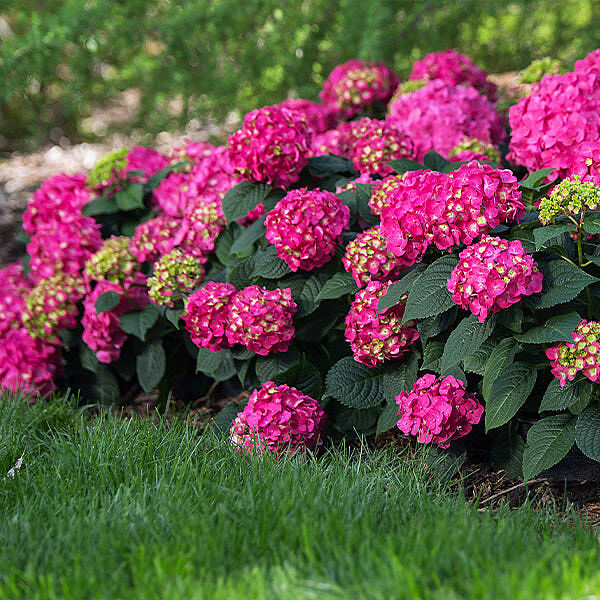
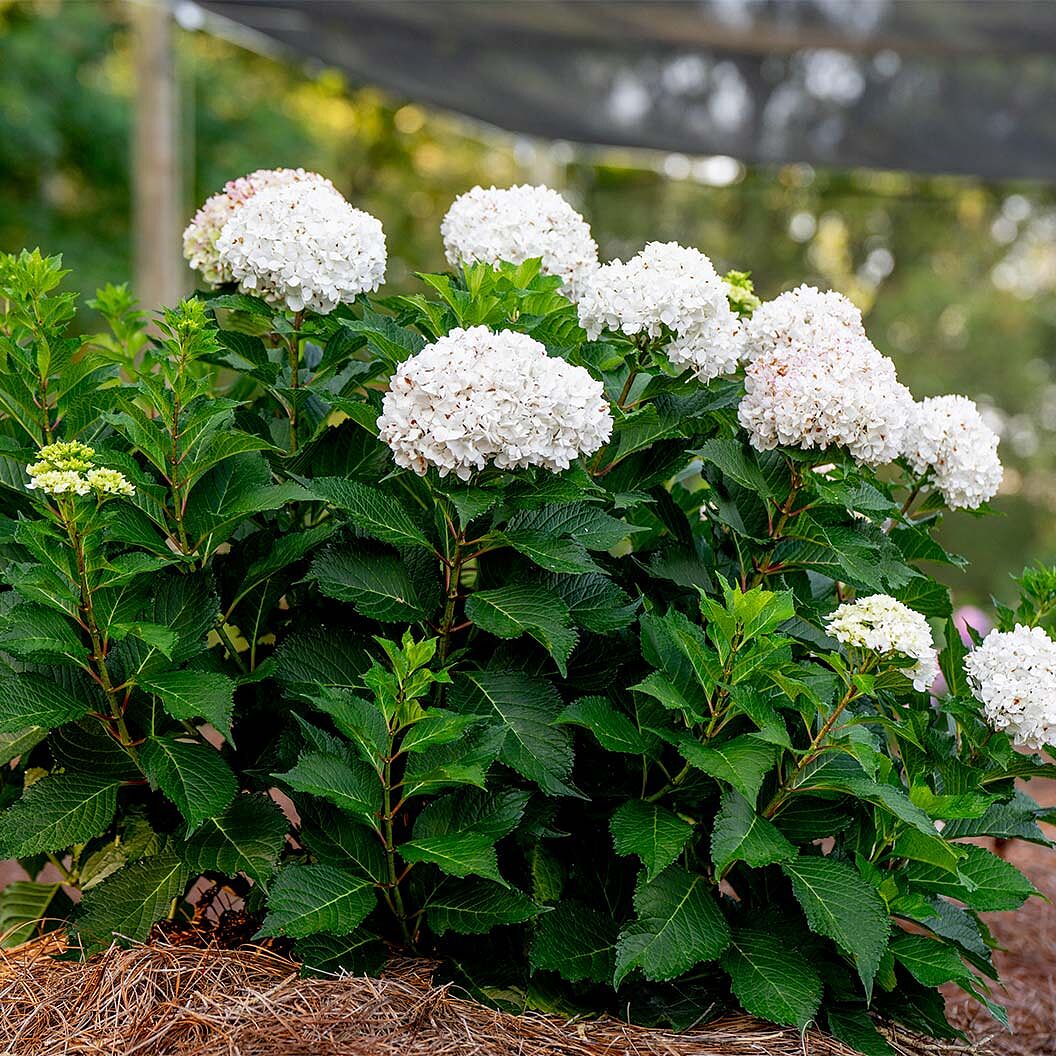
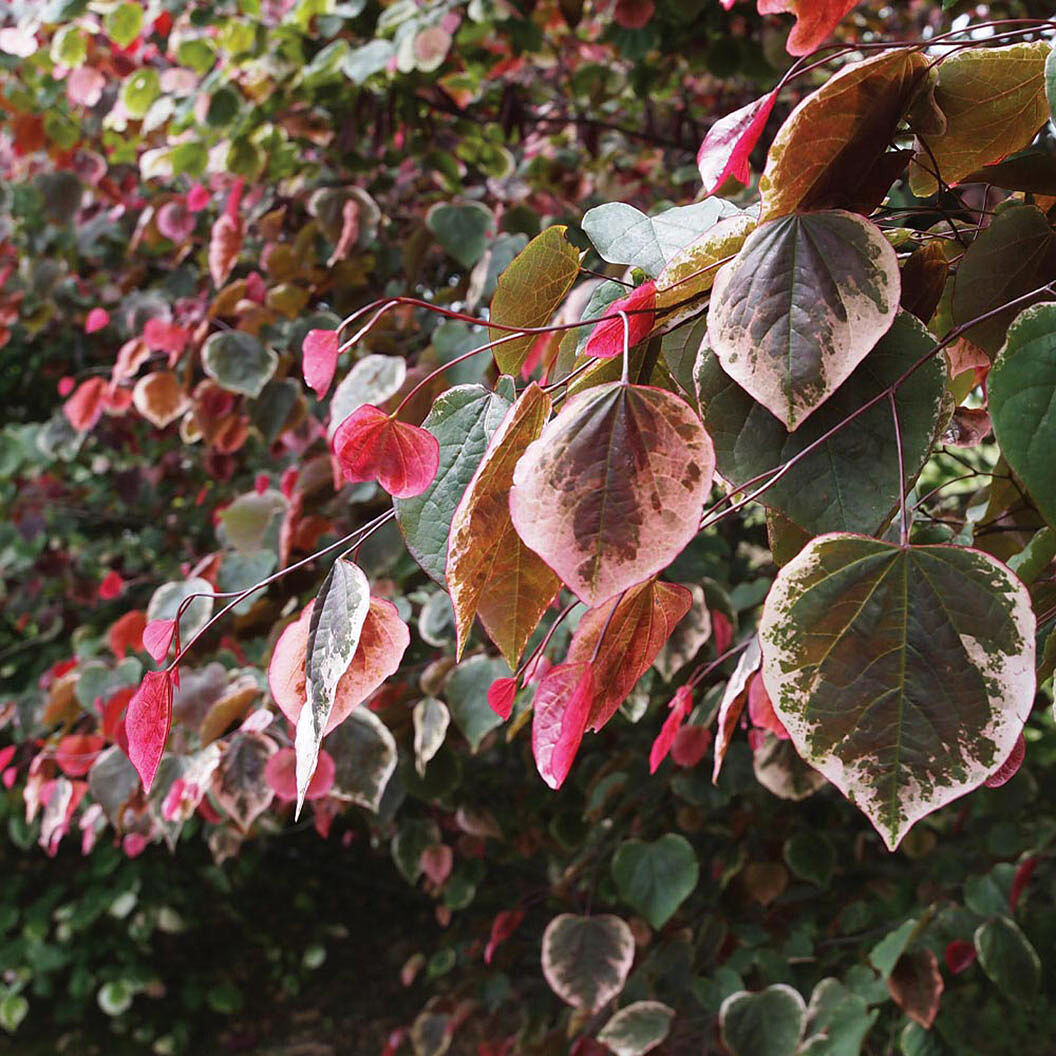
Varieties such as hydrangeas, dogwood trees and redbud trees often appreciate protection from intense afternoon sun in warmer climates. If you're gardening in a hot region, morning sun and afternoon shade can help reduce stress.
Drought-Tolerant Doesn't Mean Drought-Proof
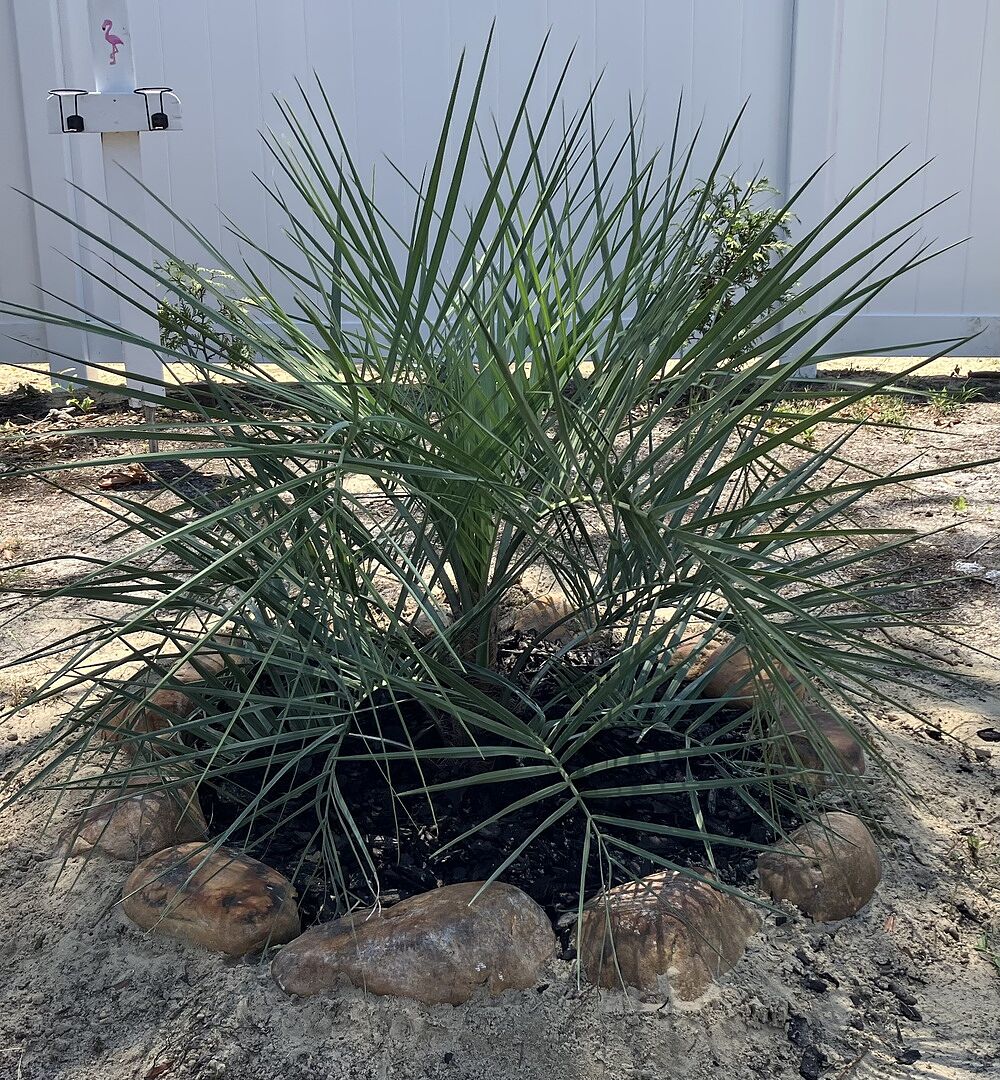
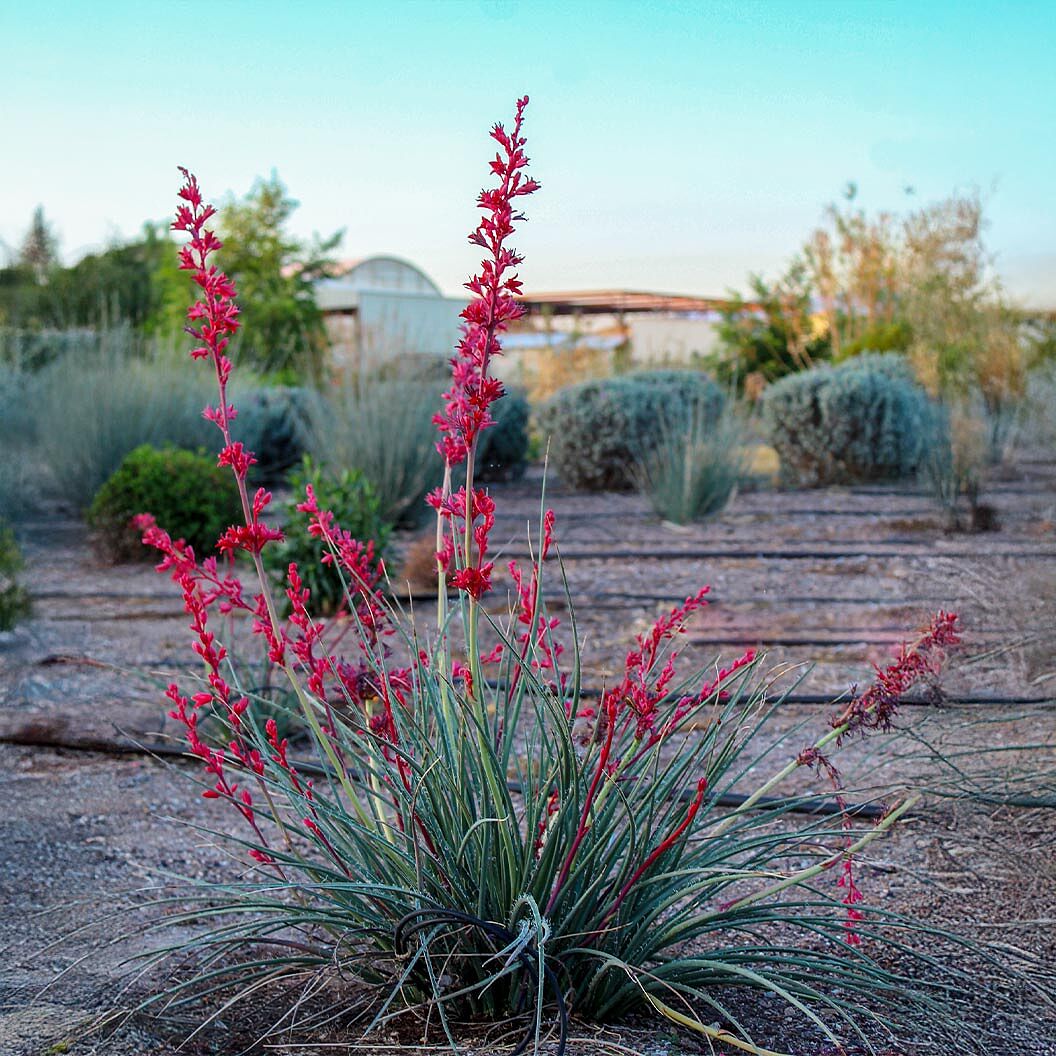
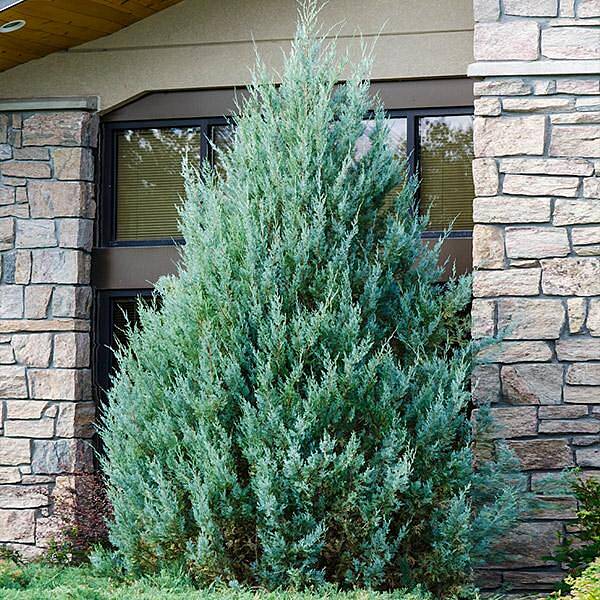
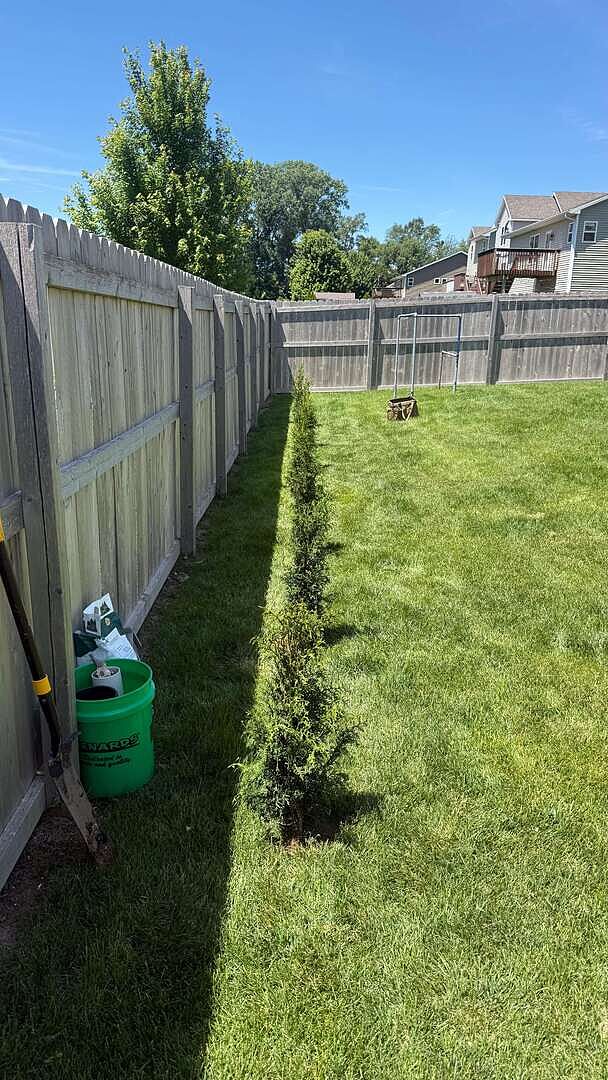
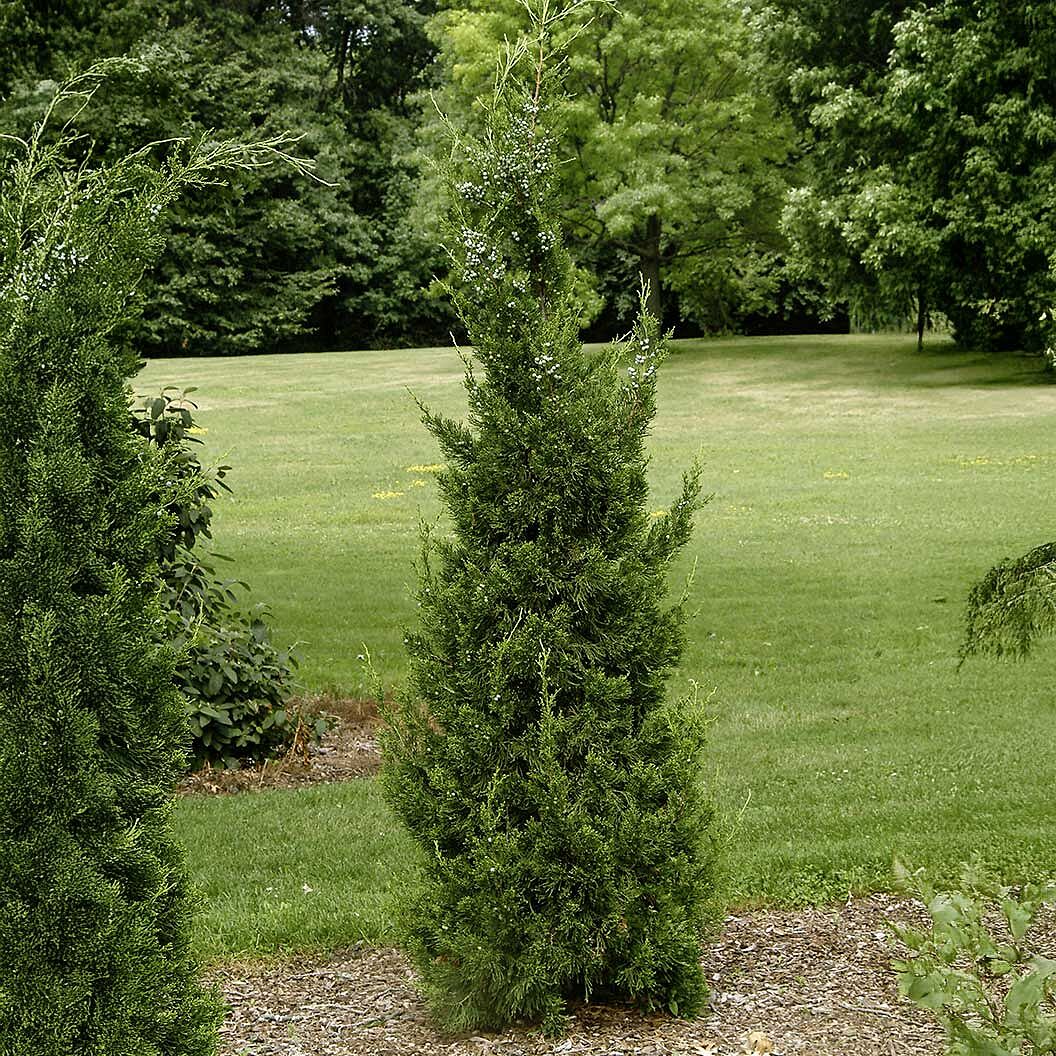
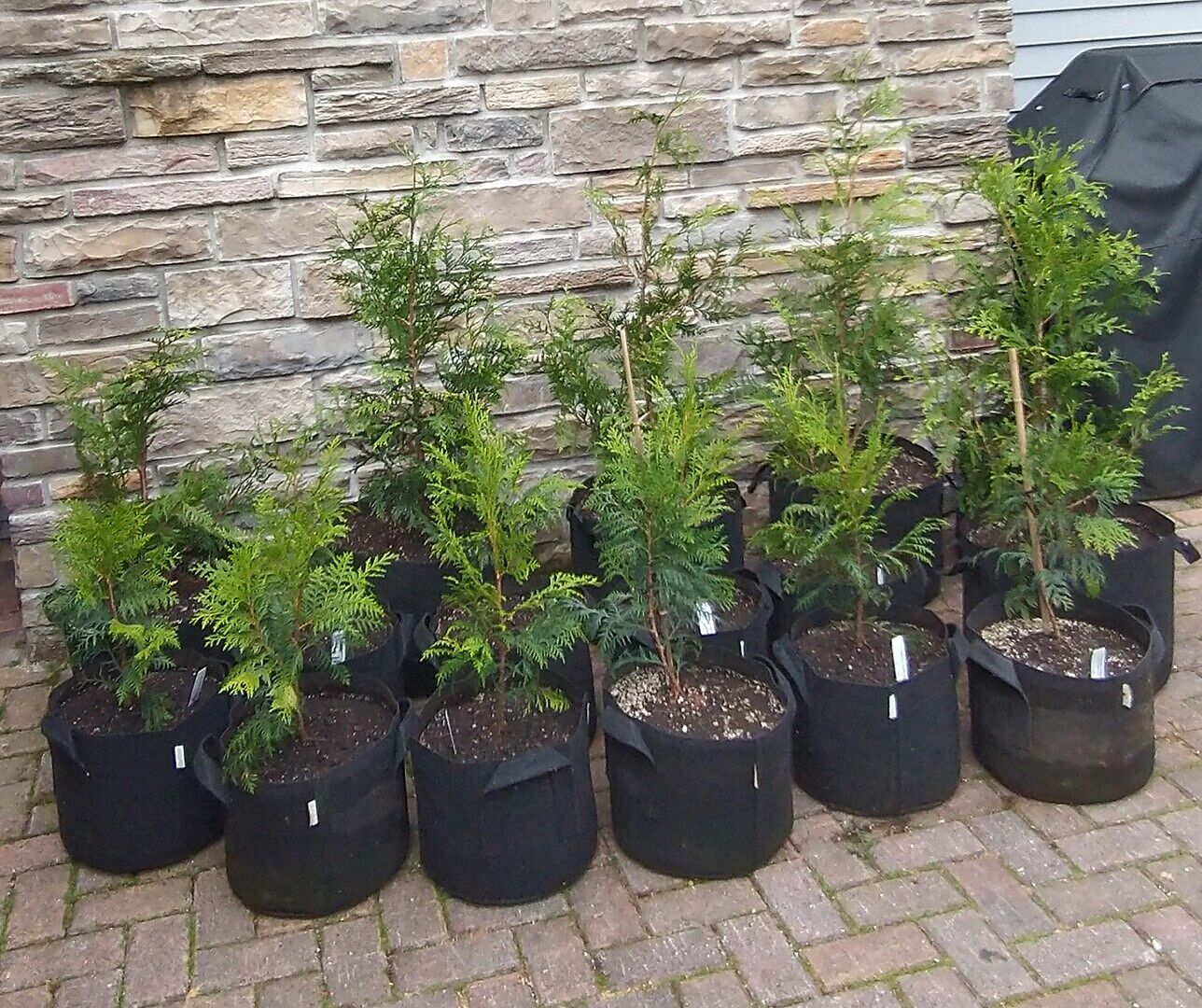
Plants such as cypress and many ornamental grasses may become drought tolerant once established. However, newly planted specimens still require regular watering while roots develop.
Avoid Overwatering Delicate Varieties
More delicate plants like many perennials and strawberries, as well as avocado trees, can be sensitive to constantly wet soil. Always check soil moisture before watering.
Caring for Burlap & Pot-Sock Fruit Trees
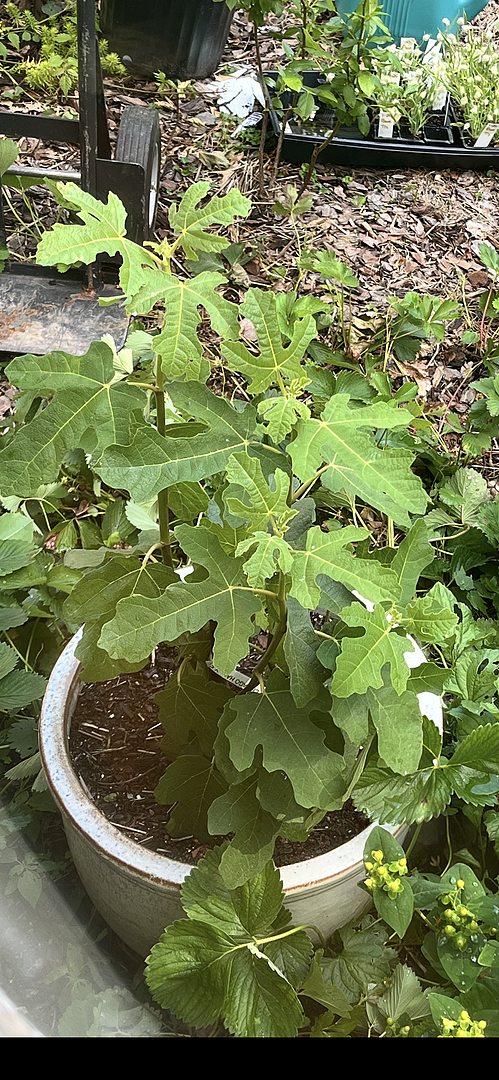
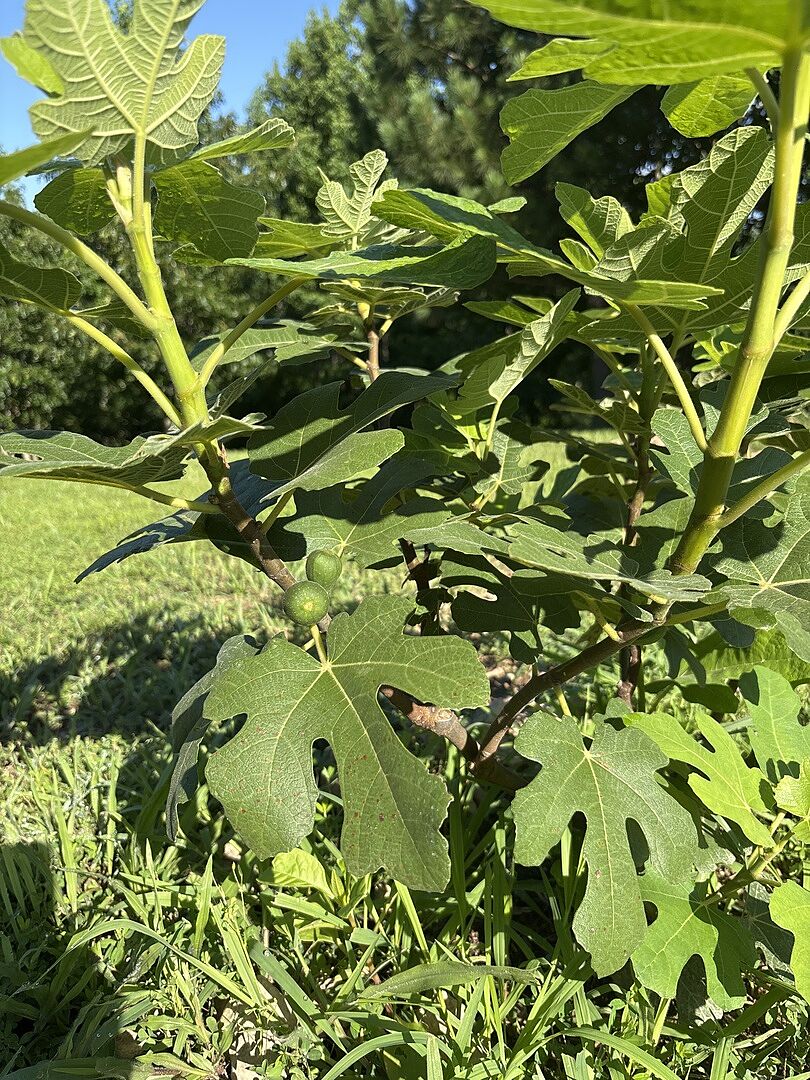
Some fruit trees may arrive in burlap bags or pot-sock packaging and may have less established root systems than container-grown plants. These trees often benefit from closer monitoring and consistent watering while roots establish.
Frequently Asked Questions
My plant arrived wilted. Is it dying?
Not necessarily. Shipping is stressful for plants— limited airflow, no water, and being jostled around. Unbox right away, water if the soil is dry, and give it a few days. Most plants bounce back quickly once they're in the ground and getting regular care.
My leaves are turning yellow. Should I be concerned?
Yellowing during establishment, especially in summer heat, is pretty common and usually temporary. Keep up with watering, check that you're not overdoing it, and look for healthy new growth as the real indicator of how your plant is doing.
How often should I water?
There's no single right answer, because it depends on your weather, your soil, and the size of your plant. What works better than a schedule: check the soil moisture regularly and water deeply when the top few inches are dry. That'll serve you better than watering every X days regardless of conditions.
My plant is drought tolerant. Does it still need water?
Yes, at least for now. Drought tolerance kicks in after a plant is established. Until then, consistent moisture is still important while the roots are developing.
Is leaf spotting normal?
Some spotting can occur due to stress, humidity or fungal pressure during summer. Minor cosmetic spotting is often not a sign of long-term problems. Focus on overall plant health and new growth.
How long does establishment take?
Many perennials establish within a season, while trees and shrubs can take multiple growing seasons to fully establish.
Consistent watering and proper care during this period can significantly improve long-term performance.
What is the best sign that my plant is healthy?
Healthy new growth. New leaves, buds and shoots are often the clearest indication that a plant is successfully establishing and adapting to its environment.
Still have questions?
Our Plant Experts are always here to help. Reach out to our team for personalized guidance on planting, watering and caring for your new plants.