Planting & Care Guide: Herbs

Herbs are one of the easiest and most rewarding plants to grow. Whether you're snipping fresh basil for dinner, adding mint to iced tea, or harvesting parsley for garnish, herbs bring flavor, fragrance, and everyday enjoyment to your garden.
The best part is that herbs don’t require complicated care. With the right sunlight, consistent watering, and well-draining soil, most herb plants establish quickly and produce throughout the season.
This guide covers how to plant and care for common herb varieties, including:
When Your Herb Plants Arrive
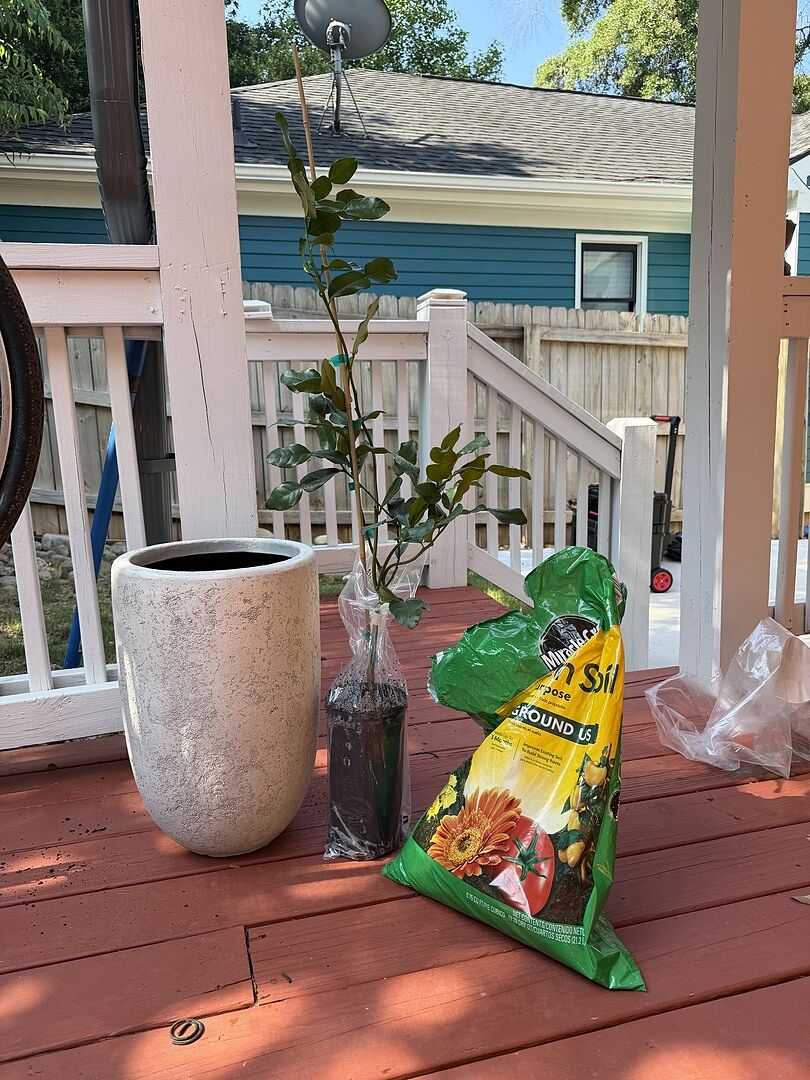
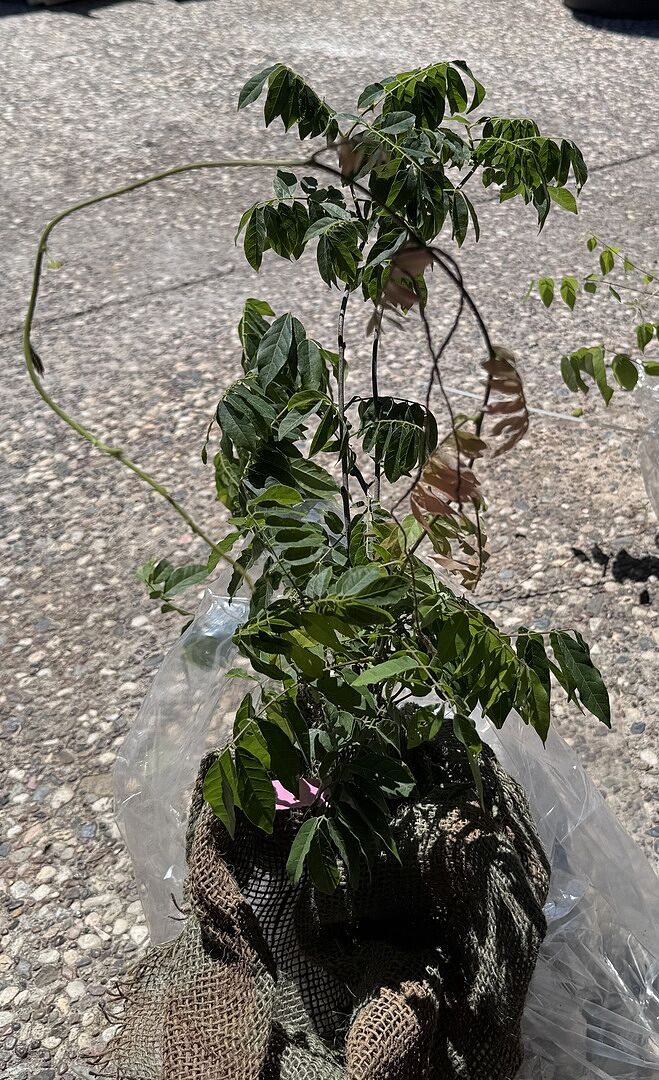
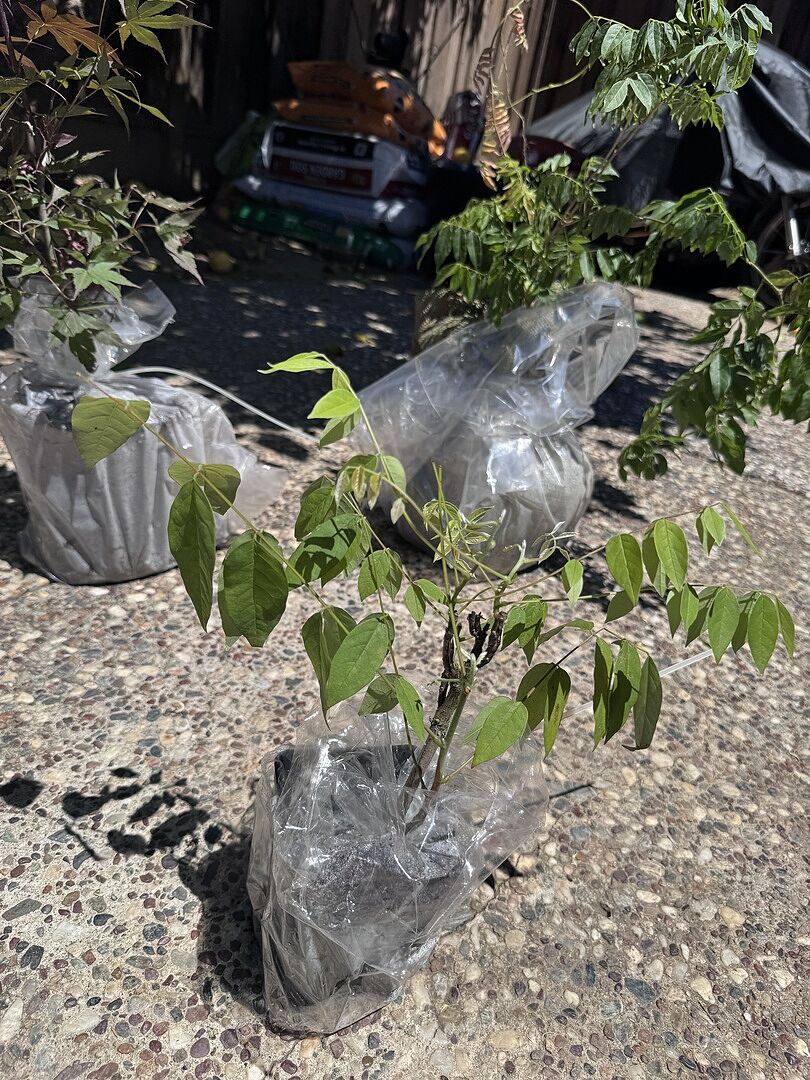
When your plants arrive, unpack them as soon as possible and check the soil moisture.
Some movement during transit is normal. If the soil feels dry, give the plants a light watering and place them in a sunny location until you’re ready to plant.
If outdoor conditions are significantly different from where the plants were grown, allow them to adjust gradually by placing them outside for a few hours each day before planting.
This simple step helps your herbs transition smoothly to their new environment.
Before You Plant
Most herbs grow best in full sun and well-draining soil.
Choose a location that receives at least 6 hours of sunlight each day. Herbs like basil, oregano, thyme, and lemongrass prefer full sun, while parsley, cilantro, and mint can tolerate partial shade.
Herbs prefer soil that drains easily. If your soil is heavy or compacted, mixing in compost or organic matter can improve drainage and support healthy growth.
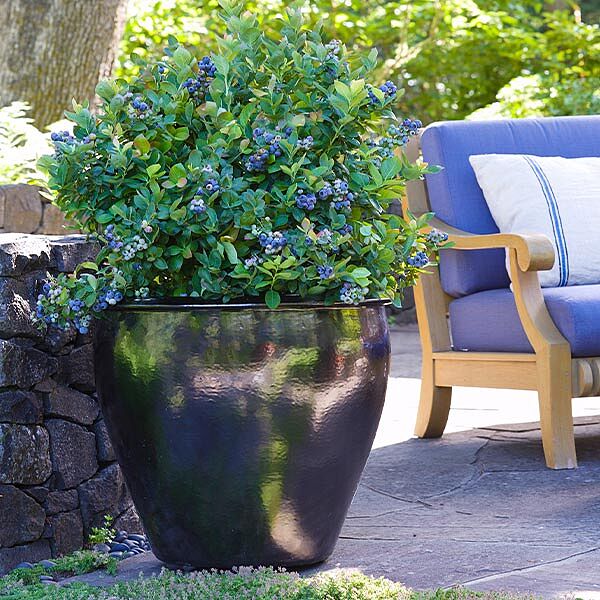
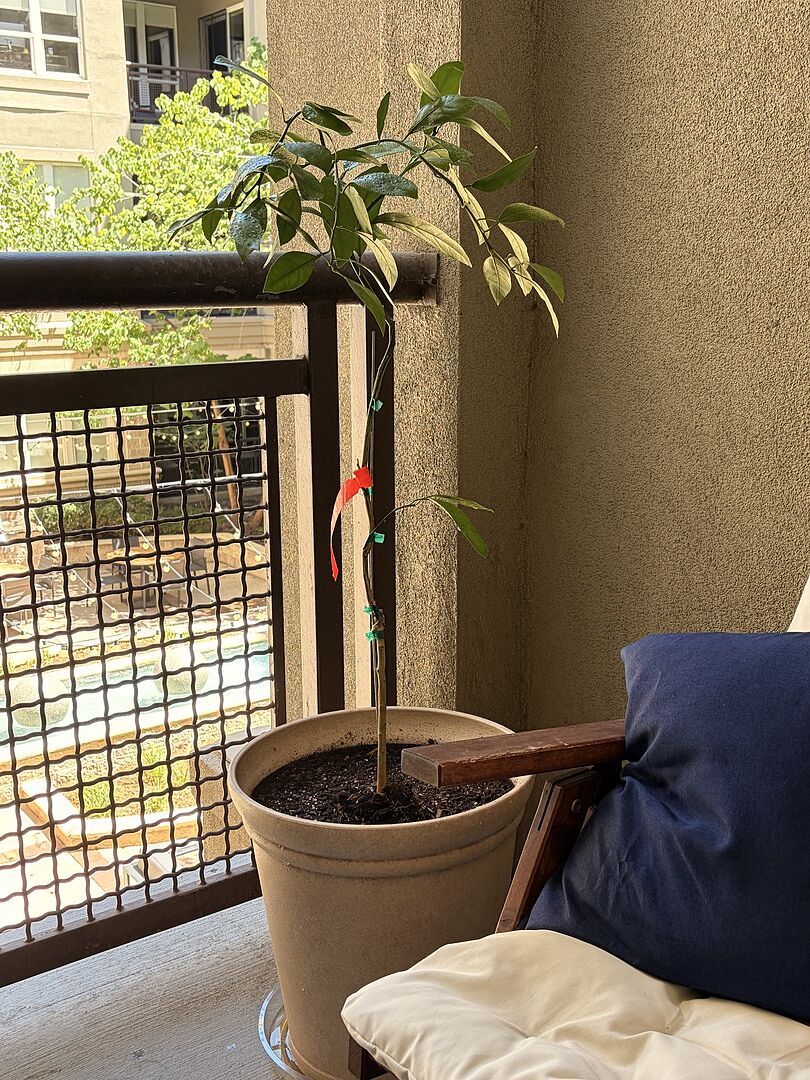
Herbs also grow well in containers, making them a great option for patios, balconies, or small garden spaces.
Planting in the Ground
To plant herbs in garden beds or landscape soil:
-
Dig a hole about twice as wide as the root ball and roughly the same depth.
-
Remove the plant from its container and gently loosen the roots if they appear tightly packed.
-
Place the plant in the hole so the top of the root ball sits level with the surrounding soil.
-
Backfill with soil and lightly press to remove air pockets.
-
Water thoroughly after planting.
Spacing recommendations vary slightly by herb, but most perform well when planted 12–18 inches apart.
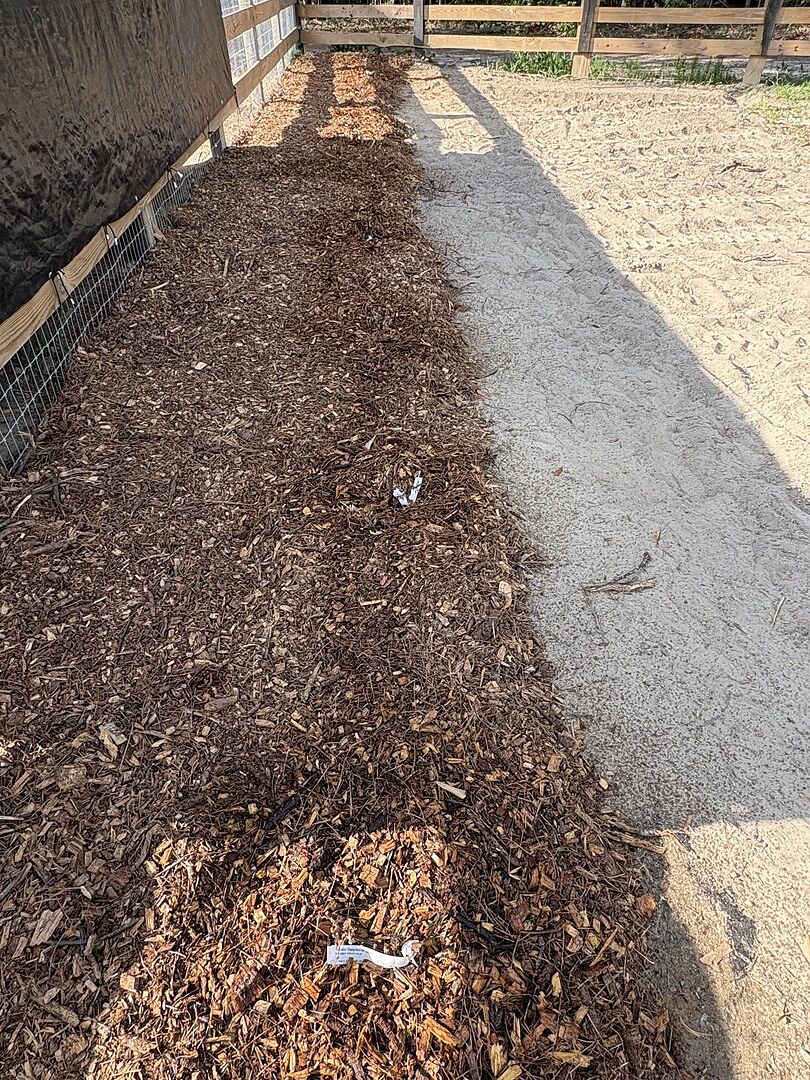
A layer of mulch around the base of plants can help retain moisture and keep soil temperatures stable.
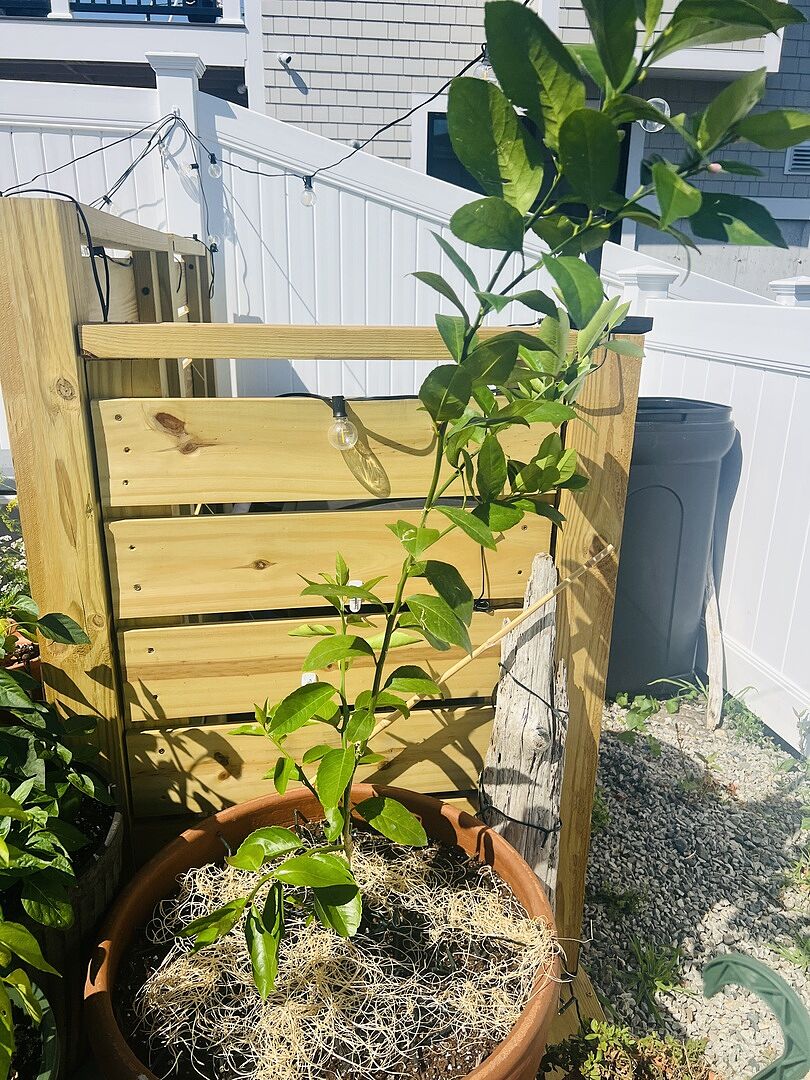
Planting in Containers
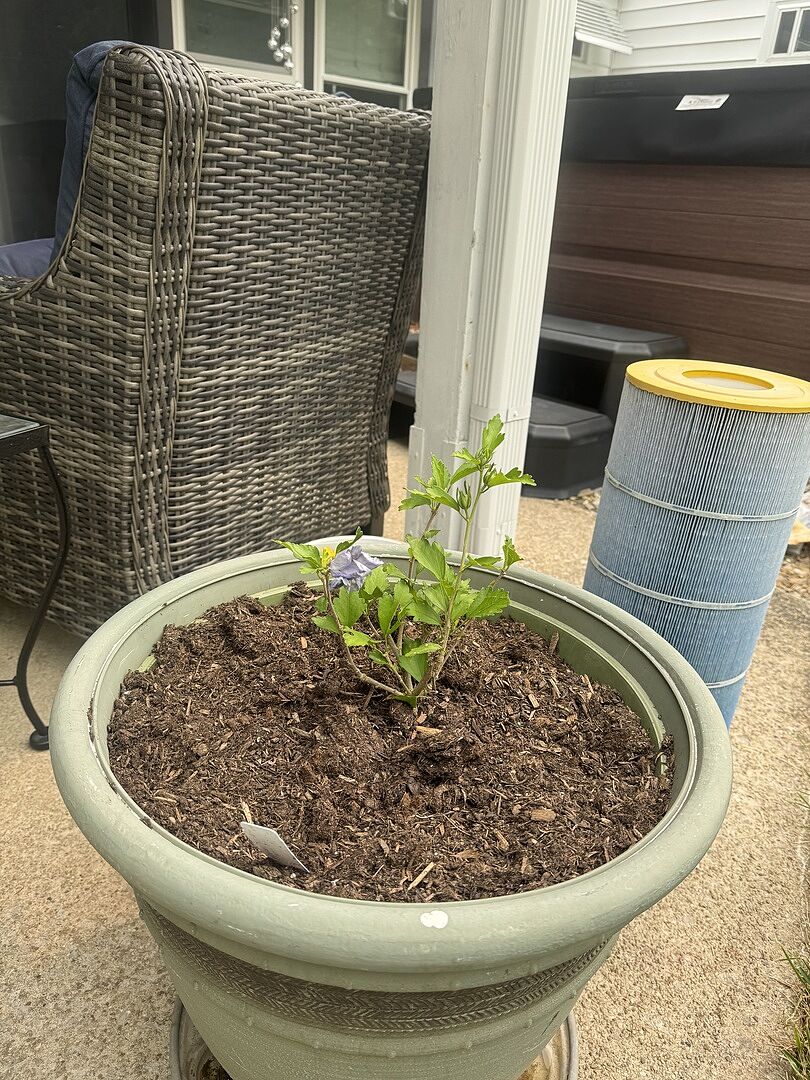
Herbs are especially well suited for container growing.
Choose containers with drainage holes and use a high-quality potting mix designed for vegetables or herbs.
Recommended container sizes:
-
Basil, parsley, cilantro, oregano, thyme:: 1–2 gallon containers
-
Mint: 2–3 gallon container
-
Lemongrass and dwarf cardamom: larger containers for best growth
Place containers in a location that receives plenty of sunlight and water thoroughly after planting.
Watering
Herbs prefer moderate and consistent watering, but they generally don’t like overly wet soil.
After planting, follow this general watering schedule:
- Week 1: Water daily while plants establish.
- Weeks 2–3: Water every other day.
After establishment: Water 1–2 times per week, depending on weather.
Container herbs may require more frequent watering since soil dries faster in pots.
Watering in the morning allows moisture to reach the roots while helping leaves dry during the day.
Fertilizing
Most herbs require only light fertilization.
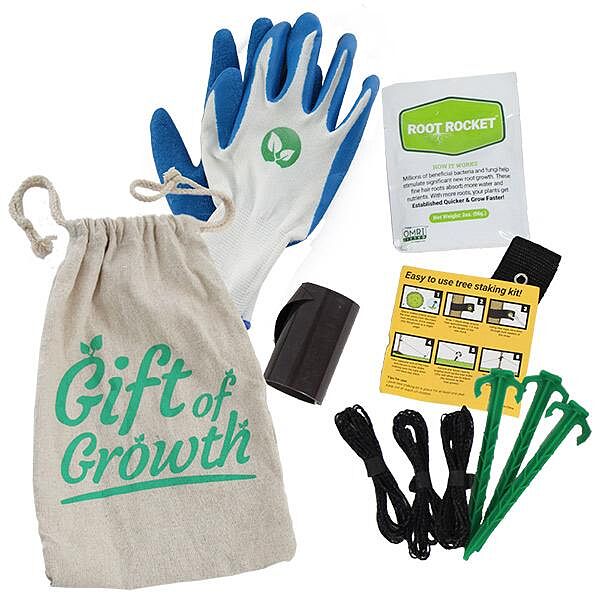
At planting time, applying a balanced fertilizer or root stimulator can help plants establish healthy roots.
After that, herbs typically need only occasional feeding during the growing season.
Over-fertilizing herbs can actually reduce their flavor, so lighter feeding is often best.
For more guidance, see our Plant Fertilizer Guide.
Variety-Specific Care Tips
While herbs share similar growing needs, a few small differences can help each variety perform its best.
Basil
Basil grows best in warm weather and full sun.
Regular harvesting helps keep plants bushy and prevents early flowering. If flower buds appear, trimming them can help extend the harvest.
Mint
Mint is vigorous and spreads easily, which is why it’s often grown in containers.
It tolerates partial shade and prefers consistently moist soil.
Oregano and Thyme
These herbs prefer well-draining soil and plenty of sunlight.
They tend to thrive with minimal watering once established and prefer slightly drier soil compared to many other herbs.
Parsley and Cilantro
Both herbs grow well in sun to partial shade and prefer consistently moist soil.
Cilantro tends to grow best in cooler weather and may bolt quickly during extreme heat.
Lemongrass
Lemongrass prefers full sun, warmth, and regular watering.
In cooler climates, it’s often grown in containers so it can be moved indoors if needed.
Dwarf Cardamom
Cardamom prefers warm temperatures and filtered sunlight.
It grows best in rich, well-draining soil and appreciates consistent watering.
Pest & Disease Troubleshooting
Herbs are generally resilient plants, but occasional pests or environmental stress can occur.
Aphids
Small insects that cluster on stems or leaf undersides.
Solution: Spray plants with water or apply insecticidal soap.
Spider Mites
Tiny pests that can appear in hot, dry conditions.
Solution: Increase humidity and rinse leaves with water.
Yellowing Leaves
Often caused by overwatering or poor drainage.
Solution: Allow soil to dry slightly between watering and ensure containers drain well.
Powdery Mildew
A white powdery coating that sometimes appears in humid conditions.
Solution: Improve airflow and avoid watering leaves late in the evening.
Harvesting
Regular harvesting keeps herb plants productive and encourages fuller growth but be careful not to cut the entire plant back. A good rule of thumb: cut 1/3 of your harvest at a time.
For leafy herbs like basil, parsley, and cilantro, trim stems just above a leaf node to encourage new growth.
For woody herbs like thyme and oregano, snip small sprigs as needed.
Frequent harvesting helps maintain plant health and ensures a steady supply of fresh herbs throughout the season.
Seasonal Care
Most herbs grow best during warm months.
Plant after the risk of frost has passed and temperatures are consistently warm.
Throughout the growing season:
-
Harvest regularly
-
Water consistently
-
Trim plants occasionally to encourage new growth
Some herbs may continue producing into cooler weather depending on your climate.
Common Questions
How much sunlight do herbs need?
Most herbs grow best with 6 or more hours of direct sunlight per day.
Can herbs grow indoors?
Yes. Many herbs grow well indoors when placed near a bright window that receives plenty of sunlight.
Can herbs grow in containers?
Absolutely. Herbs are one of the best plants for container gardening and thrive on patios, balconies, and windowsills.
Why are my herbs flowering?
Flowering (called bolting) is natural and often triggered by warm temperatures. Regular harvesting can help delay this process for some herbs.
Grow with Confidence
Growing herbs is a simple way to bring fresh flavors and natural fragrance into your garden or kitchen.
With the right sunlight, steady watering, and occasional harvesting, your herbs will quickly settle in and begin producing.
Before long, you’ll have fresh herbs ready whenever you need them—right outside your door.