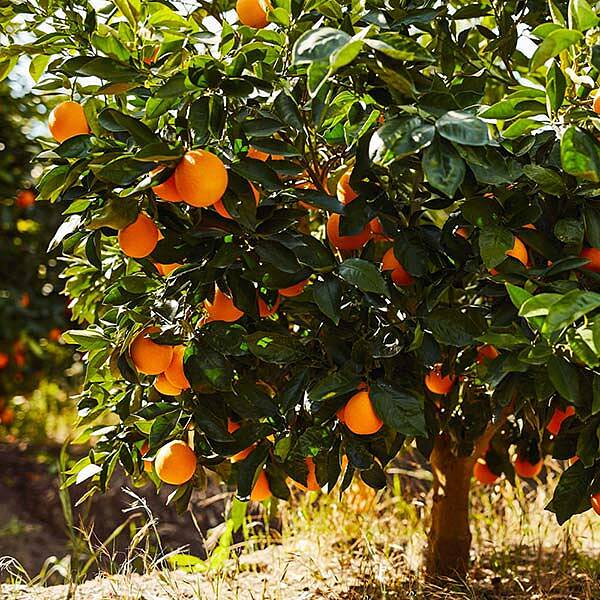
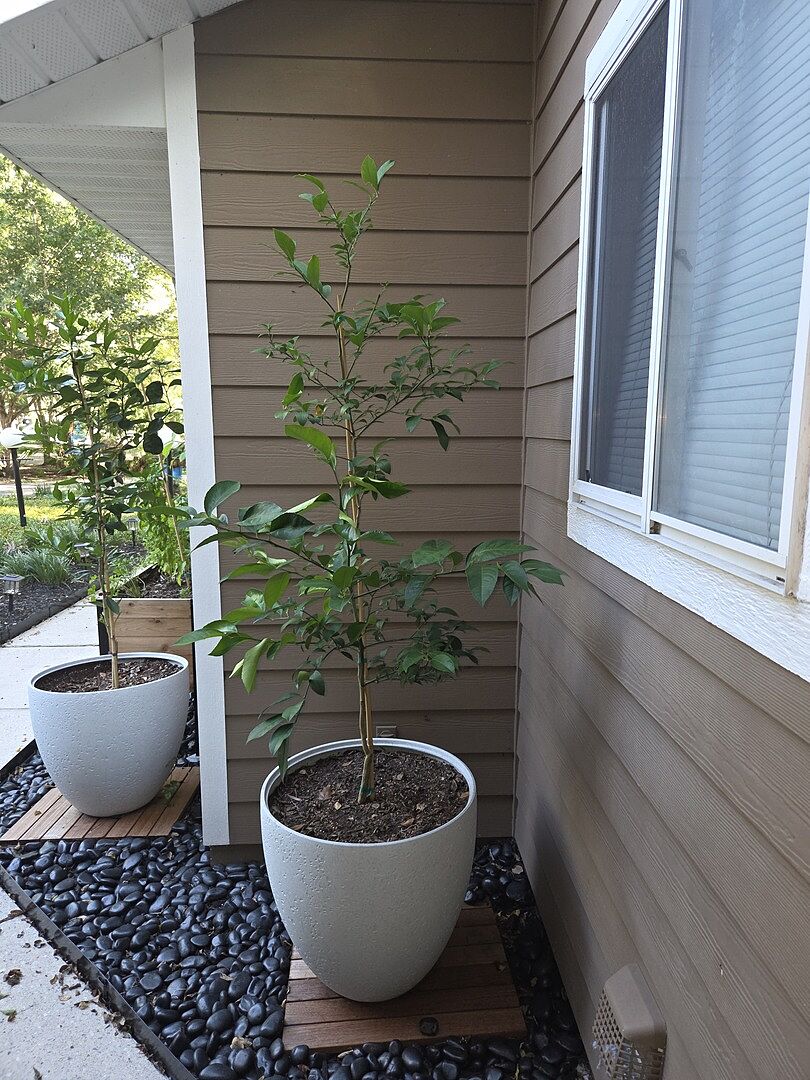
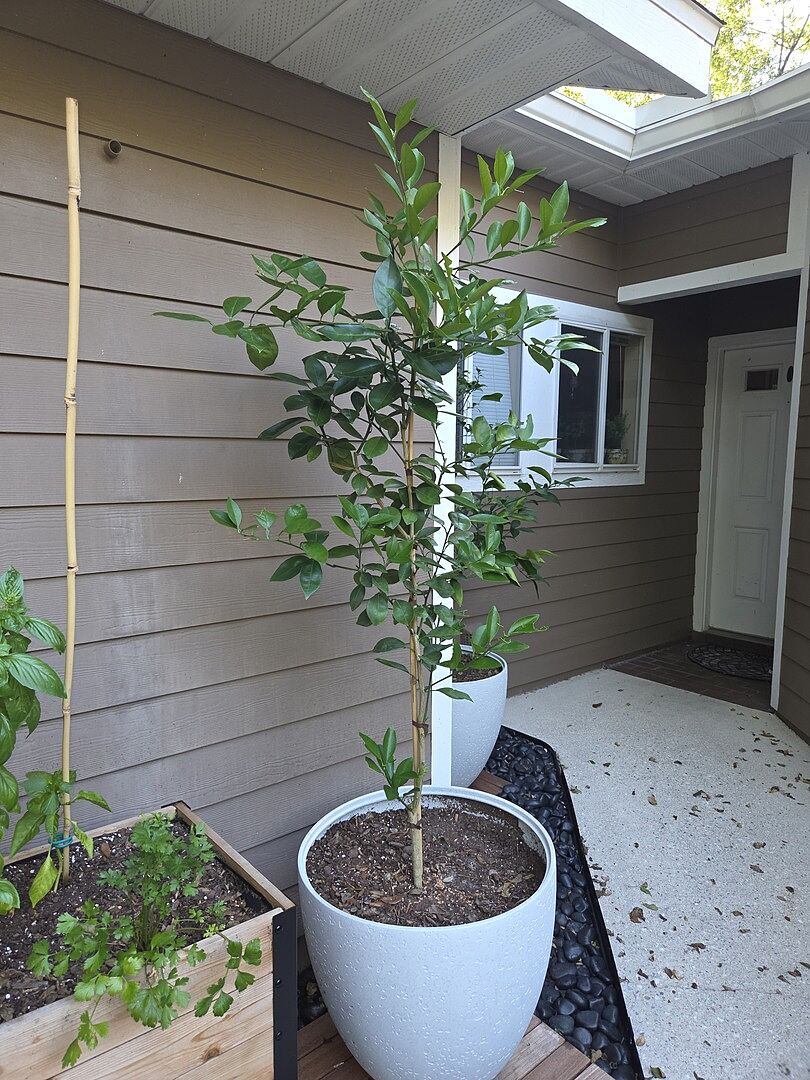
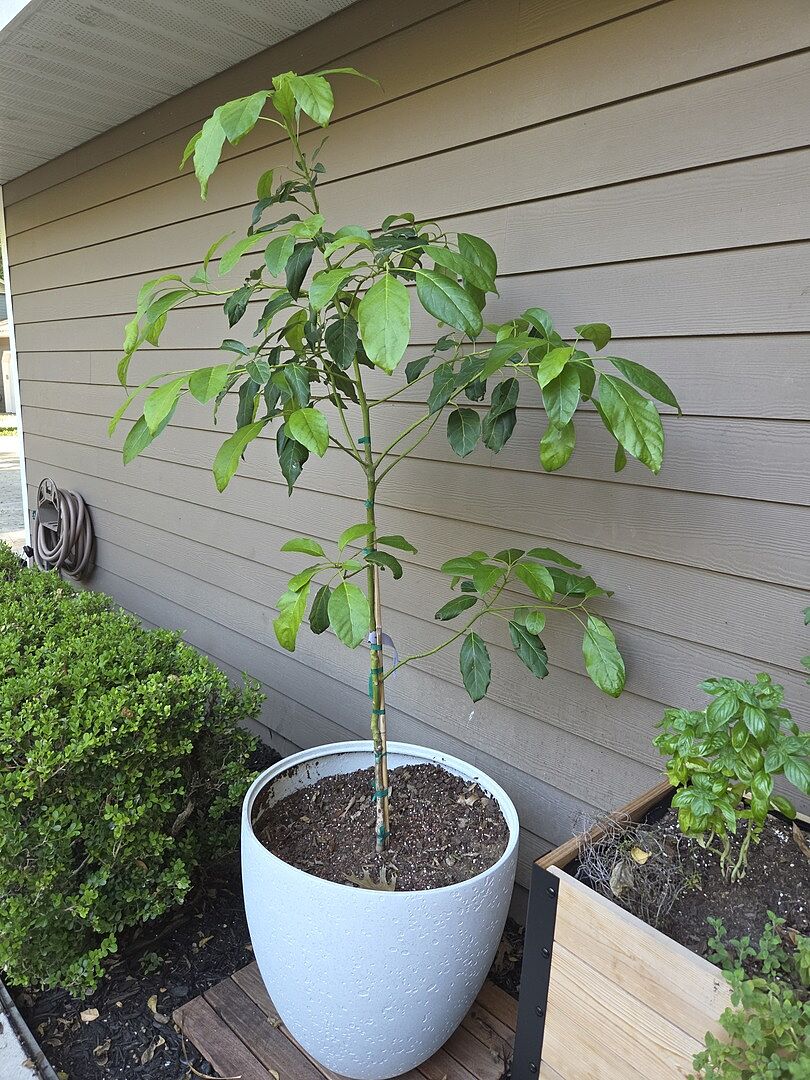
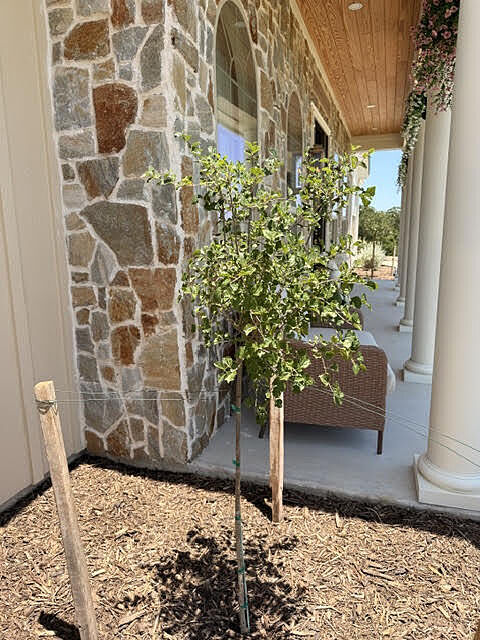
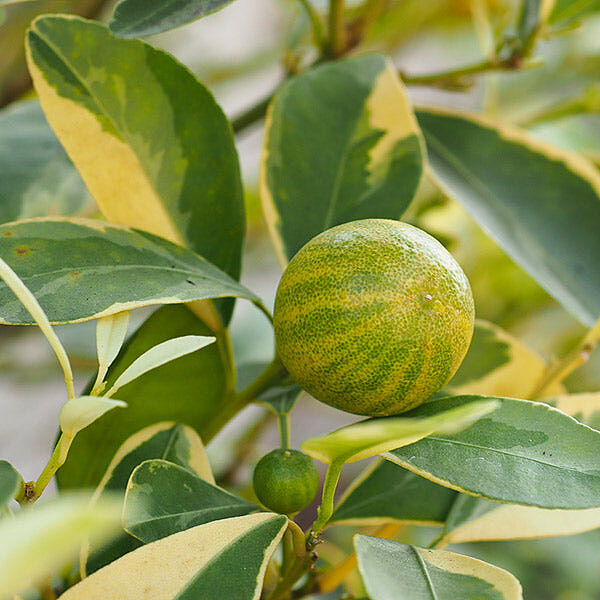
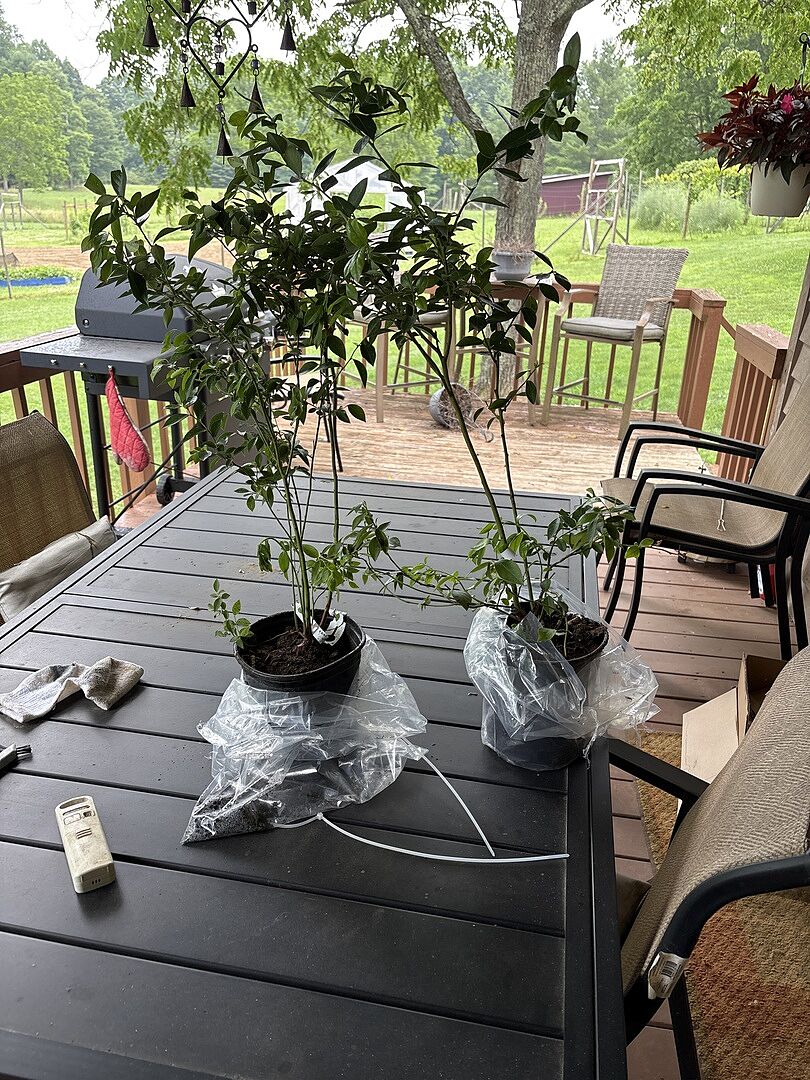
Location: Choose a sunny location to plant the Genoa lemon tree. Although the tree will survive and grow in partial shade, it will not produce as many fruits as a tree grown in full sun. Lemon trees tend to be less cold-hardy than other citrus varieties, so ideally you should plant the Genoa lemon tree on the south side of a home or structure. Planting the tree close to a building helps provide the tree with additional frost protection.
Planting Instructions: Plant the Genoa lemon tree in a location with well-draining soil. The tree will tolerate a wide range of soil conditions, but it prefers slightly acidic soil.
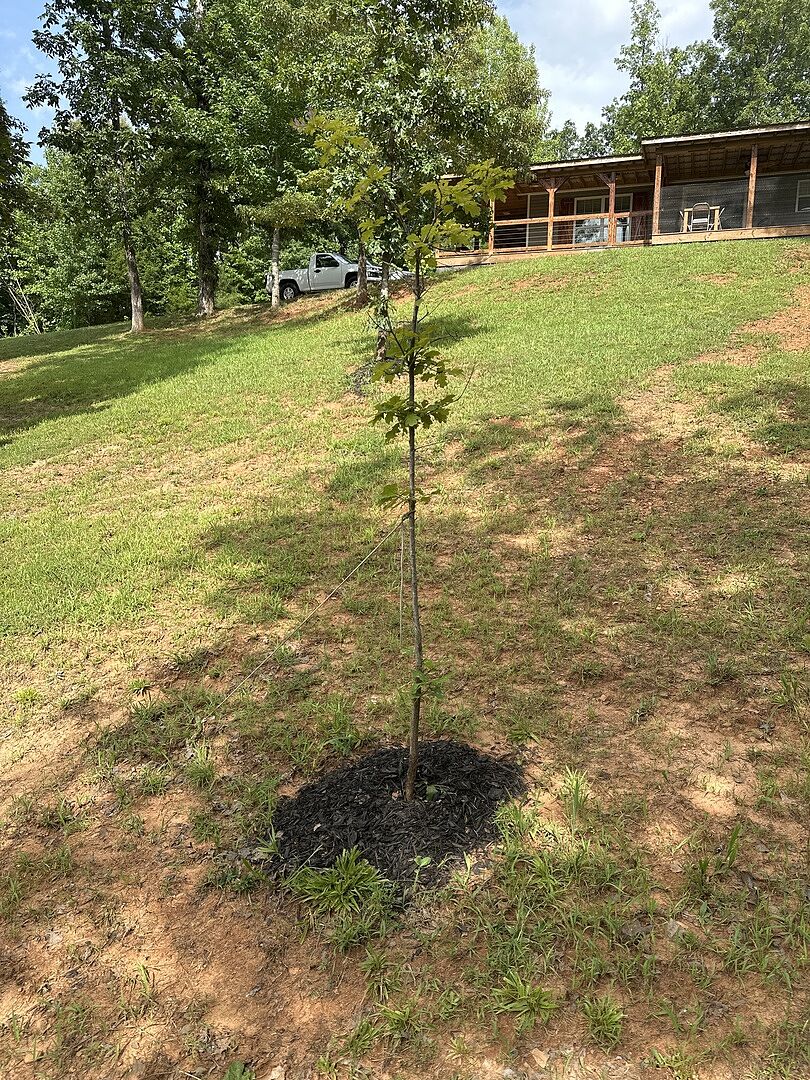
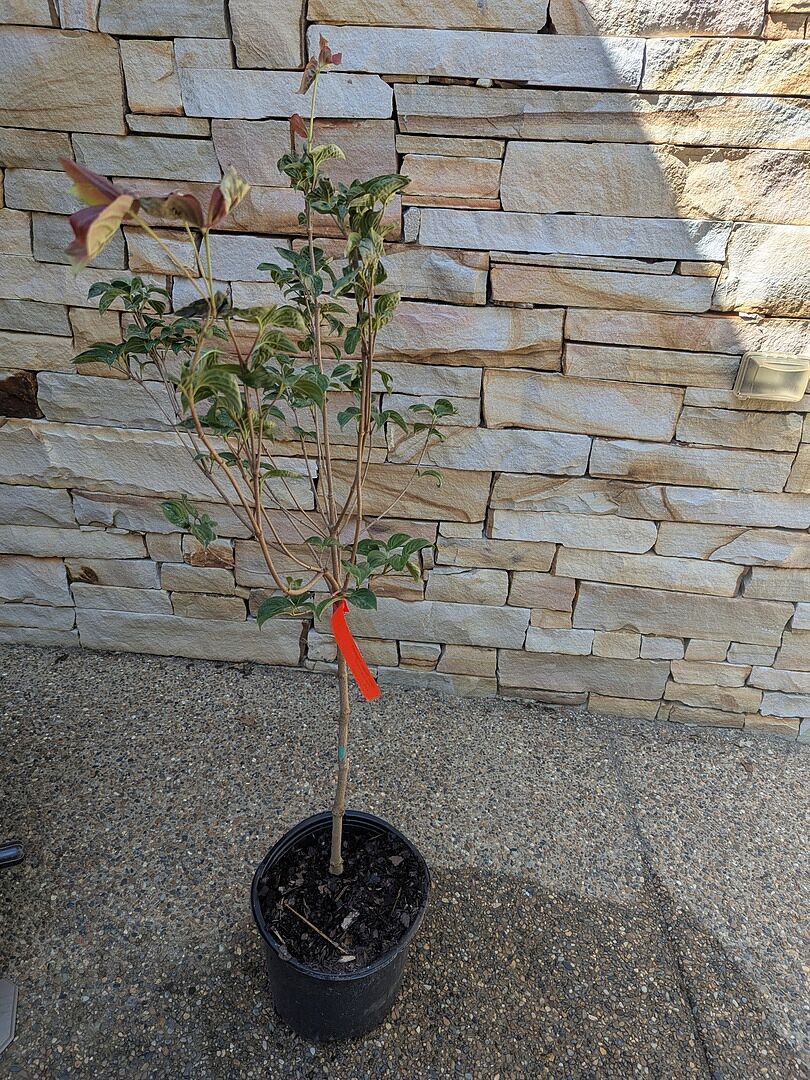
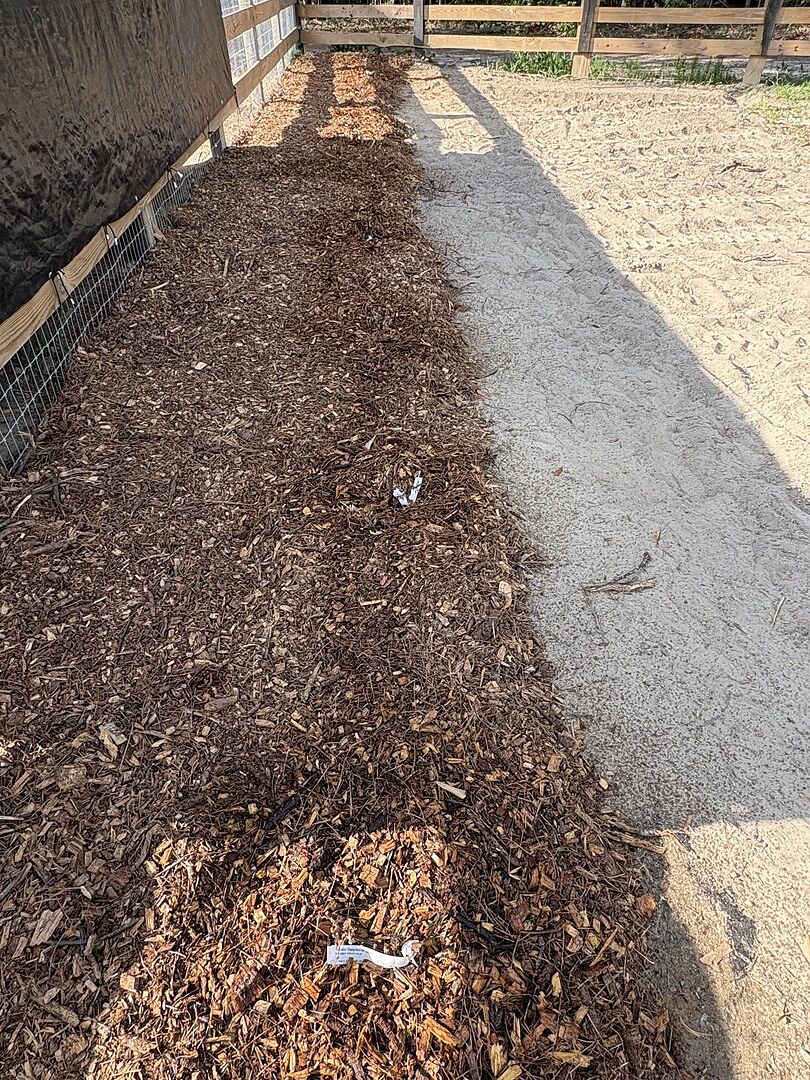
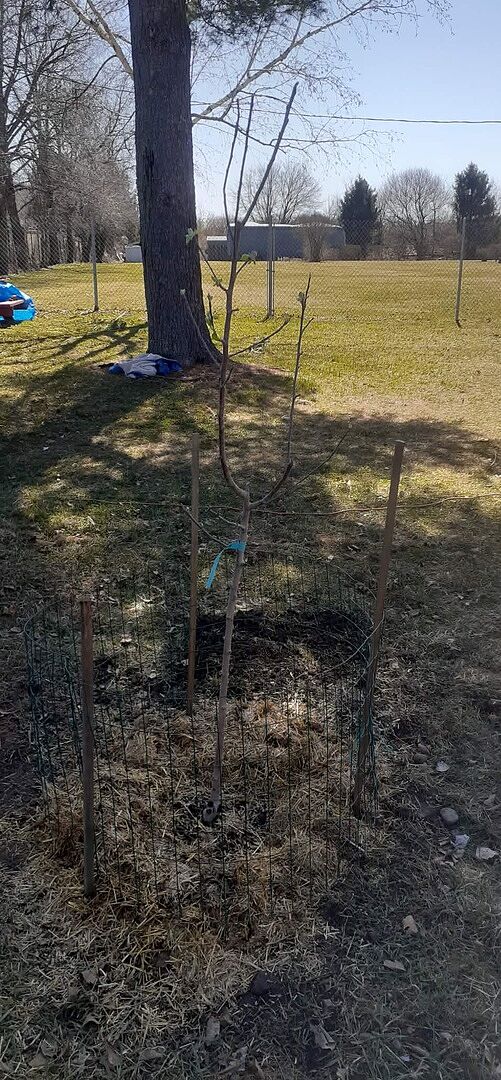
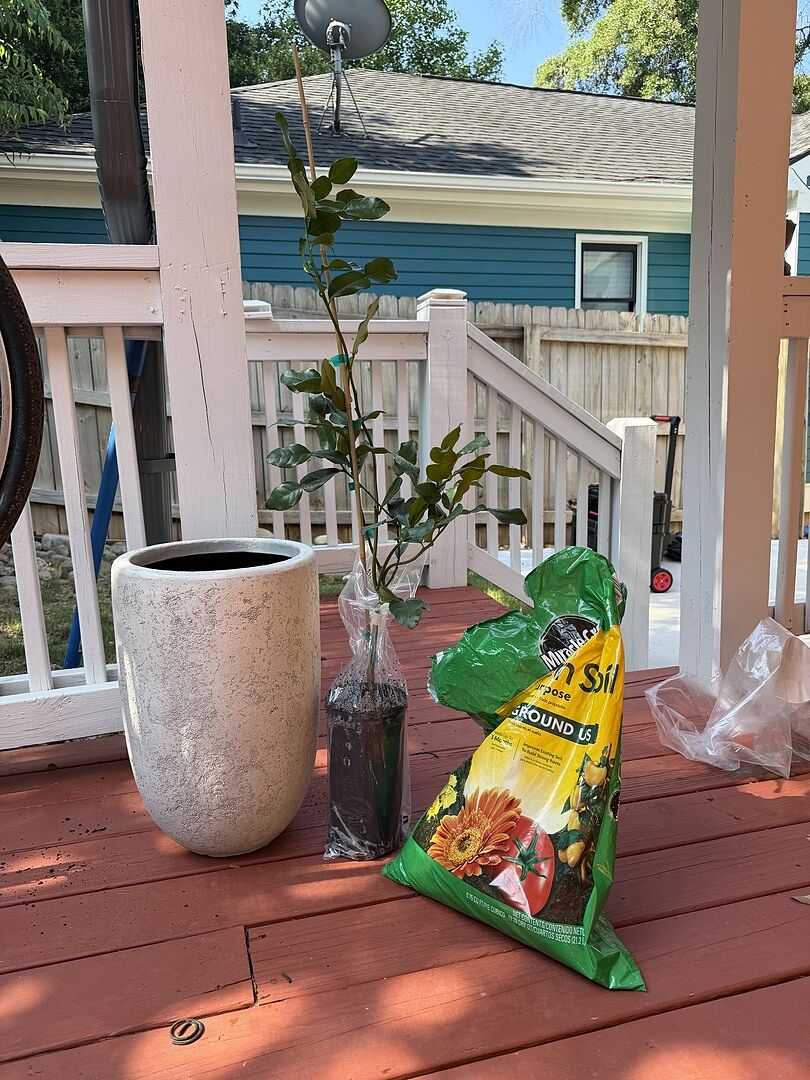
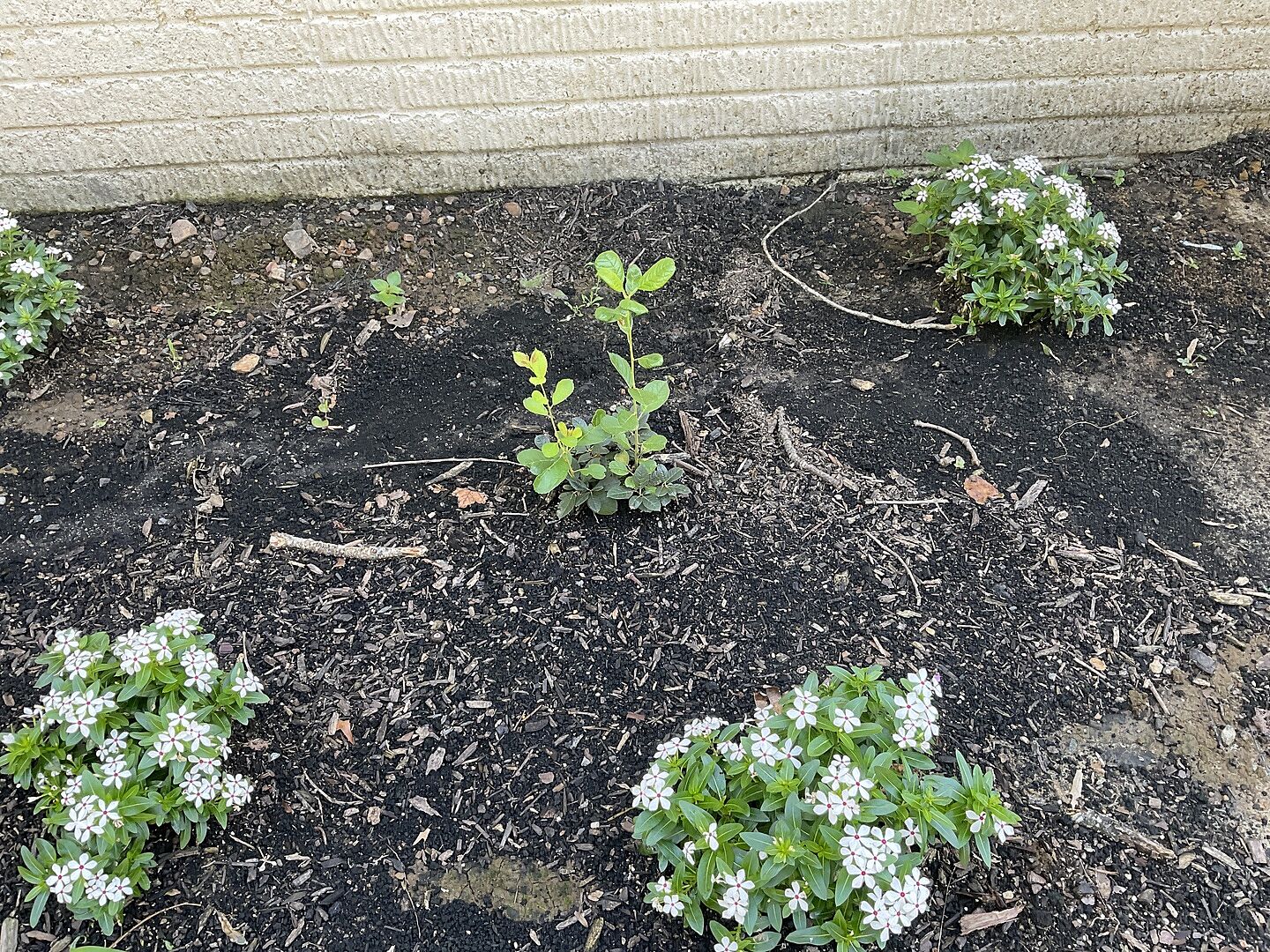
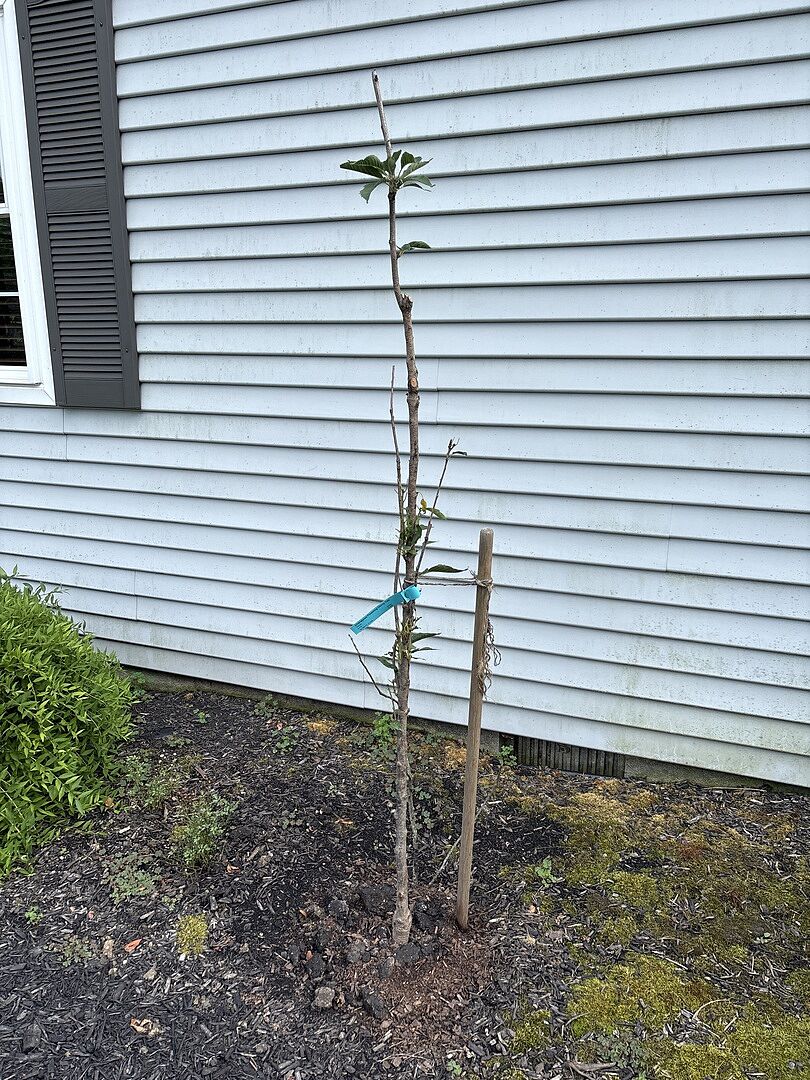
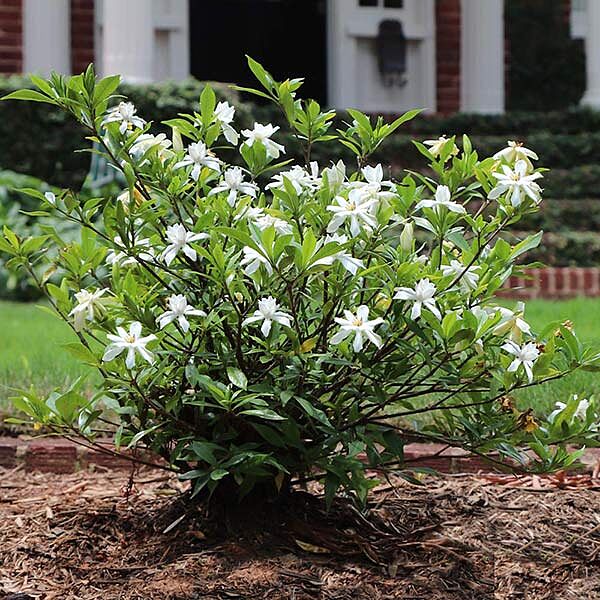
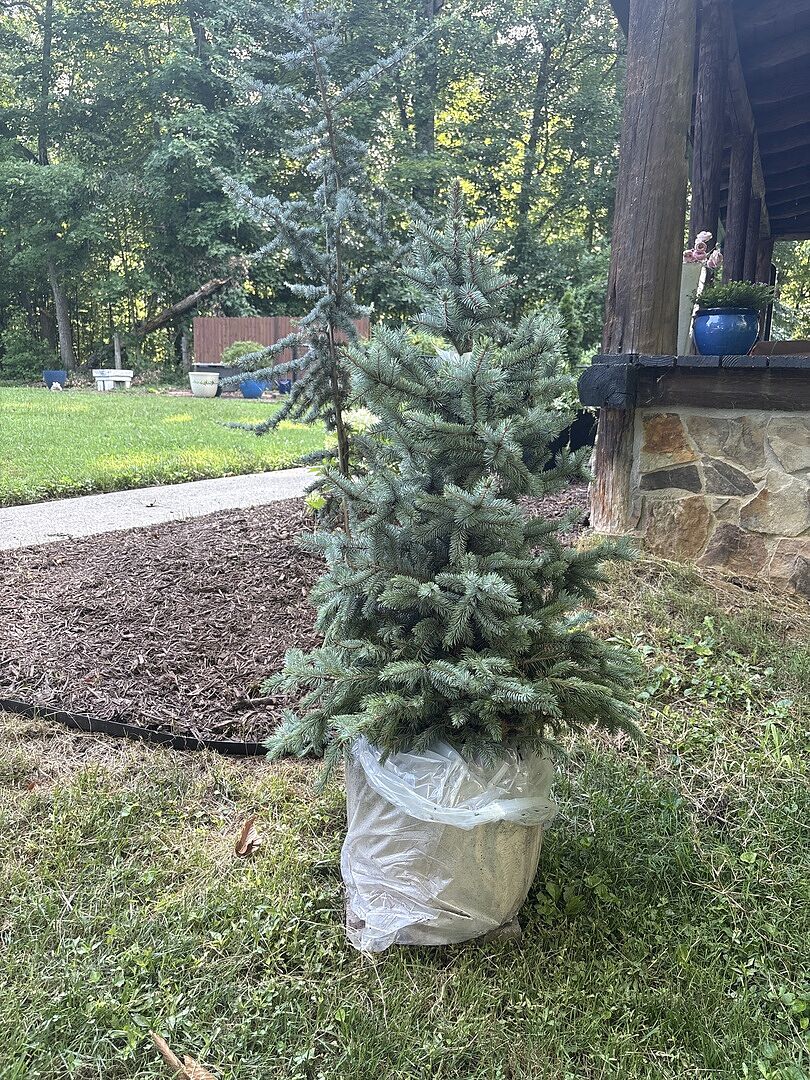
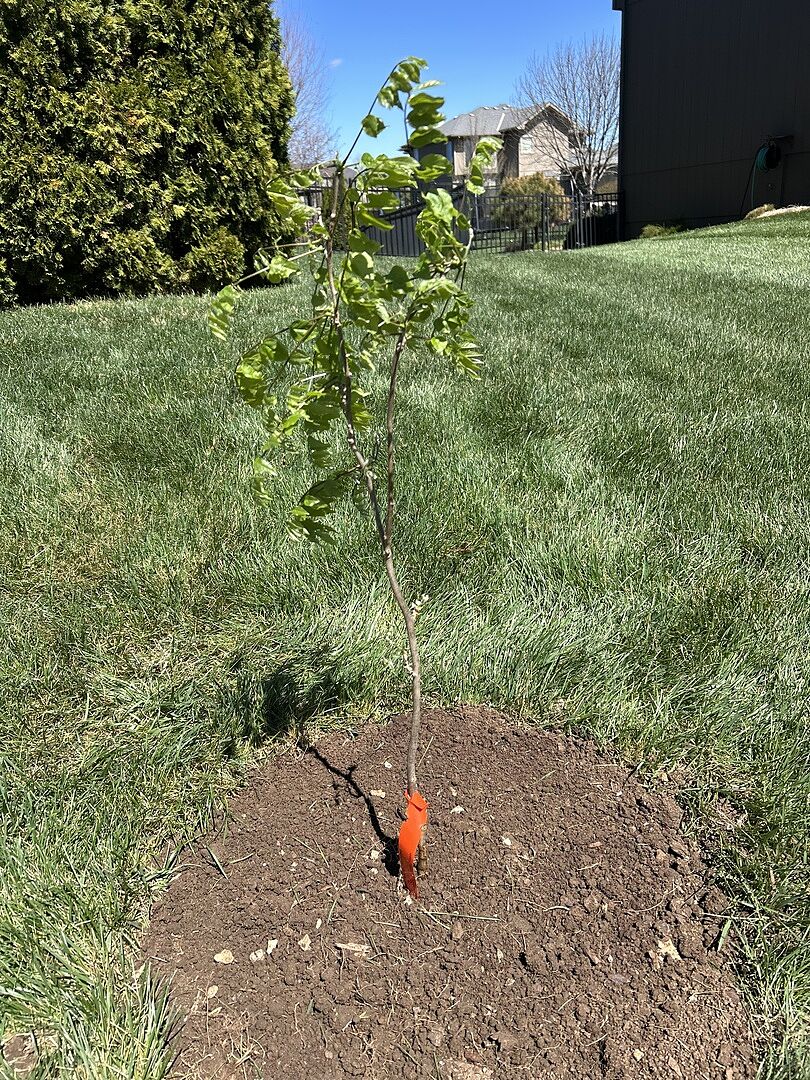
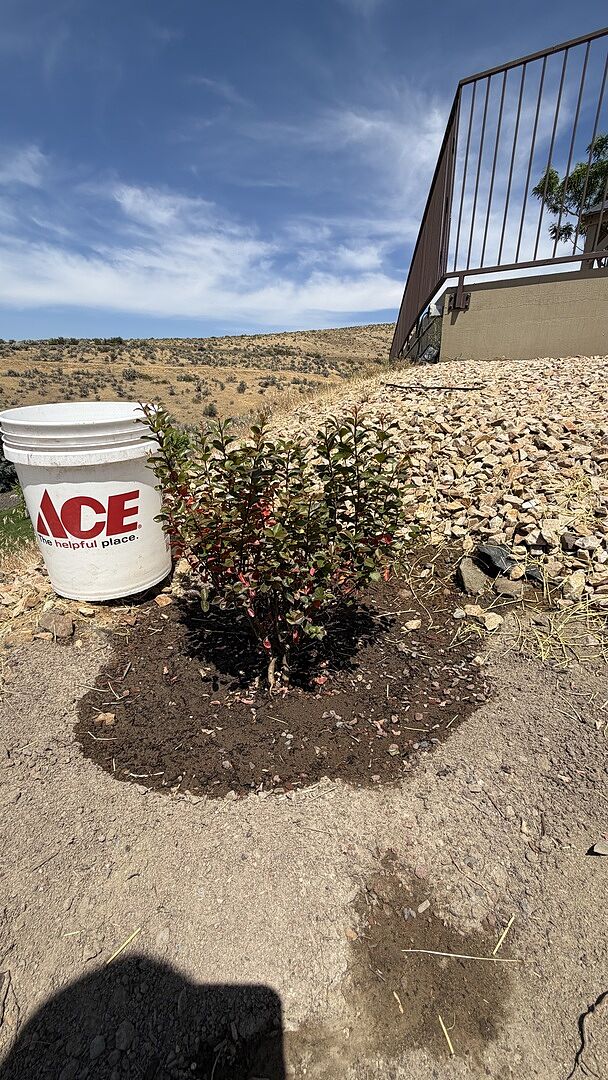
When planting a lemon tree, always plant the tree slightly higher than ground level. Dig the hole a little shallower than the length of the tree’s root ball. Place the rootball into the hole and firmly tamp the soil down around the tree’s root system. Add a two to three-inch layer of mulch across the soil’s surface after planting to help keep the tree evenly moist while it establishes its root system.
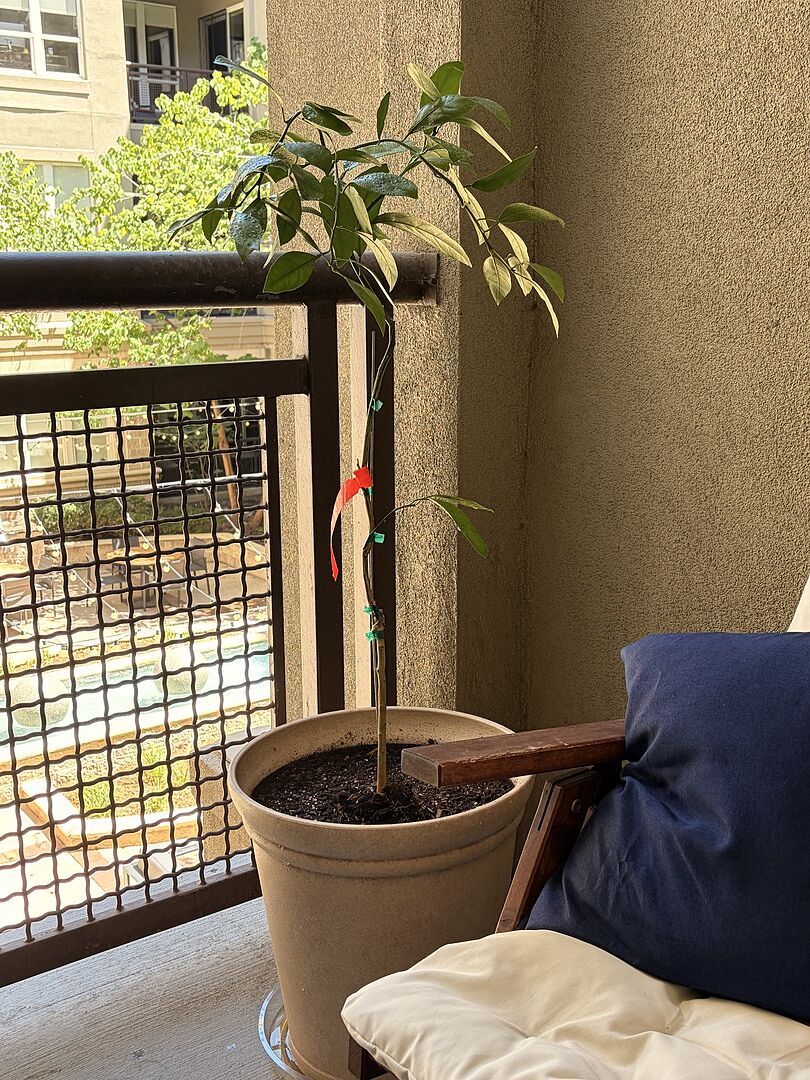
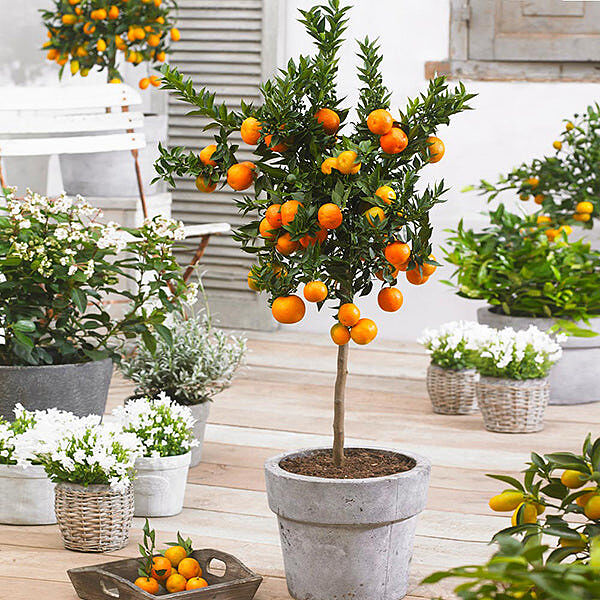
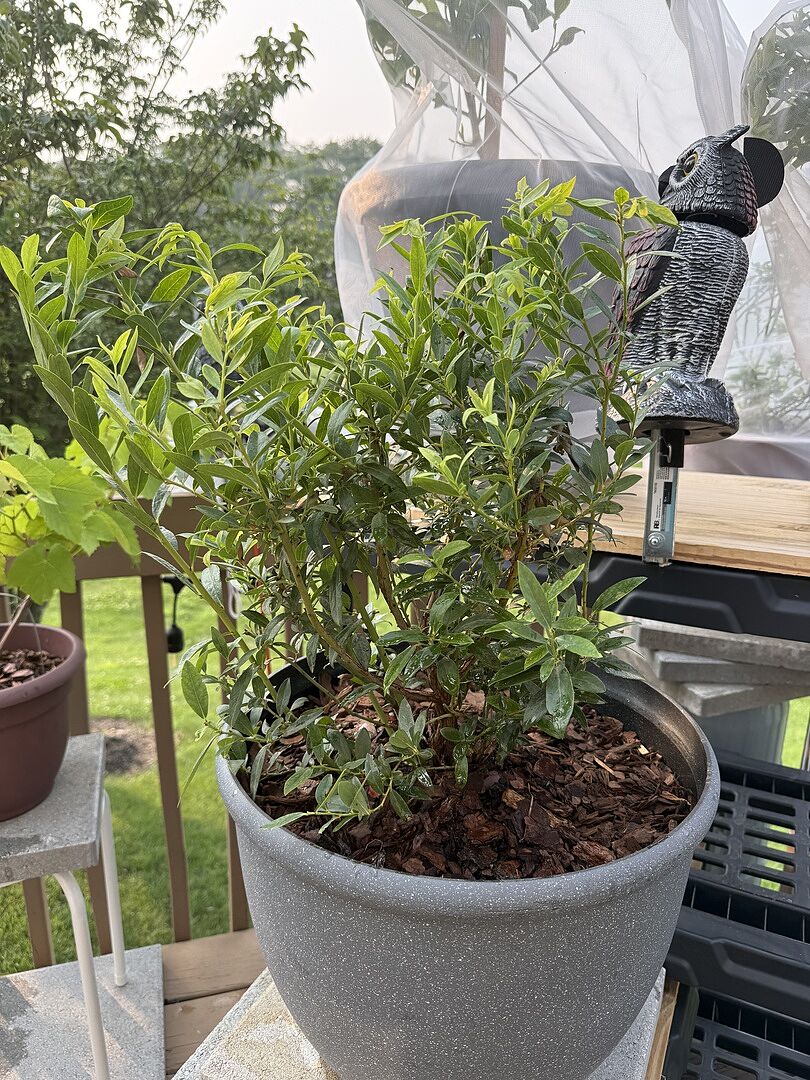
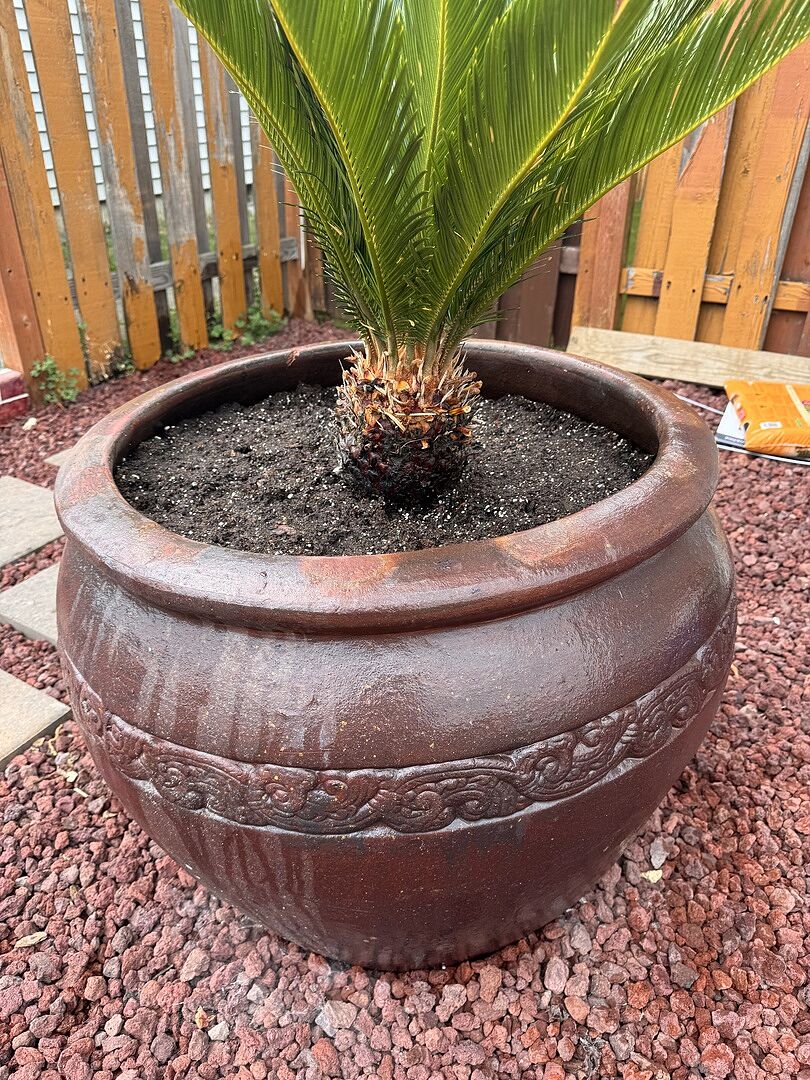
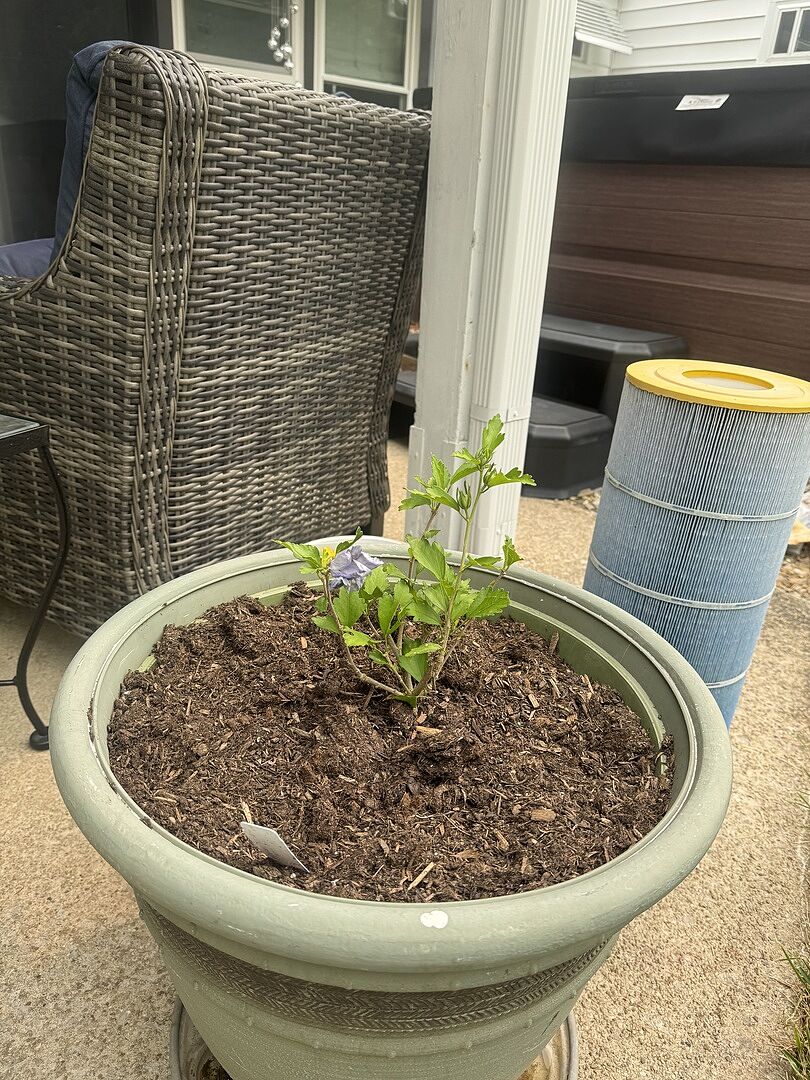
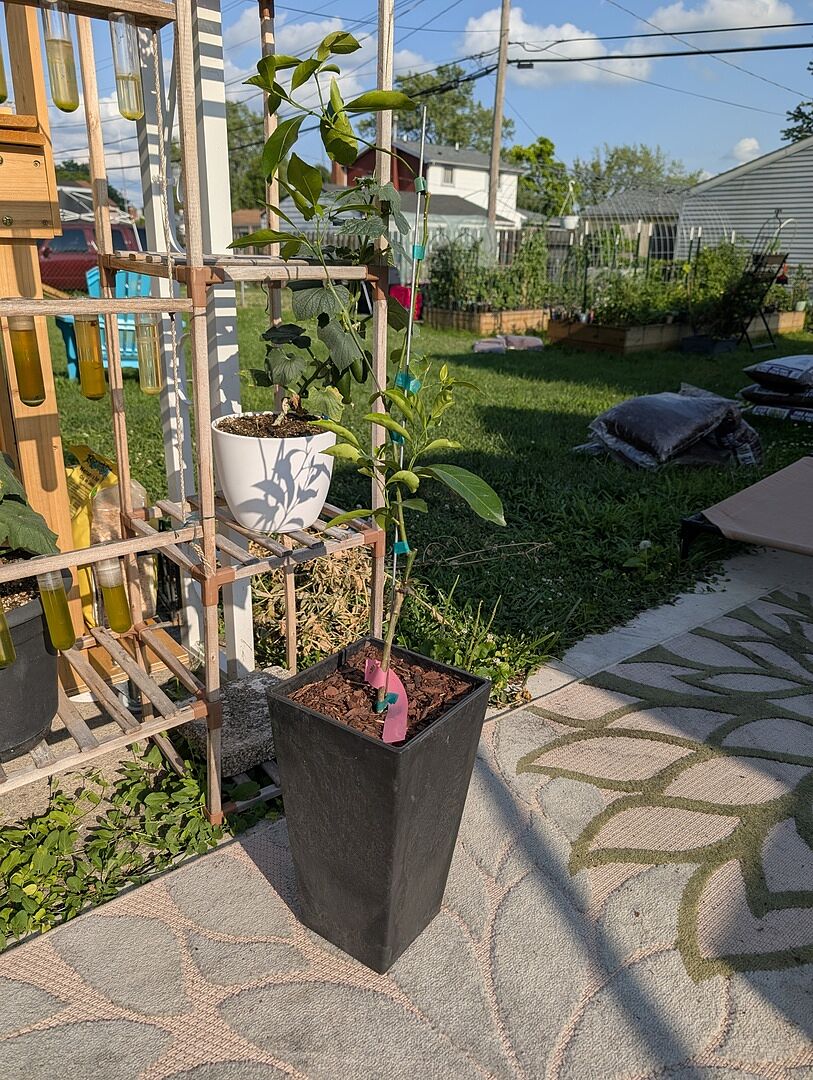
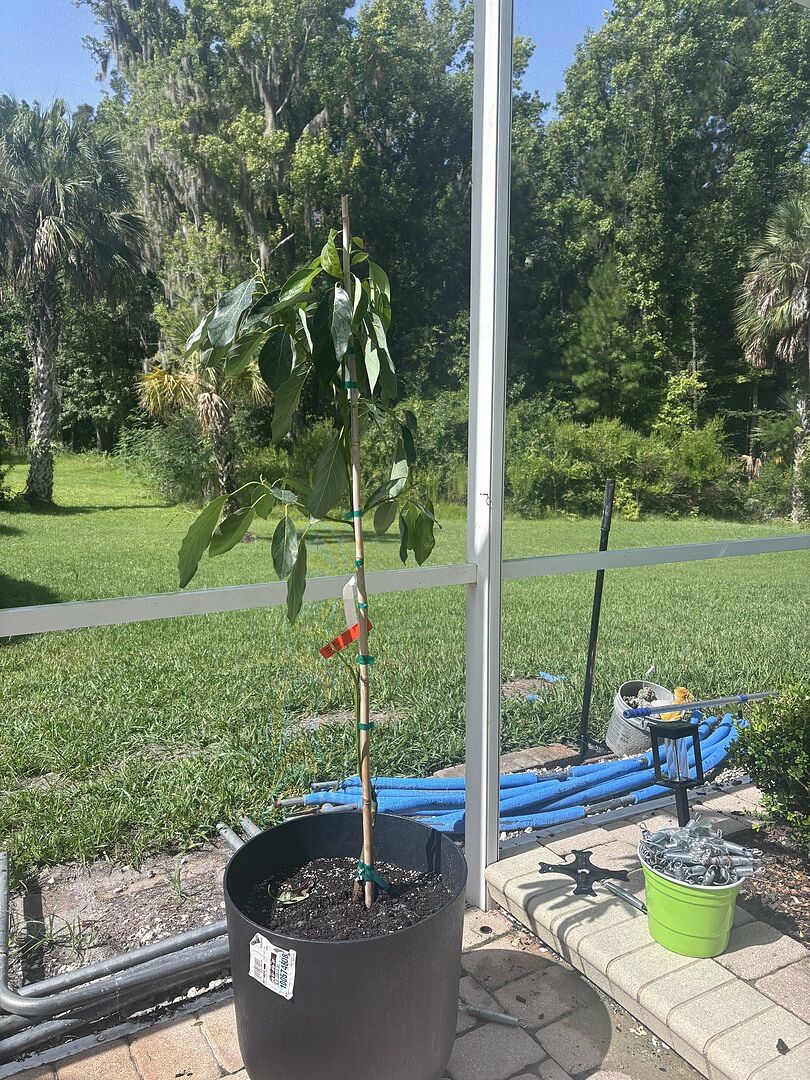
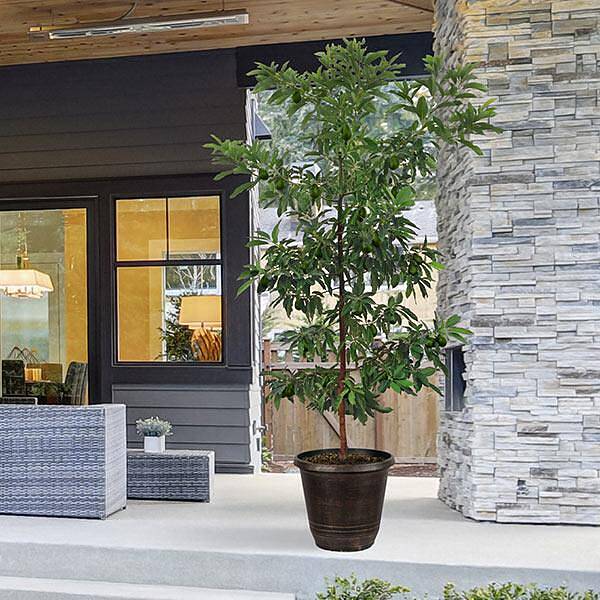
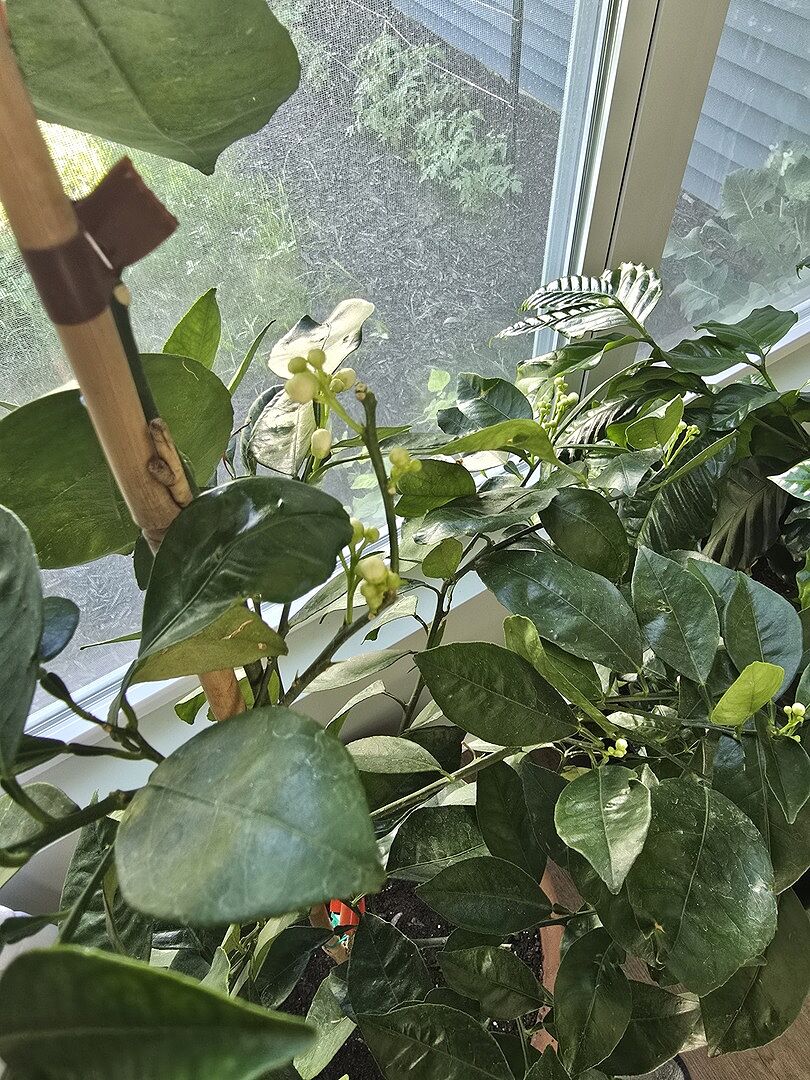
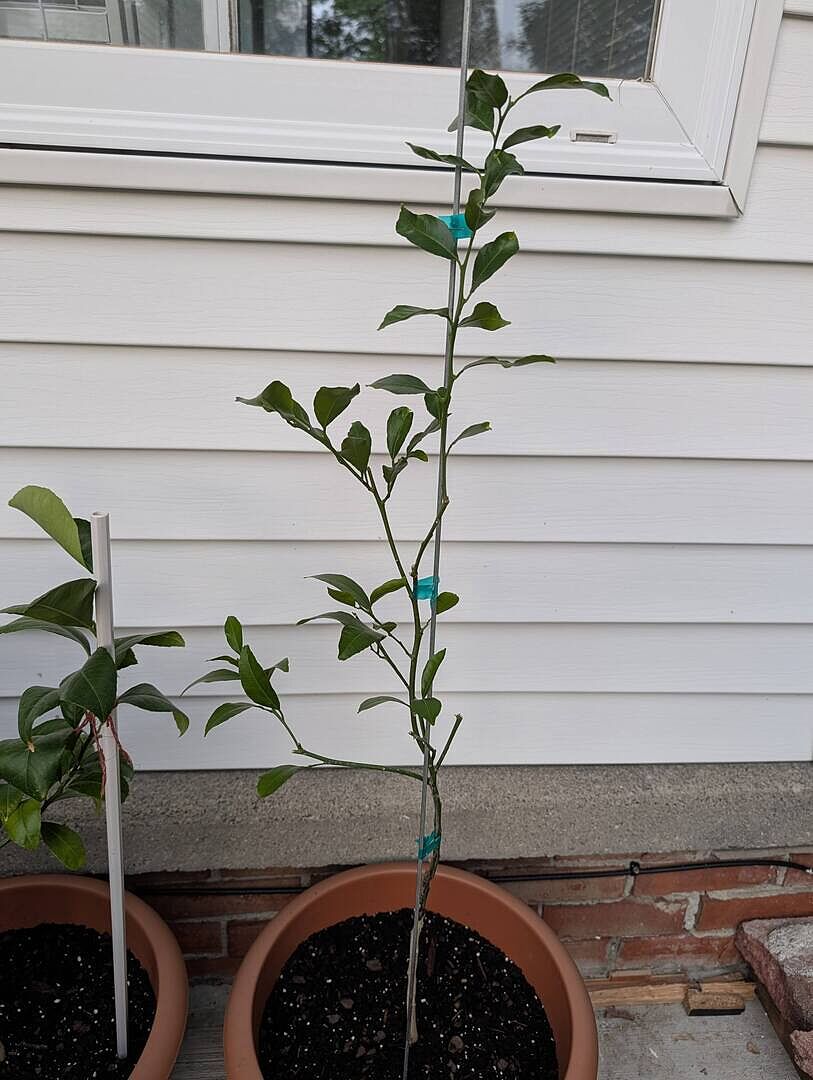
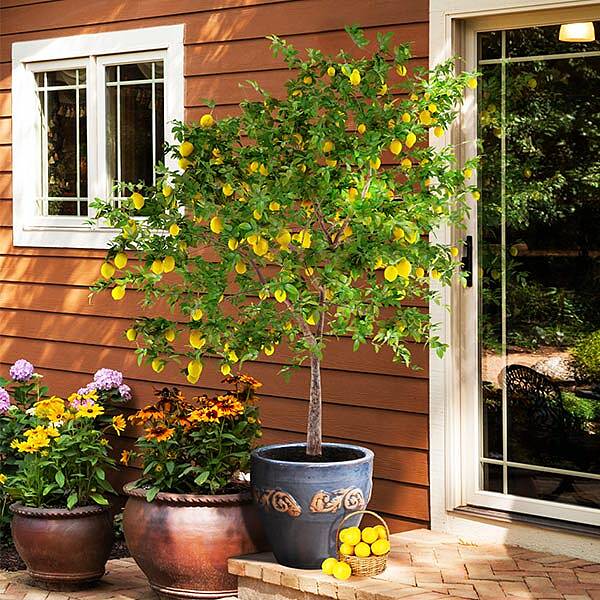
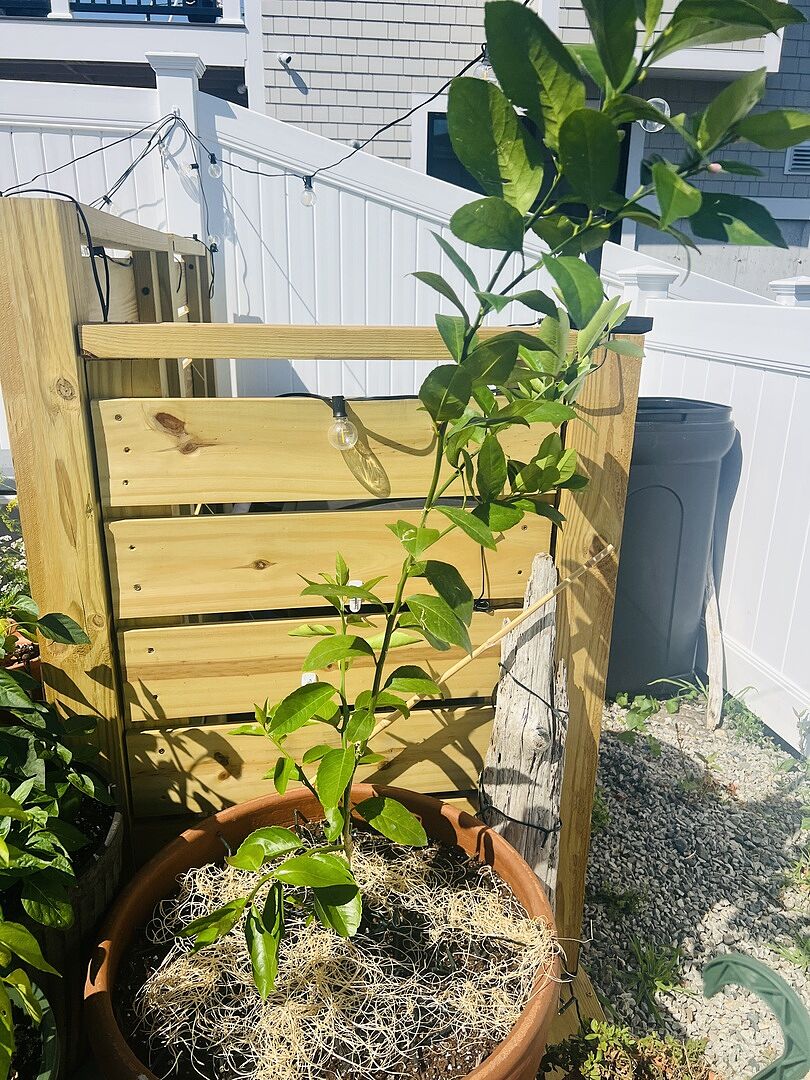
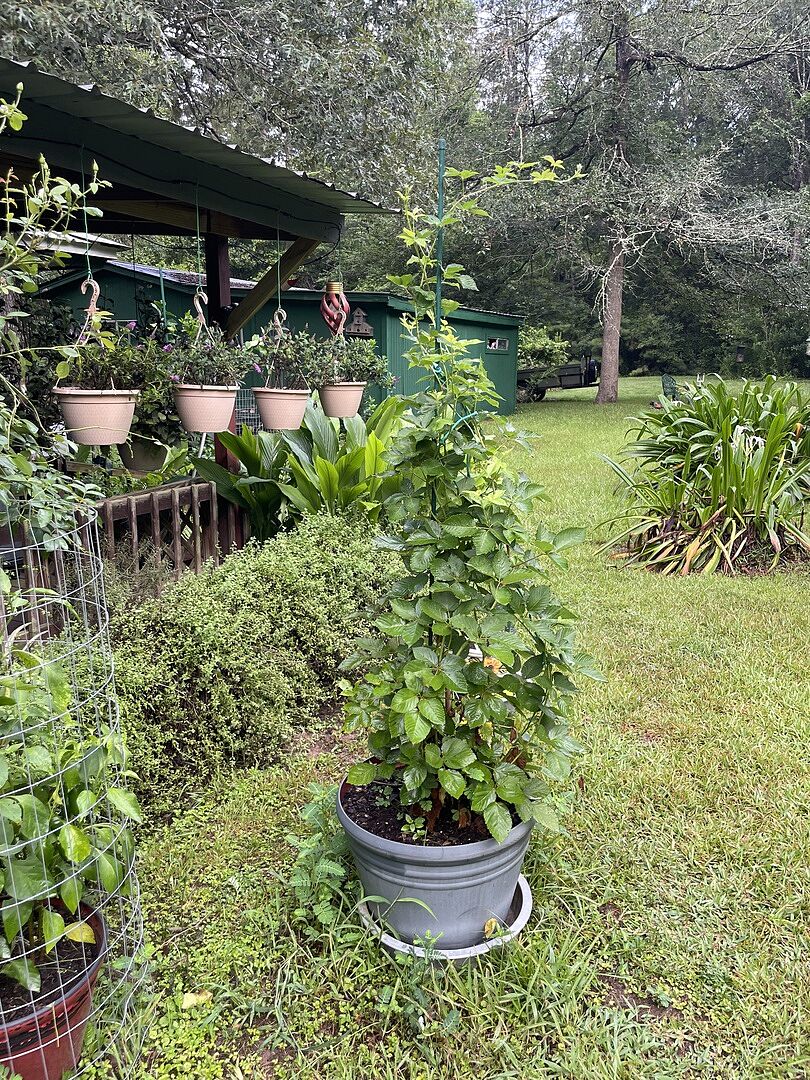
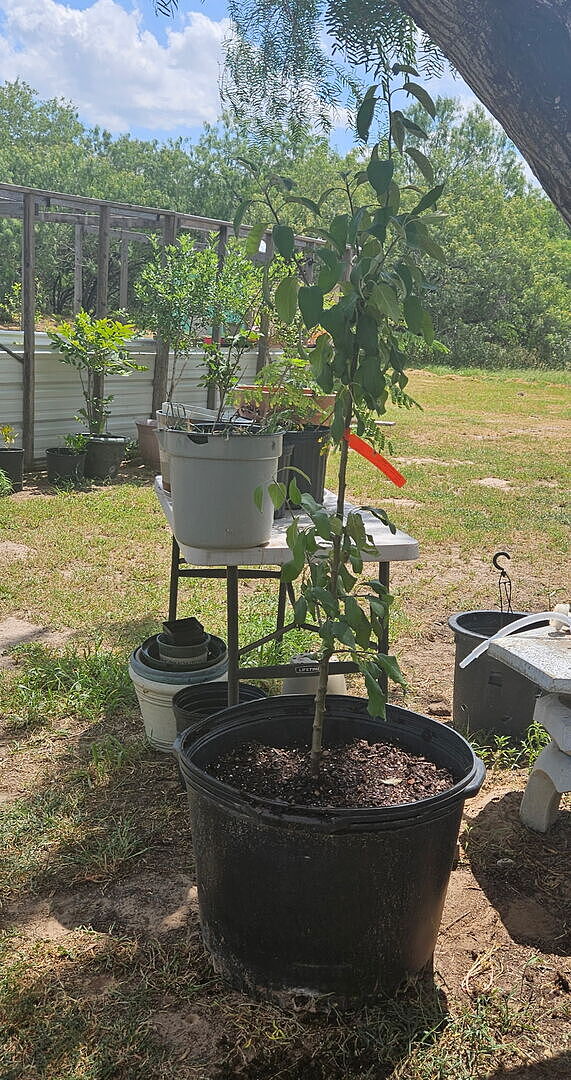
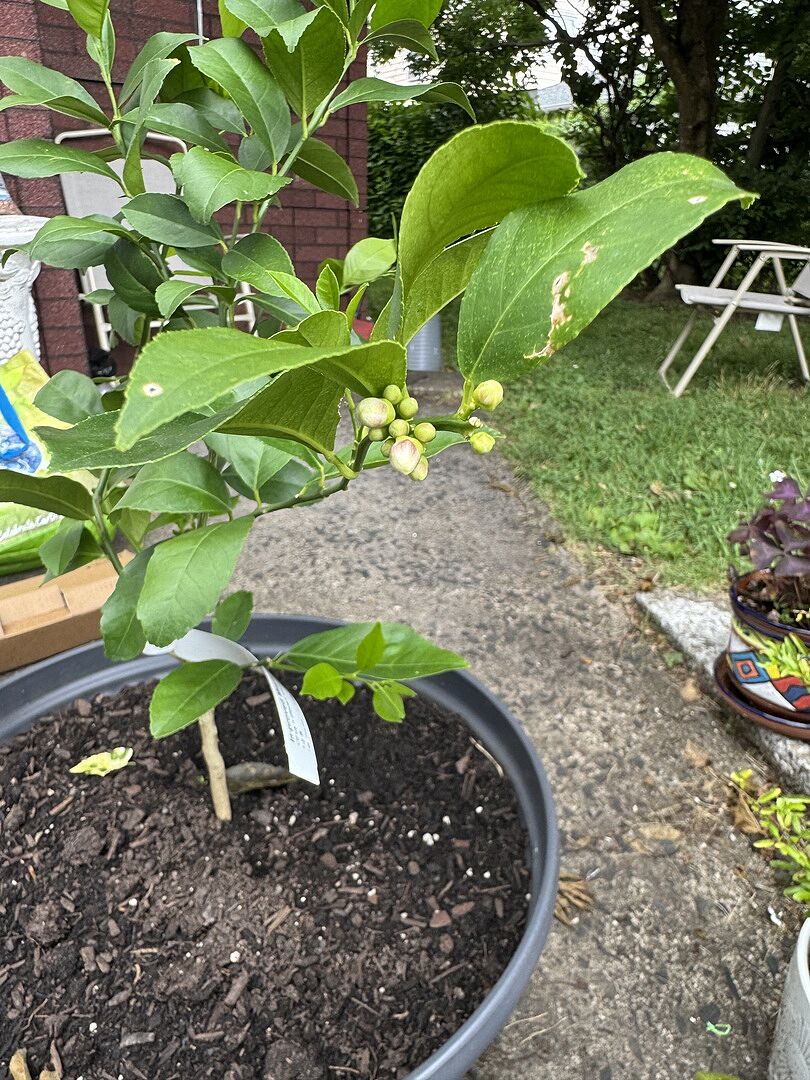
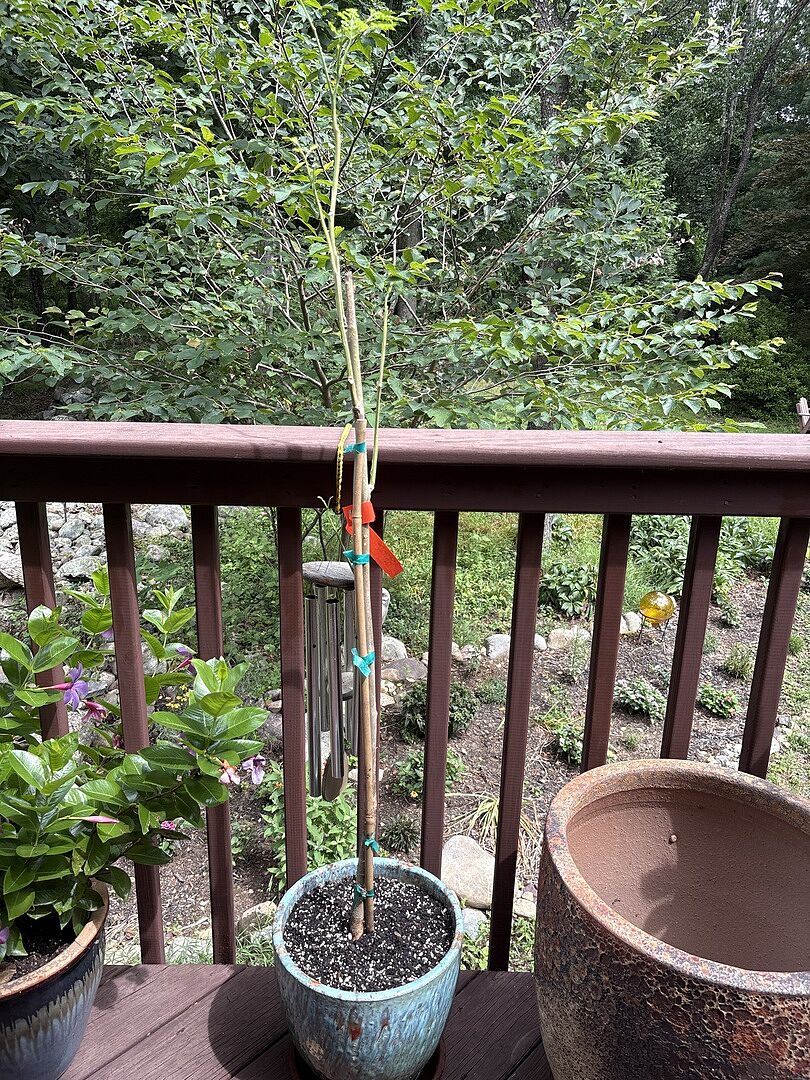
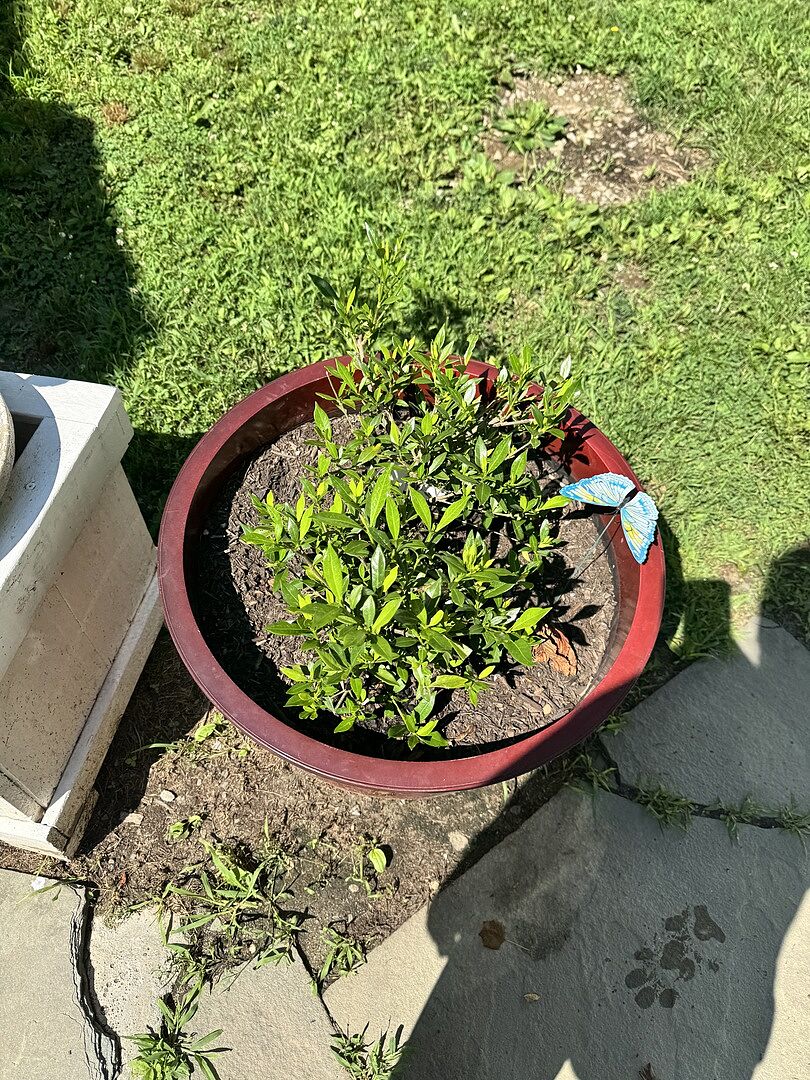
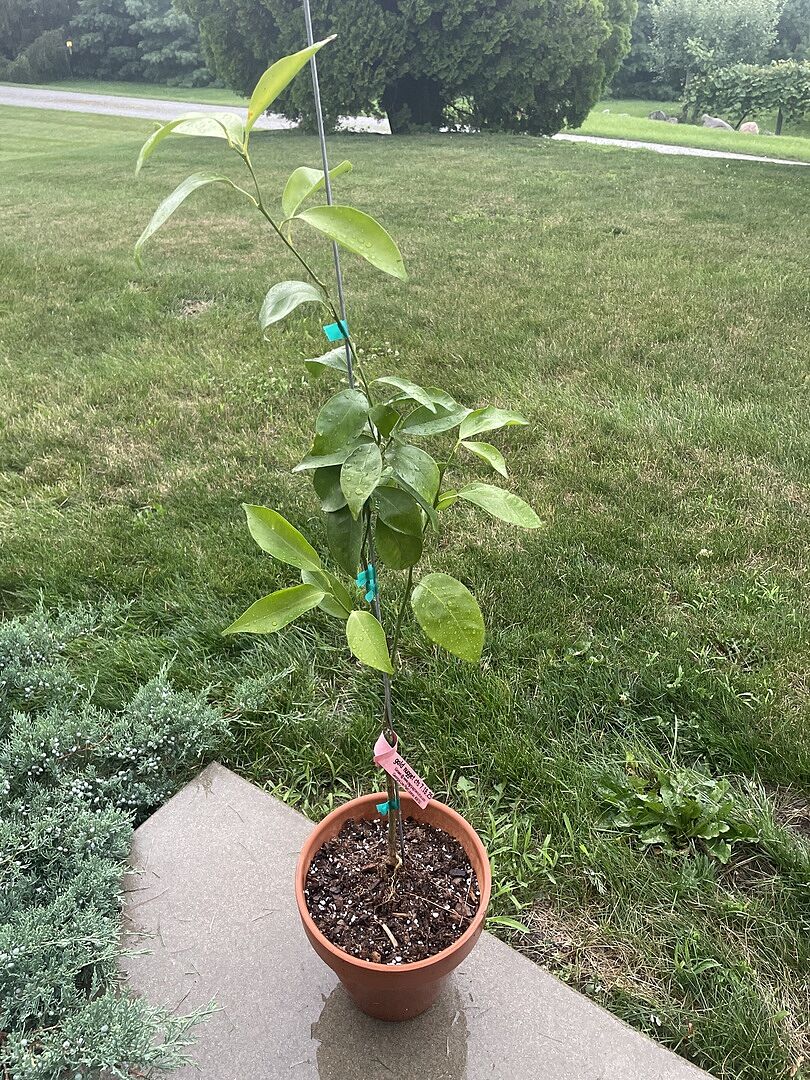
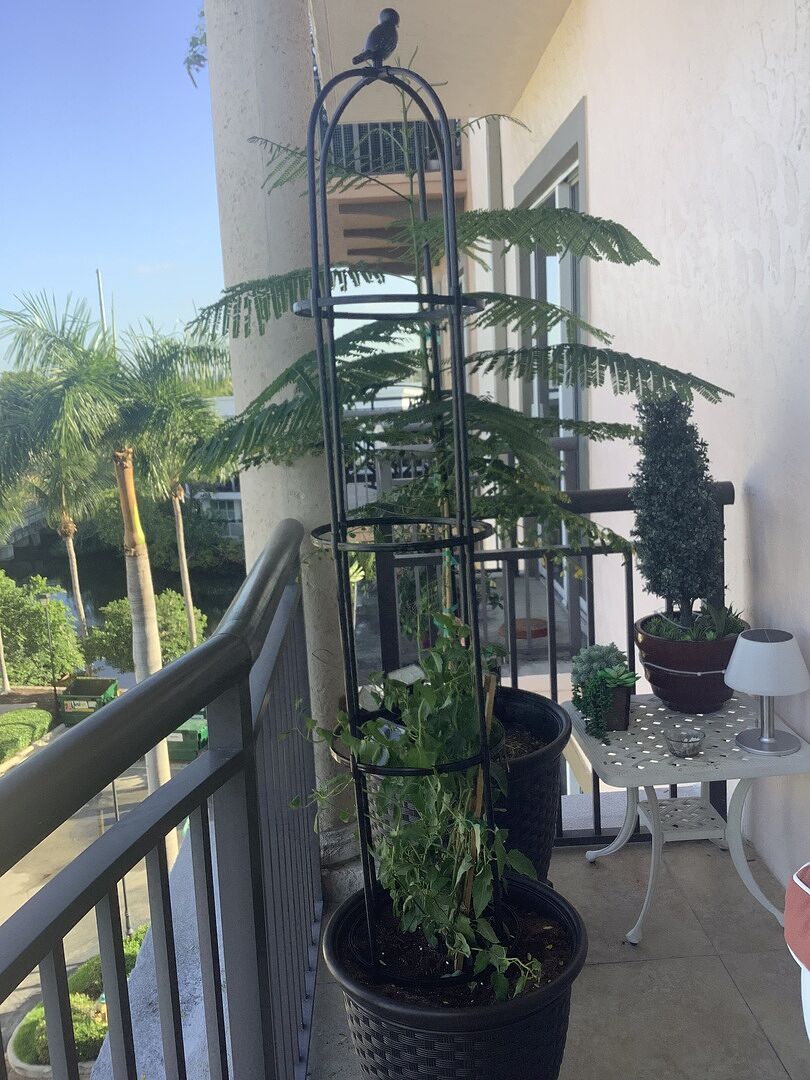
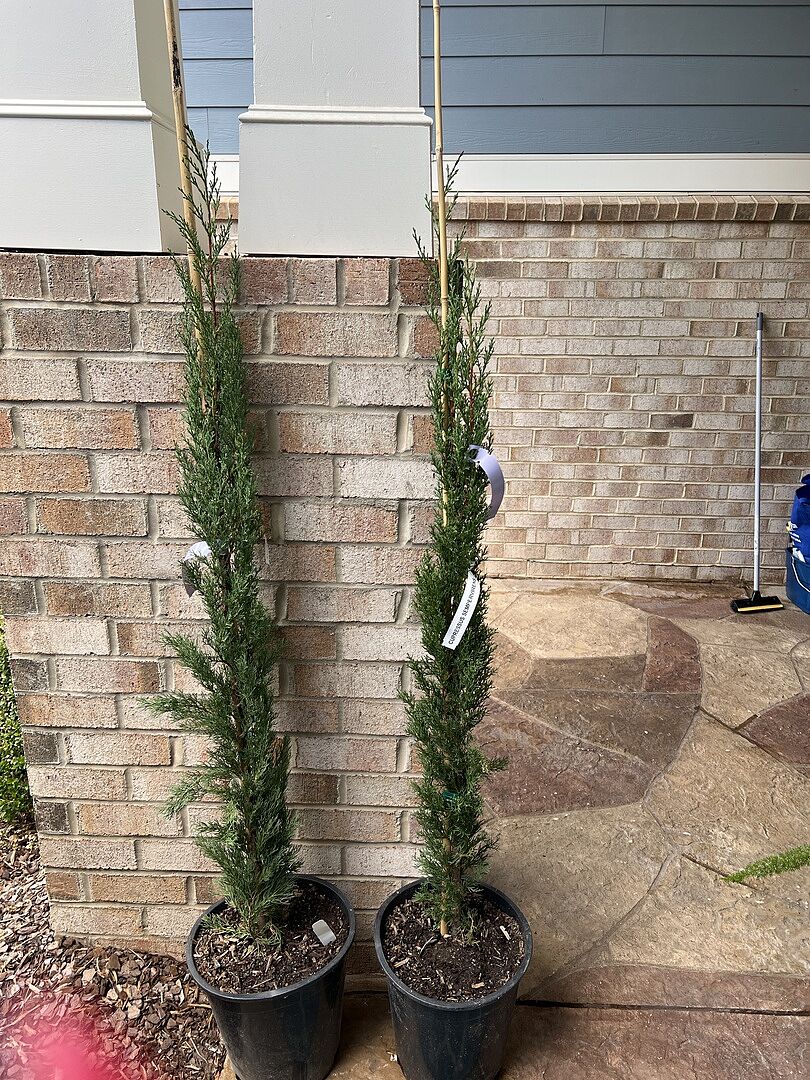
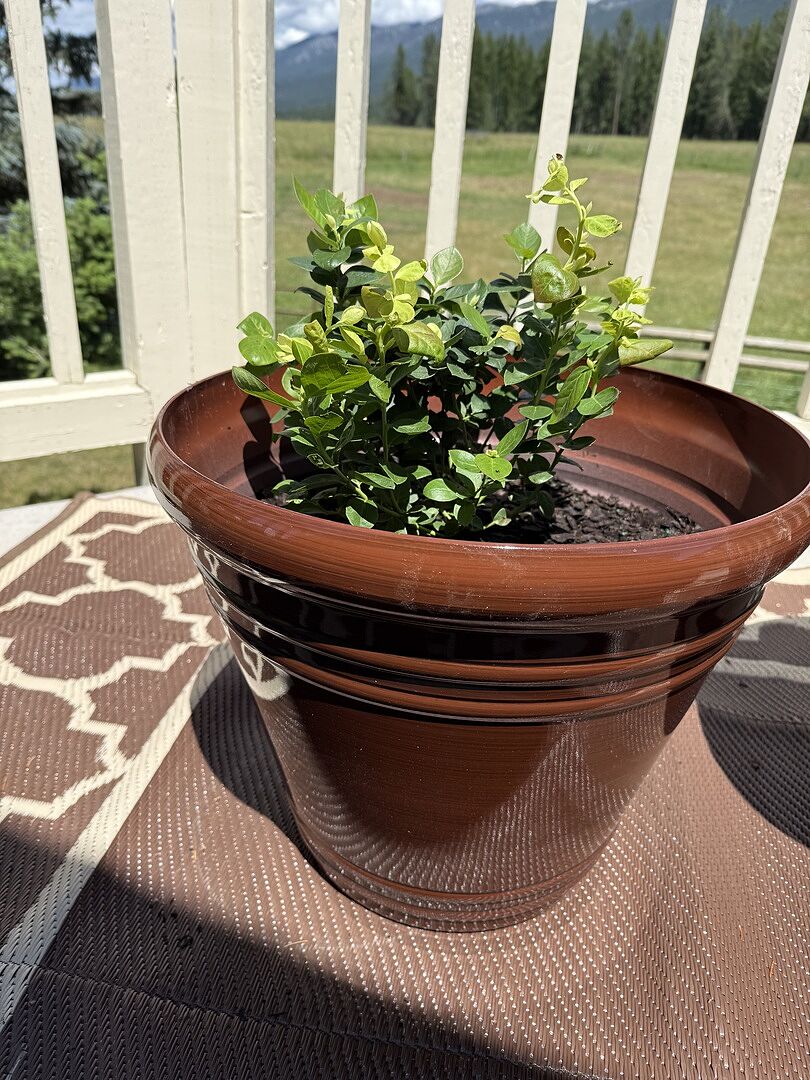
Container Growth: The Genoa lemon tree will thrive in a container, which makes it an ideal tree choice for a patio or balcony garden. The container should be approximately 25 percent larger than the tree’s root ball. A clay pot is ideal because the sides breath, unlike plastic. Make sure there are drainage holes in the bottom of the pot to keep the tree’s roots from becoming waterlogged. Once planted, the lemon tree should not require repotting for at least two to three years. Place the potted Genoa lemon tree in a location where it will receive seven to eight hours of sunlight per day. Water the tree when the first two inches of soil feels dry to the touch. Remember, a tree grown in a pot requires more frequent watering during a hot spell than a tree grown in the ground. Fertilize the potted lemon tree with a general purpose citrus fertilizer. Follow the directions on the fertilizer for application times and rates.
Watering: Water the lemon tree deeply once a week. During the first year, the soil should be kept evenly moist. Once the tree has established a sufficient root system, it can tolerate occasional drought. Established Genoa lemon trees prefer to be watered deeply at least once every ten days.
Fertilization: Feed the lemon tree a high nitrogen fertilizer that is manufactured for citrus trees. Apply the fertilizer every four weeks from winter through spring. Follow the manufacturer’s directions for application rates. During the summer and fall months, the tree will benefit from an application of fertilizer every six weeks. Applying a two or three-inch layer of organic material beneath the tree every month also helps naturally provide nutrients for the tree to maintain healthy growth.
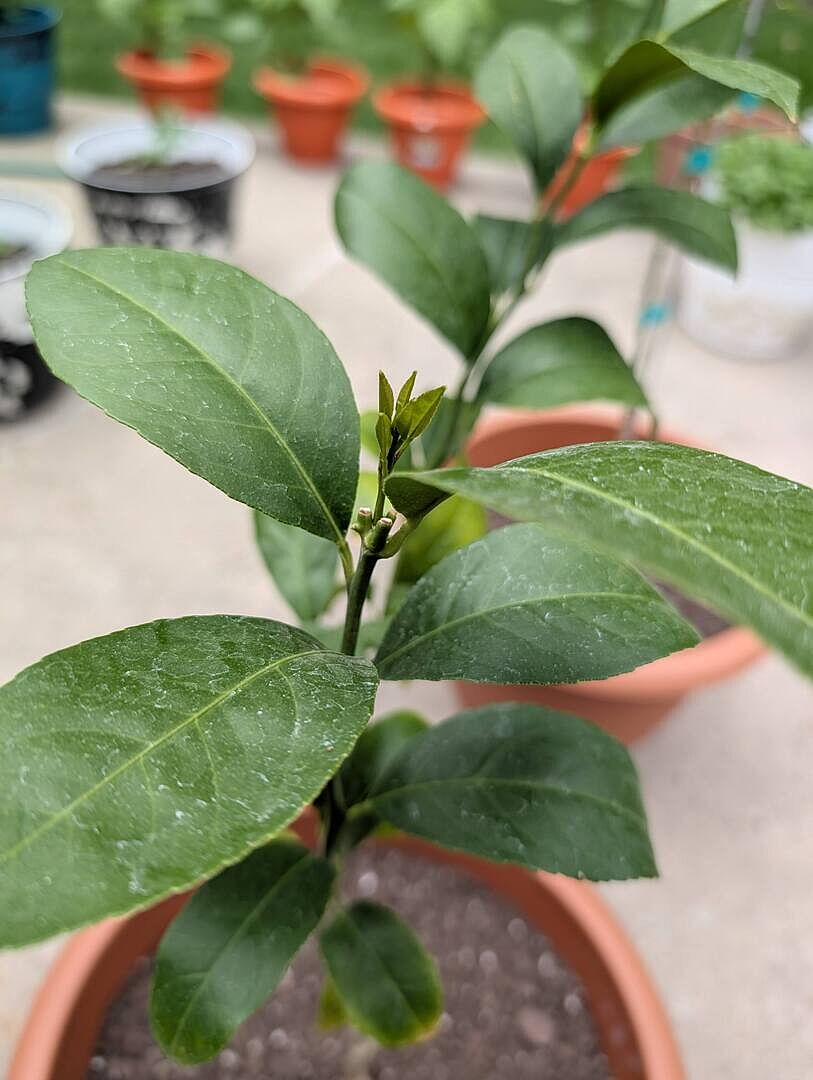
Pests and Diseases: A systemic insecticide helps protect the Genoa lemon tree from pests. Follows the insecticide instructions for application ratios. Often a black or gray powdery substance will appear on the tree’s leaves and stems. The powdery substance is normally a form of mildew that is often made worse by insects. If mildew should appear on the tree’s leaves, fruit or branches, a general purpose fungicide will normally cure the problem. When applying the fungicide, follow the manufacturer’s instructions.
Pruning: Lemon trees need to be pruned once every one or two years. The tree can be pruned at any time of the year, but ideally, you should prune right after harvesting to give the tree ample time to recuperate before producing a new crop. Lemon trees require a great deal of sunlight, so prune away areas of dense growth to allow light to flow through the tree’s branches and foliage. Cut the branch about an inch away from the tree’s trunk at an angle that is directed away from the tree. Do not prune more than one-third of the tree’s branches. The tree needs to always have at least three to five main branches to produce adequate fruit. Always remove all weak or damaged branches.
Winterizing: In fall, in-ground plants in zones 9-11 should be mulched well to help insulate roots. Cover plants with frost cloth when temperatures are below 32 F.
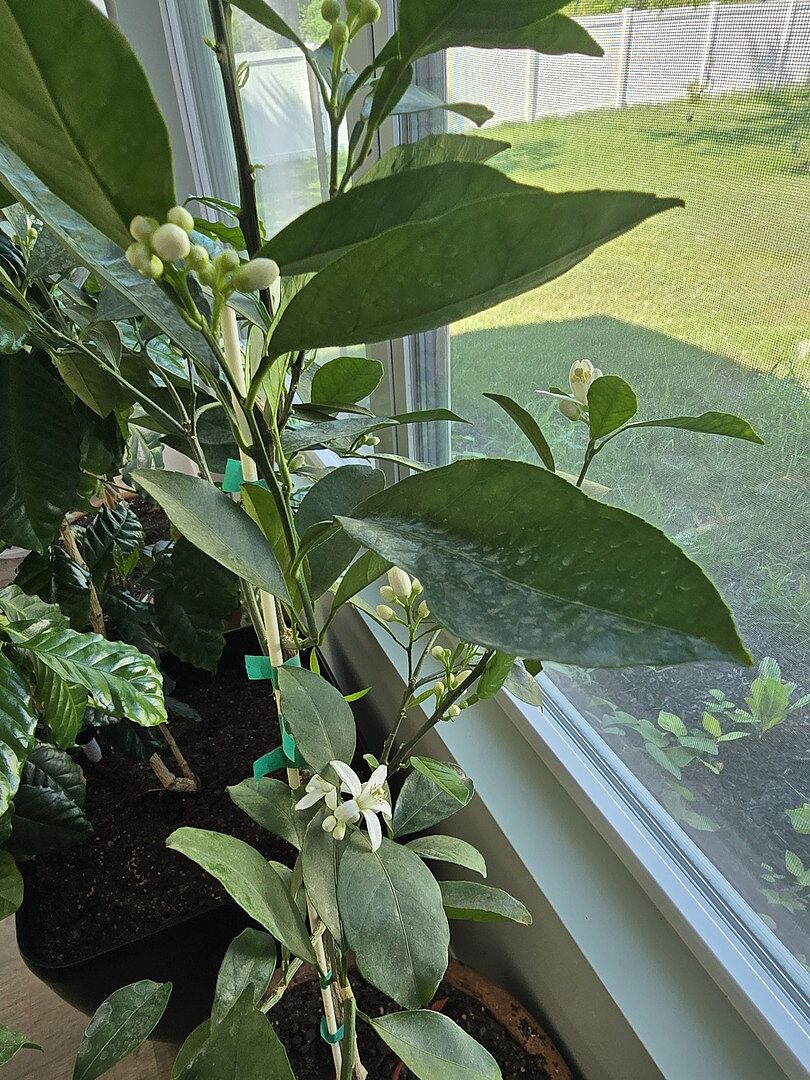
In fall, bring potted plants indoors once temperatures are 50 F, as potted plants are more susceptible to cold damage than those planted in the ground. Place your lemon tree in a sunny window that receives at least 5 hours of direct, full bright light. If you don't have this much light, use a full spectrum grow light on for 12-16 hours, off for 8 hours. Reduce water in winter and stop fertilizing. Regularly check your plants for pests like spider mites. If plants flower while indoors, be sure to hand pollinate. When threat of frost has passed and temperatures are consistently above 50 F at night, start transitioning your lemon tree back outside by placing it in a few hours of shade, then slowly introducing it to more direct light over a period of two weeks. This process helps prevent leaf scorch.


 Learn more