From Tree to Table: How to Harvest and Use 4 Popular Fruit Tree Varieties

Growing your own fruit comes with plenty of rewarding moments, from watching the first blossoms open to finally seeing fruit develop on the branches. But once harvest time arrives, there’s another question to answer:
What should you do with everything you’ve grown?
The right harvest timing can make a noticeable difference in flavor, texture, and storage life. And while some fruits are best enjoyed right away, others can be baked, preserved, cured, or shared long after picking day.
Here’s how to harvest and use four of our favorite fruit varieties, whether you’re gathering a handful from a patio tree or bringing in your biggest crop yet.
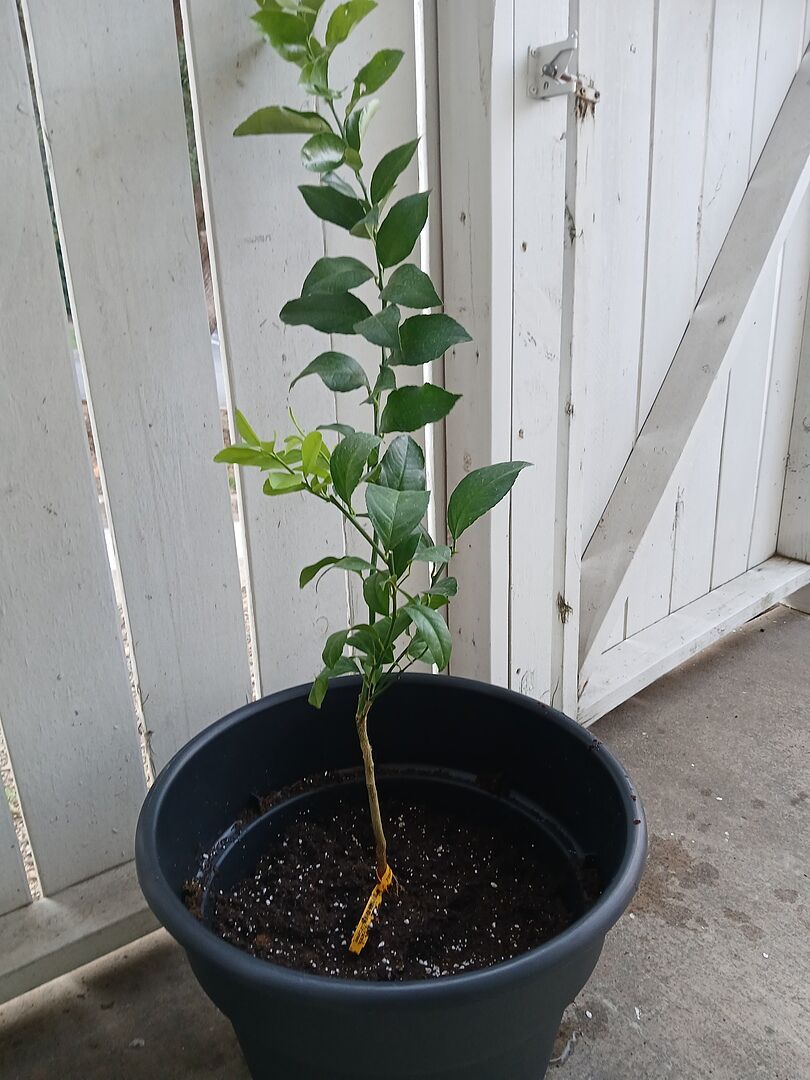
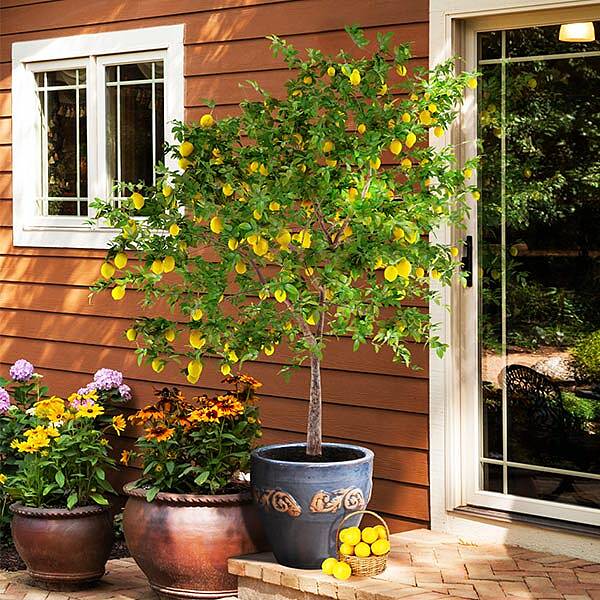
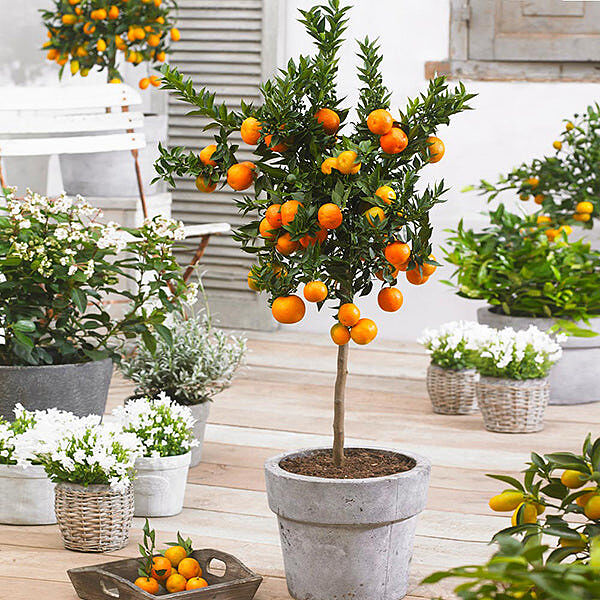
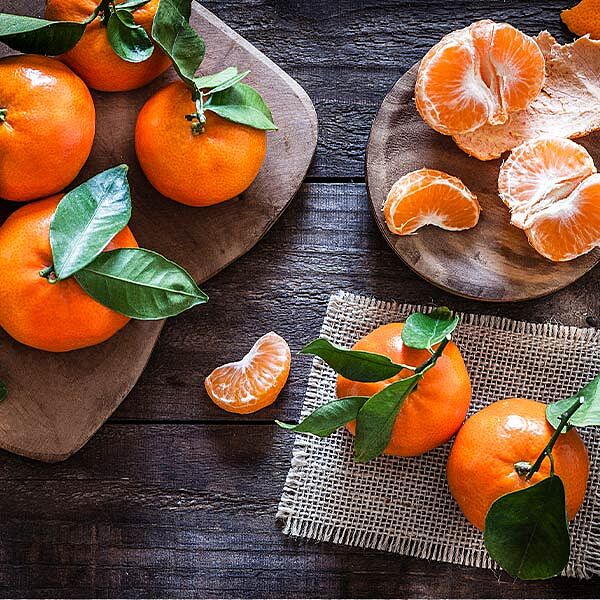
Meyer Lemon: A Sweeter Take on Citrus
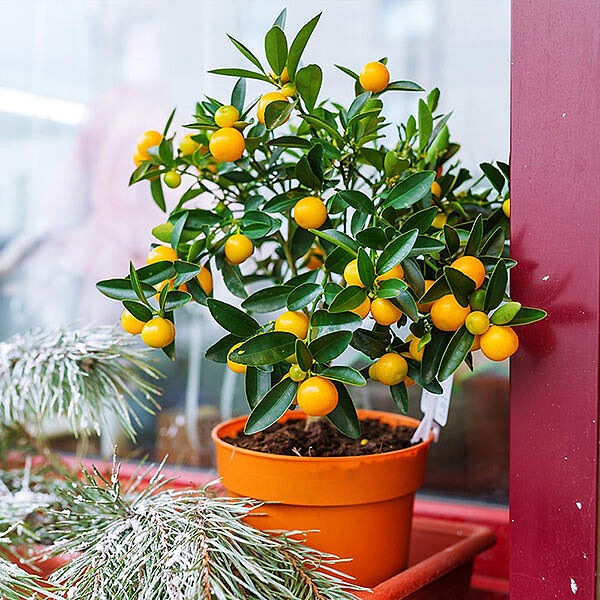
Meyer Lemons have the bright flavor you expect from a lemon, but they’re typically sweeter and less acidic than standard varieties. That softer flavor makes them especially versatile in the kitchen.
When to harvest Meyer Lemons
Wait until the peel develops a deep golden-yellow color. A ripe lemon should also give slightly when gently pressed, rather than feeling completely firm.
Color is usually a better guide than size. Meyer Lemons may vary in size depending on growing conditions, so give the fruit time to fully change color before harvesting.
To avoid damaging the branch, clip the lemon from the tree with clean pruning shears rather than pulling it off.
Ways to use your Meyer Lemons
Because they’re less tart than many standard lemons, Meyer Lemons work well in both sweet and savory recipes.
Try them in:
- Lemon bars, cakes, cookies, and pies
- Homemade lemonade or sparkling water
- Cocktails and summer drinks
- Salad dressings and marinades
- Sauces for chicken, seafood, or roasted vegetables
- Lemon curd
- Preserved lemons
- Homemade cleaning solutions
Don’t forget the peel. Meyer Lemon zest adds concentrated citrus flavor to baked goods, pasta, dressings, and compound butter.
Make the harvest last
Store freshly picked lemons at room temperature when you plan to use them within several days. For longer storage, place them in the refrigerator.
You can also freeze lemon juice in ice cube trays for easy recipe-sized portions. Freeze zest separately in an airtight container so it’s ready whenever a dish needs more brightness.

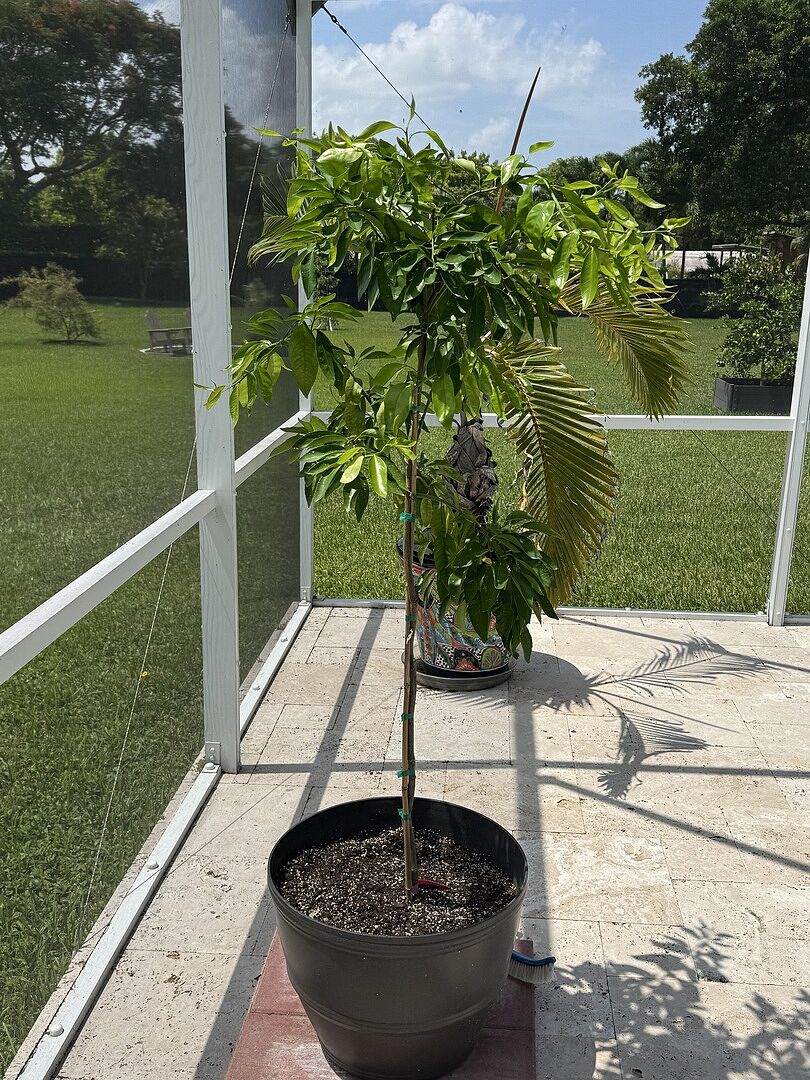
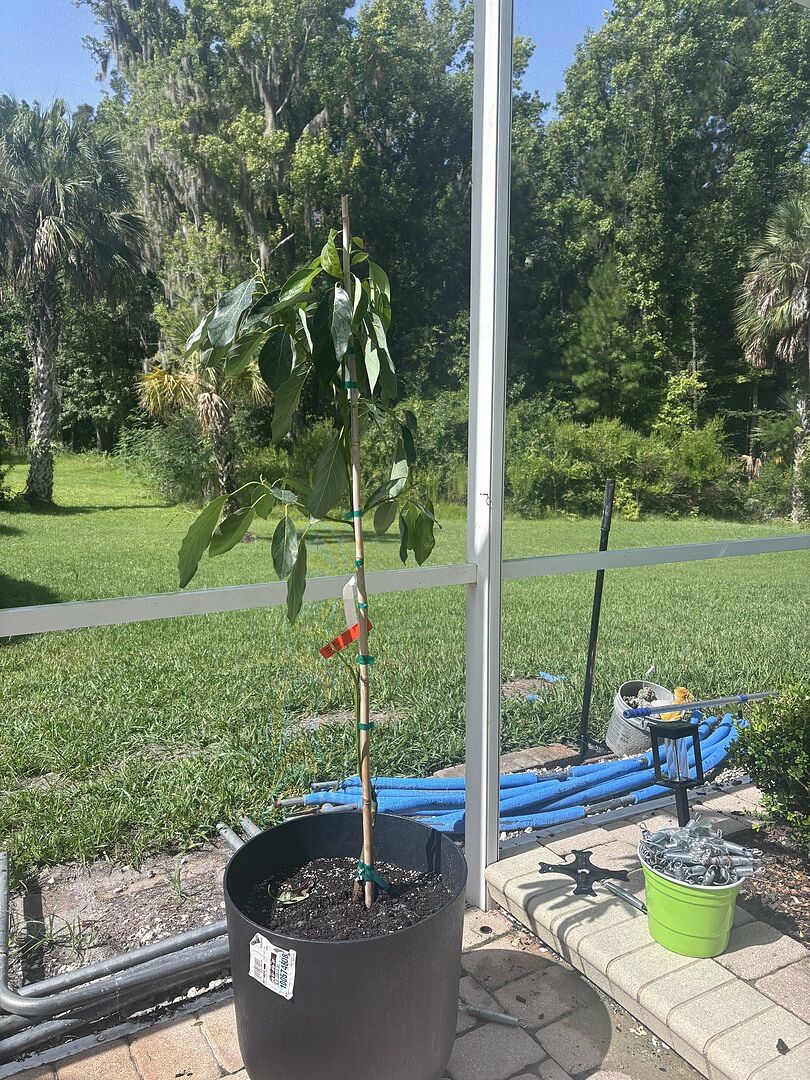
Avocados: Worth Waiting For
A homegrown avocado can become everything from a quick breakfast to the start of a backyard gathering. The key is knowing that avocados behave differently from many other fruits: they generally mature on the tree but soften after they’re picked.
When to pick avocados
Look for fruit that has reached its expected mature size and developed the appropriate skin color for the variety. The skin may begin to darken, but it isn’t always easy to judge ripeness by appearance alone.
Harvest one avocado as a test. Leave it at room temperature for about five to seven days. If it softens evenly and develops a rich, creamy texture, the remaining fruit is likely ready to pick.
If the test fruit shrivels, stays rubbery, or doesn’t soften properly, give the others more time on the tree.
Clip the stem rather than pulling the fruit from the branch.
Ways to use your avocados
Fresh avocados can be used well beyond toast and guacamole.
Try them in:
- Salads, grain bowls, and tacos
- Sandwiches and wraps
- Guacamole, dips, and spreads
- Smoothies
- Chilled avocado soup
- Pasta sauces
- Salsas with citrus, corn, or tomatoes
- Chocolate pudding and other dairy-free desserts
For a simple summer meal, serve sliced avocado with tomatoes, fresh herbs, citrus juice, and a pinch of salt.
Help avocados ripen evenly
Leave freshly harvested avocados at room temperature and check them daily. To encourage faster ripening, place them in a paper bag with an apple or banana.
Once an avocado gives slightly to gentle pressure, move it to the refrigerator if you aren’t ready to use it. This can slow further softening for a few days.
After cutting, brush the exposed surface with lemon or lime juice and store it in an airtight container.

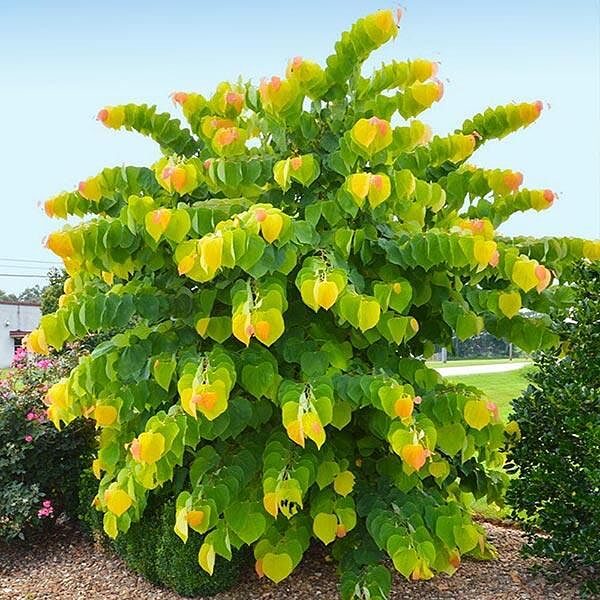
Honeycrisp Apple: Crisp, Juicy, and Ready for More Than Snacking
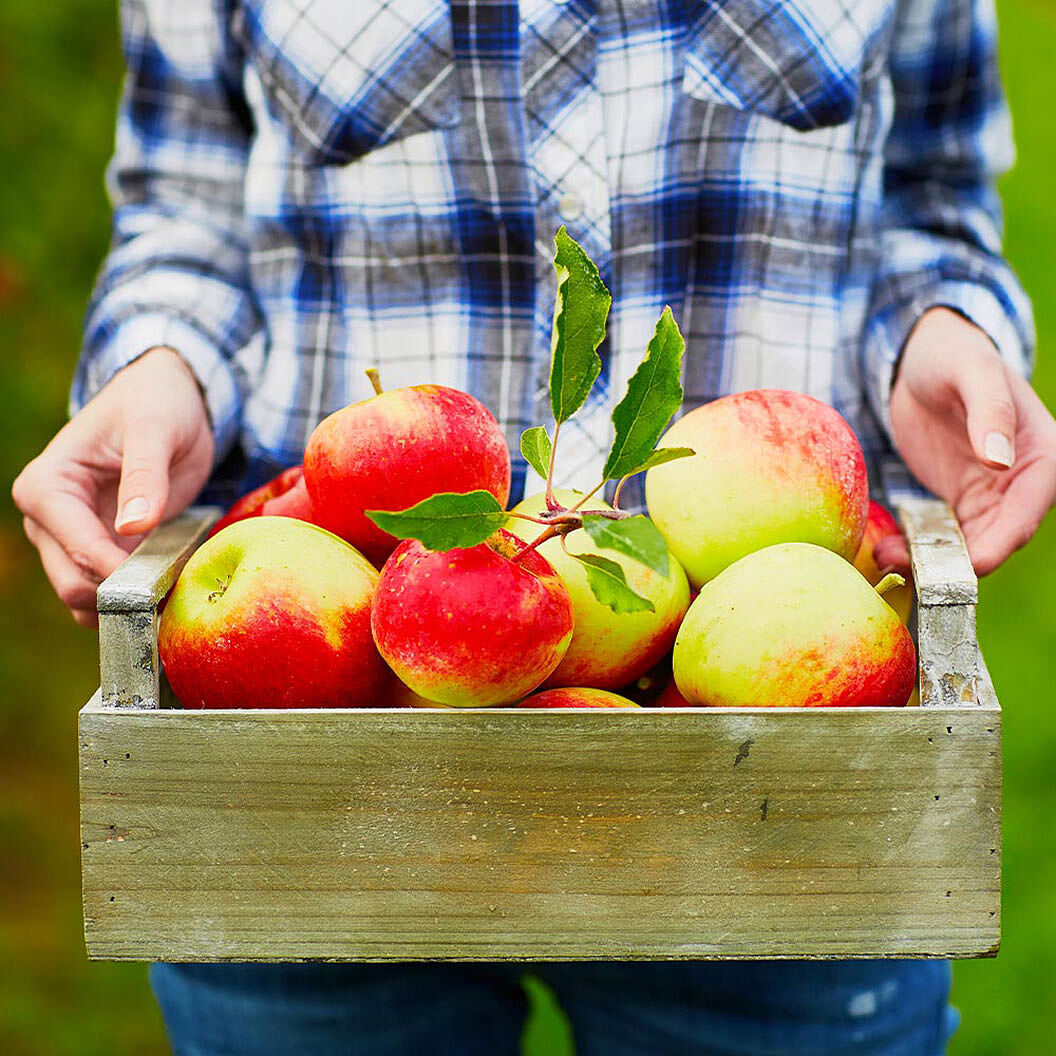
Honeycrisp Apples are known for their crisp texture and balanced sweet-tart flavor. They’re excellent straight from the tree, but a generous harvest opens the door to baking, cooking, preserving, and sharing.
When to harvest Honeycrisp Apples
A ripe apple should release from the branch with a gentle lift and twist.
Cup the apple in your hand, raise it slightly, and turn it. When it’s ready, the stem should separate without a hard pull. Avoid tugging the fruit straight down, which can damage the branch or knock nearby apples loose.
Look for the variety’s characteristic color and taste one before harvesting the full crop. Apples on the outer, sunniest parts of the tree may ripen before those closer to the center.
Ways to use your Honeycrisp Apples
Honeycrisp Apples hold their own as a fresh snack, but their flavor and texture also work in plenty of recipes.
Try them in:
- Apple pies, crisps, cobblers, and cakes
- Salads with nuts, cheese, or leafy greens
- Applesauce
- Apple butter
- Chutneys and relishes
- Baked apples
- Oatmeal and overnight oats
- Grilled cheese sandwiches
- Pork or chicken dishes
- Fresh-pressed cider
For an easy snack, slice the apples and serve them with peanut butter, almond butter, sharp cheddar, or a drizzle of honey.
Store apples carefully
Set aside any bruised or damaged apples to use first. Store unblemished fruit in the refrigerator, ideally in the crisper drawer or a container that helps retain moisture.
Avoid washing apples until you’re ready to eat them. Excess moisture during storage can encourage spoilage.
For a larger harvest, turn some into applesauce, apple butter, dried apple slices, or freezer-ready pie filling.

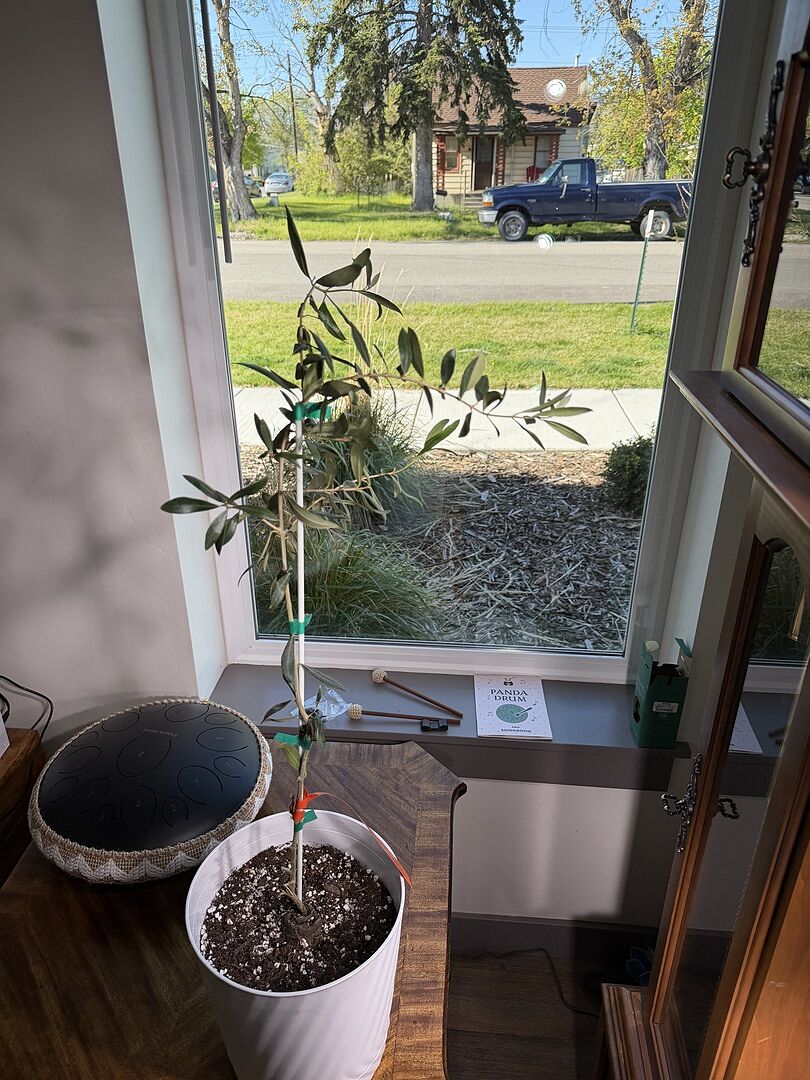
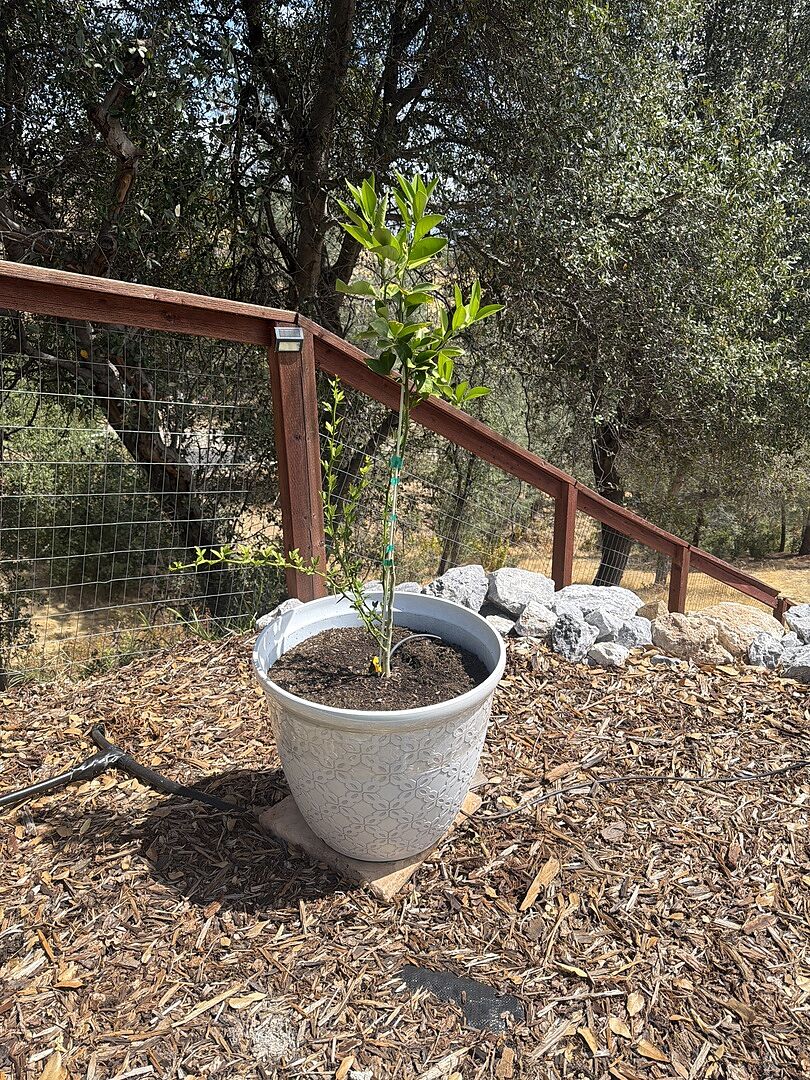
Arbequina Olive: Small Fruit With Plenty of Possibilities
Arbequina Olive Trees are valued for their productive crops of small, flavorful olives. Unlike apples or lemons, olives generally aren’t eaten directly from the tree. Fresh olives contain naturally bitter compounds and need to be cured or pressed before they’re ready for the table.
When to harvest Arbequina Olive Trees
Harvest timing depends on how you plan to use them.
Green olives are picked earlier and generally produce a sharper, more robust flavor. As the fruit matures, it changes from green to shades of purple and black. Darker fruit usually has a softer, richer flavor and contains more oil.
For home oil pressing, allow much of the crop to turn purple-black. For curing, you can harvest at the green, partially ripe, or dark stage depending on the flavor and texture you prefer.
Gently hand-pick the olives or place a clean sheet beneath the tree and carefully comb the fruit from the branches.
Ways to use your Arbequina Olives
After proper curing or pressing, Arbequina Olives can become:
- Table olives
- Homemade olive oil
- Tapenade
- Focaccia toppings
- Pasta and grain-bowl additions
- Pizza toppings
- Salad ingredients
- Appetizer-board pairings
- Additions to roasted chicken or fish dishes
Arbequina Olives pair especially well with citrus, herbs, garlic, tomatoes, cheese, and freshly baked bread.
Plan before harvesting
Olives should be processed soon after picking, particularly when they’ll be pressed for oil. Before harvesting the full crop, choose a trusted curing method or locate an oil-processing option in your area.
Curing requires careful handling and a tested recipe. Depending on the method, the process may involve water, salt brine, dry salt, or food-grade lye. Follow established food-safety instructions closely rather than estimating measurements or timing.

Get More From Every Harvest
A productive fruit tree gives you more than something fresh to pick. It creates opportunities to try new recipes, preserve seasonal flavors, share with neighbors, and build traditions around your own harvest.
Start by learning the signs of ripeness for each variety. Pick carefully, use damaged fruit first, and choose one or two simple ways to preserve anything you can’t enjoy right away.
From fresh lemons squeezed into a summer drink to apples saved for a winter pie, the best part of growing fruit may be discovering just how much you can do with it.
Need a Little Extra Guidance?
Every yard is different, and sometimes the best next step is talking through your project with an expert. Whether you're deciding which fruit tree is right for your climate, wondering when to harvest, or looking for tips to get the most from your plants, our Plant Consultants are here to help.
Schedule a one-on-one consultation for personalized recommendations, growing advice, and answers tailored to your yard so you can grow with confidence from planting to harvest.