4 Essential Skills Every Gardener Should Know

You don’t need to know everything about gardening to help a plant thrive. A few foundational skills can make planting day easier, prevent common problems, and give your trees and plants a stronger start.
The four skills worth learning first are simple: watering, digging, pruning, and staking. You’ll use them again and again, whether you’re planting your first tree, filling a garden bed, or caring for a yard you’ve grown for years.
Here’s how to approach each one and why it matters.
1. How to Water Plants
Watering sounds straightforward, but more water does not always mean a healthier plant. The goal is to give the roots the moisture they need without leaving the surrounding soil constantly saturated.
Check the soil first
Before reaching for the hose, check the soil a few inches below the surface.
If it still feels moist, give the plant more time. If it feels dry, it’s likely ready for water.
This quick check is more dependable than following the same schedule every week. Rainfall, temperature, soil type, drainage, and the plant’s stage of growth can all change how quickly the ground dries.
Water slowly and deeply
Apply water near the base of the plant, directly over the root zone. A slow, deep watering gives moisture time to move into the soil instead of running across the surface.
Deep watering also encourages roots to grow farther into the ground, where they’re better protected from heat and short dry periods.
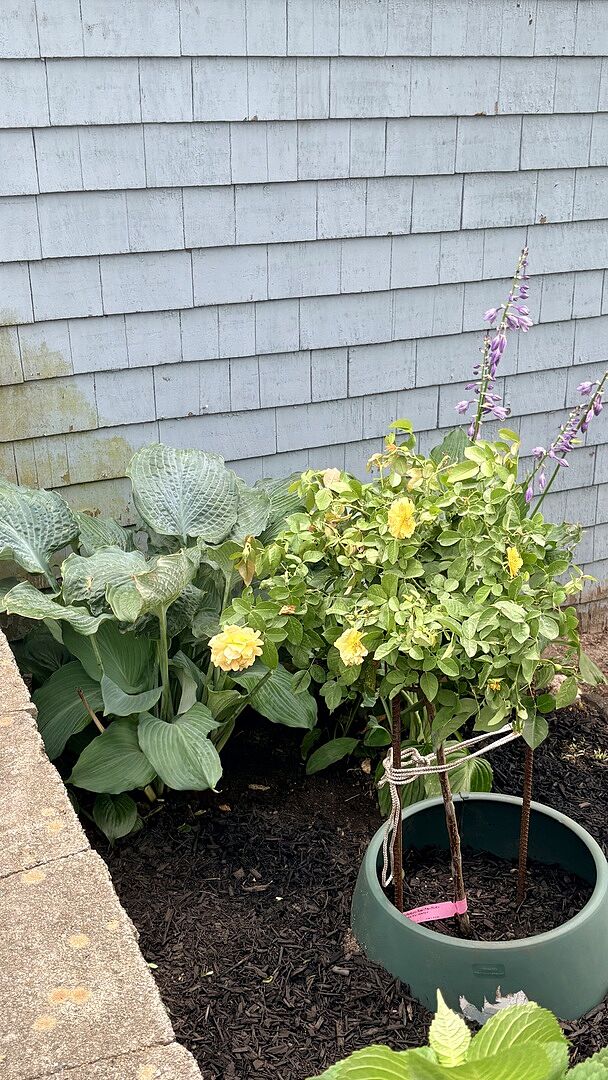
For newly planted trees and shrubs, make sure the original root ball receives water. The soil around it may feel damp while the center of the root ball remains dry. Check out our Tree Mate Jr. Slow Release Watering Ring designed to distribute the right amount of water right to your roots for healthier growth.
Water in the morning
Morning is generally the best time to water. Temperatures are cooler, evaporation is lower, and the plant can use the moisture throughout the day.
When possible, avoid routinely wetting the foliage. Watering at the base helps direct moisture where it’s needed and reduces the amount that sits on leaves.
Watering quick tips
- Check the soil before watering.
- Water when the soil feels dry a few inches below the surface.
- Apply water slowly at the base.
- Make sure moisture reaches the full root ball.
- Water in the morning when possible.
- Adjust for rainfall, heat, and drainage.

2. How to Dig a Planting Hole
A healthy plant can only do so much if it’s placed too deeply or its roots don’t have room to spread. The shape and depth of the planting hole help determine how easily a new plant can establish.
Dig wider, not deeper
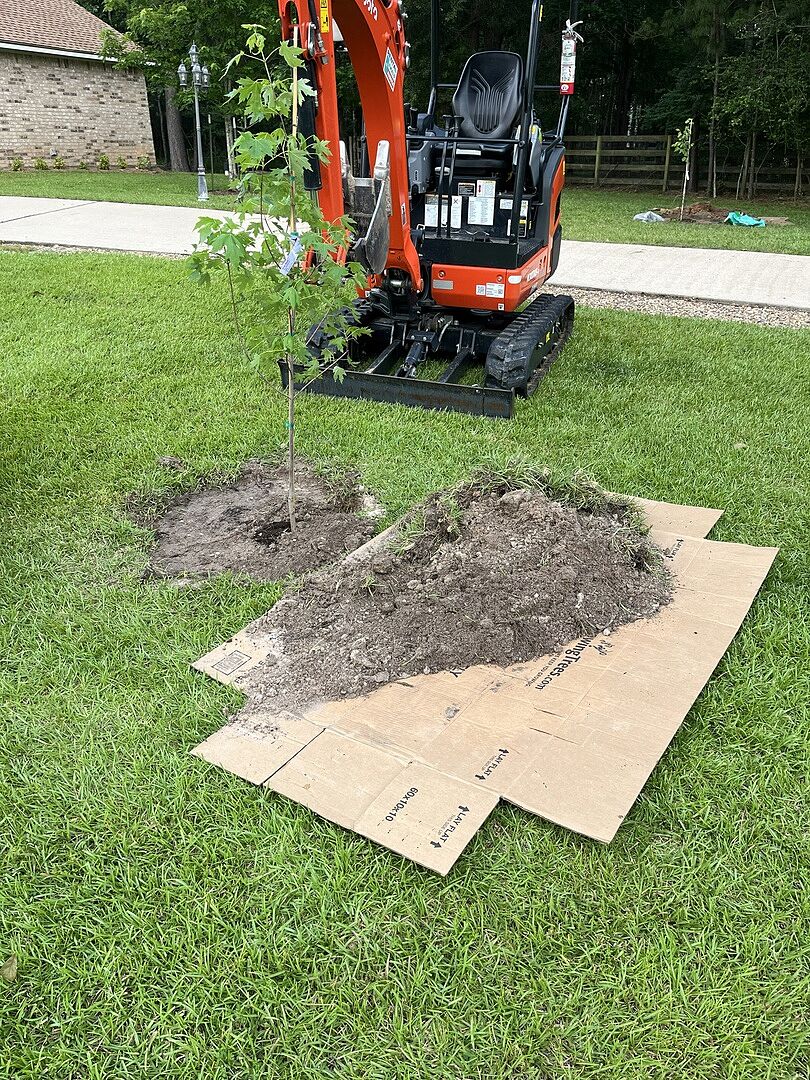
The planting hole should be wider than the root ball, but generally no deeper than the root ball itself.
A wider hole loosens the surrounding soil and gives new roots an easier path outward. An overly deep hole can cause the plant to settle below the surrounding grade, where excess soil and water may collect around the trunk.
Find the root flare
The root flare is the area where the trunk begins to widen and transition into the main roots. For most trees, it should remain visible at or slightly above the surrounding soil level after planting.
Before placing the tree in the hole, remove enough soil from the top of the root ball to locate the first major roots. Nursery soil or mulch can sometimes cover the flare.
Loosen the surrounding soil
Use your shovel to roughen the sides of the planting hole, particularly in dense or compacted soil. Smooth, hardened walls can make it more difficult for roots to move into the surrounding ground.
If roots are tightly circling the outside of a container-grown root ball, gently loosen them before planting. This encourages them to grow outward rather than continuing in the same circular pattern.
Position before backfilling
Place the plant in the hole and step back to check its position. Make sure it’s upright, facing the direction you want, and sitting at the right depth before adding soil.
Backfill with the soil you removed, gently firming it to remove large air pockets without packing it down too tightly. Finish by watering slowly and thoroughly.
Planting-hole quick tips
- Dig two to three times wider than the root ball when space allows.
- Make the hole only as deep as the root ball.
- Locate the root flare before planting.
- Keep the flare at or slightly above soil level.
- Loosen compacted soil around the edges.
- Check the plant’s position before backfilling.
- Water thoroughly after planting.

3. How to Prune Trees and Plants
Pruning can improve plant structure, remove problems, and encourage healthy growth. But more pruning isn’t necessarily better.
A good rule is to start with a clear reason for every cut.
Begin with the three Ds
Look first for branches that are:
- Dead
- Damaged
- Diseased
These are generally the first branches to remove. You can also address limbs that rub against or cross one another, since repeated friction may damage the bark.
After that, pause and assess the plant before cutting anything else.
Use the right tool
Clean, sharp tools create smoother cuts and are easier on the plant.
Use hand pruners for smaller stems, loppers for thicker branches, and a pruning saw for limbs that are too large for loppers. Clean tools between plants, especially when disease may be present.
Never force a tool through a branch that’s too large for it.
Make clean, thoughtful cuts
For smaller stems, cut just above a healthy bud or branch junction. Angle the cut slightly so water doesn’t collect on the surface.
When removing a larger branch, avoid cutting flush against the trunk. Leave the slightly raised branch collar intact, since this area helps the tree seal the wound naturally.
Know when to stop
Avoid removing too much living growth at one time. Heavy pruning can stress a plant and trigger weak, excessive regrowth.
Timing also matters. The best pruning season depends on the variety and your goal. Some flowering plants form next season’s buds on older growth, which means pruning at the wrong time can remove future blooms.
When you’re unsure, remove only dead, damaged, or diseased material until you can confirm the right timing for that plant.
Pruning quick tips
- Start with dead, damaged, and diseased growth.
- Remove rubbing or crossing branches when needed.
- Use clean, sharp tools sized for the branch.
- Cut near a bud, branch junction, or branch collar.
- Don’t remove more simply because the tools are already out.
- Check variety-specific timing before major pruning.

For more on how to prune your fruit trees, read our Fruit Trees 101: Pruning article
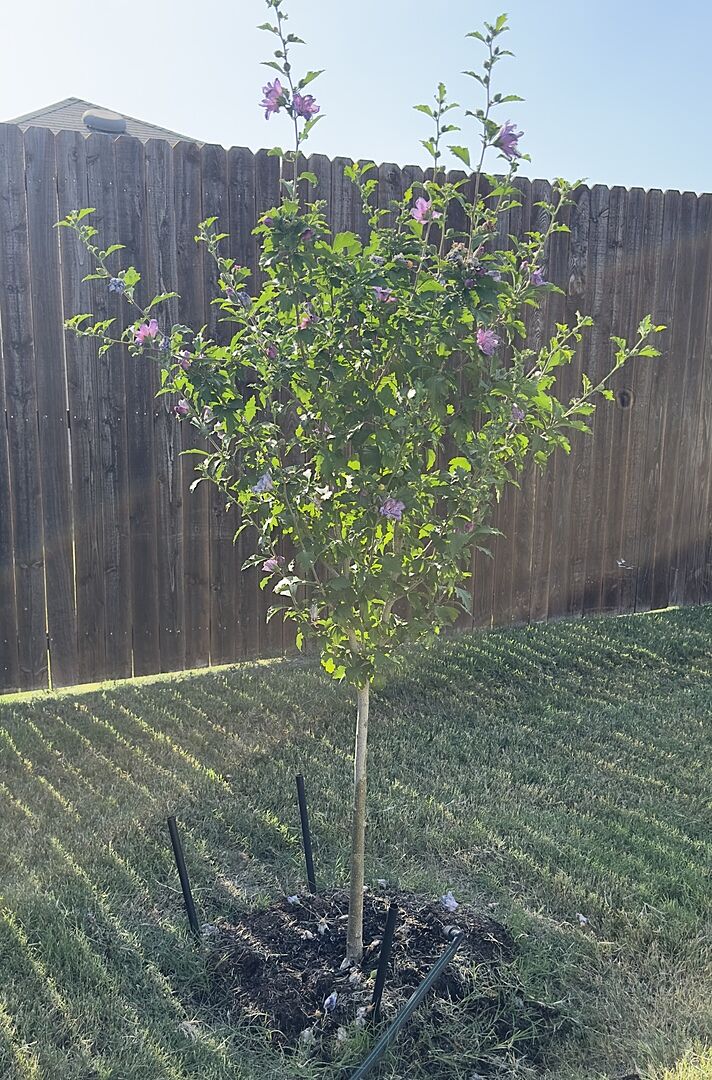
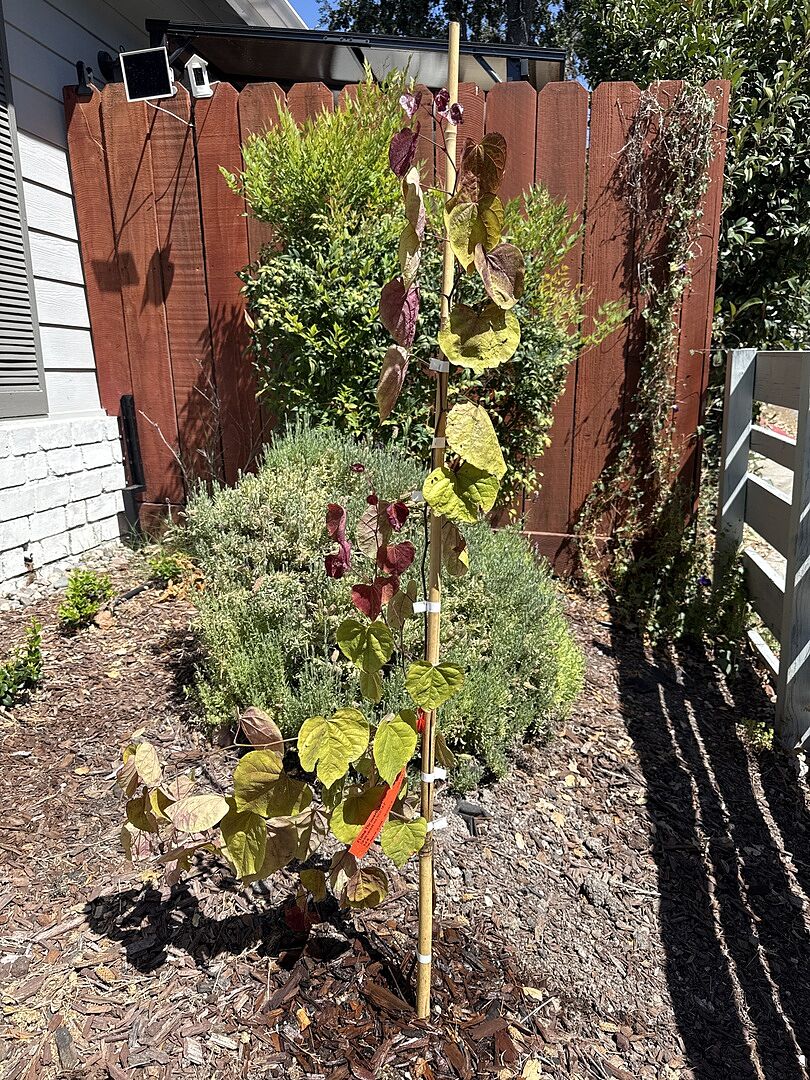
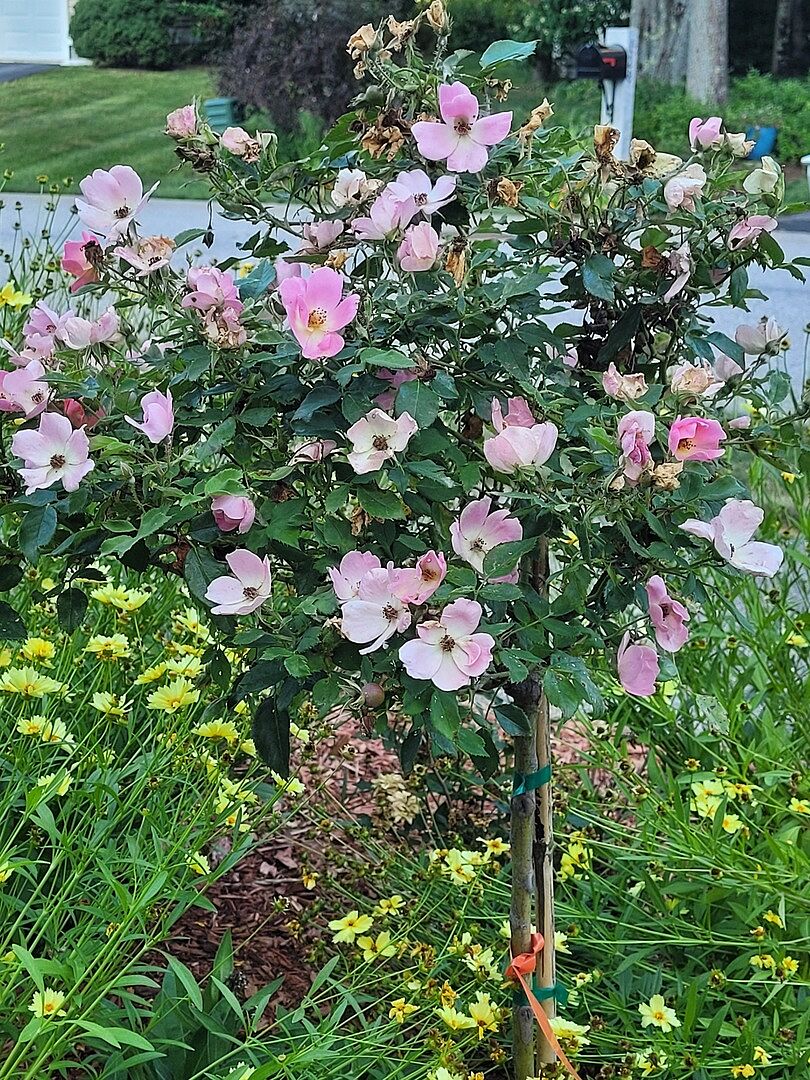
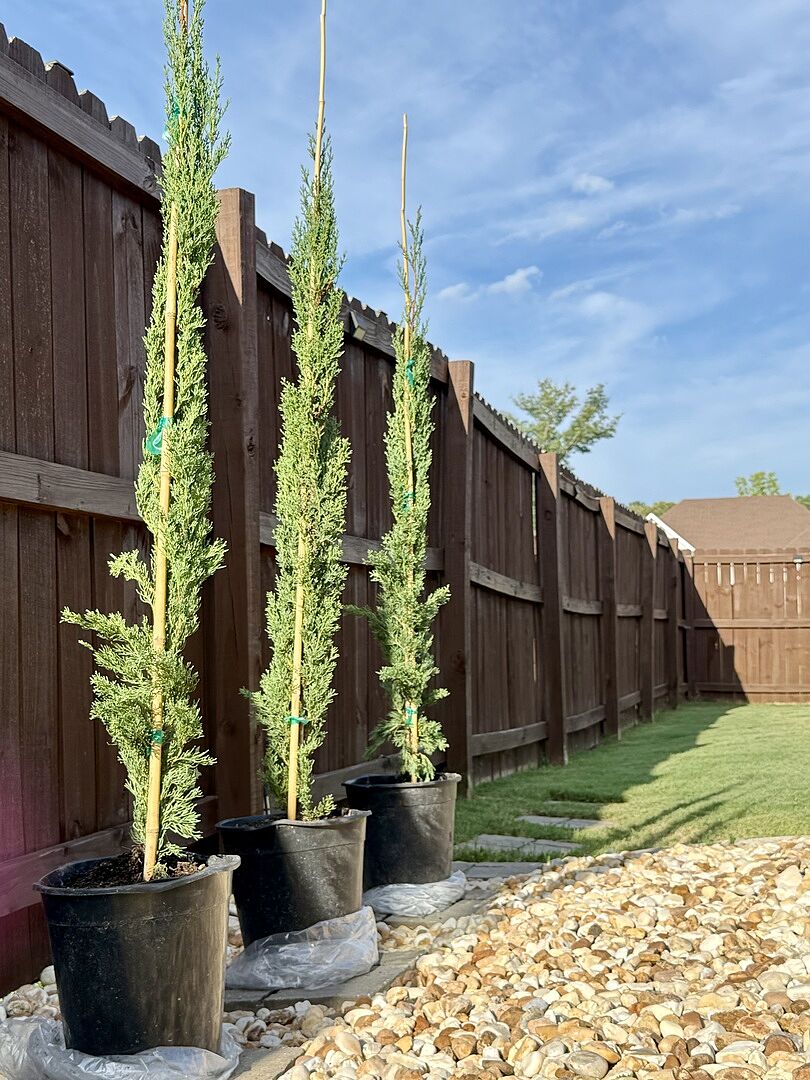
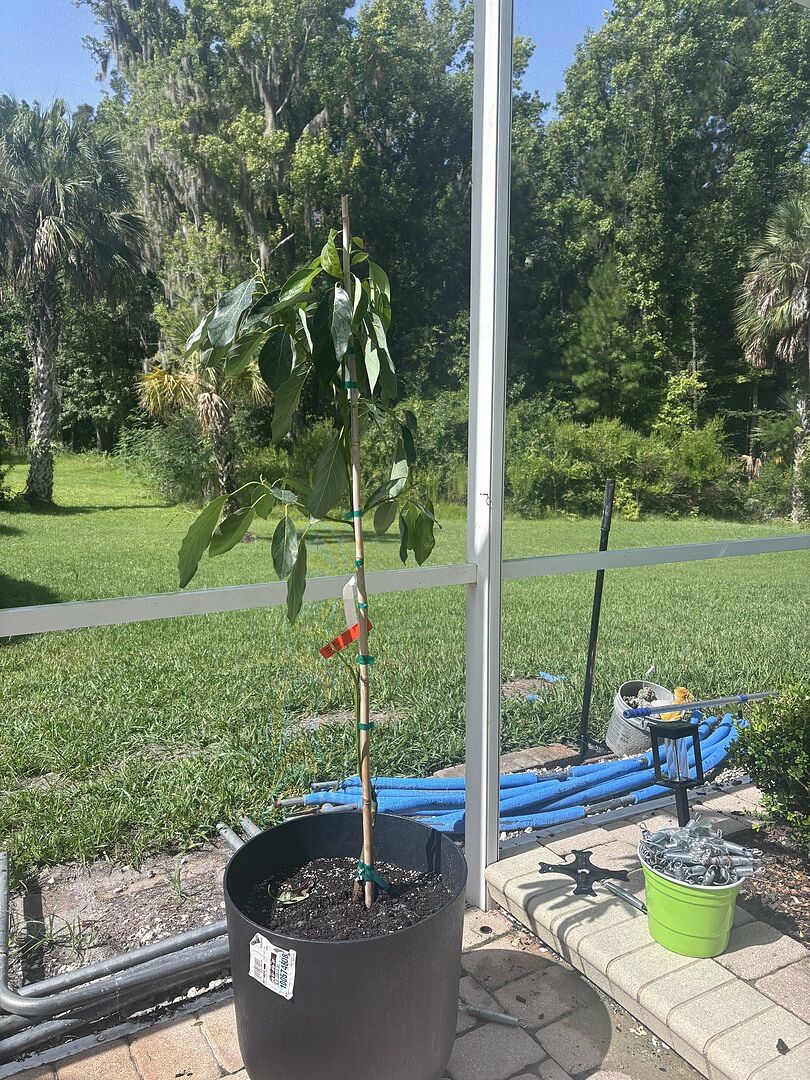
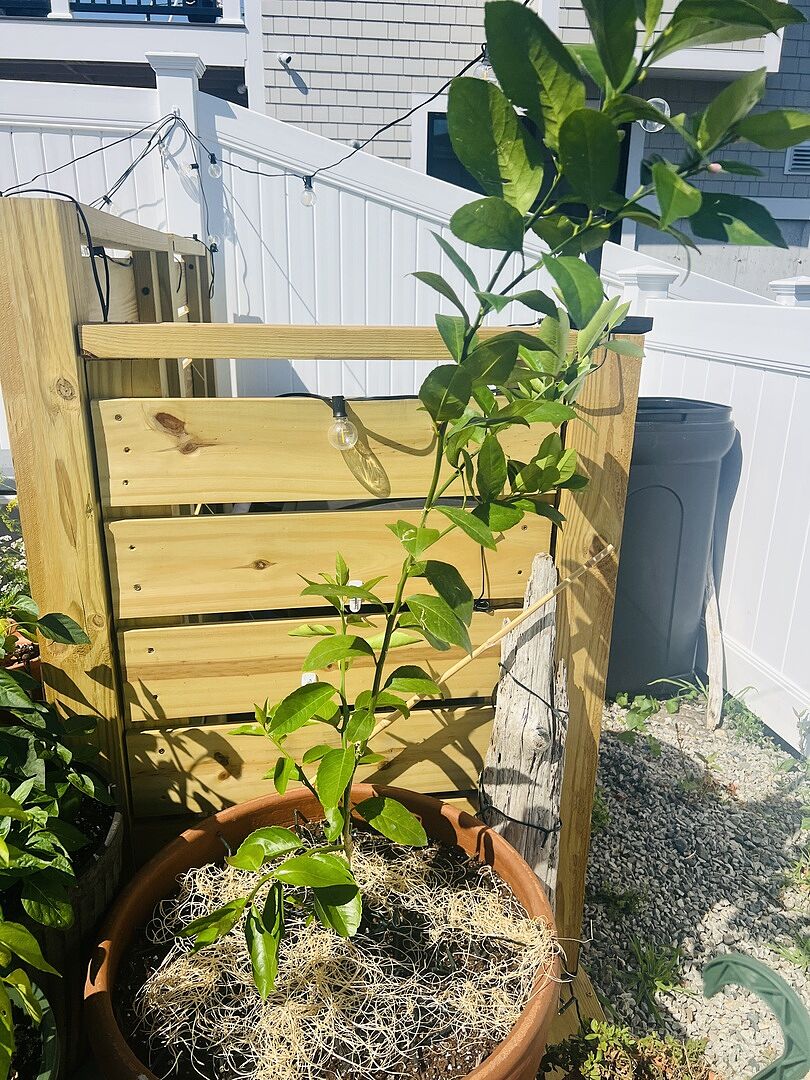
4. How to Stake a Young Tree
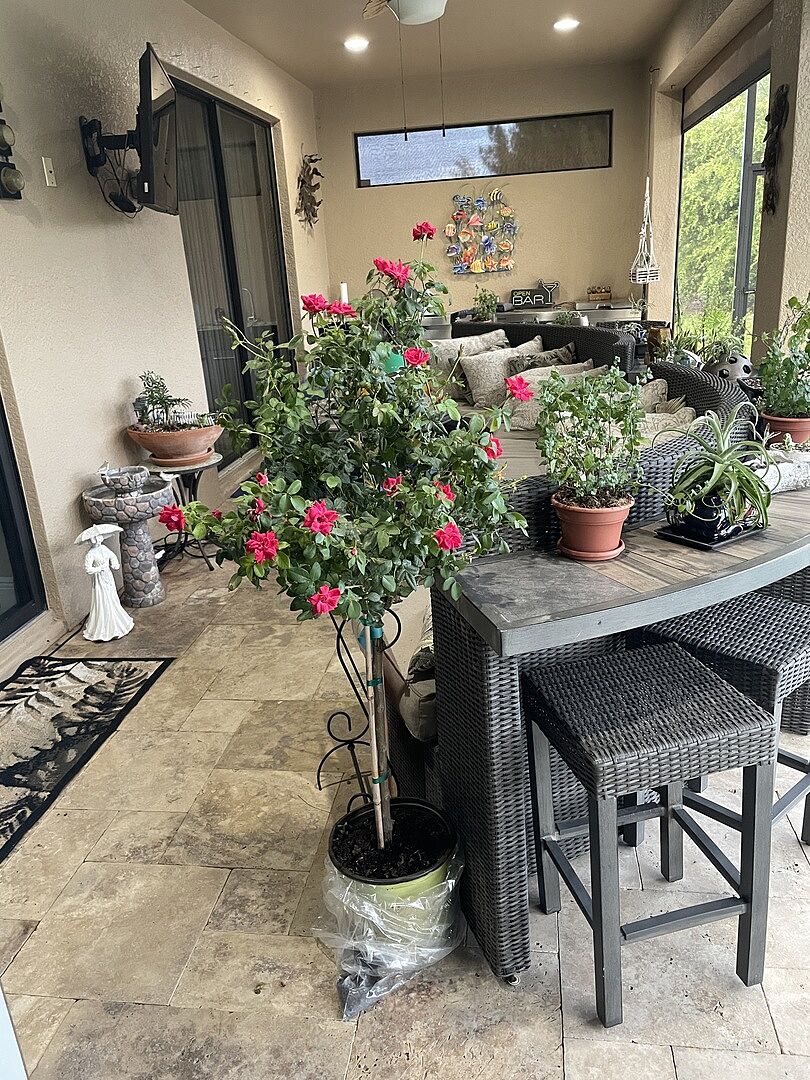
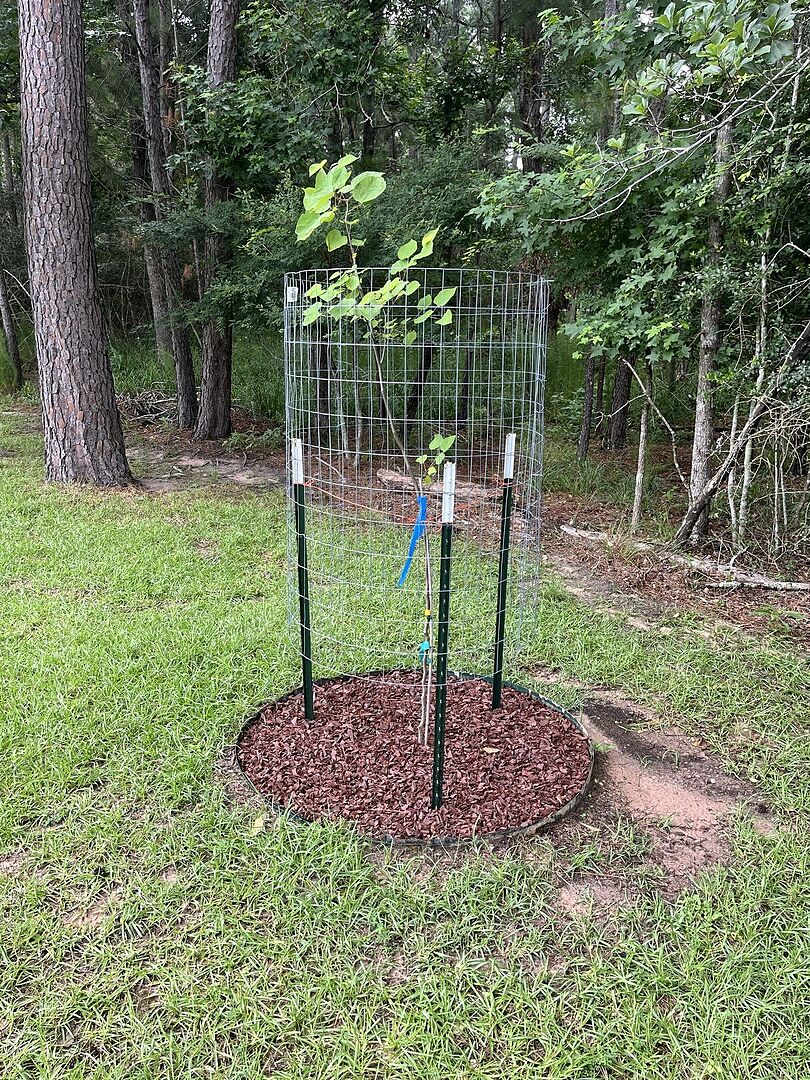
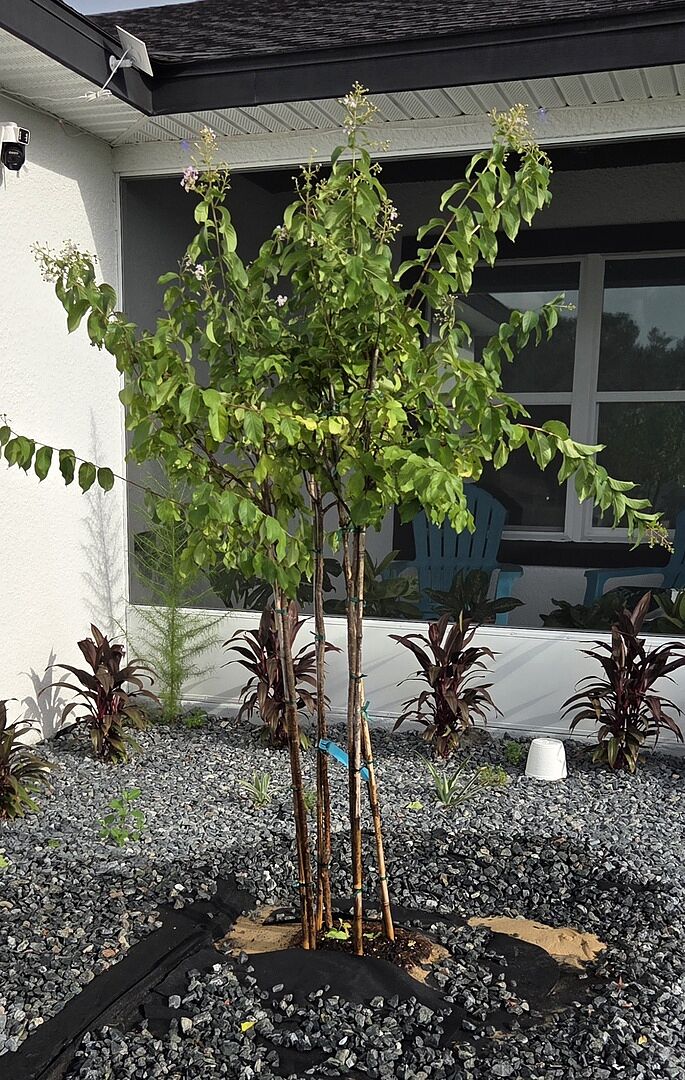
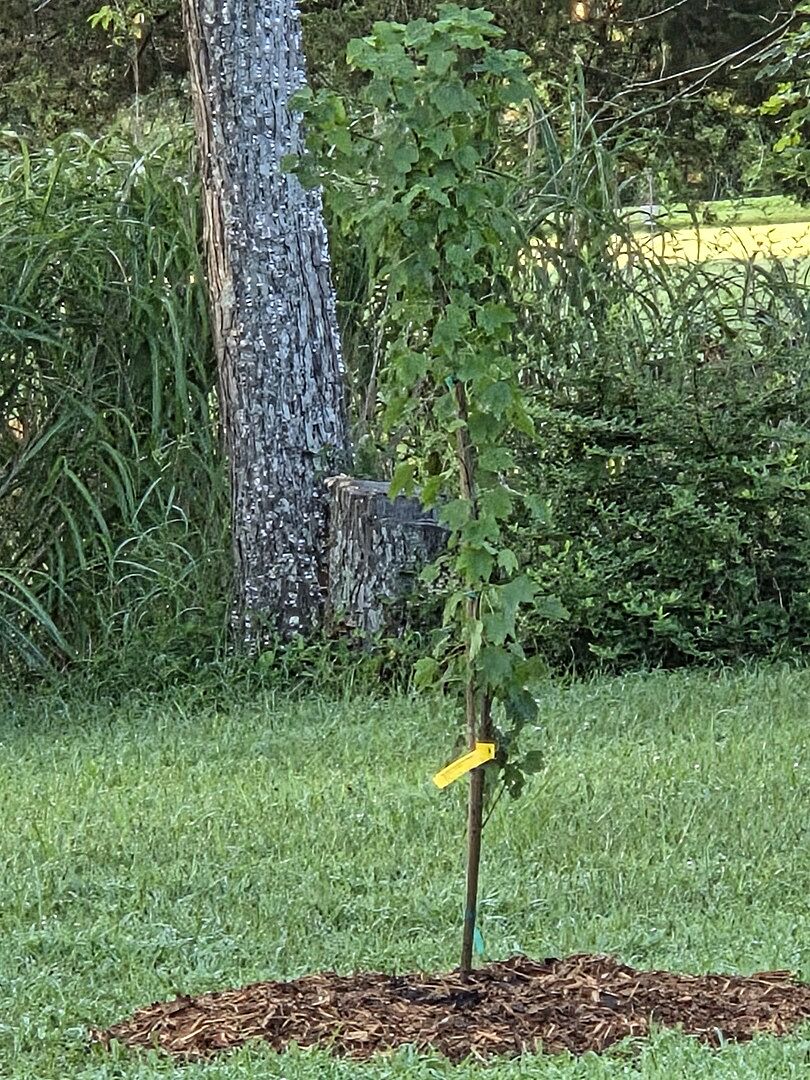
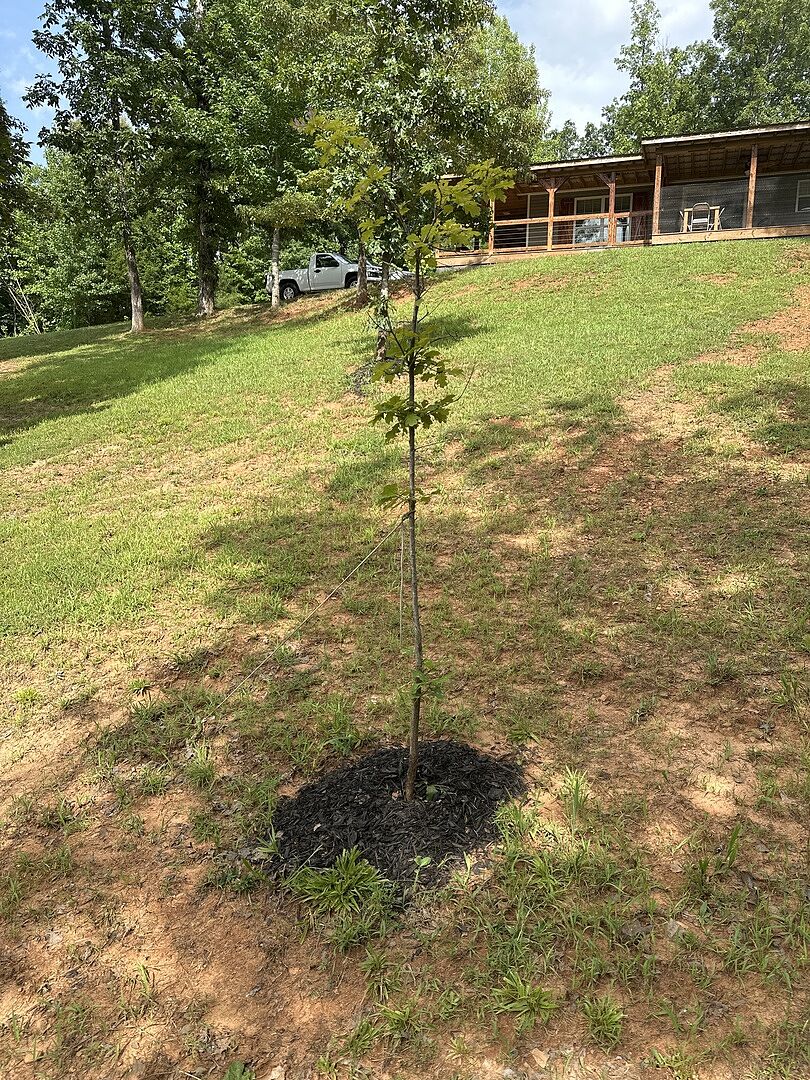
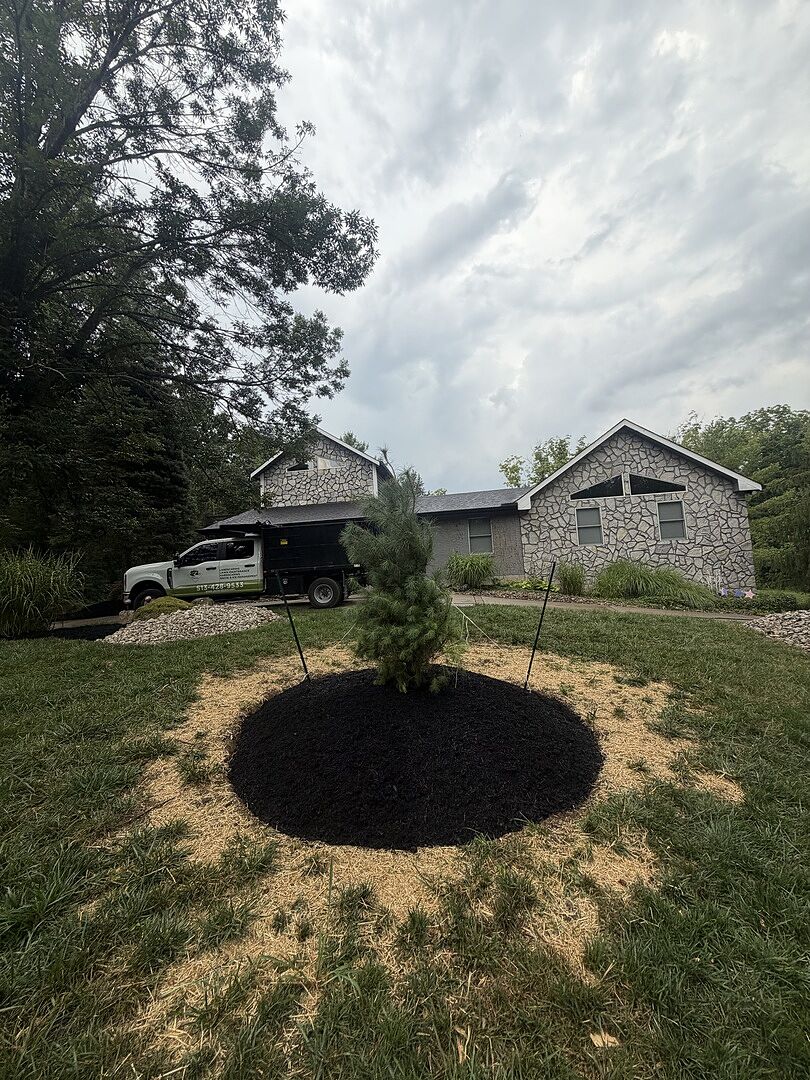
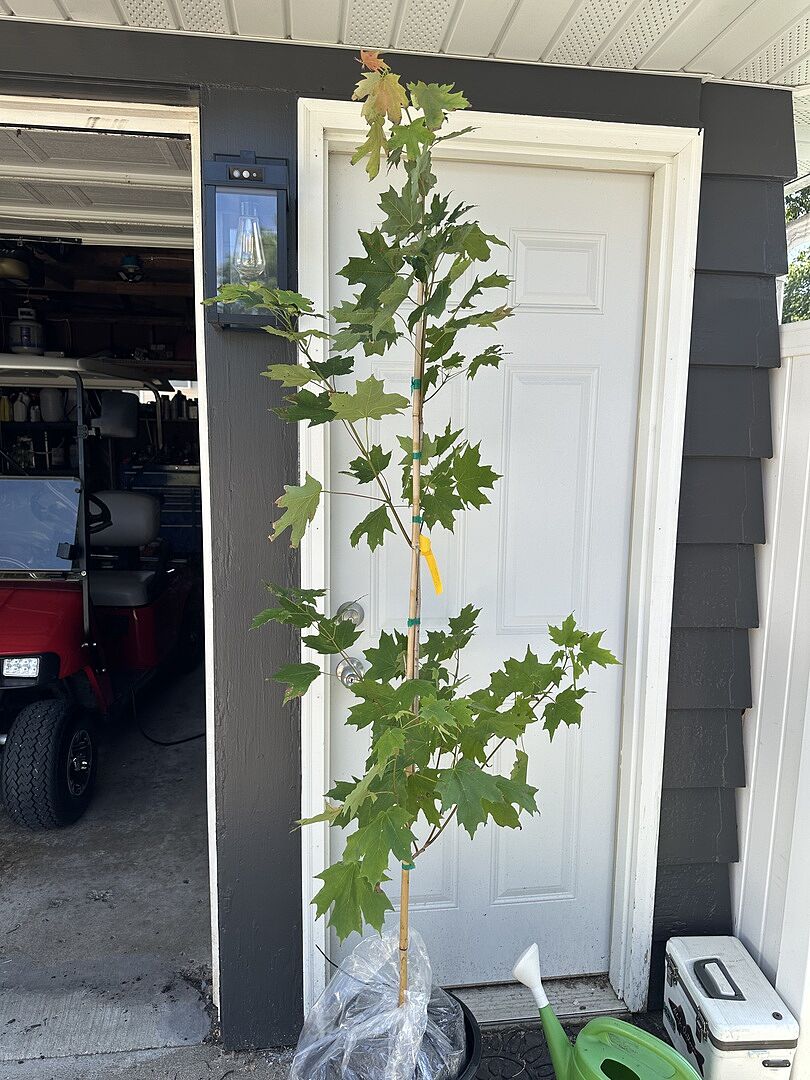
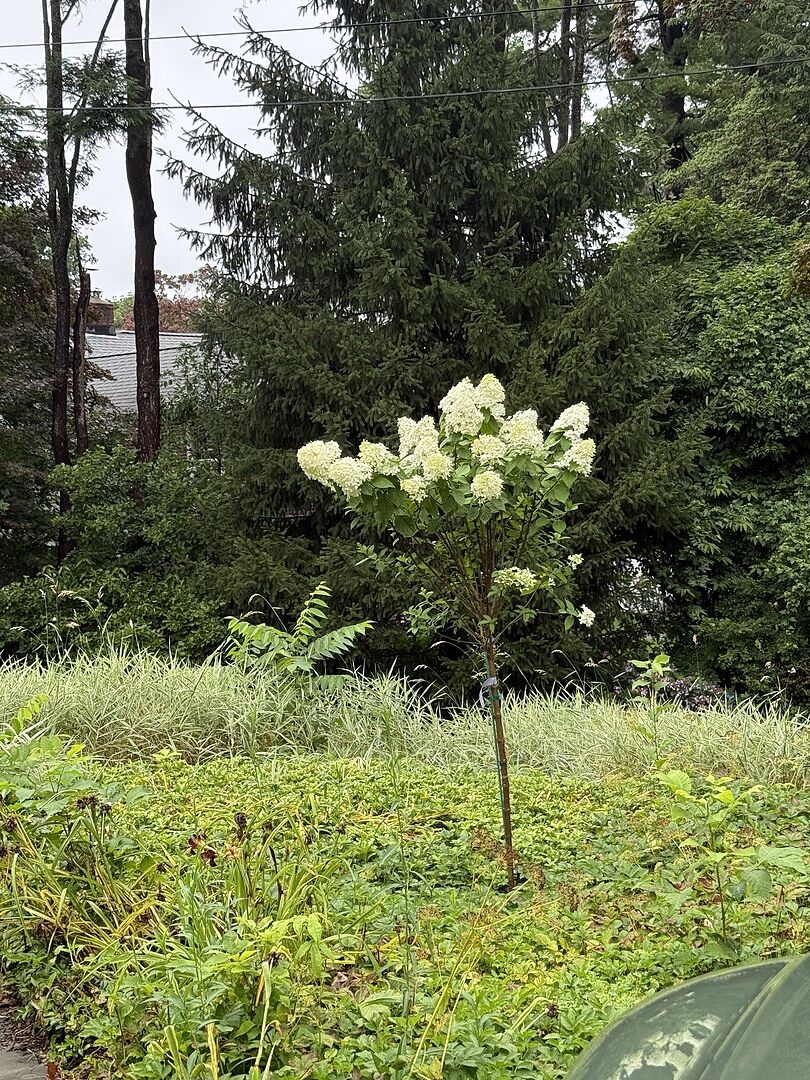
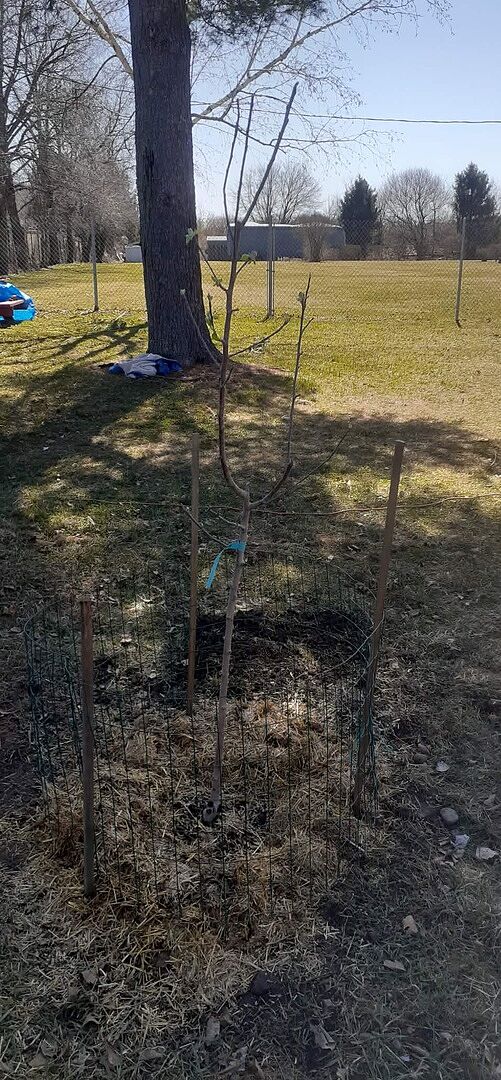
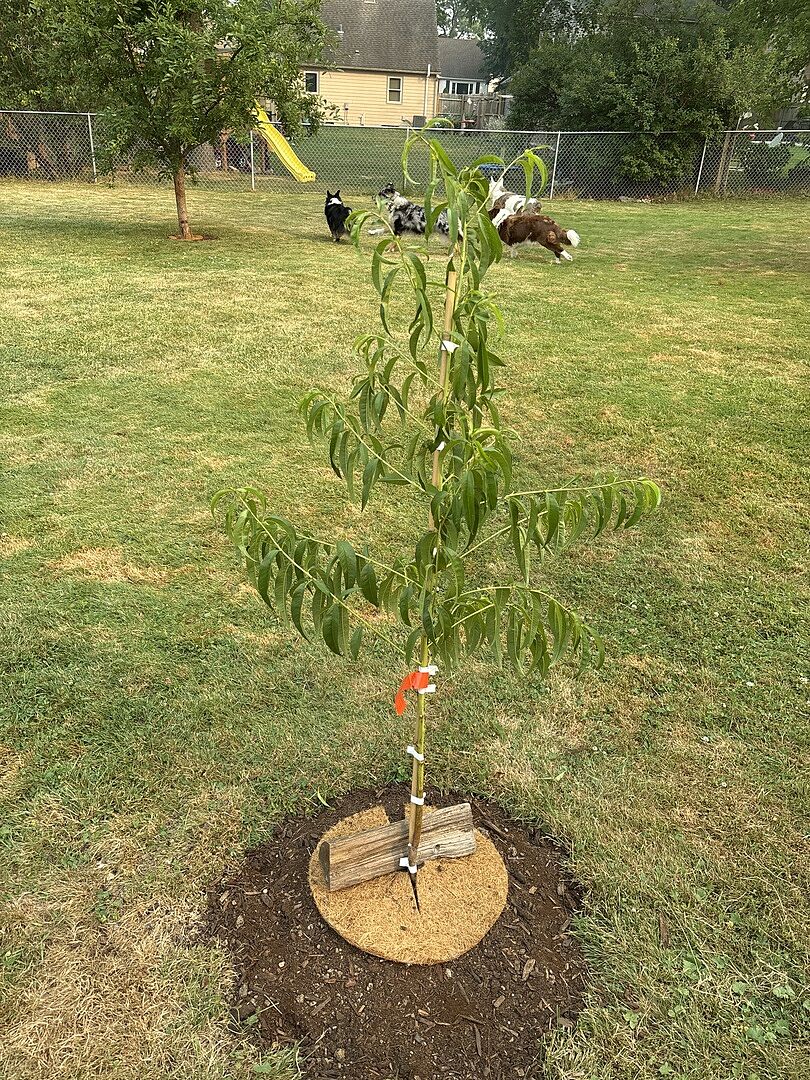
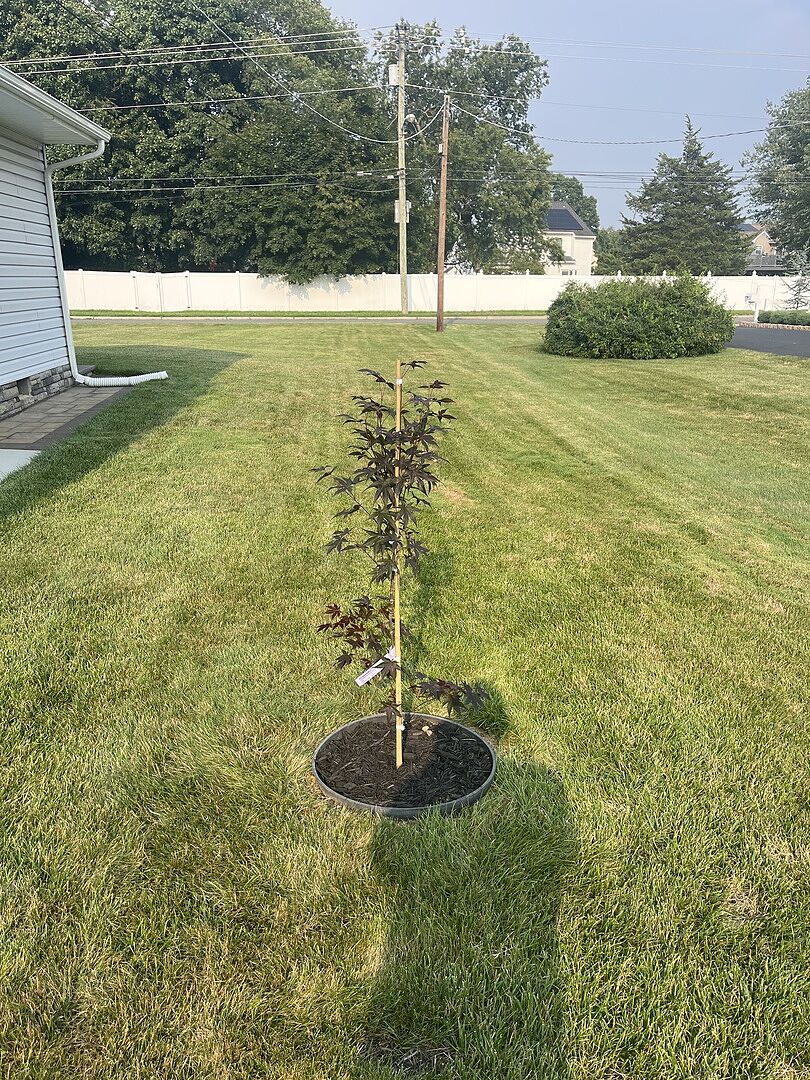
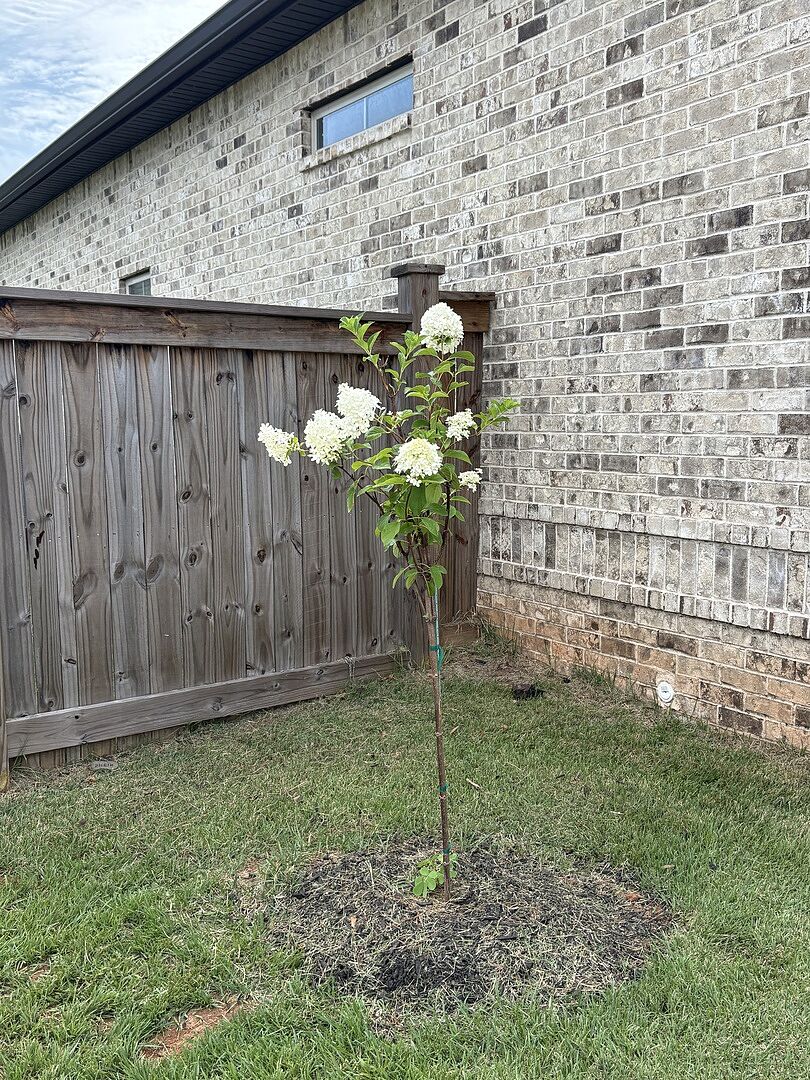
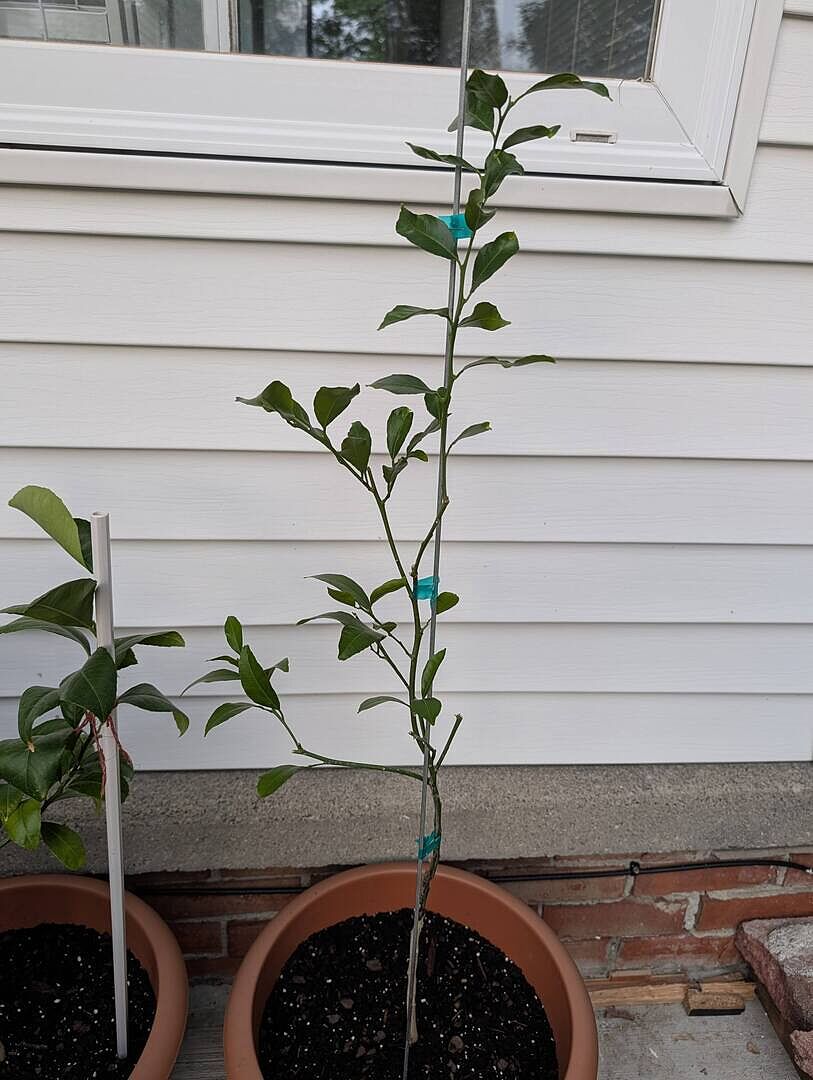
Not every newly planted tree needs to be staked. A tree that can stand upright on its own often benefits from moving naturally in the wind, which helps the trunk develop strength.
Staking is most useful when a tree is unstable, has a large canopy relative to its root ball, or is planted in an especially windy or exposed location.
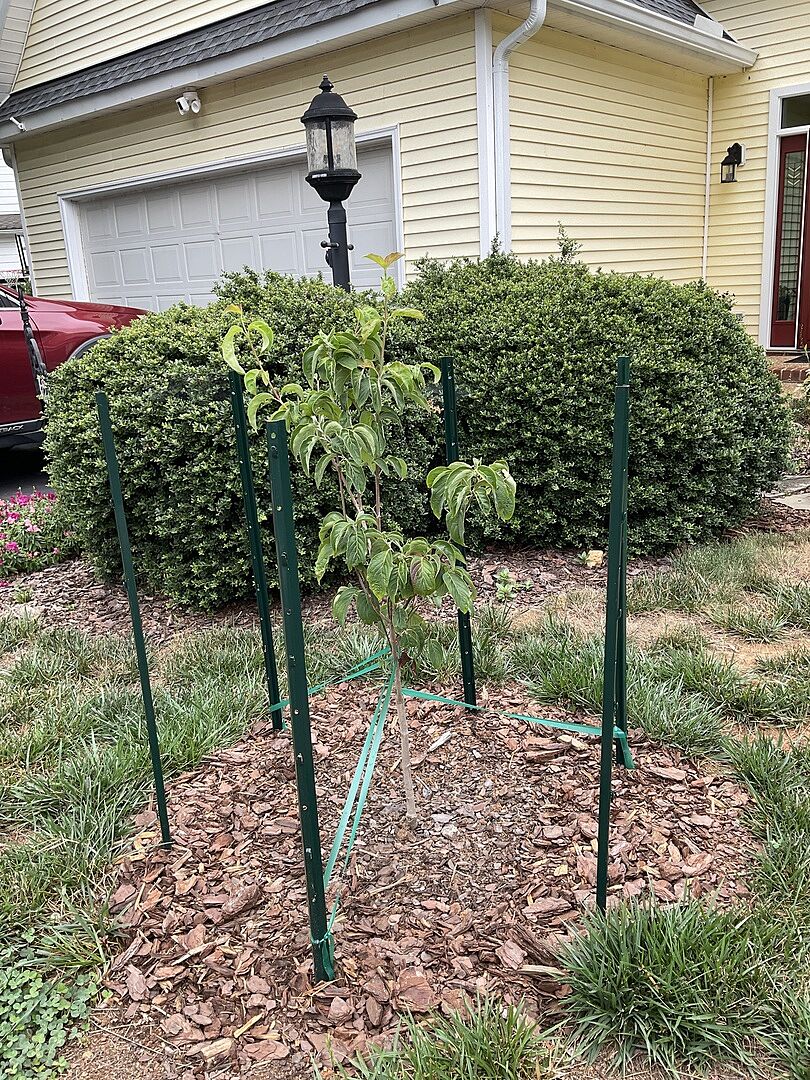
Place stakes outside the root ball
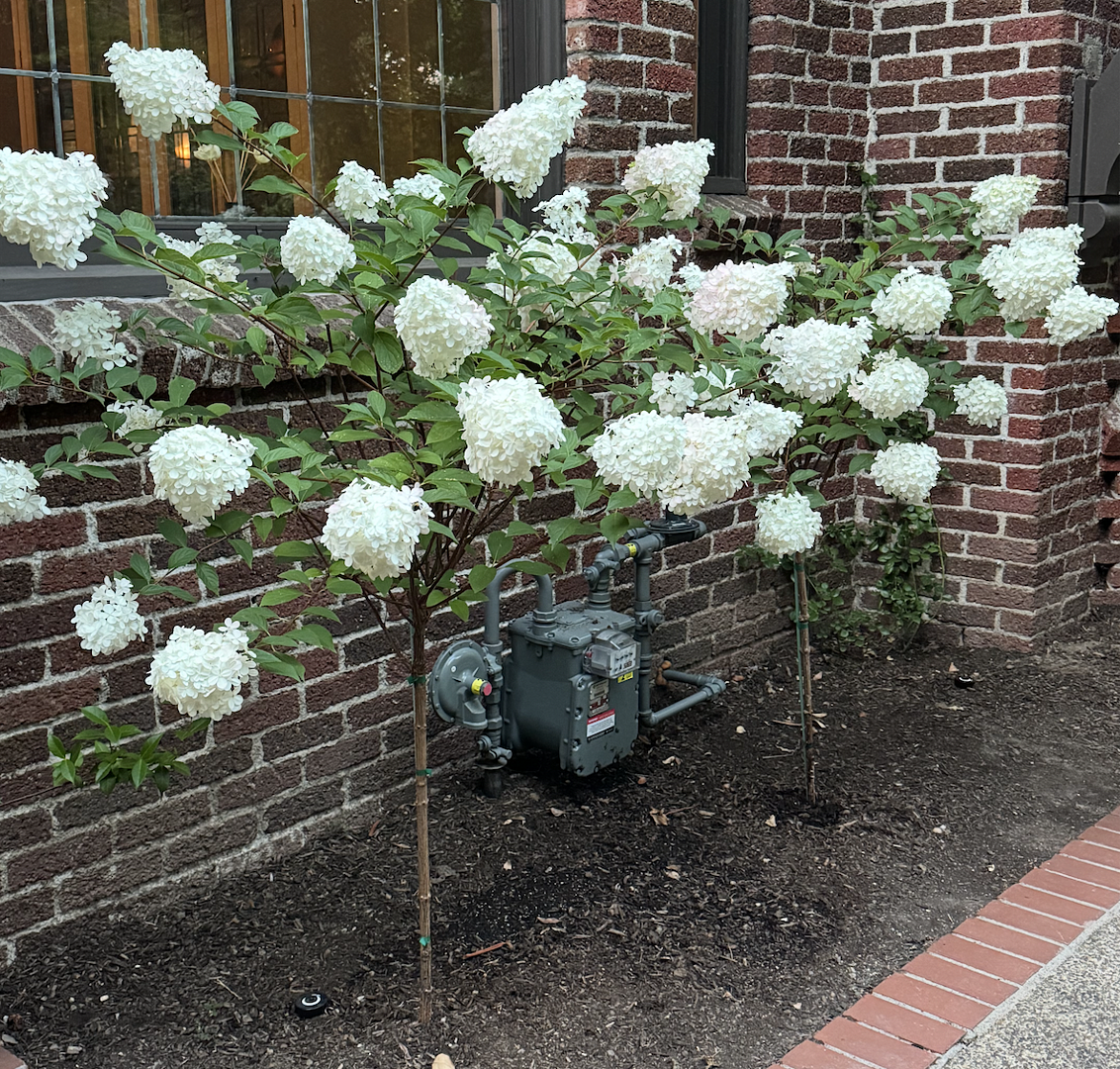
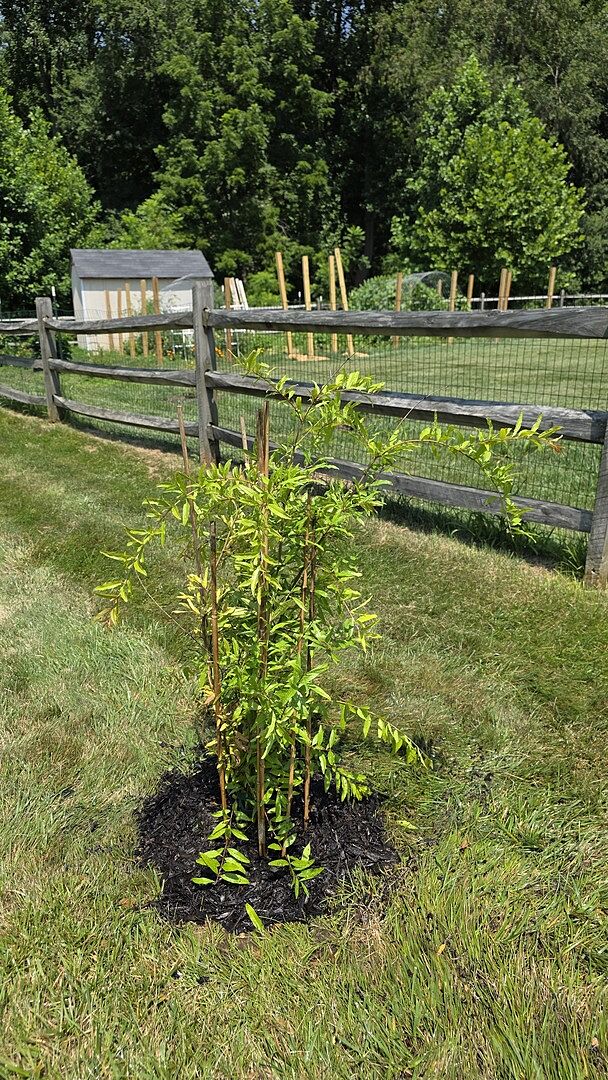
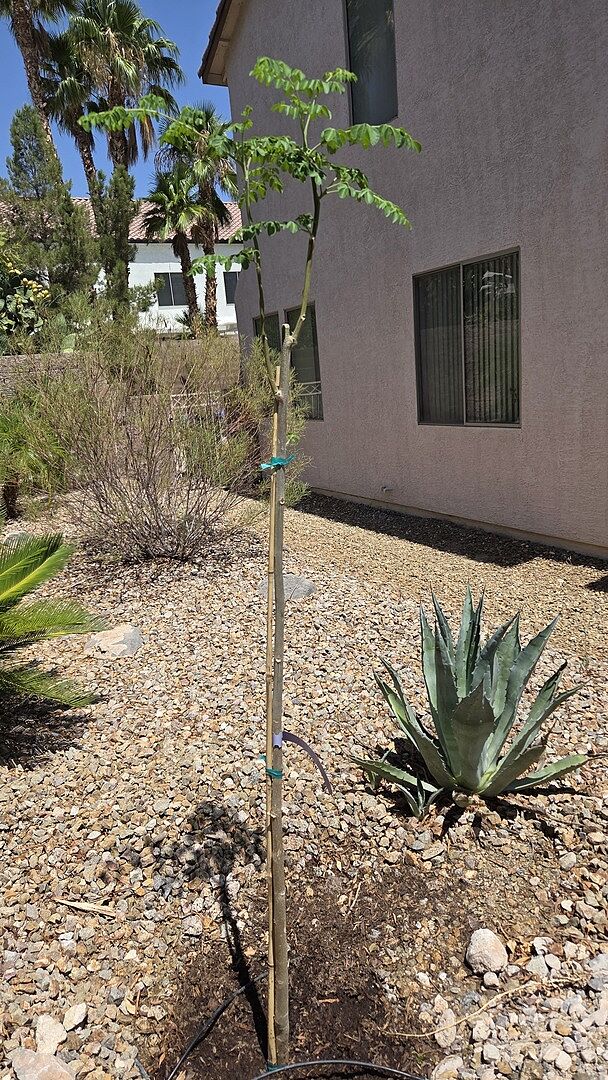
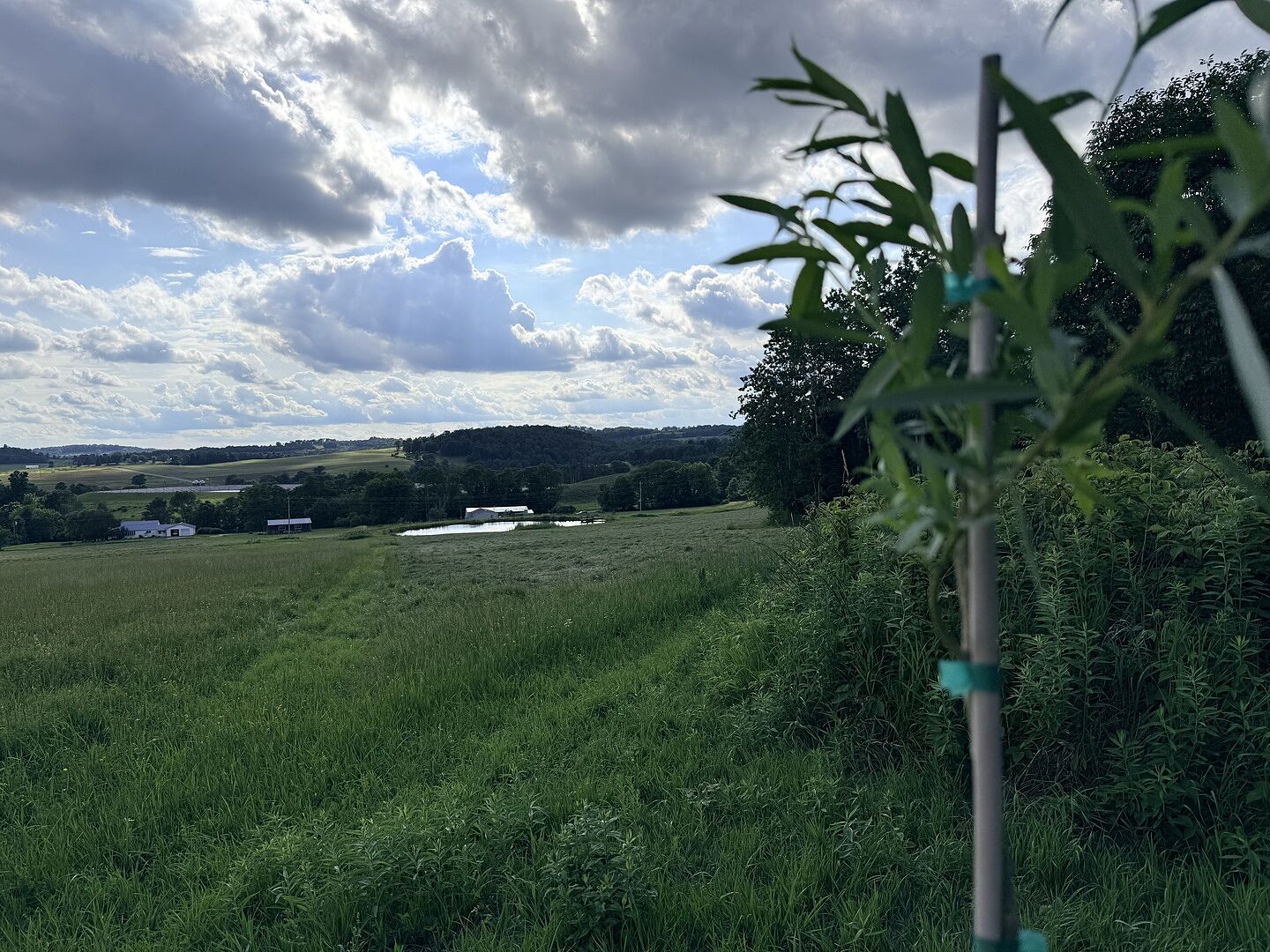
Use two stakes positioned on opposite sides of the tree, just beyond the root ball. Placing them outside the root zone reduces the risk of damaging major roots during installation.
Position the stakes in relation to the prevailing wind so the support helps stabilize the tree where it’s needed most.
Keep ties supportive, not tight
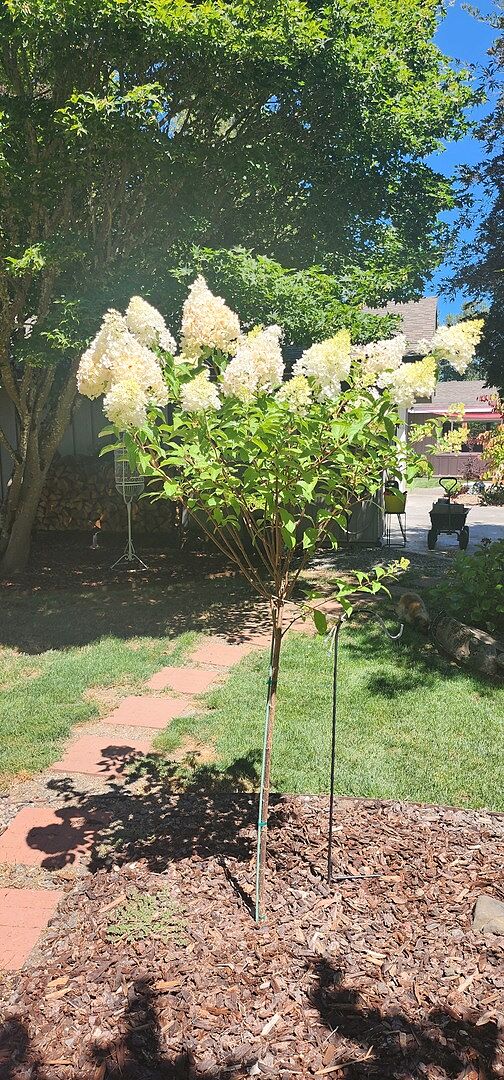
Attach the trunk with a wide, flexible tree tie. Avoid wire, rope, or narrow material that can cut into the bark.
The ties should hold the tree upright while still allowing slight movement. The goal is support—not making the trunk completely rigid.
Place the ties low enough to allow the upper trunk to move, but high enough to keep the root ball from shifting in the soil.
Check the tree regularly
As the trunk grows, ties that were once loose can become restrictive. Check them periodically and adjust anything that begins rubbing or pressing into the bark.
Most temporary staking should be removed after one growing season, once the roots can support the tree. Leaving stakes and ties in place for too long can restrict trunk development or damage the bark.
Staking quick tips
- Stake only when the tree needs additional support.
- Position stakes outside the root ball.
- Use wide, flexible ties.
- Leave enough room for slight trunk movement.
- Check ties regularly for rubbing or tightness.
- Remove the support once the tree can stand securely on its own.
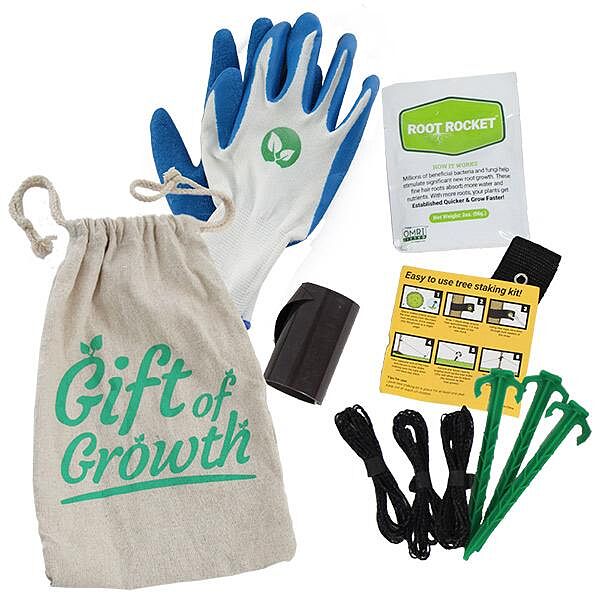
Our Tree Planting Kit is here to help you get started!
Build Confidence One Skill at a Time
Successful gardening isn’t about doing every task perfectly. It’s about noticing what your plants need and knowing a few dependable ways to respond.
- Check the soil before watering.
- Dig wide rather than deep.
- Make every pruning cut with a purpose.
- Stake only when the tree needs help standing securely.
These small habits create a stronger foundation and they become easier each time you use them.
Need Help With Your Yard?
Every plant and planting site is a little different. A Plant Consultant can help you choose the right plants, plan your space, or work through planting and care questions with advice tailored to your yard.
Schedule time with a Plant Consultant and grow with greater confidence.
Schedule a Plant Consultation →