How to Plant Privacy Trees: Spacing, Care, and Choosing the Right Trees

Last updated: Apr 13 2026

Creating privacy in your yard doesn’t have to mean installing a fence. Privacy trees offer a natural way to define your space while also adding greenery, reducing noise, and improving the overall feel of your landscape. The right privacy trees can make a lasting difference.
This guide will walk you through everything you need to know. From planning and spacing to choosing the right varieties, you can plant with confidence and enjoy your space for years to come.
Planning Your Privacy Trees
Taking a little time to plan upfront makes a big difference in how your privacy screen looks and performs over time.
Define Your Purpose
Start by thinking about what you want your trees to do.
Are you looking for:
-
Full privacy from neighbors?
-
A softer backdrop for your garden?
-
Wind or noise reduction?
-
Year-round greenery or seasonal color?
Knowing your goal will help you choose the right type of tree and layout for your space.

Measure Your Space
Next, consider the area you want to cover.
-
How wide is the space?
-
How tall do you want your privacy screen to be?
-
How much room do you have for growth?
Your answers will help determine how many trees you need, how far apart to plant them, and which varieties will work best.
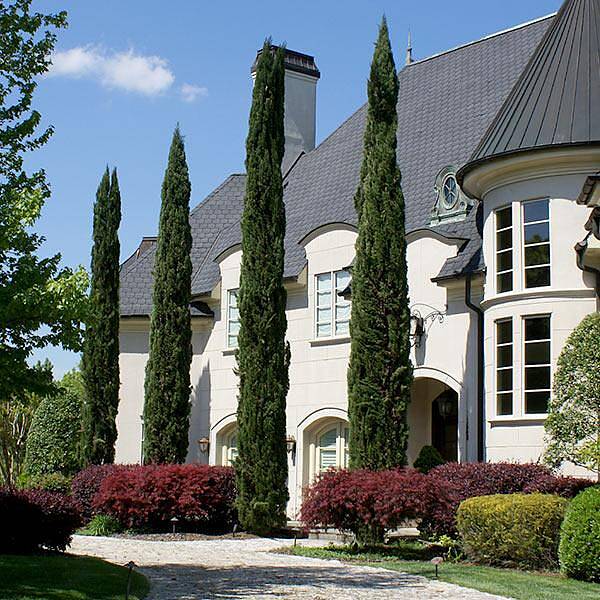
For smaller yards, narrow or compact evergreens are often a good fit. Larger spaces allow for wider, fuller trees or staggered planting designs.

Evergreen vs. Deciduous Privacy Trees
Choosing between evergreen and deciduous trees depends on how much privacy you want throughout the year.
Evergreen Trees (Year-Round Privacy)
Evergreens keep their foliage all year, making them one of the most popular choices for privacy.
They:
-
Provide consistent coverage in every season
-
Create a dense, natural screen
-
Add structure and color to your landscape
Popular Evergreen Privacy Trees:
-
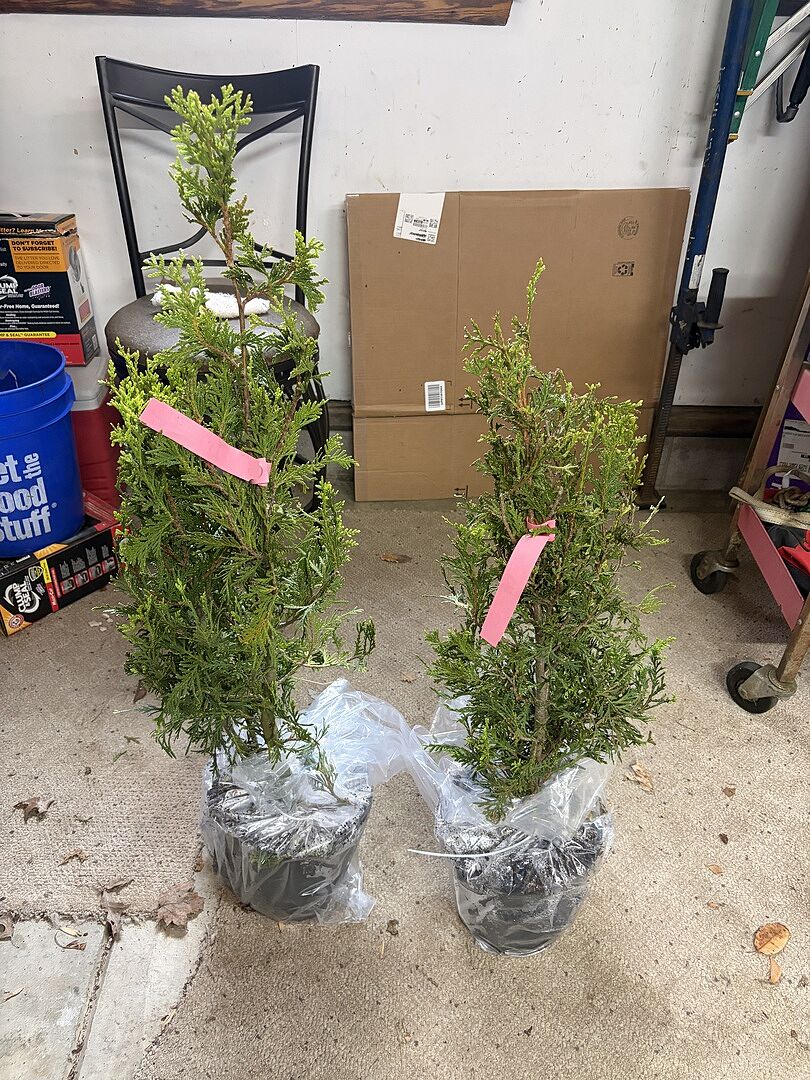
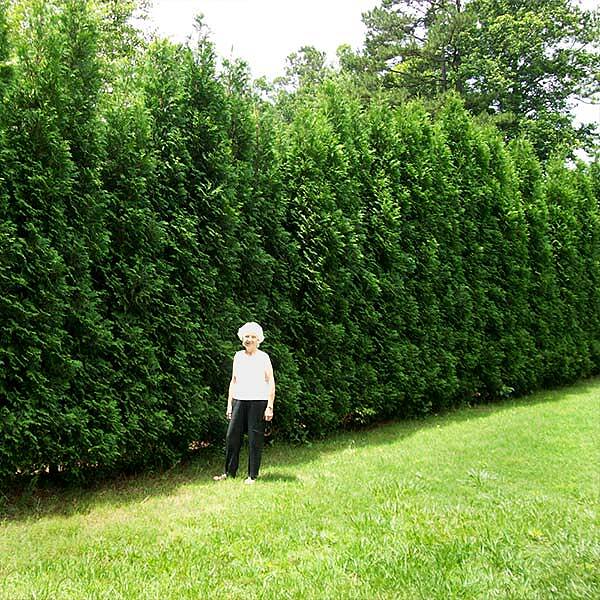
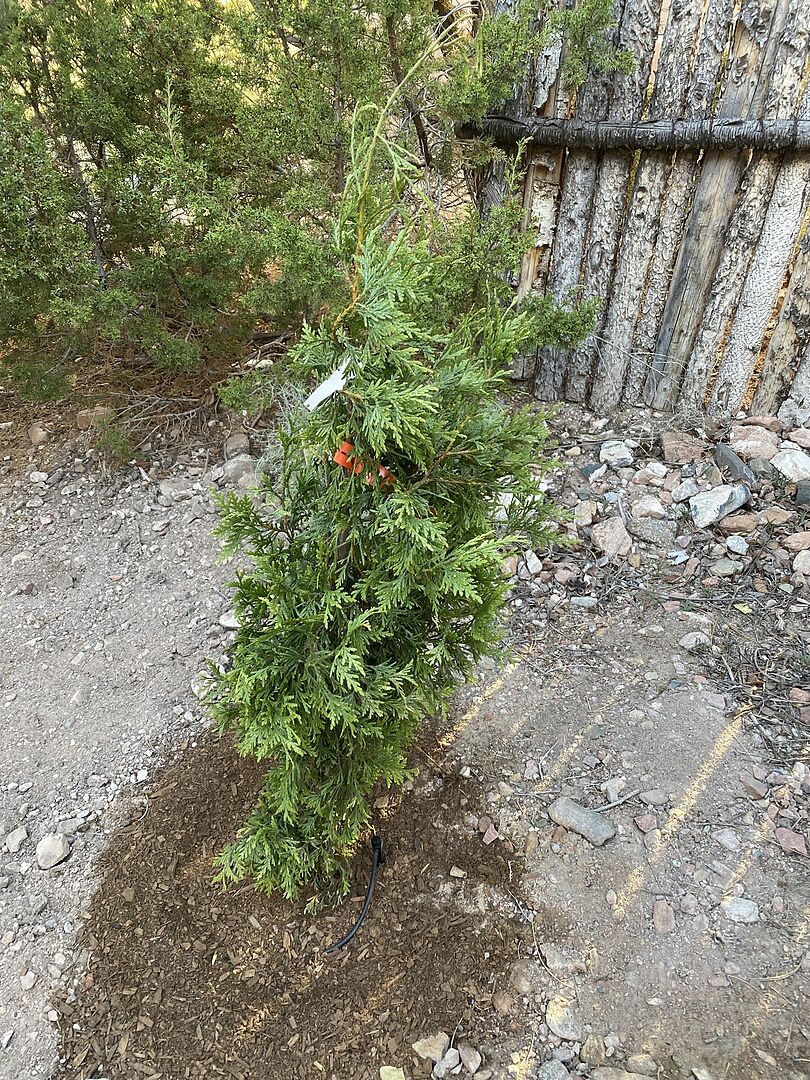
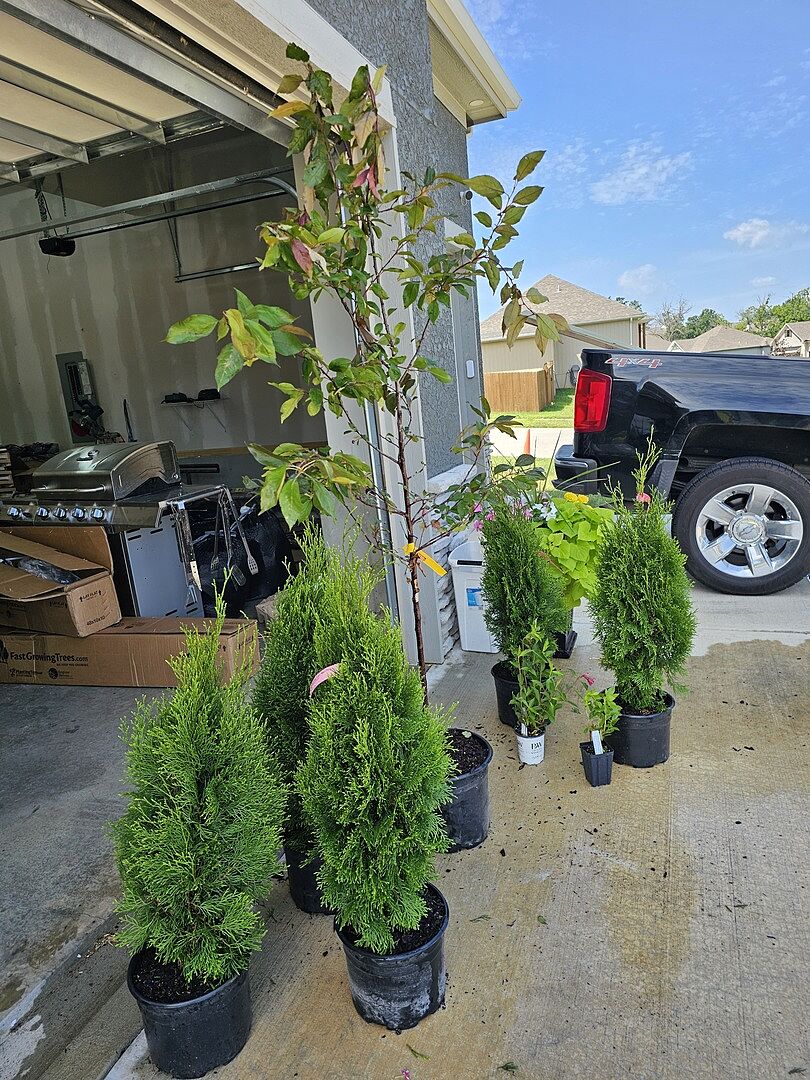
Thuja Green Giant Arborvitae: A fast-growing favorite for quickly creating a tall, dense screen
-
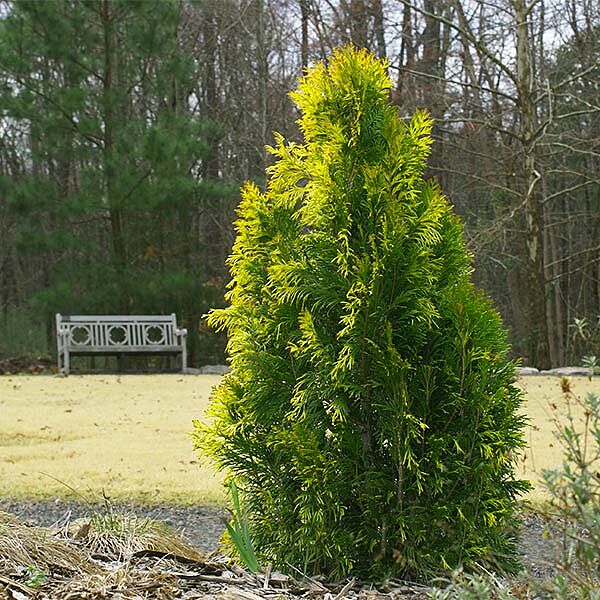
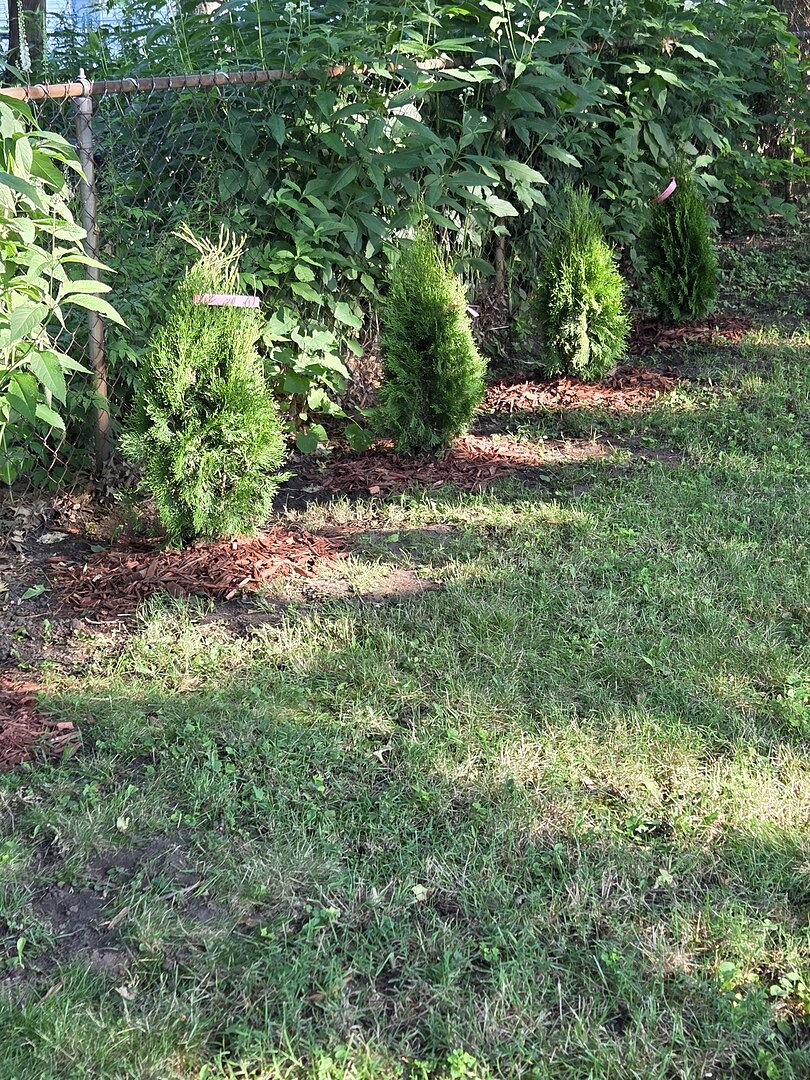
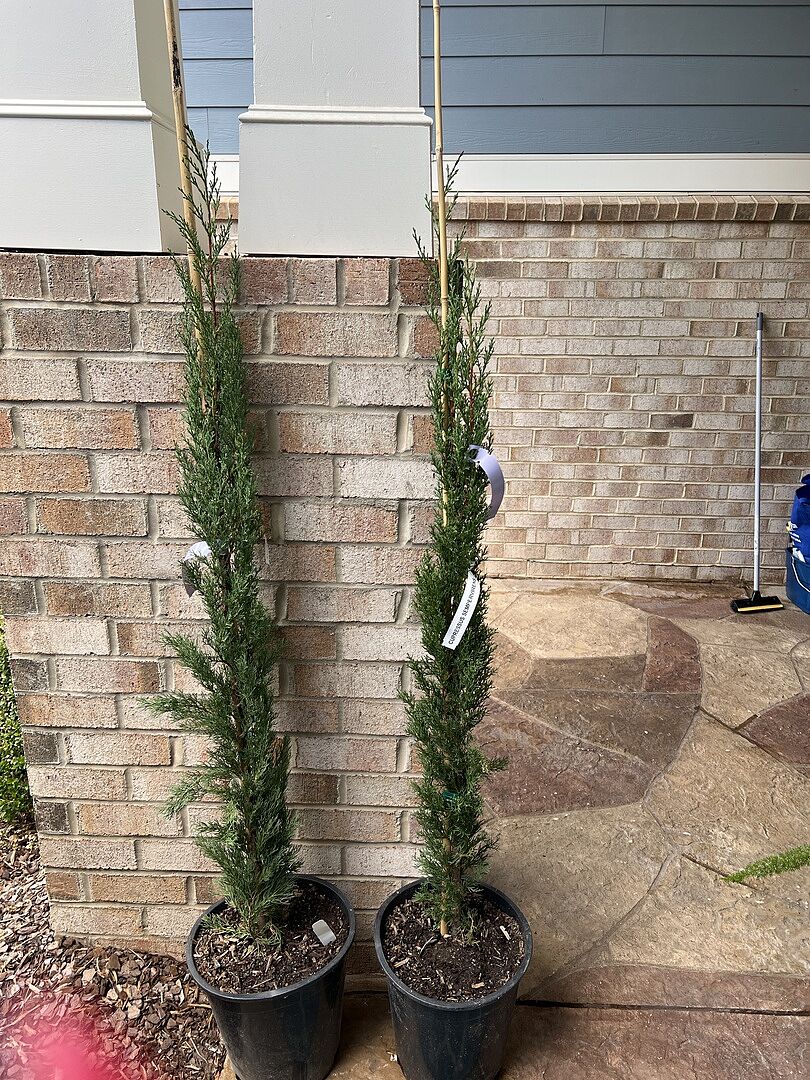
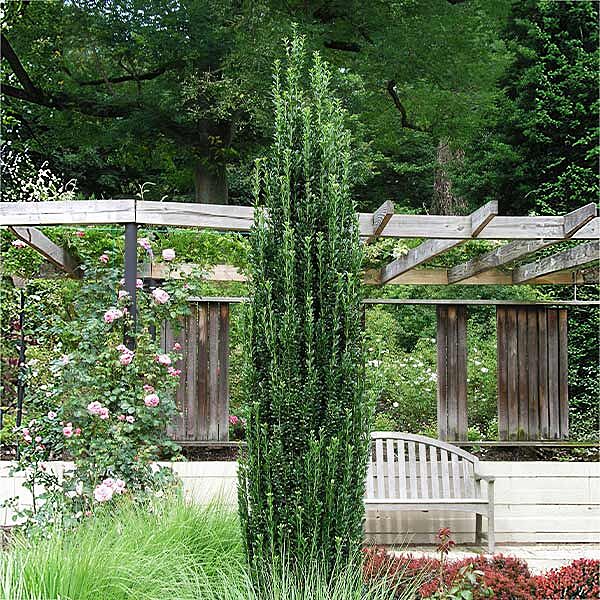
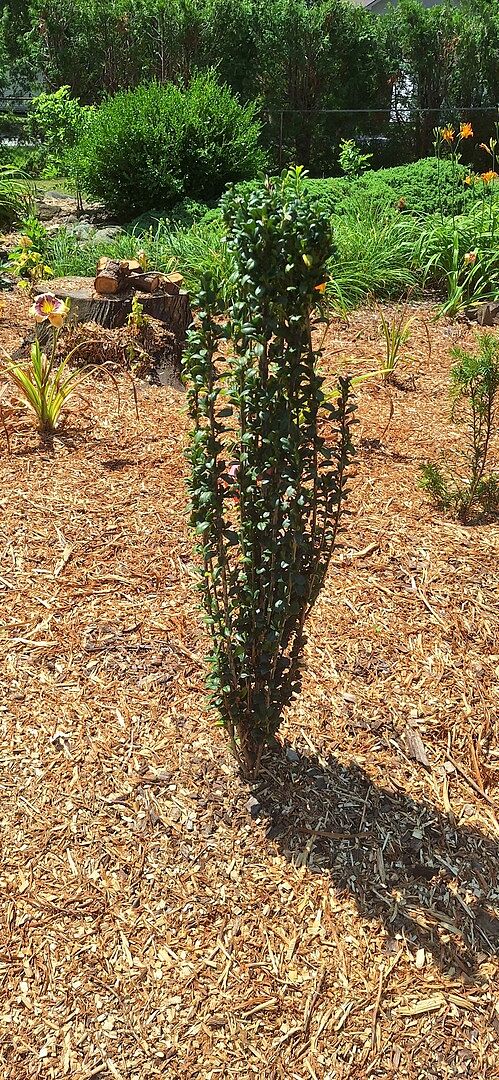
Emerald Green Arborvitae: A more compact option, ideal for smaller spaces or tighter planting areas
-
Leyland Cypress: Known for rapid growth and soft, full foliage
Popular options include arborvitae, cypress, and holly varieties.
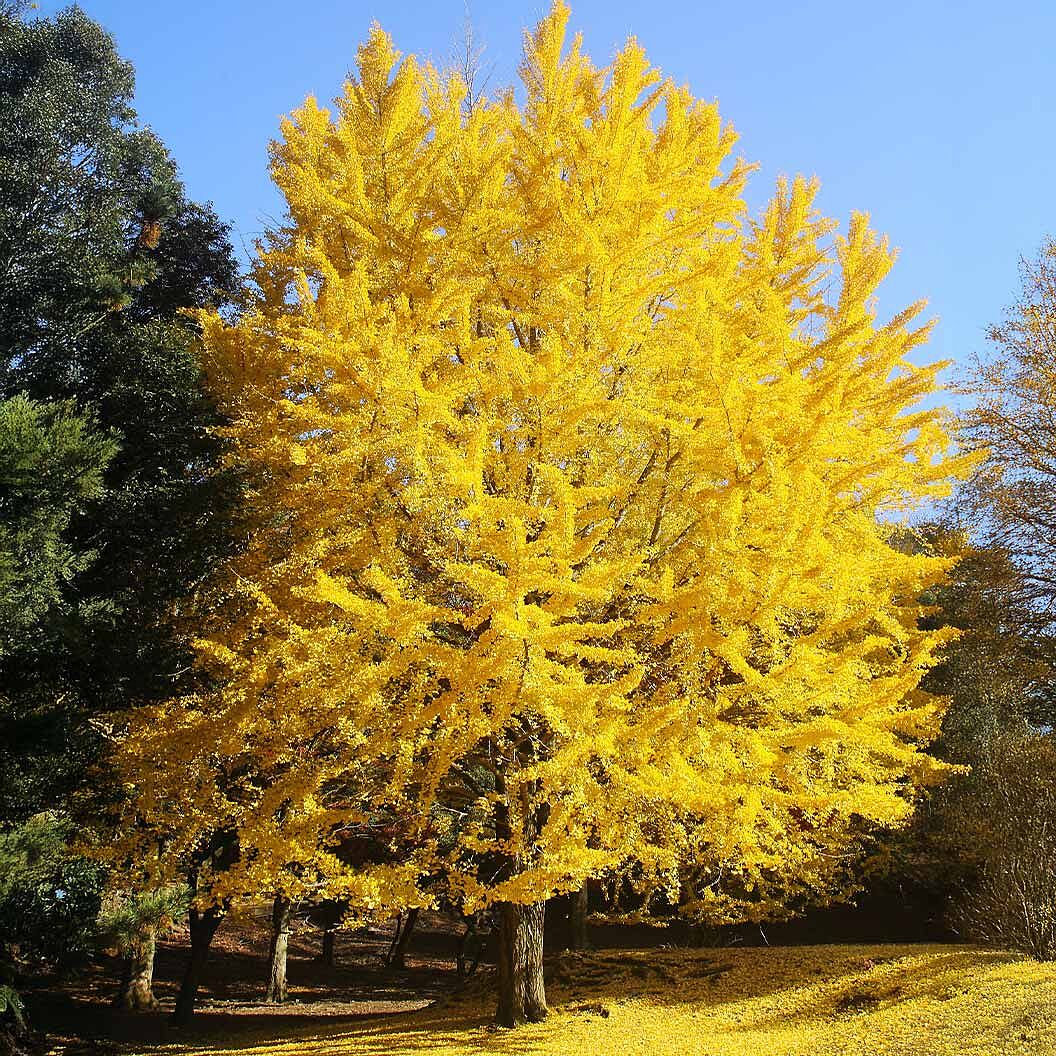
Deciduous Trees (Seasonal Privacy)
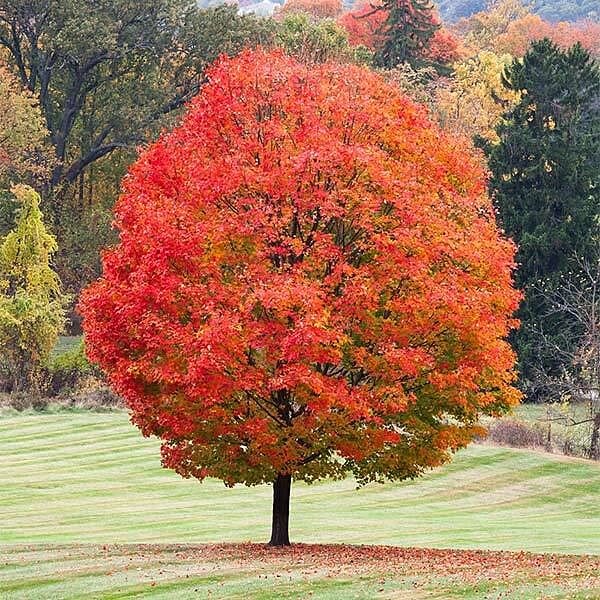
Deciduous trees lose their leaves in fall but still offer benefits like:
-
Shade in summer
-
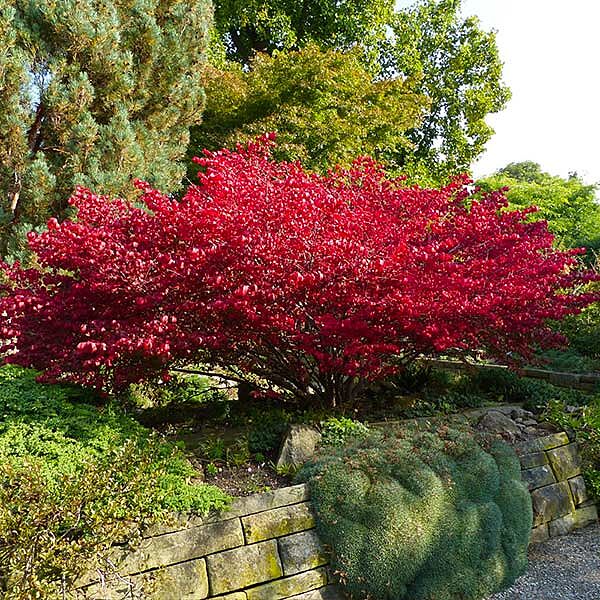
Seasonal color in fall
-
Sunlight exposure in winter
Deciduous Trees (Seasonal Privacy)
Deciduous trees lose their leaves in fall but still offer benefits like:
-
Shade in summer
-
Seasonal color in fall
-
Sunlight exposure in winter
Popular Deciduous Trees:
-
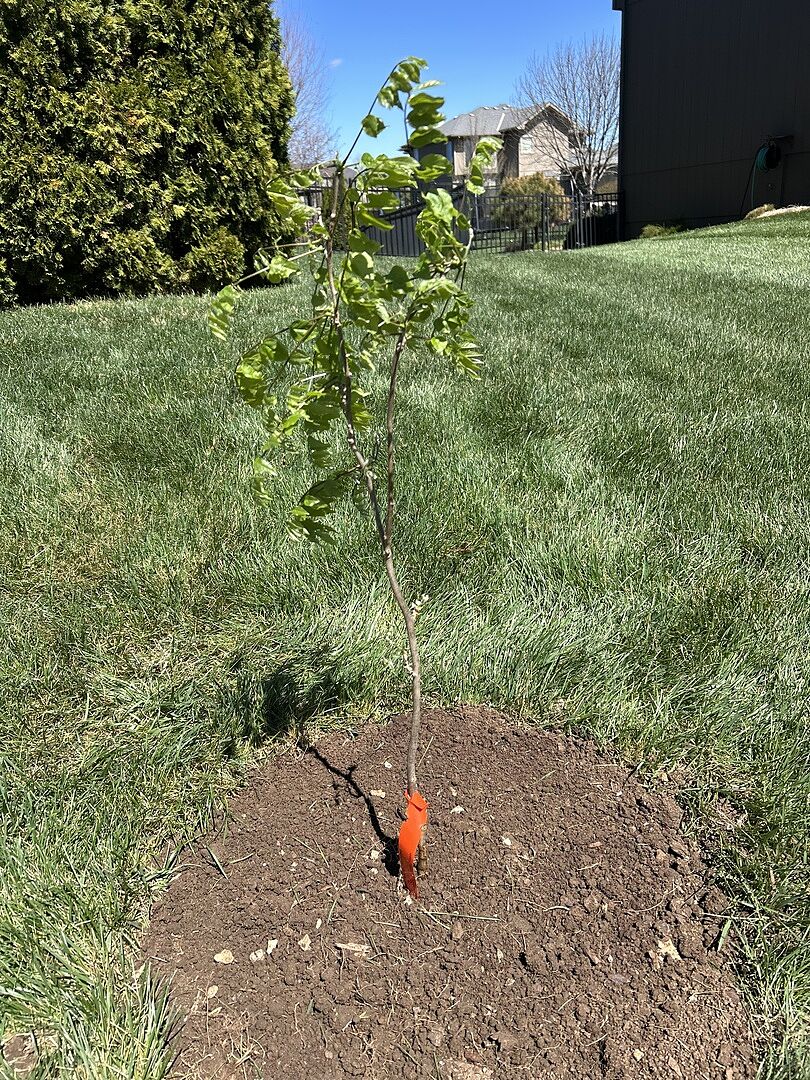
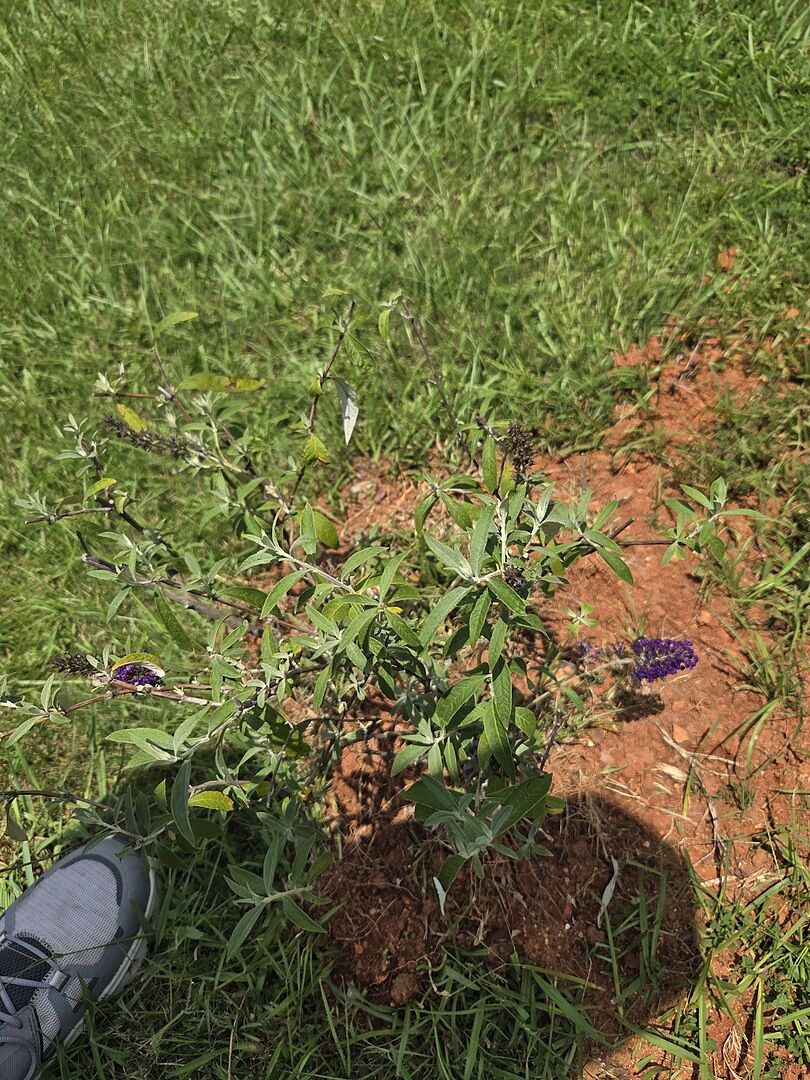
Willow Hybrid Tree – Low-maintenance, fast-growing choice that thrives in almost every condition
-
Tri-Color Dappled Willow – Unique and colorful foliage that adds privacy and color
-
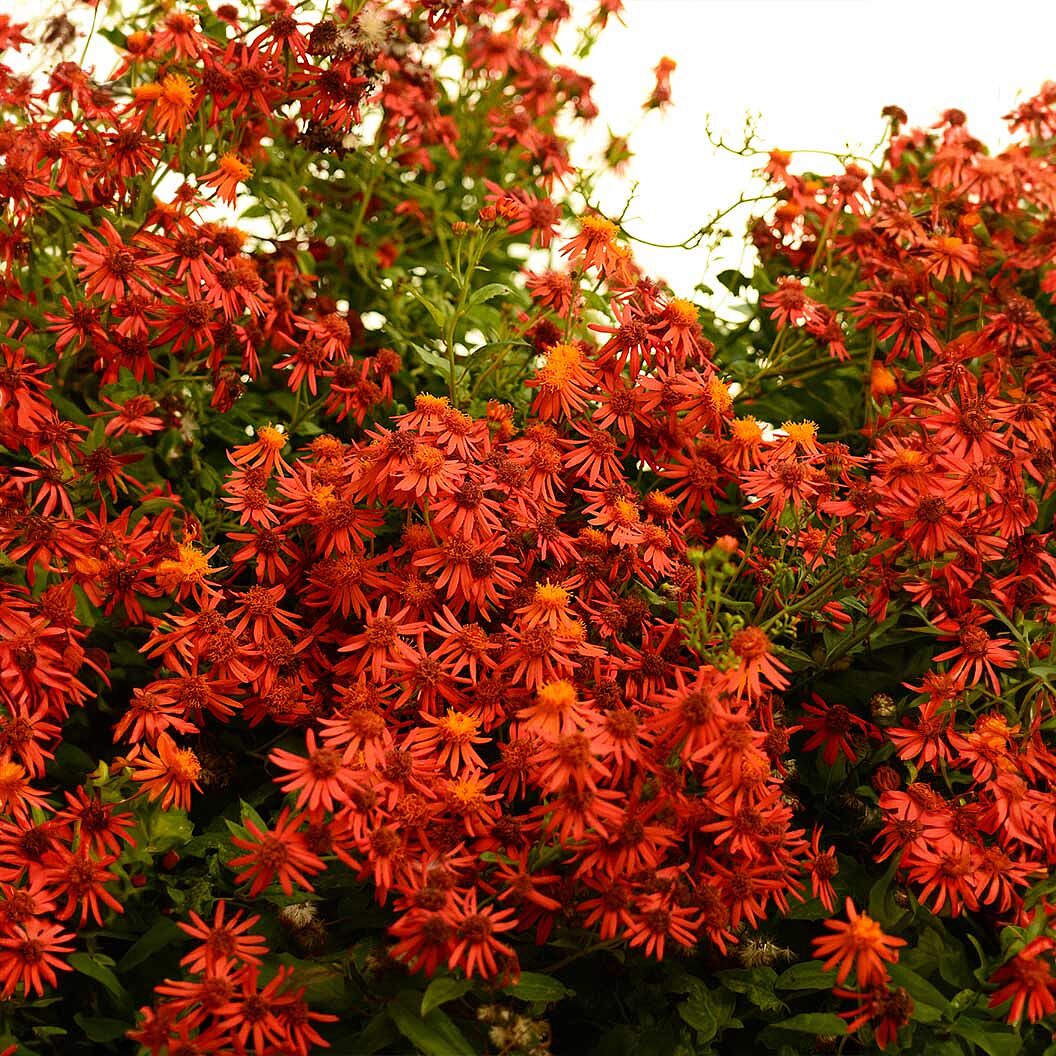
Red Rhododendron Shrub – Adds early spring color with vibrant red blooms
They’re a great option if you want a balance of privacy and seasonal change.
and shop shrubs

Choosing the Right Size and Growth Rate
Growth Rate
Privacy trees come in a range of growth speeds.
-
Fast-growing trees provide quicker results but may require more maintenance (like Thuja Green Giant and Leyland Cypress)
-
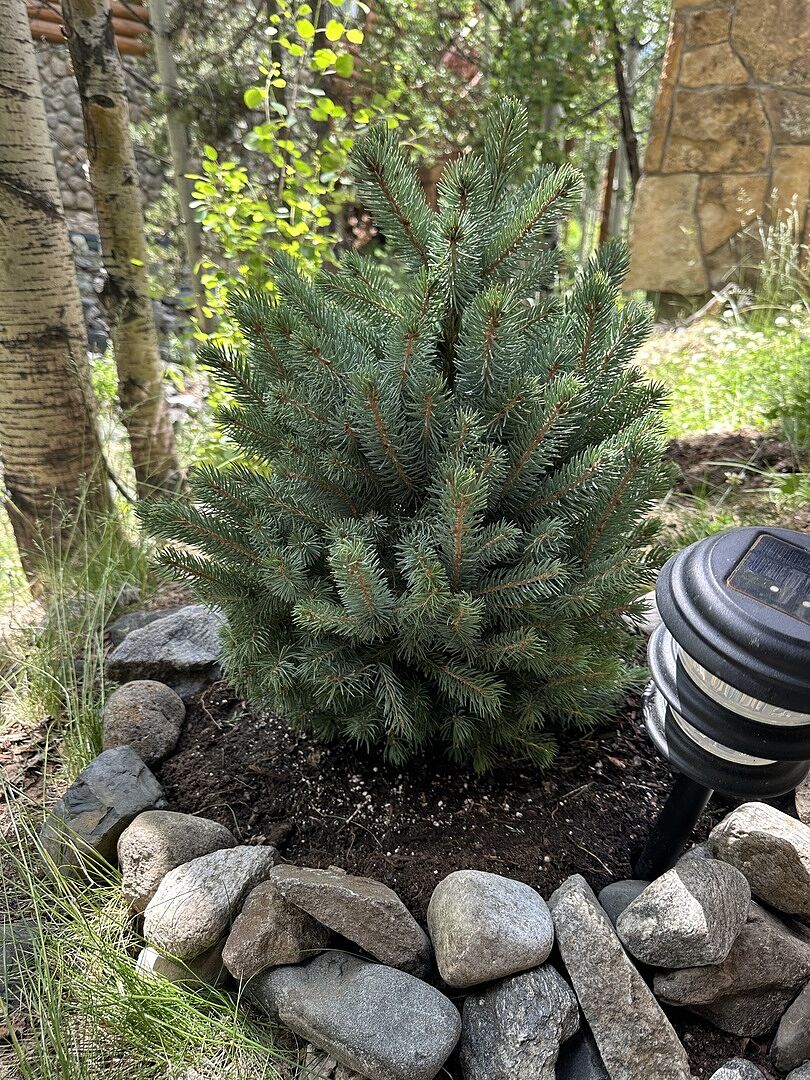
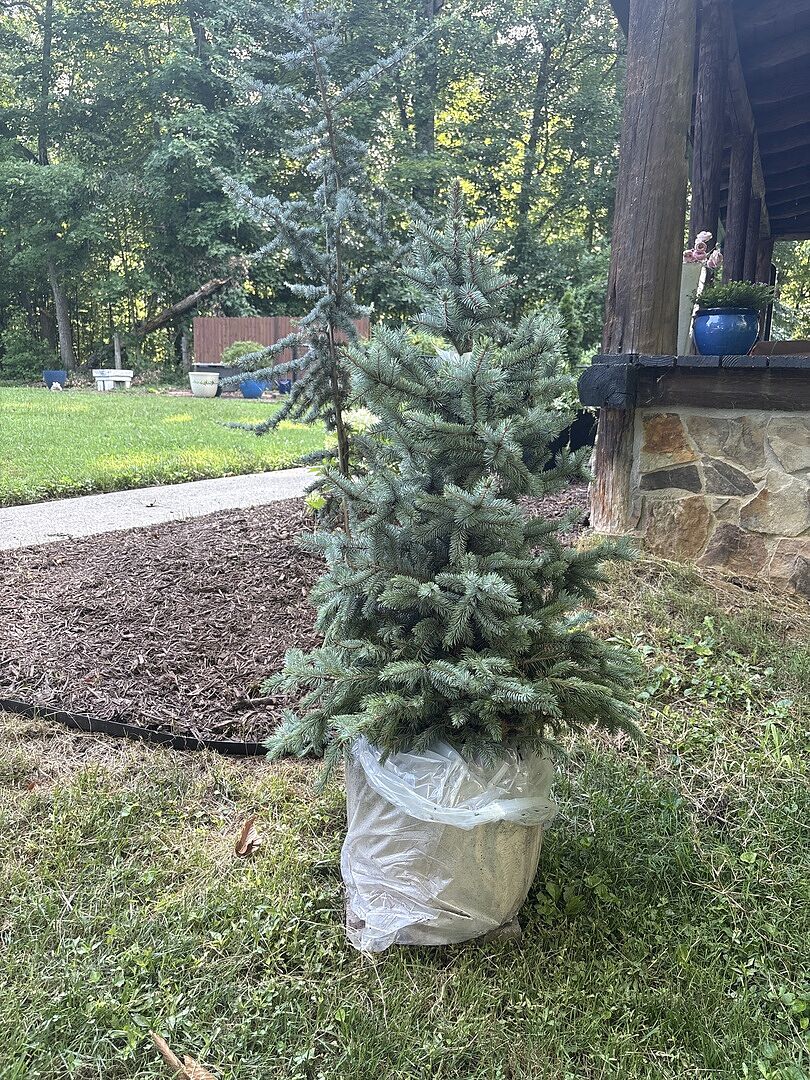
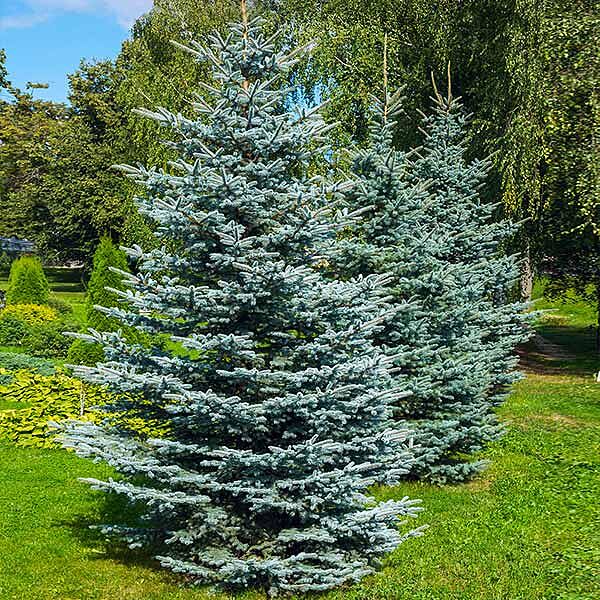
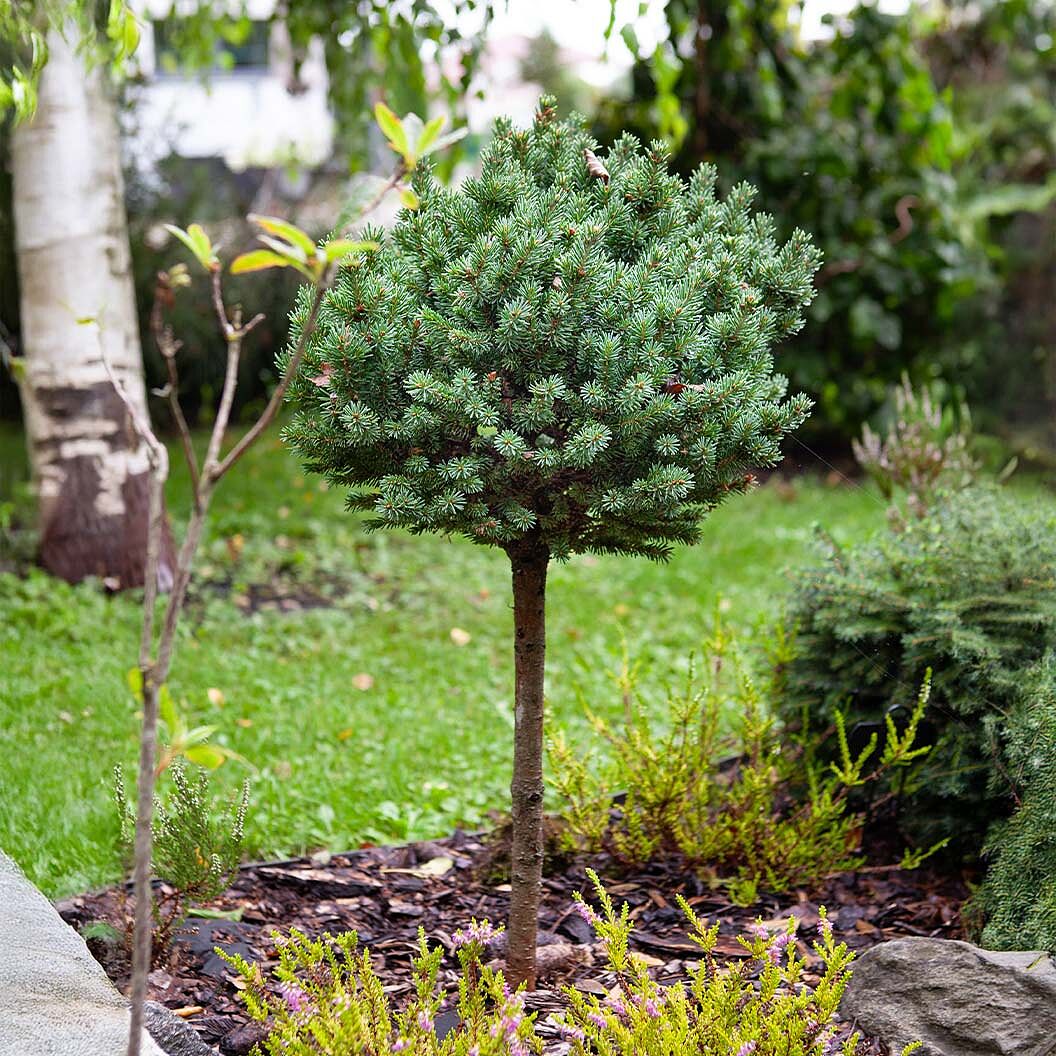
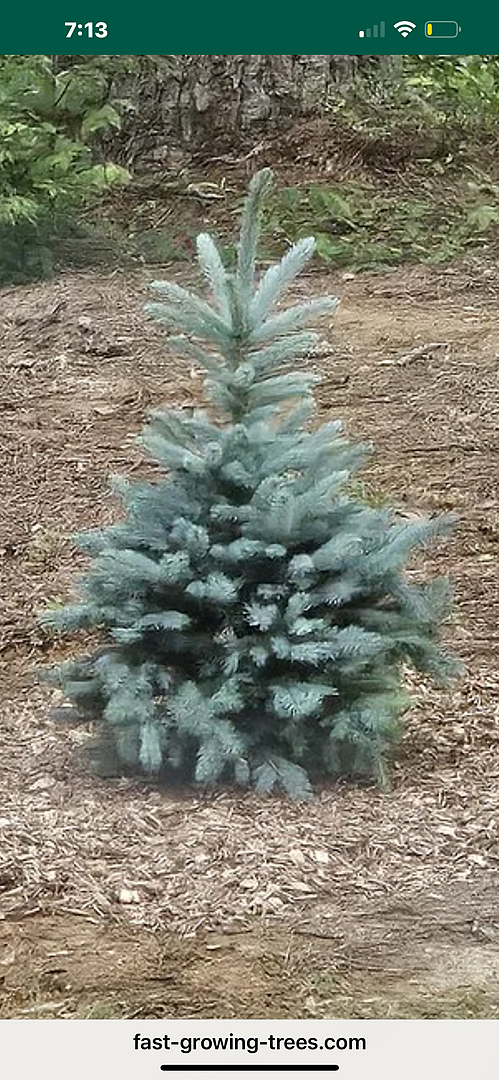
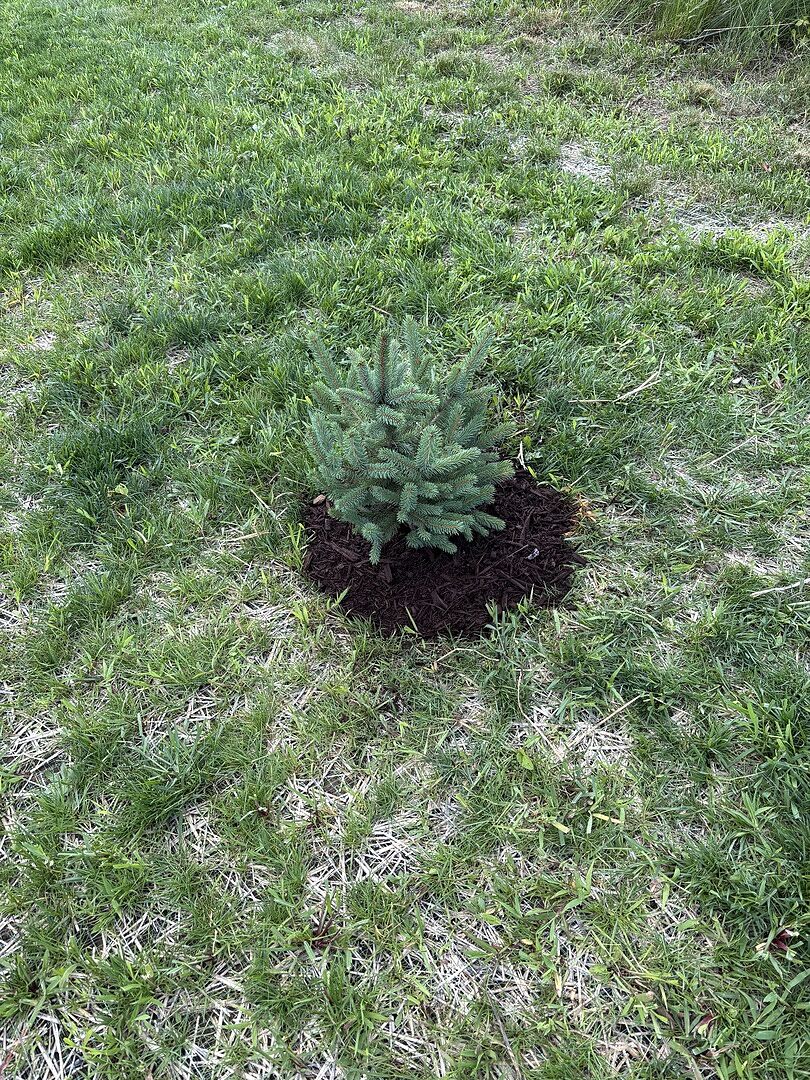
Slower-growing trees tend to be stronger and longer-lived (like Emerald Green Arborvitae and Colorado Blue Spruce)
If you’re looking for faster coverage, fast-growing evergreens are a popular choice but it’s important to give them enough space to mature.
Mature Size
Always consider how large your trees will be at full maturity.
-
Height affects how much privacy you’ll get
-
Width affects spacing and layout
Avoid planting large trees too close to:
-
Homes or foundations
-
Fences and patios
-
Utility lines
Giving trees enough space from the start helps prevent issues later on.
Privacy Tree Spacing Guide
Proper spacing is one of the most important factors in building an effective privacy screen.
Spacing depends on the type and size of tree:
-
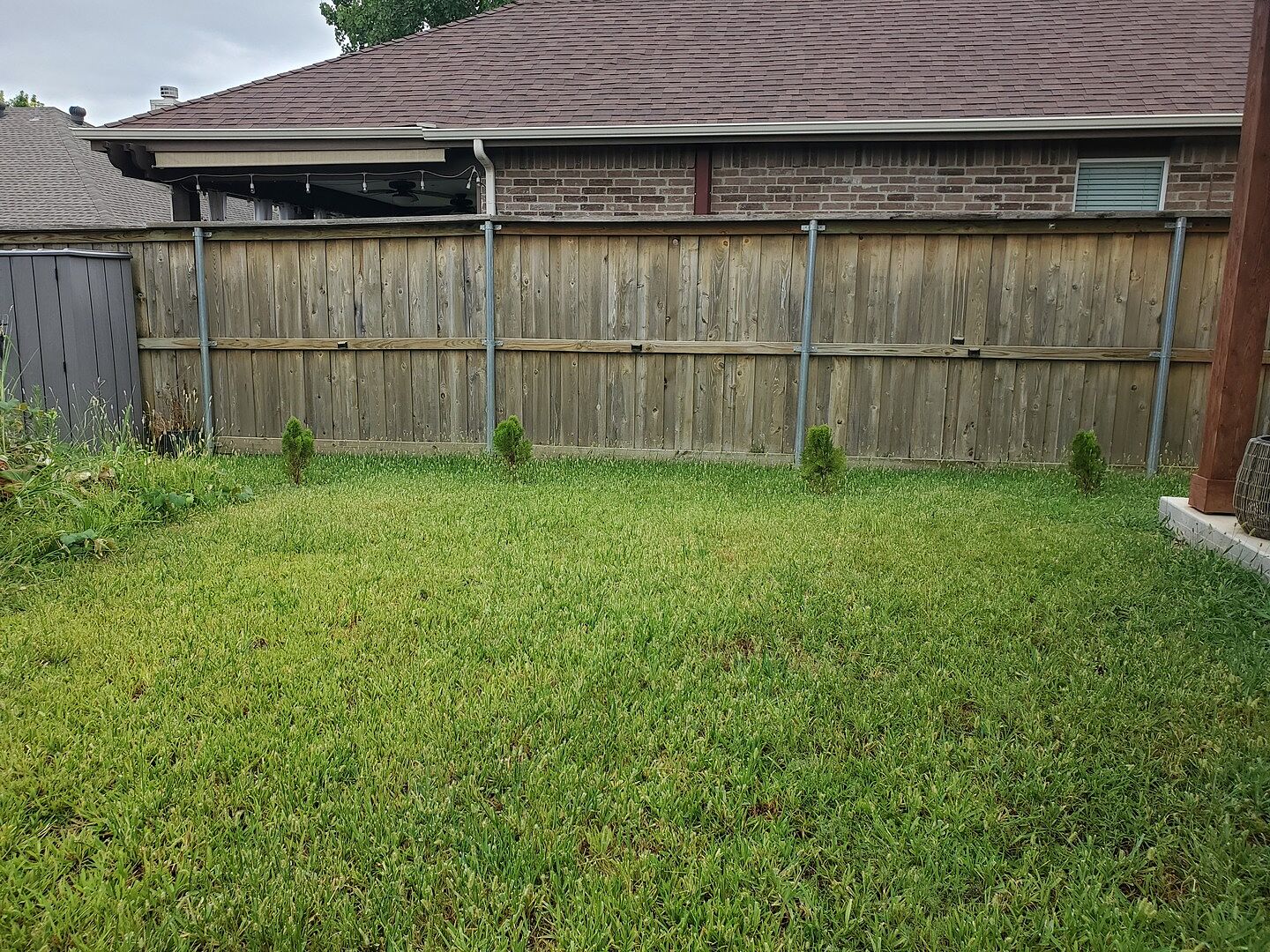
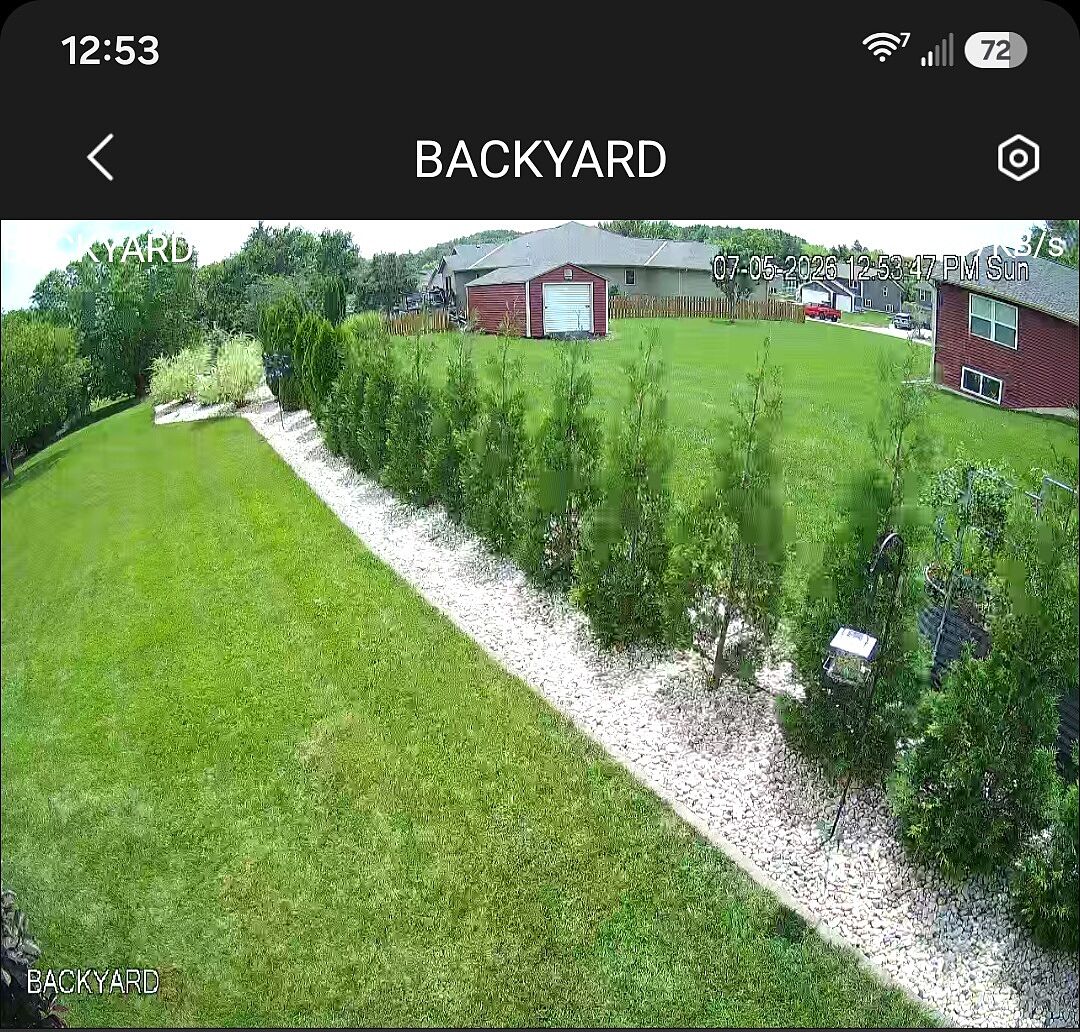
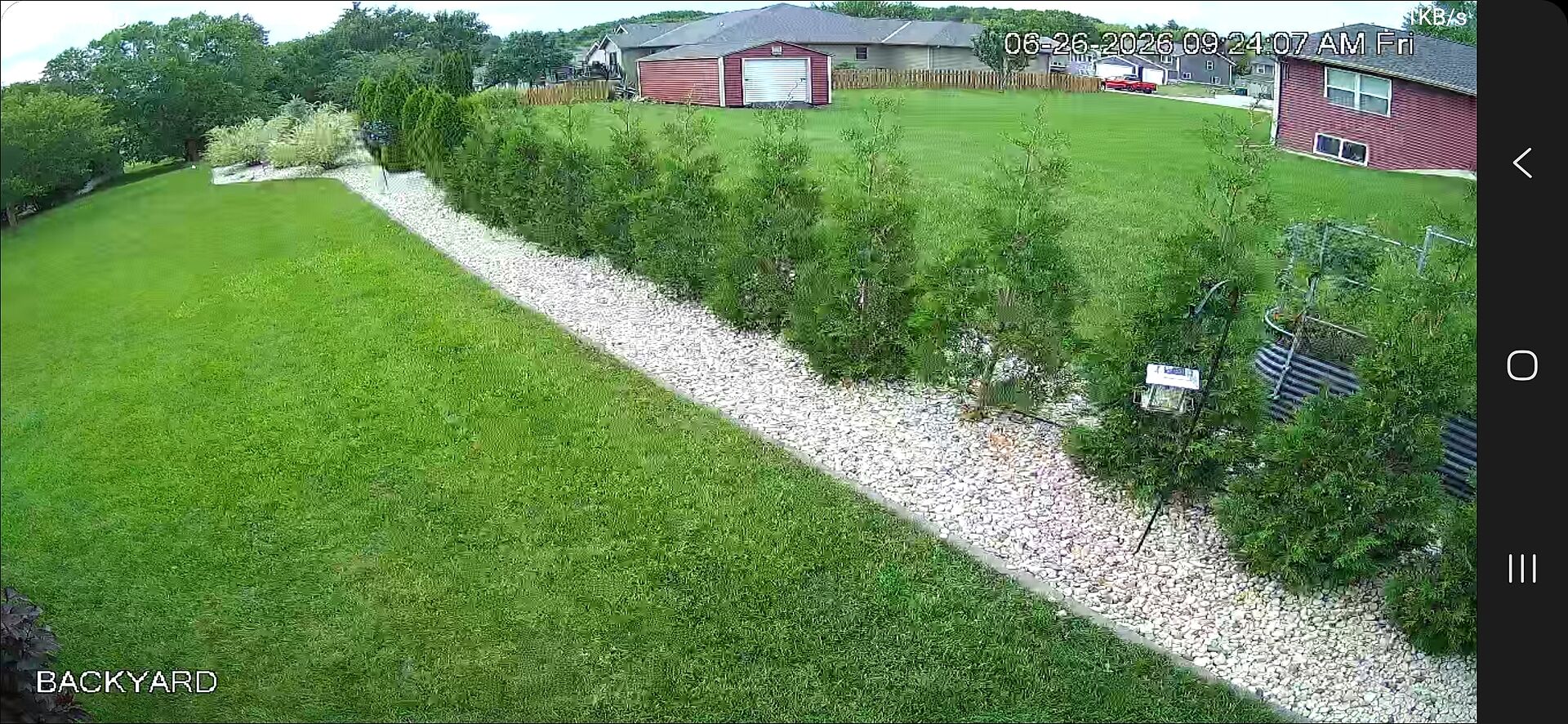
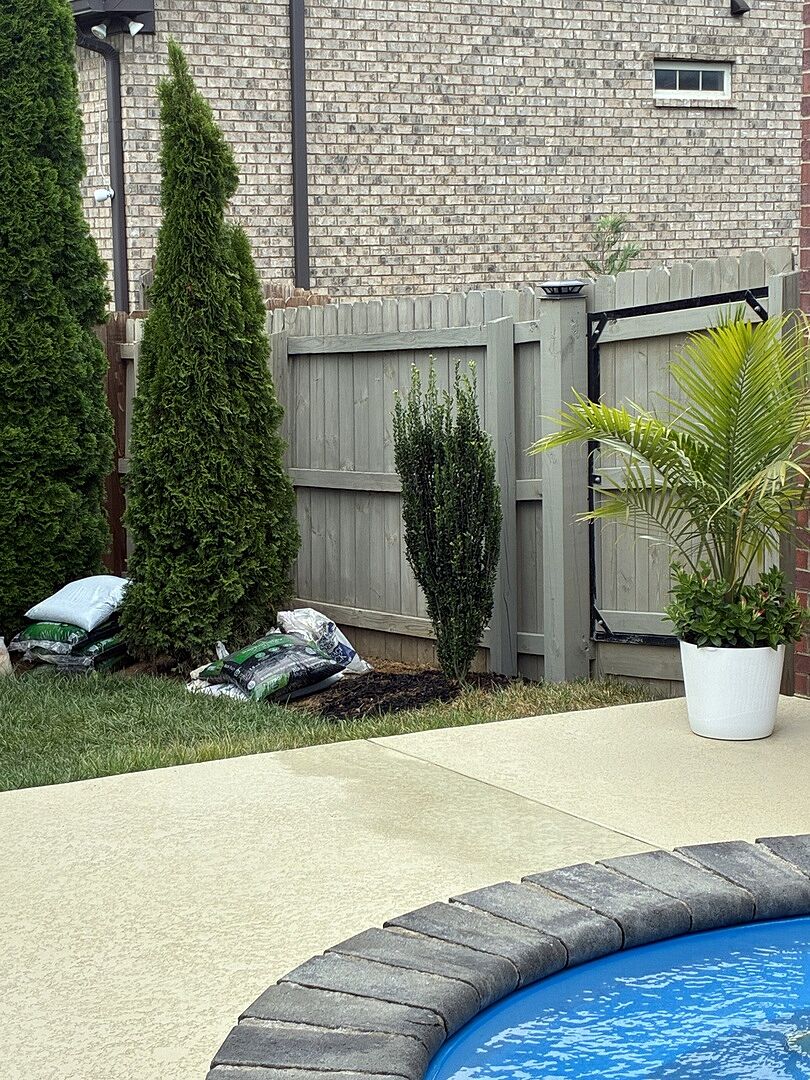
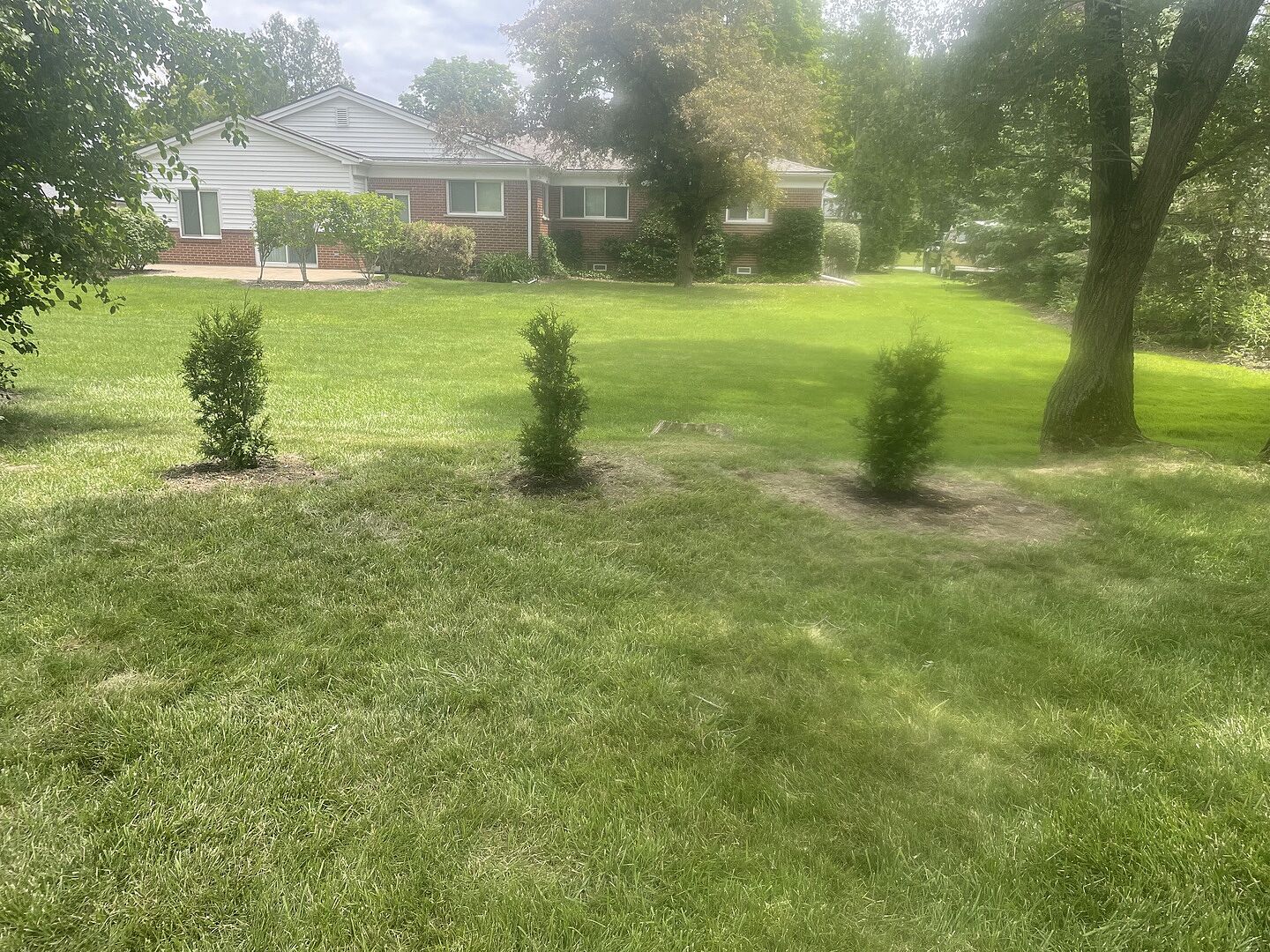
Smaller, more narrow evergreens (like Emerald Green Arborvitae): ~2–3 feet apart
-
Larger, fuller trees (like Thuja Green Giant): ~5–6 feet apart
As a general rule, look up the mature width of your tree and divide by two—then plant your trees that far apart to allow for plenty of spacing for mature growth.
You can also plant your trees in an even row or a staggered hedge:
-
Plant in a single row for a clean, uniform screen
-
Use staggered rows for a more natural, layered effect
Staggered planting also improves airflow and reduces the risk of disease.

Soil, Sunlight, and Water Needs
Most privacy trees thrive in:
-
Full to partial sunlight
-
Well-draining soil
-
Consistent watering during establishment. We’ve built a watering guide here to help you get started
Before planting, it can be helpful to test your soil’s pH. This gives you a better understanding of what nutrients your trees may need.
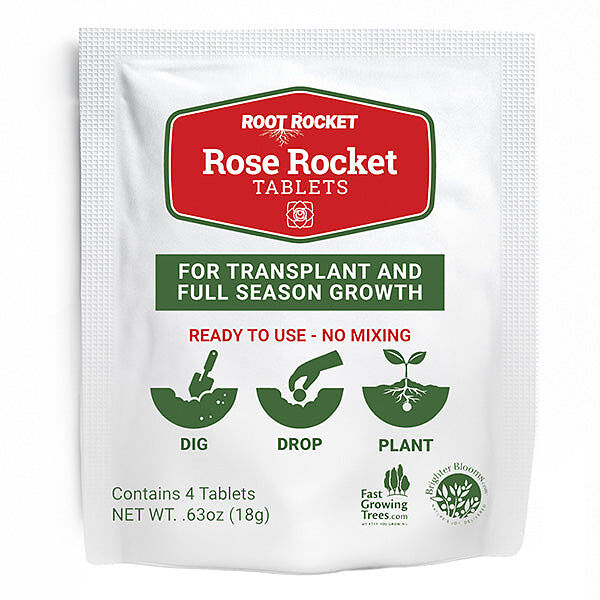
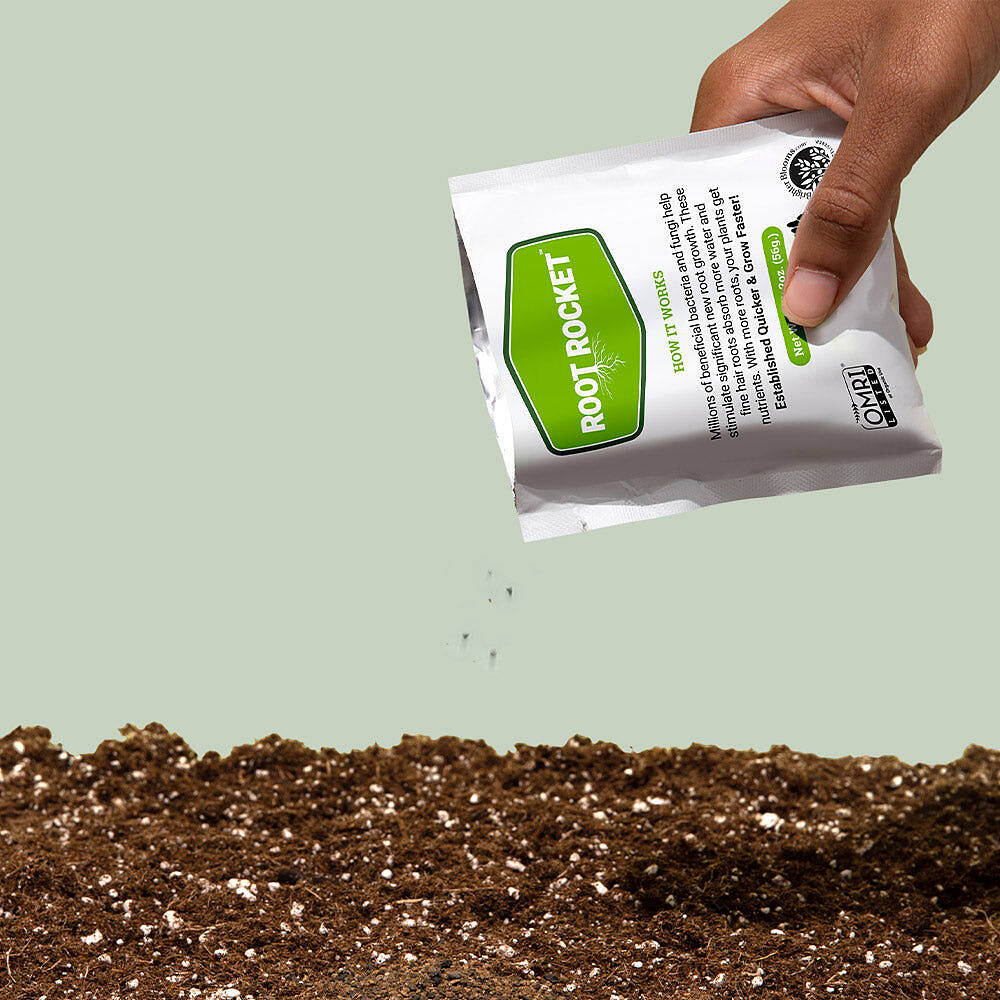
If your soil isn’t ideal, adding organic matter or planting mix can help improve growing conditions. Shop fertilizers and soil additives.
More questions about privacy tree care? Check out our Evergreen Tree Care Guide
Planting Privacy Trees
Planting your trees correctly sets the foundation for long-term success.
Step-by-step planting:
-
Dig a hole twice as wide as the root ball
-
Place the tree so the top of the root ball is level with the soil
-
Backfill and gently firm the soil
-
Water thoroughly to remove air pockets
After planting:
-
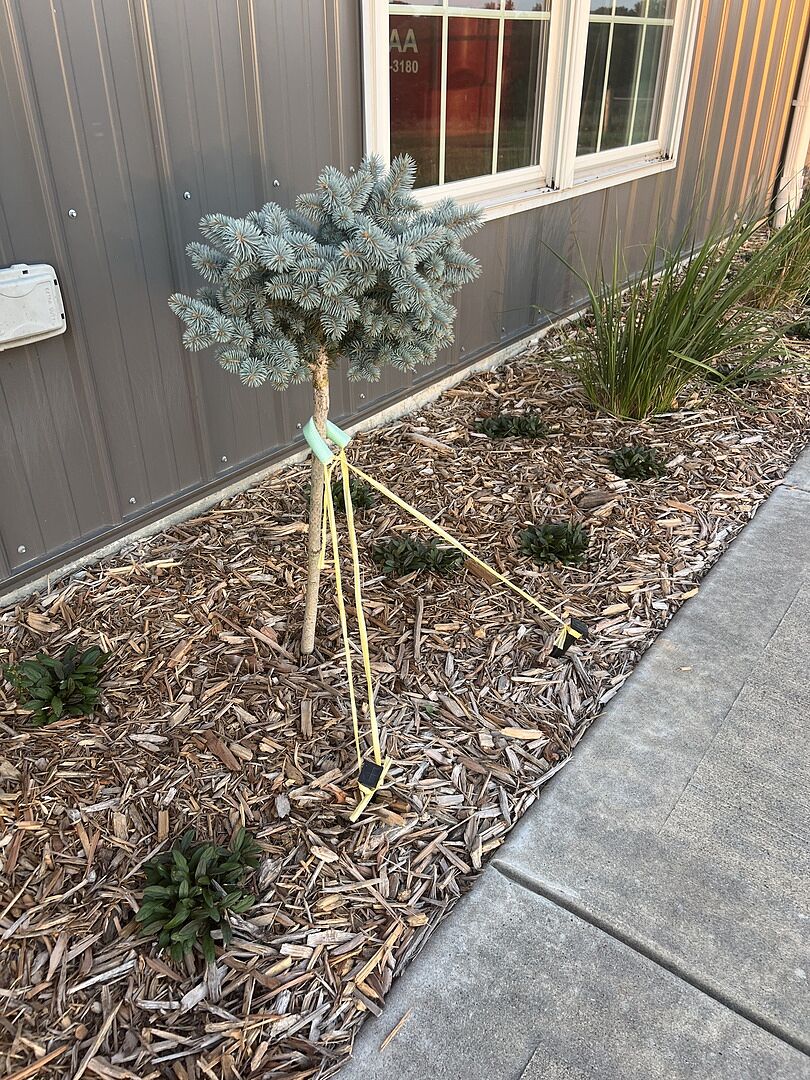
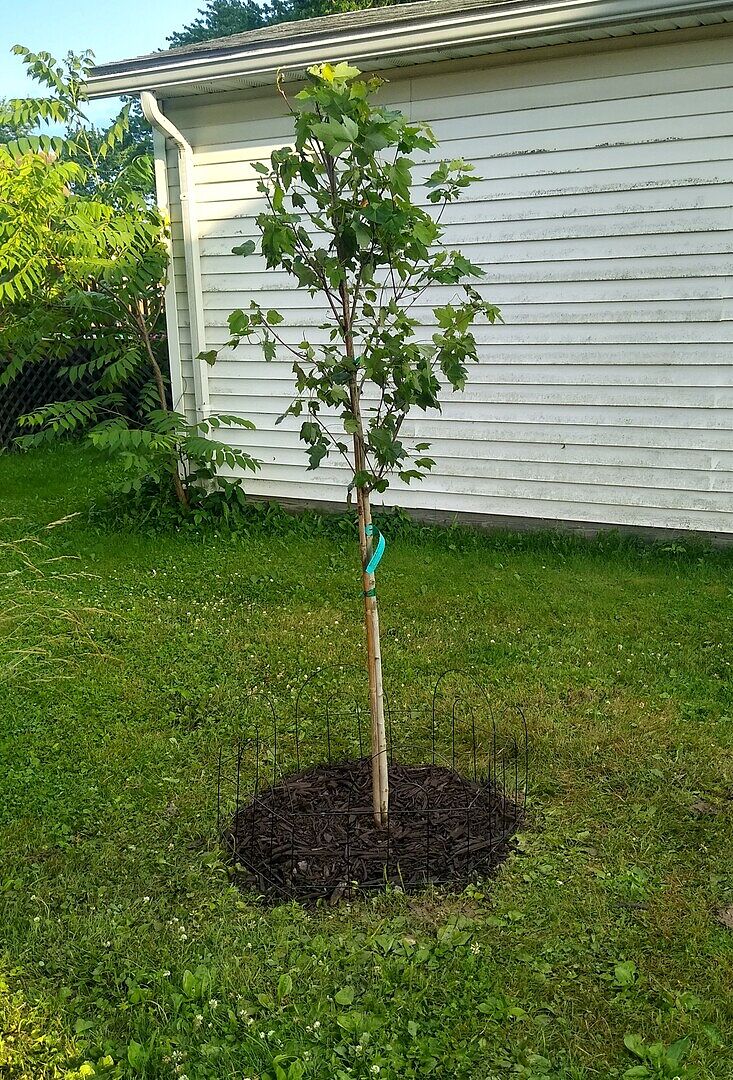
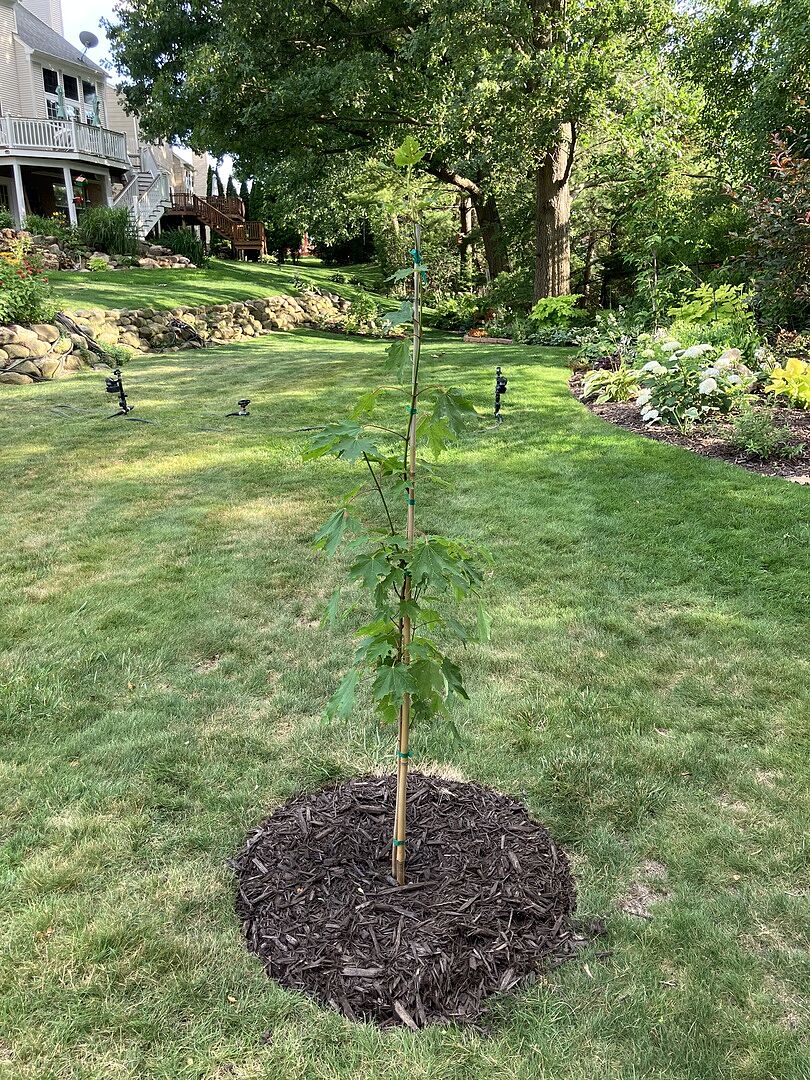
Add 2–3 inches of mulch (keep it a few inches away from the trunk)
-
Water regularly during the first few weeks
Mulch helps retain moisture, regulate soil temperature, and reduce weeds.
Common Privacy Planting Mistakes (and How to Avoid Them)
Planting Too Close Together
It’s tempting to plant trees close for faster results, but overcrowding can lead to poor airflow and weaker growth.
Instead, follow recommended spacing and allow trees to fill in naturally.
Using Only One Variety
Planting a single type of tree can create a uniform look, but it also increases the risk of pests or disease affecting your entire screen.
Mixing varieties can:
-
Add visual interest
-
Improve resilience
-
Create a more natural look
Not Planning for Mature Size
Always plant with the future in mind. Trees that seem small now can grow significantly over time.
Fertilizing Privacy Trees
Privacy trees typically don’t need fertilizer right away—wait until they’ve established for about a year before fertilizing.
When you do:
-
Use a balanced or nitrogen-focused fertilizer
-
Apply during the growing season (spring to early summer)
-
Avoid direct contact with leaves or stems
Organic fertilizers are often a good option for long-term soil health.
Shop fertilizers and soil additives.
Pruning Privacy Trees
Most privacy trees require minimal pruning, especially when young.
Focus on:
-
Removing dead or damaged branches
-
Maintaining natural shape
Avoid heavy pruning early on, as branches help support growth and structure.
Grow with Confidence
Privacy trees are one of the most effective ways to create a more comfortable, defined outdoor space.
With the right planning, spacing, and care, they’ll continue to grow and improve your yard year after year.
And if you’re not sure where to start, our Plant Experts are always here to help you choose the right trees for your space. Book a Plant Expert consultation here.
Written by
Abby Healy
Abby is an avid plant lover and the Director of Content at FastGrowingTrees.com. She grew up in Maine, graduated from Davidson College, and now resides in Charlotte, North Carolina with her husband and two dogs. Her previous roles include leading content teams at Red Ventures, a large digital media company, and launching the content and marketing functions at an ecommerce analytics start-up.
While her indoor plant collection is always growing, she also loves landscaping tips and learning more about plant care and maintenance. Her favorite plants are Japanese maples, roses of all kinds, and unique house plants.