Planting & Care Guide: Vegetables

Growing your own vegetables is one of the most rewarding ways to spend time in the garden. From tomatoes picked right off the vine to crisp cucumbers and flavorful peppers, vegetable plants bring fresh harvests and everyday enjoyment to your yard, garden beds, or containers.
The good news is that most vegetable plants are surprisingly straightforward to grow once they’re planted in the right conditions. With plenty of sunlight, consistent watering, and healthy soil, these plants will establish quickly and produce throughout the growing season.
This guide covers how to plant and care for common vegetable varieties, including:
When Your Vegetable Plants Arrive
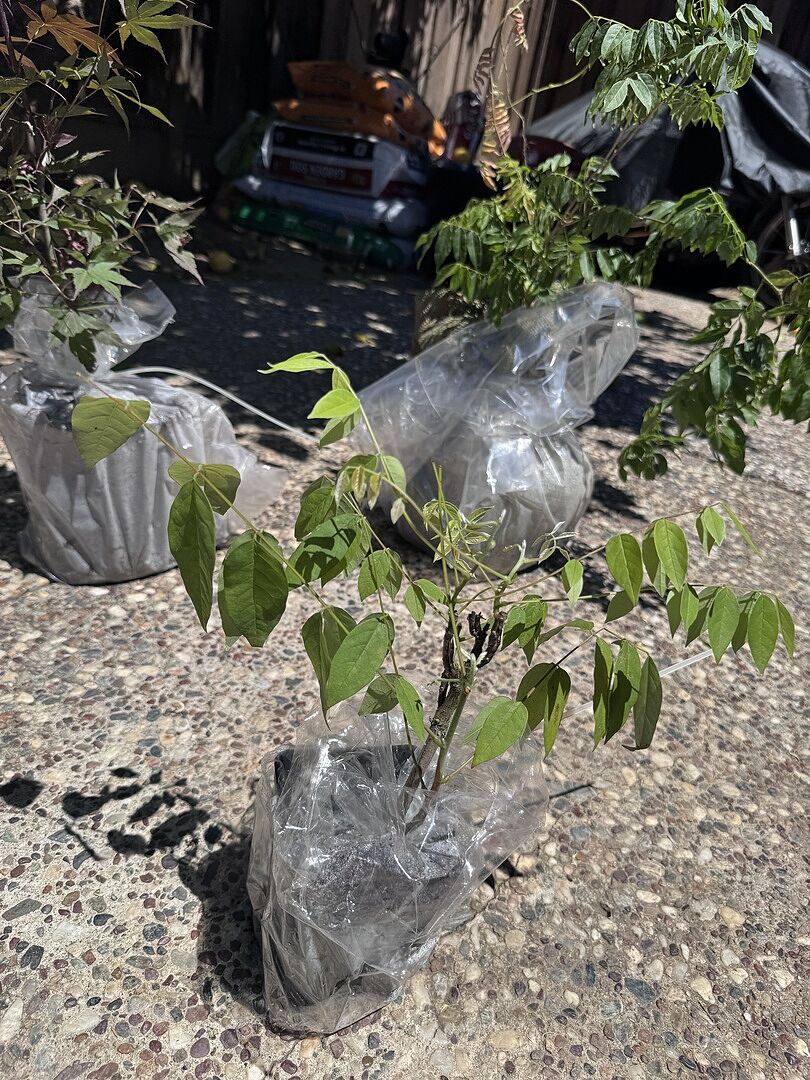
When your plants arrive, unpack them as soon as possible and check the soil moisture.
A little shifting during transit is normal. If the soil feels dry, give the plants a light watering and place them in a sunny location until you're ready to plant.
If outdoor conditions are very different from where the plants were grown, allow them to gradually adjust to outdoor conditions by placing them outside for a few hours each day before planting.
This short transition period helps plants establish more quickly once planted.
Before You Plant
Vegetables perform best in full sun and nutrient-rich soil.
Choose a planting location that receives 6–8 hours of direct sunlight each day. Tomatoes, peppers, and cucumbers are all sun-loving plants and produce best when they receive plenty of light.
Your soil should drain well while still holding enough moisture to support healthy growth. If soil feels compacted or clay-heavy, mixing in compost or organic matter can improve structure and drainage.
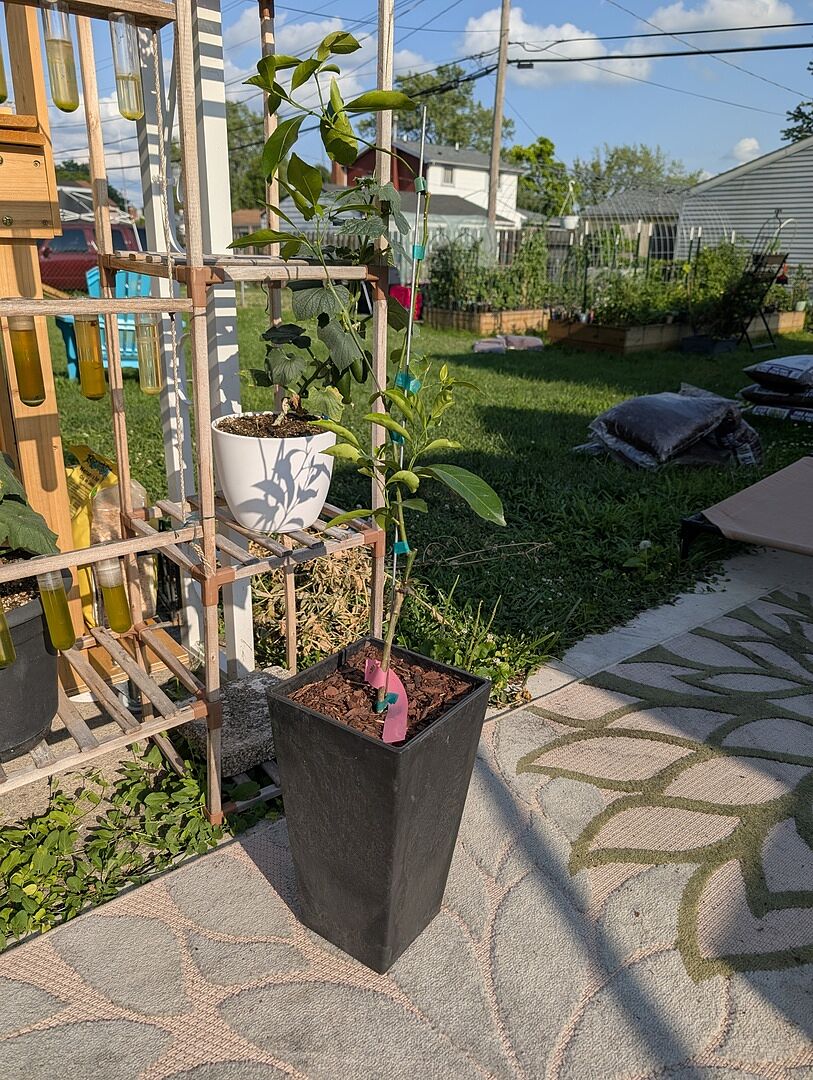
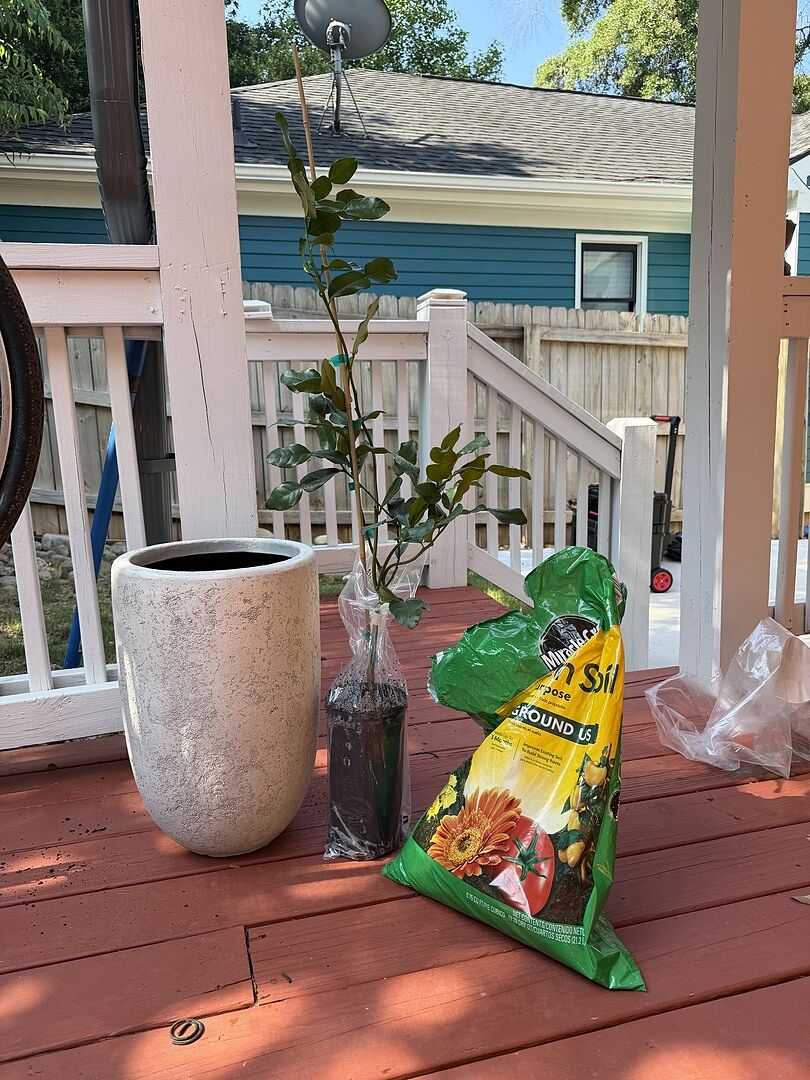
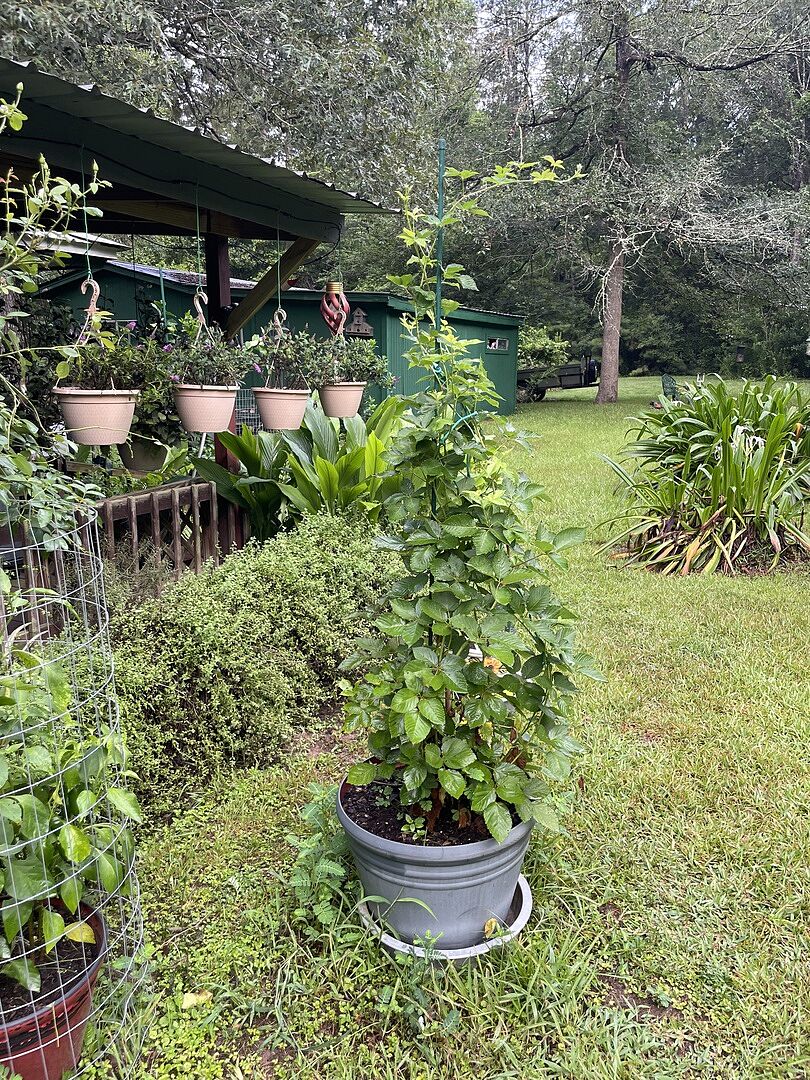
If you’re planting in containers, choose pots with drainage holes and fill them with a high-quality vegetable potting mix.
Planting in the Ground
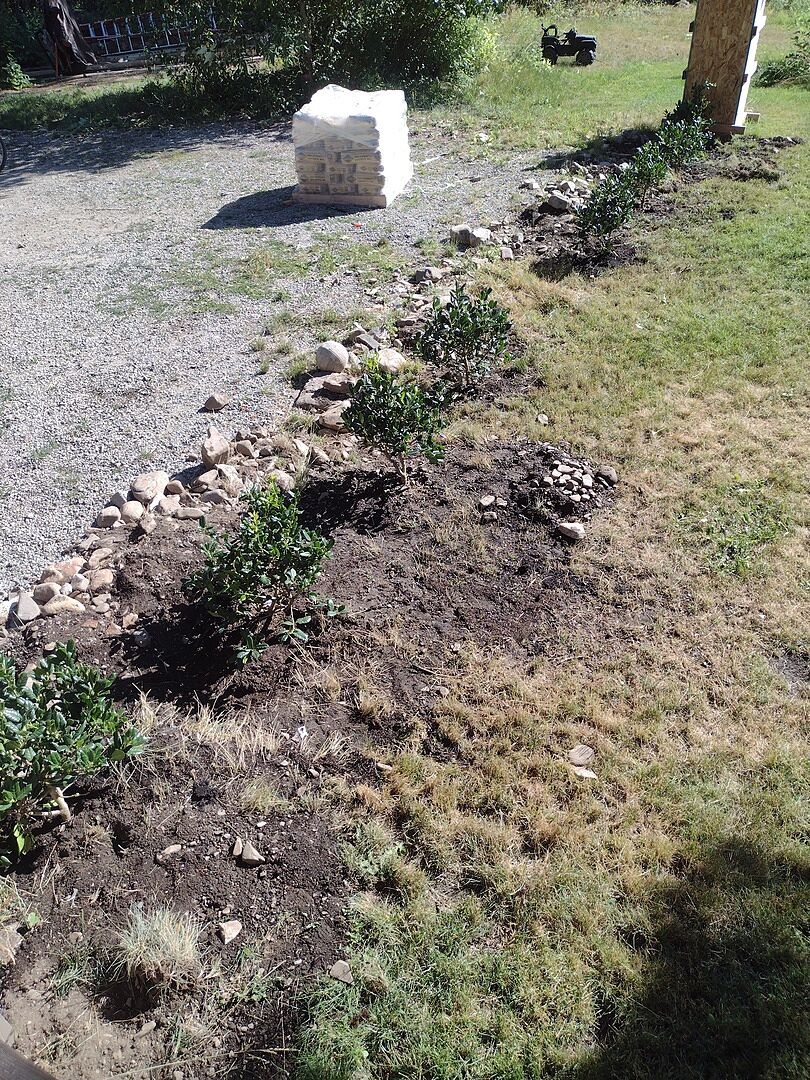
To plant vegetables in garden beds or landscape soil:
-
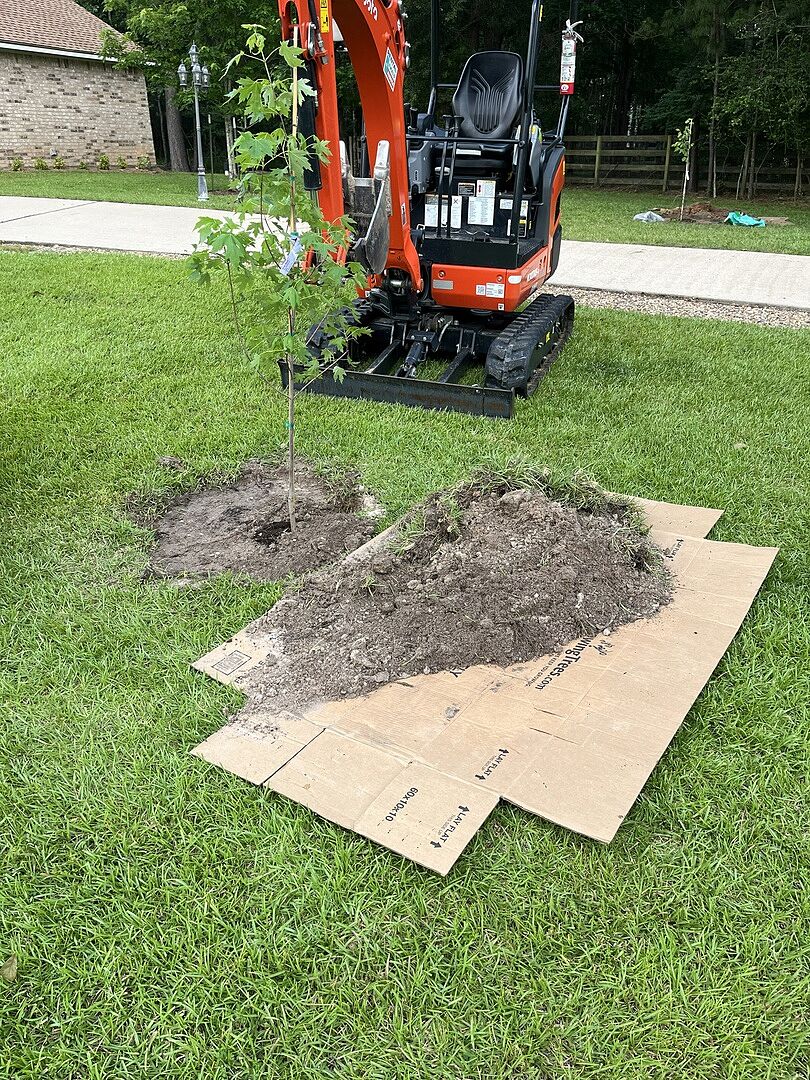
Dig a hole about twice as wide as the root ball and the same depth.
-
Remove the plant from its container and gently loosen any tightly bound roots.
-
Place the plant in the hole so the top of the root ball sits level with the surrounding soil.
-
Backfill with soil and lightly press to remove air pockets.
-
Water thoroughly after planting.
Proper spacing helps improve airflow and reduces the risk of disease.
General spacing guidelines:
-
Tomatoes: 24–36 inches apart
-
Peppers: 18–24 inches apart
-
Cucumbers: 24–36 inches apart
Adding mulch around the base of plants can help retain moisture and suppress weeds.
Planting in Containers
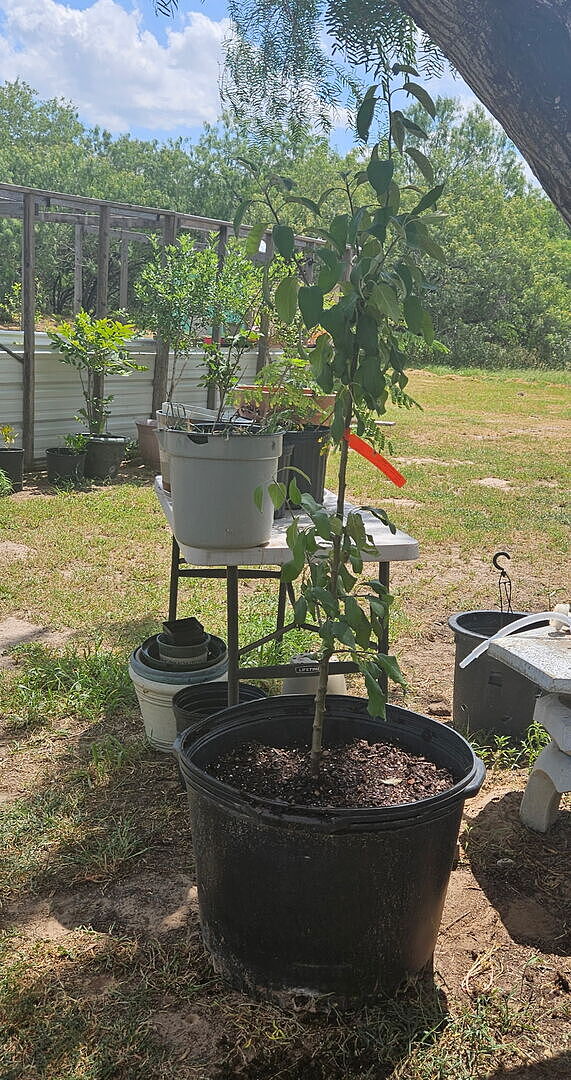
Vegetable plants grow well in containers when given enough space and sunlight.
Recommended container sizes:
-
Tomatoes: 10–15 gallon container
-
Peppers: 3–5 gallon container
-
Cucumbers: large container with trellis support
Use a well-draining potting mix and place plants at the same depth they were growing in their nursery container.
Water thoroughly after planting and ensure excess water can drain easily.
Watering
Vegetable plants prefer consistent moisture, especially during flowering and fruit development.
After planting, follow this general watering schedule:
- Week 1: Water daily while plants establish.
- Weeks 2–3: Water every other day.
After establishment: Water deeply 1–2 times per week, depending on weather.
During hot summer periods, additional watering may be necessary.
Container plants often dry out faster and may require more frequent watering.
Watering early in the morning helps plants absorb moisture efficiently and allows leaves to dry during the day.
Fertilizing
Vegetables are naturally heavy feeders and benefit from regular fertilizing.
At planting time, apply a balanced fertilizer or root stimulator to help plants establish strong roots.
During the growing season, fertilize every 3–4 weeks with a vegetable fertilizer to support healthy growth and fruit production.
Avoid over-fertilizing, which can lead to excessive leaf growth and reduced fruit production.
Variety-Specific Care Tips
While tomatoes, peppers, and cucumbers share similar growing needs, a few small differences can help maximize their performance.
Tomato Care Tips
(Tomato varieties include Organic Beefsteak, Sungold, Little Bing Cherry, and Sweet Tomato.)
Tomatoes benefit from staking or cages to keep stems upright and improve airflow.
Regular harvesting encourages the plant to continue producing fruit throughout the season.
Consistent watering is especially important for tomatoes to prevent issues like cracking or blossom end rot.
Pepper Care Tips
(Pepper varieties include Organic Jalapeño, Organic Snackabelle Red Pepper, and Sweet Pepper.)
Peppers prefer warm soil and consistent sunlight.
Plants are generally compact but may benefit from light staking once fruit begins developing.
Peppers often continue producing fruit steadily throughout the growing season when harvested regularly.
Cucumber Care Tips
(Organic Cucumber Salad)
Cucumbers grow quickly and benefit from trellis support, which improves airflow and keeps fruit clean.
Harvest cucumbers while they are still young and firm to encourage continued production.
Consistent watering helps prevent bitter-tasting fruit.
Pest & Disease Troubleshooting
Most vegetable plants grow well with basic care, but occasional pests or environmental stress can occur.
Here are a few common issues to watch for:
Aphids
Small insects that cluster on stems and leaves.
Solution: Spray plants with water to dislodge them or apply insecticidal soap.
Tomato Hornworms
Large green caterpillars that feed on tomato plants.
Solution: Remove by hand if spotted early.
Powdery Mildew
A white powdery coating on leaves, often appearing in humid conditions.
Solution: Improve airflow around plants and avoid watering leaves in the evening.
Blossom End Rot
Dark spots on the bottom of tomatoes or peppers.
Solution: Maintain consistent watering and balanced soil nutrients.
Healthy soil, proper spacing, and consistent watering go a long way toward preventing most garden problems.
Harvesting
One of the most enjoyable parts of growing vegetables is the harvest.
Tomatoes and peppers are ready when they develop full color and feel slightly firm.
Cucumbers are best harvested while still young and crisp.
Frequent harvesting encourages plants to continue producing new fruit throughout the season.
Seasonal Care
Vegetables grow best during warm weather.
Plant once the risk of frost has passed and soil temperatures have warmed.
Throughout the growing season:
-
Water consistently
-
Harvest regularly
-
Remove damaged leaves if necessary
As temperatures cool later in the season, plant growth and production will naturally slow.
Common Questions
How much sun do vegetable plants need?
Most vegetable plants grow best with 6–8 hours of direct sunlight per day.
Can vegetable plants grow in containers?
Yes. Tomatoes, peppers, and cucumbers all grow well in containers when provided enough sunlight, space, and consistent watering.
When will my plants begin producing vegetables?
Most plants begin producing fruit several weeks after planting, depending on weather conditions and plant maturity.
Why are my plants flowering but not producing fruit?
Extreme heat, inconsistent watering, or excess fertilizer can sometimes delay fruit development.
Maintaining consistent watering and balanced fertilization usually helps restore production.
Grow with confidence
Growing vegetables is one of the most satisfying ways to spend time in the garden. With the right sunlight, steady watering, and healthy soil, your plants will settle in quickly and begin producing throughout the season.
Before long, you’ll be harvesting fresh vegetables straight from your own yard.