North Carolina
Filters









North Carolina Trees
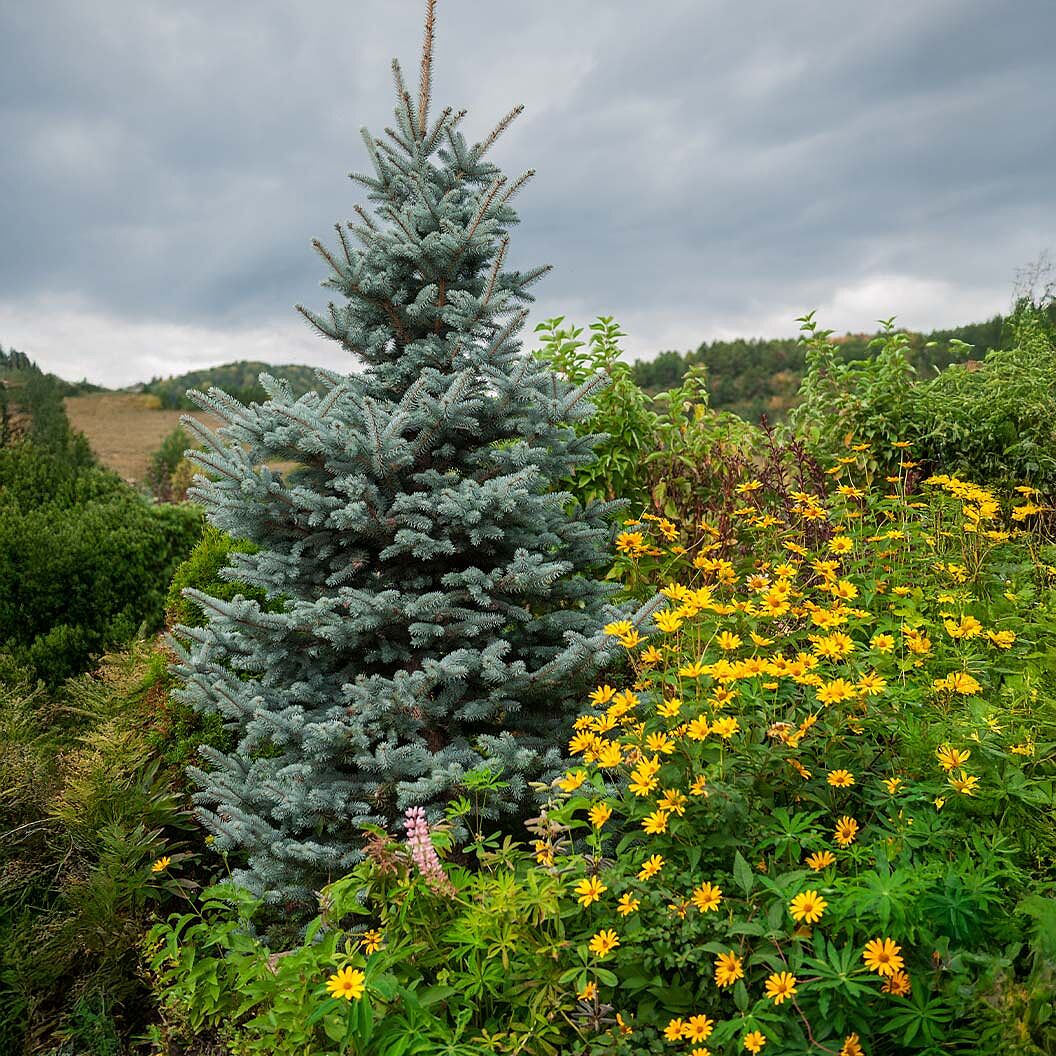
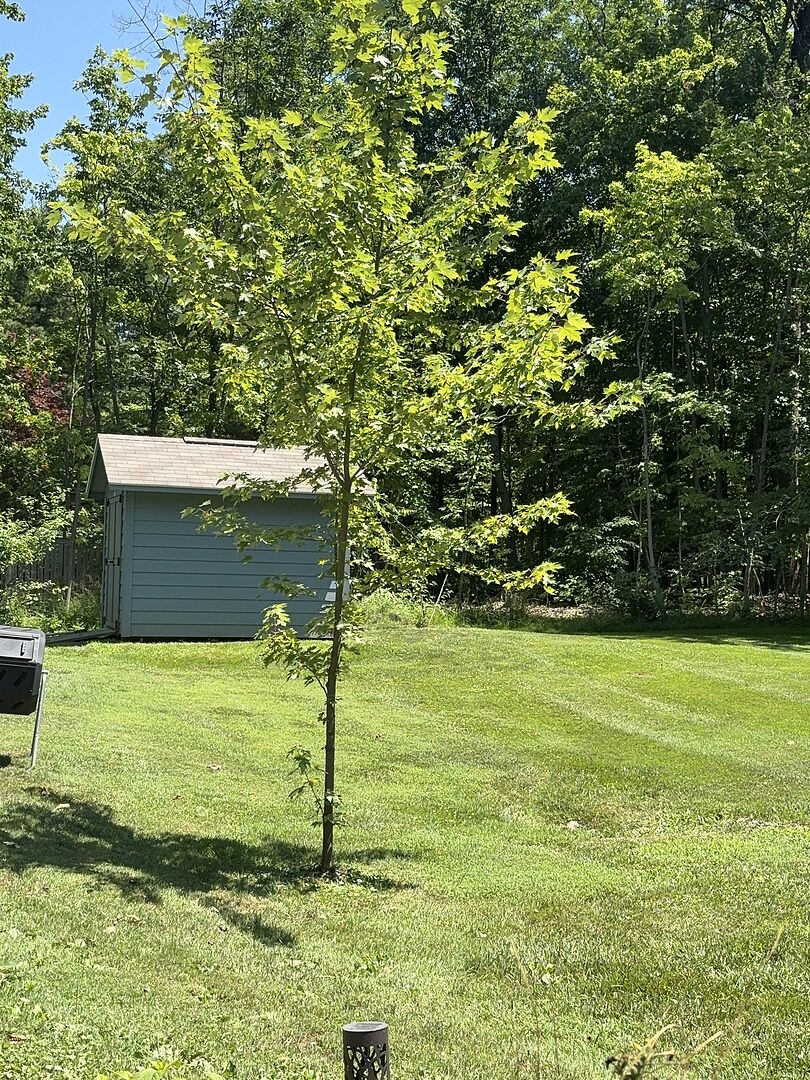
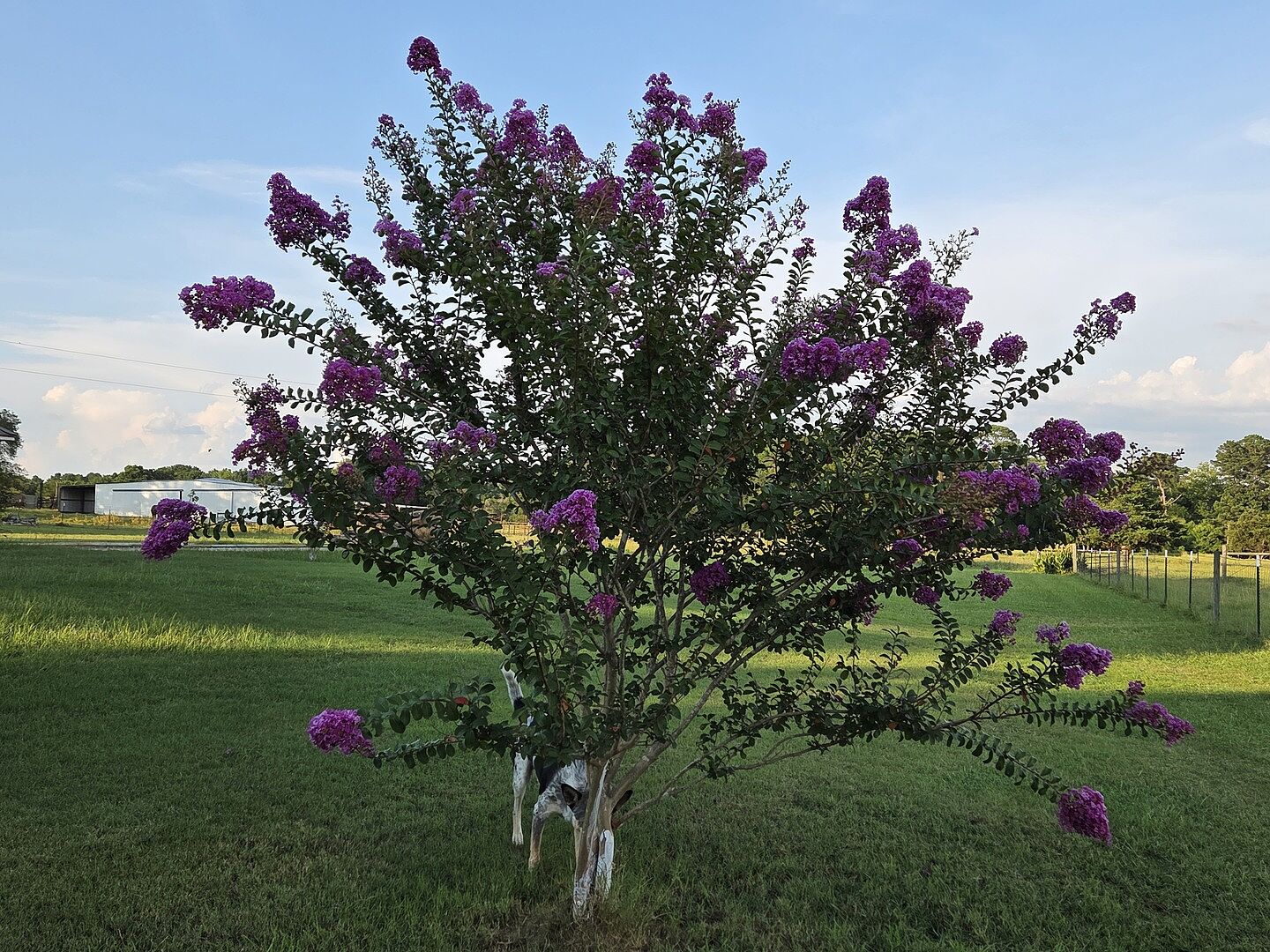
North Carolinians just love living in the Tar Heel State, though they are often looking for fast-growing trees that will quickly provide them dense shade during the summertime. Which trees you choose to plant in North Carolina will depend on where you live - Coastal Plain, the Piedmont or the Mountains - and the benefits you expect from the tree.
The Best Trees for Planting in North Carolina
Good considerations for tree choices in NC will always include species that are highly adaptable to the unique climate of the North Carolina hardiness zones; trees that can thrive in zones 6, 7 and 8. At fast Growing Trees Nursery, we can help you find trees and shrubs that will easily adapt to your environment.
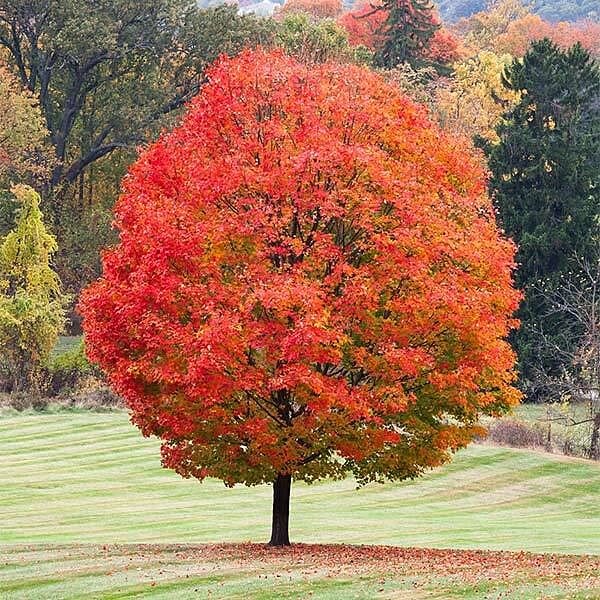
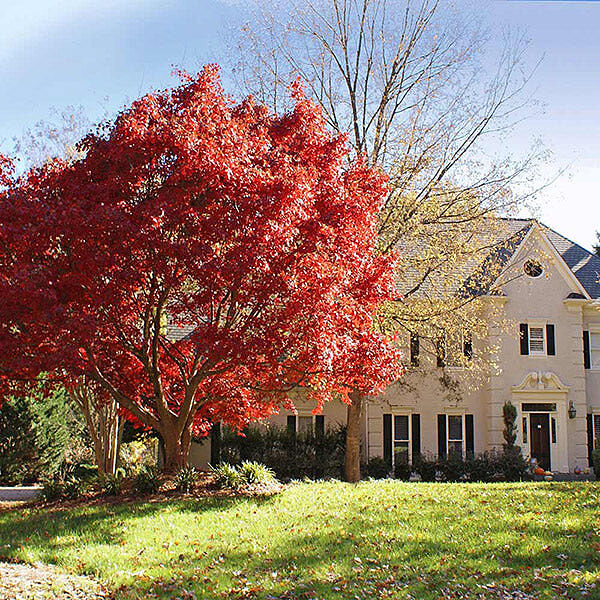
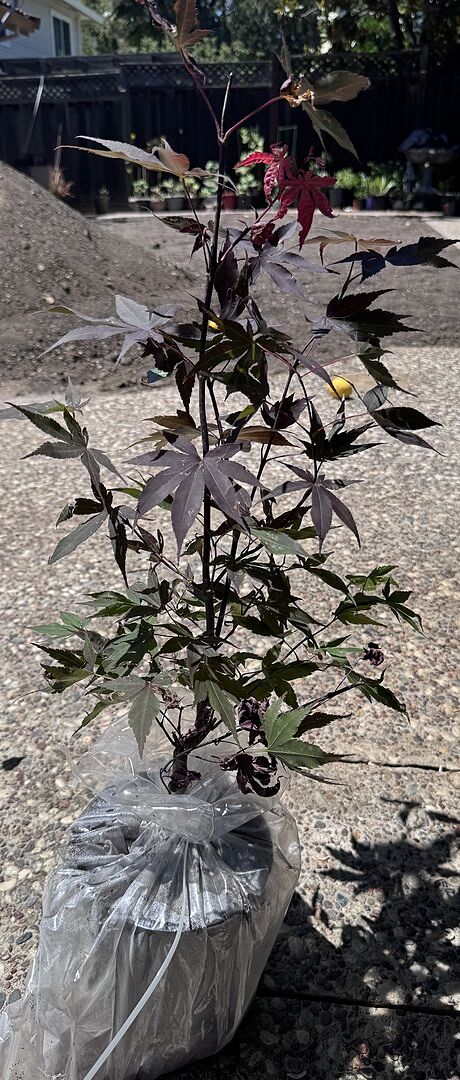
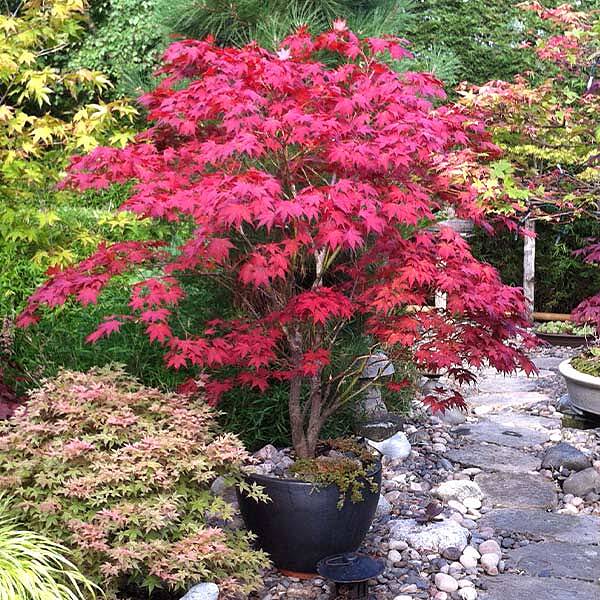
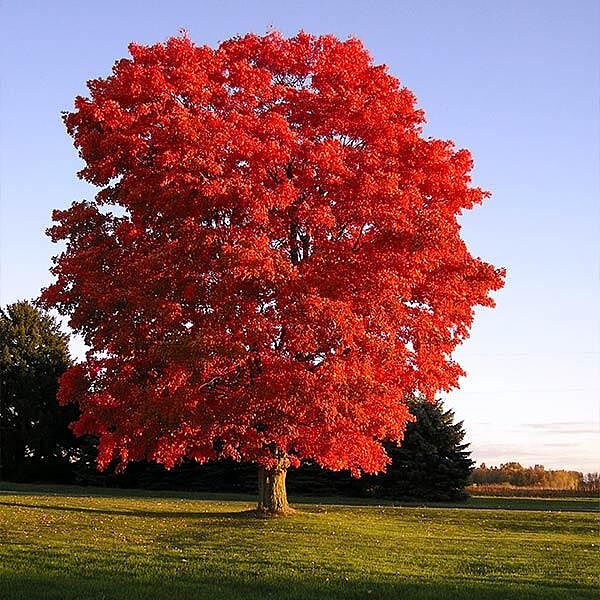
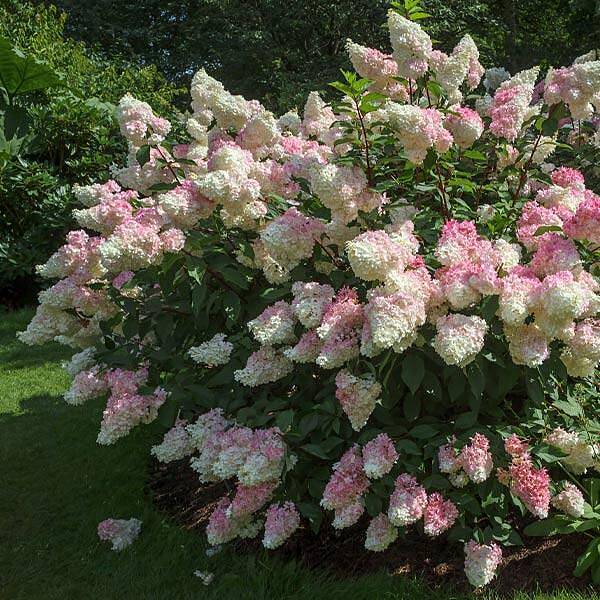
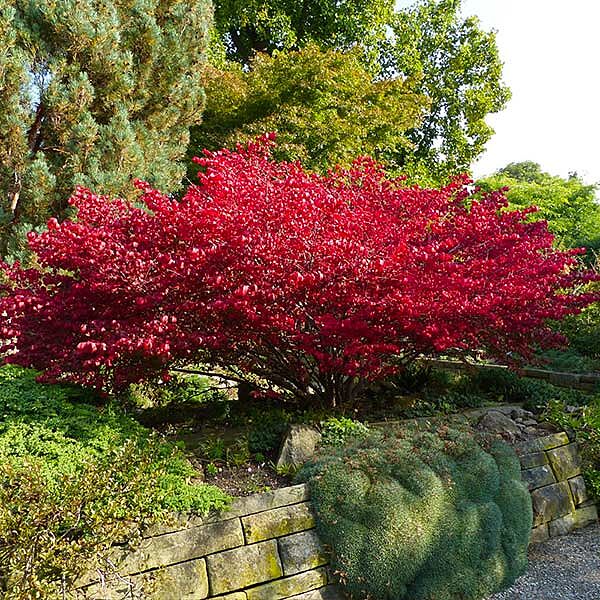
We know you want fast-growing trees that hardy, and are perhaps even native to North Carolina, consider the customer favorite; Flowering Dogwood. Our many varieties of maple will also give seasonal color to your residential landscape.
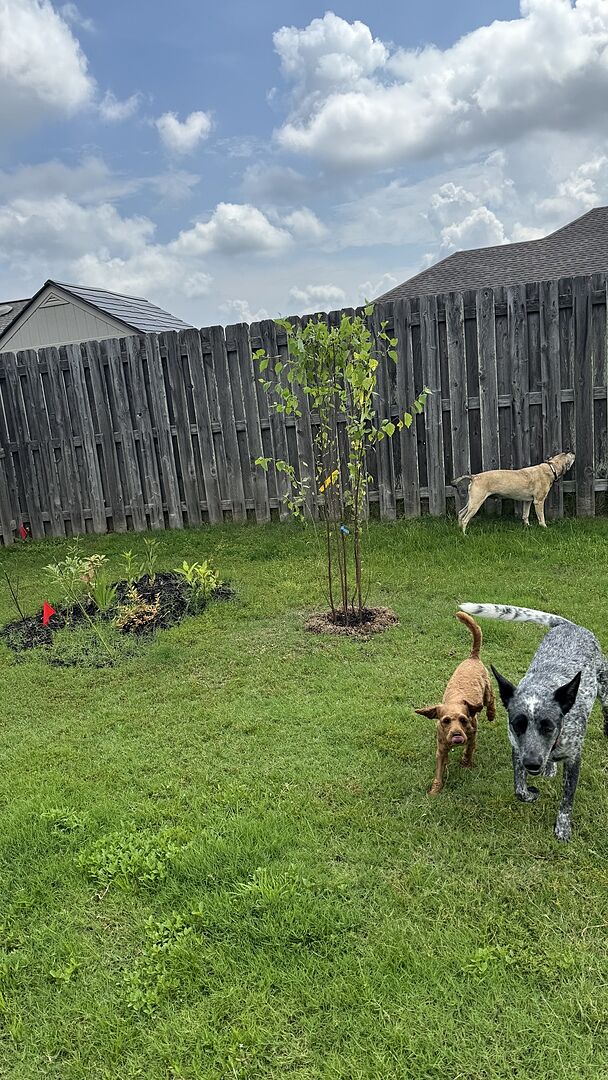
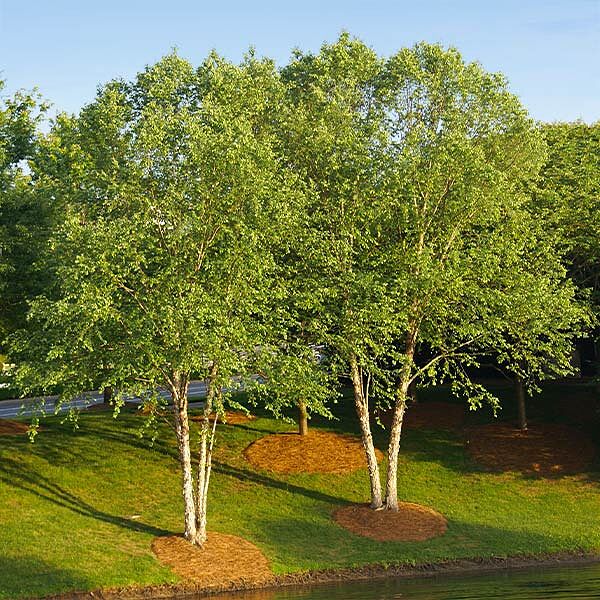
If you’re looking for a tree that will grow quickly to provide dense shade, the American Beech is a winner, as are its compatriots the American Sycamore, the American Elm and the Sweetbay Magnolia.
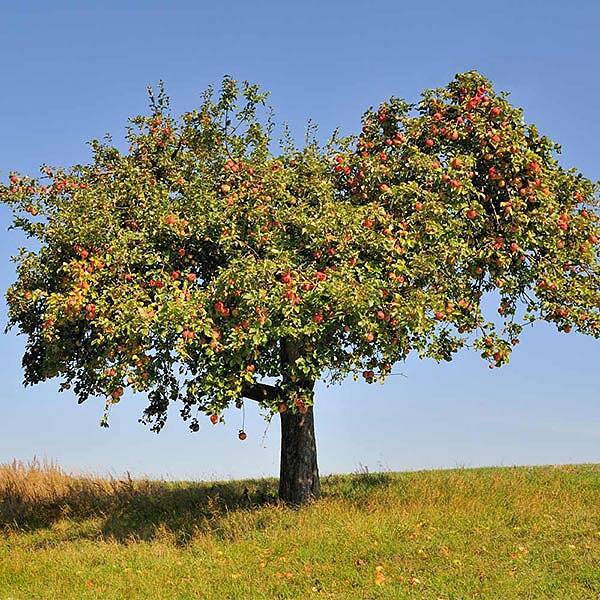
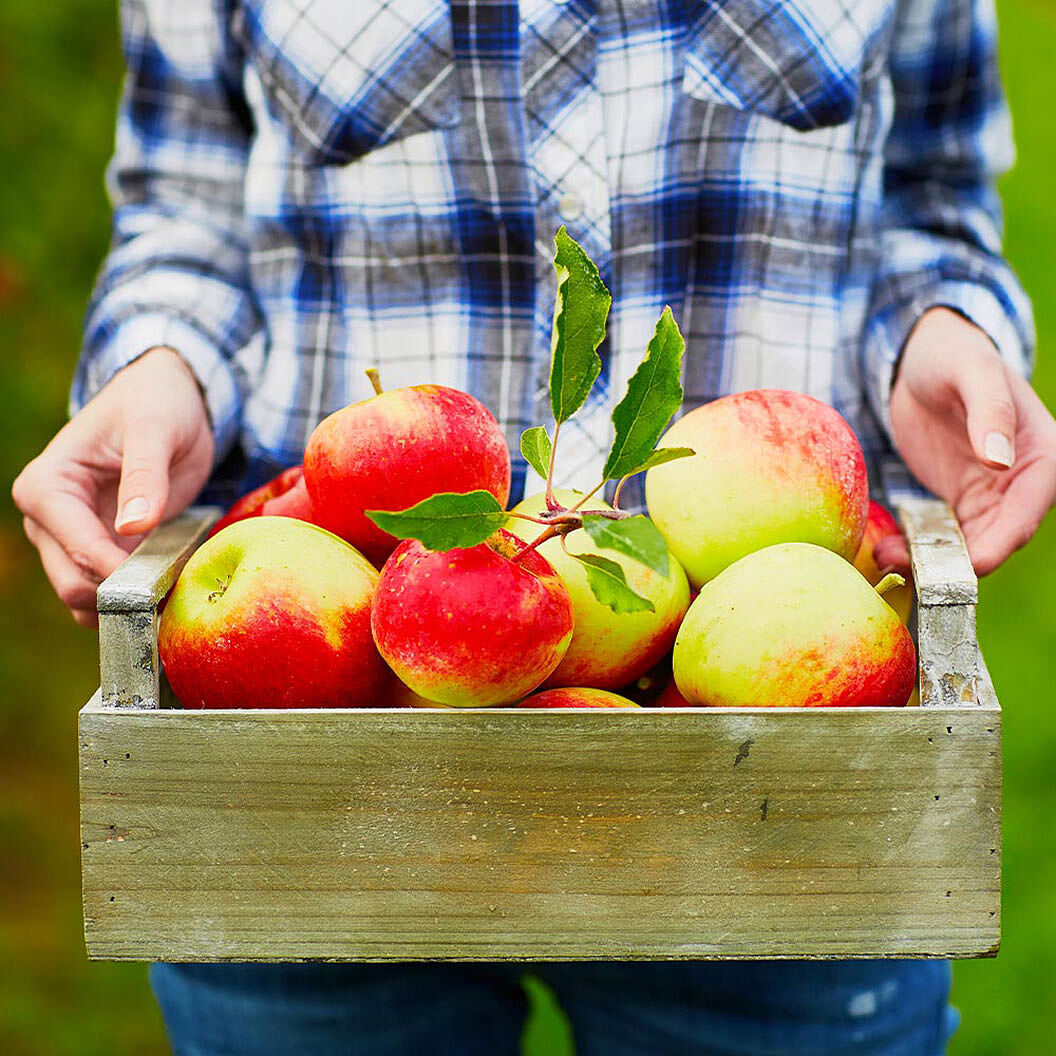
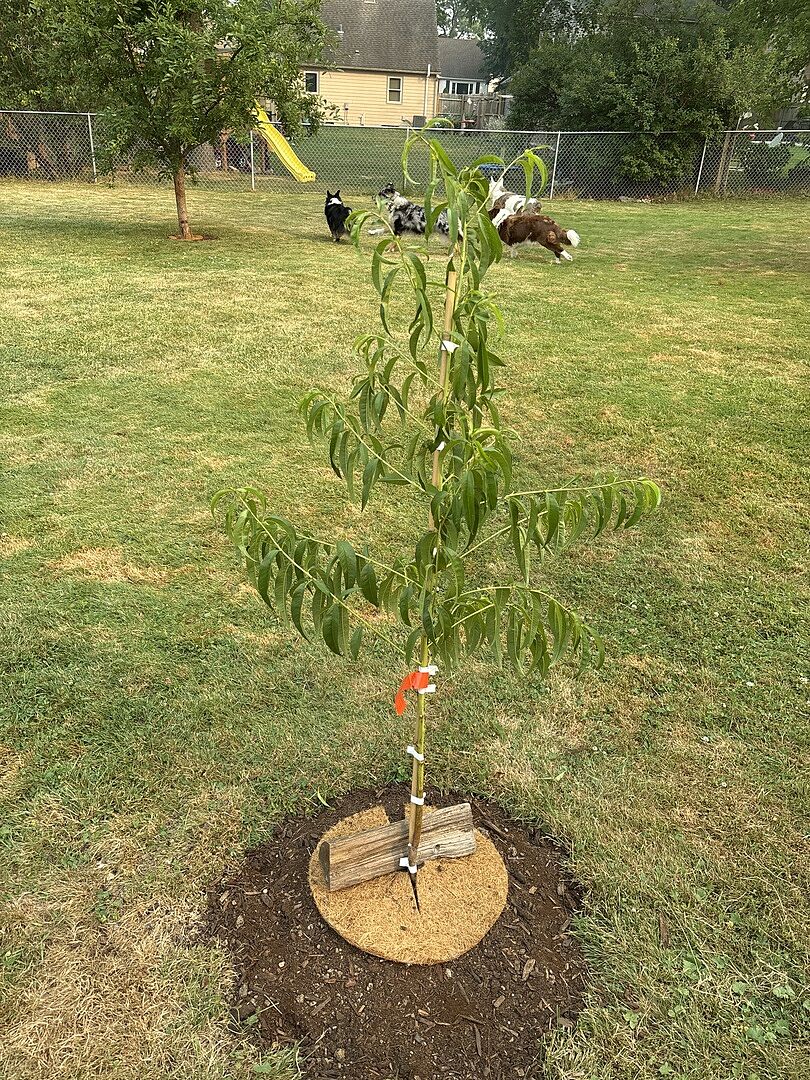
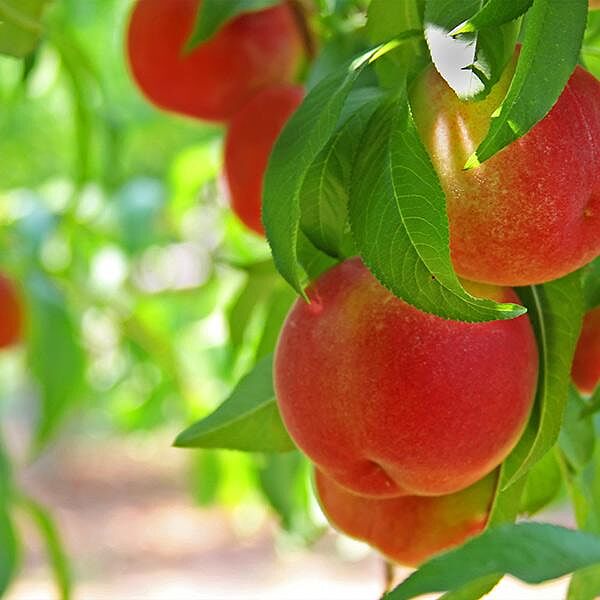
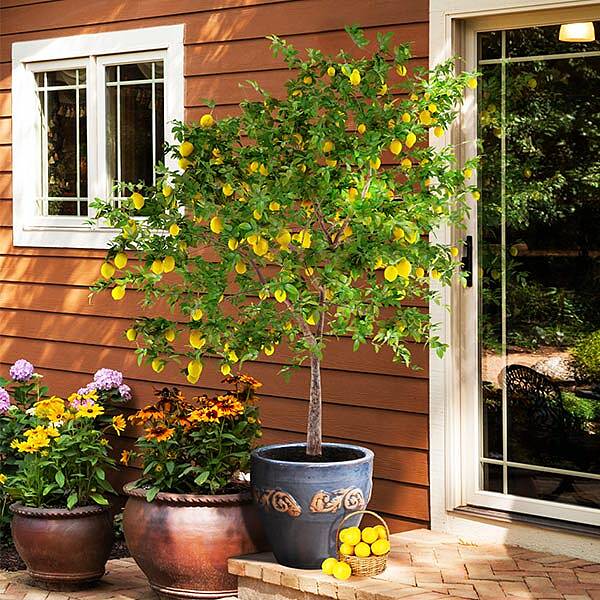
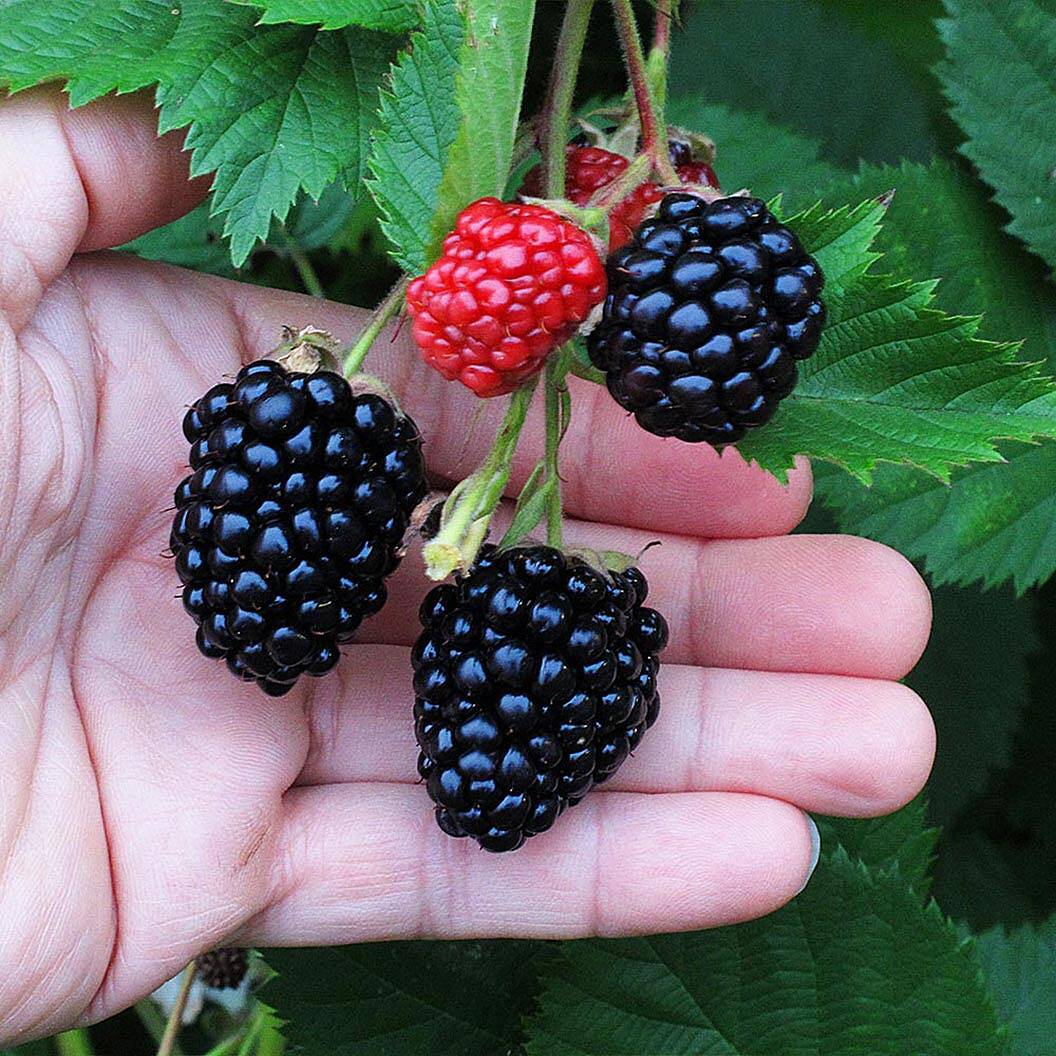
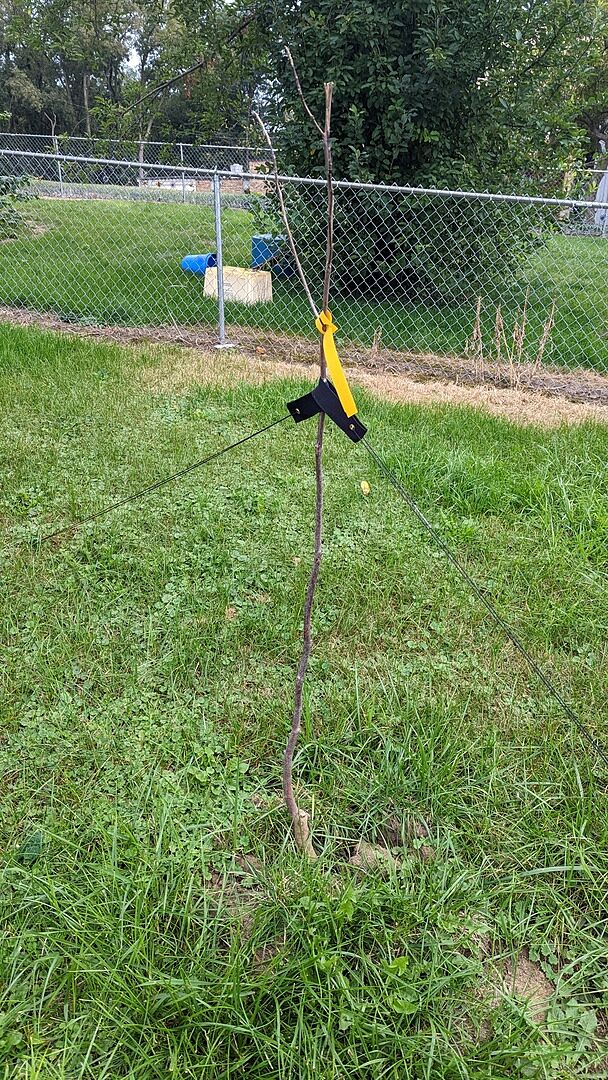
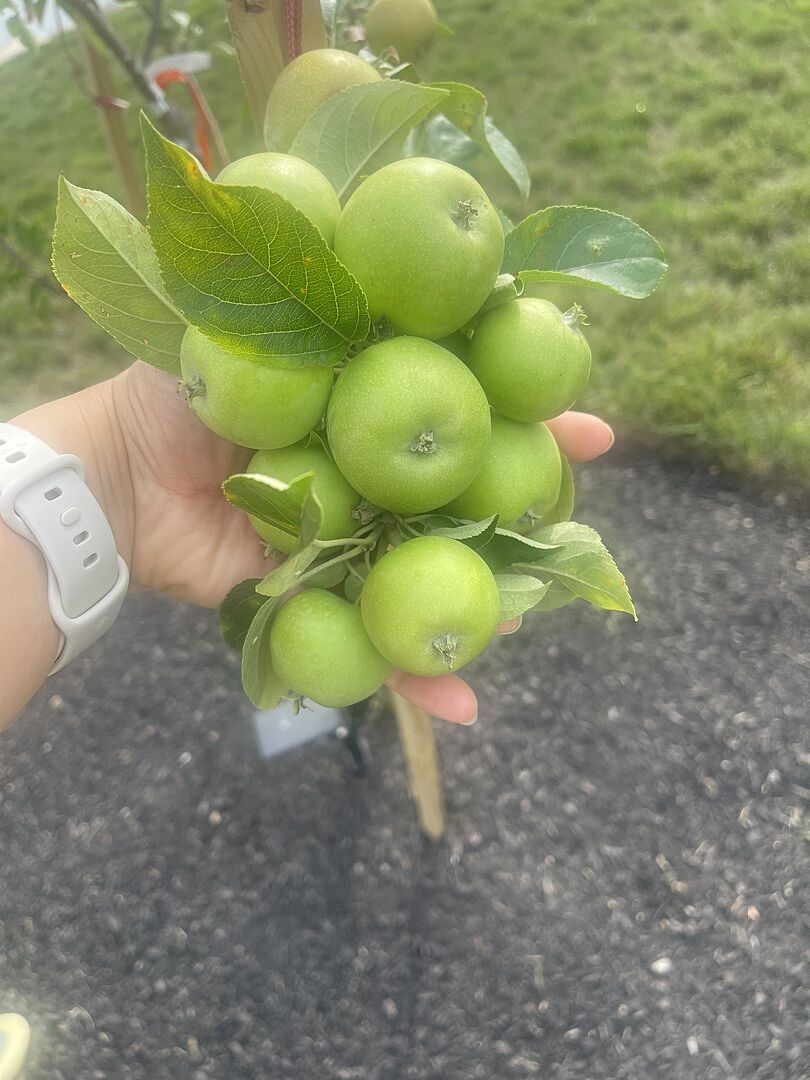
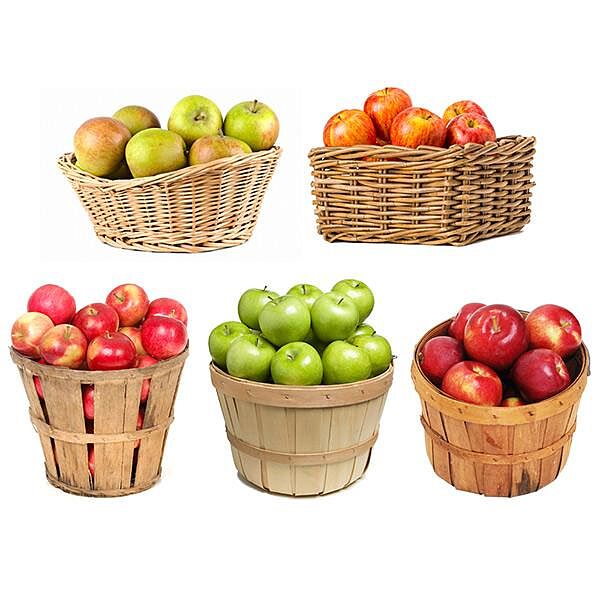
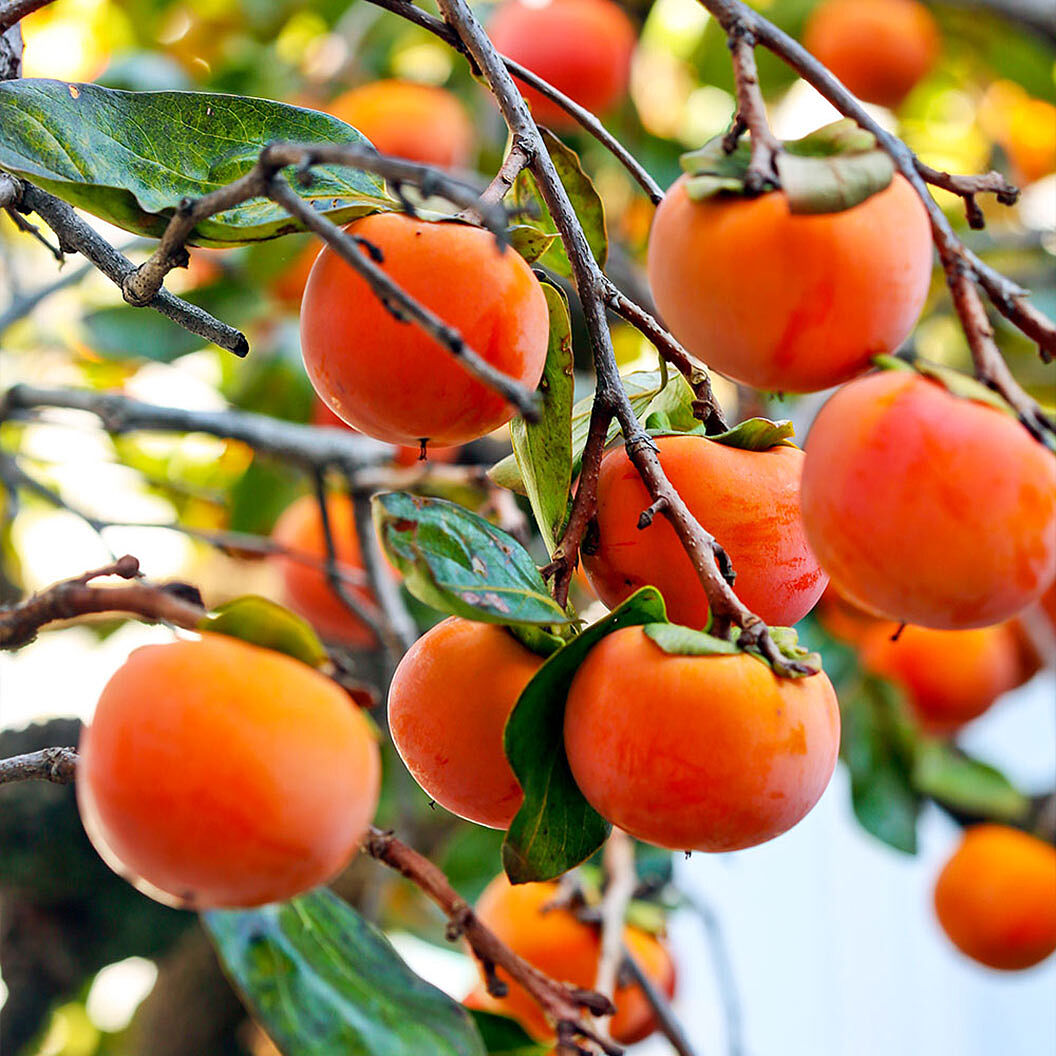
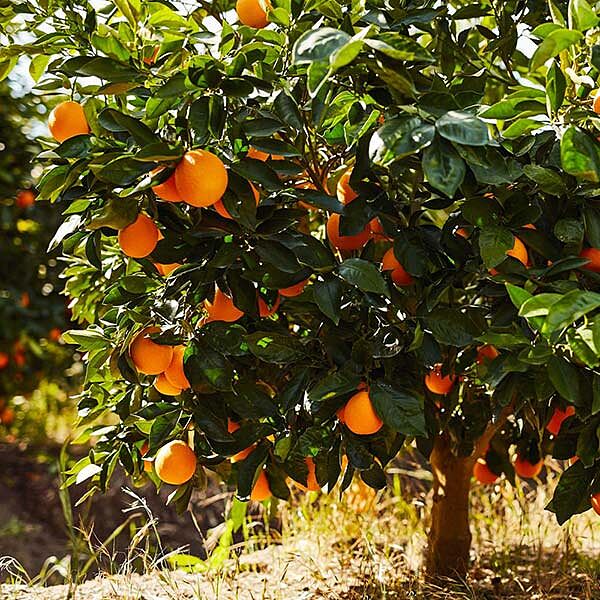
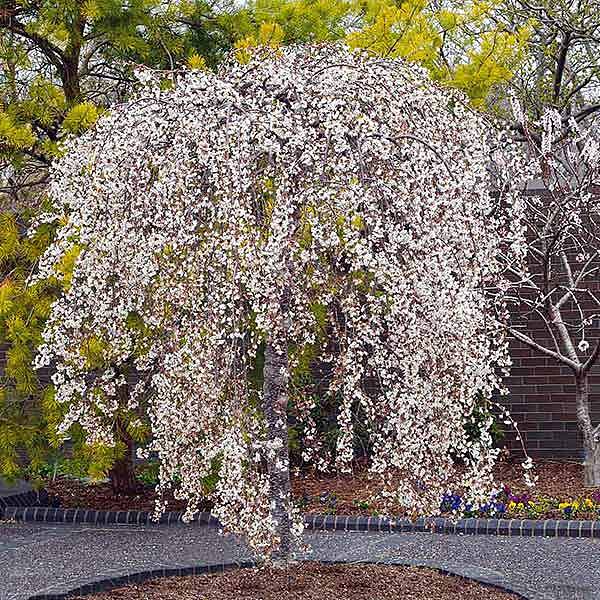
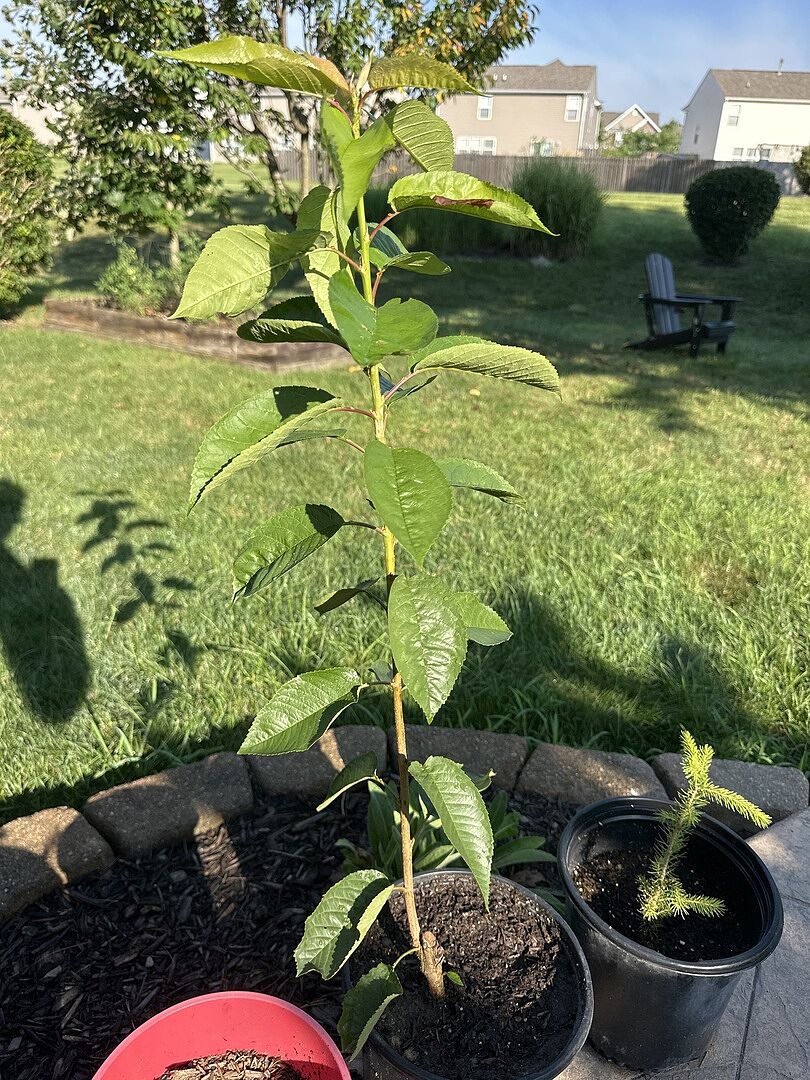
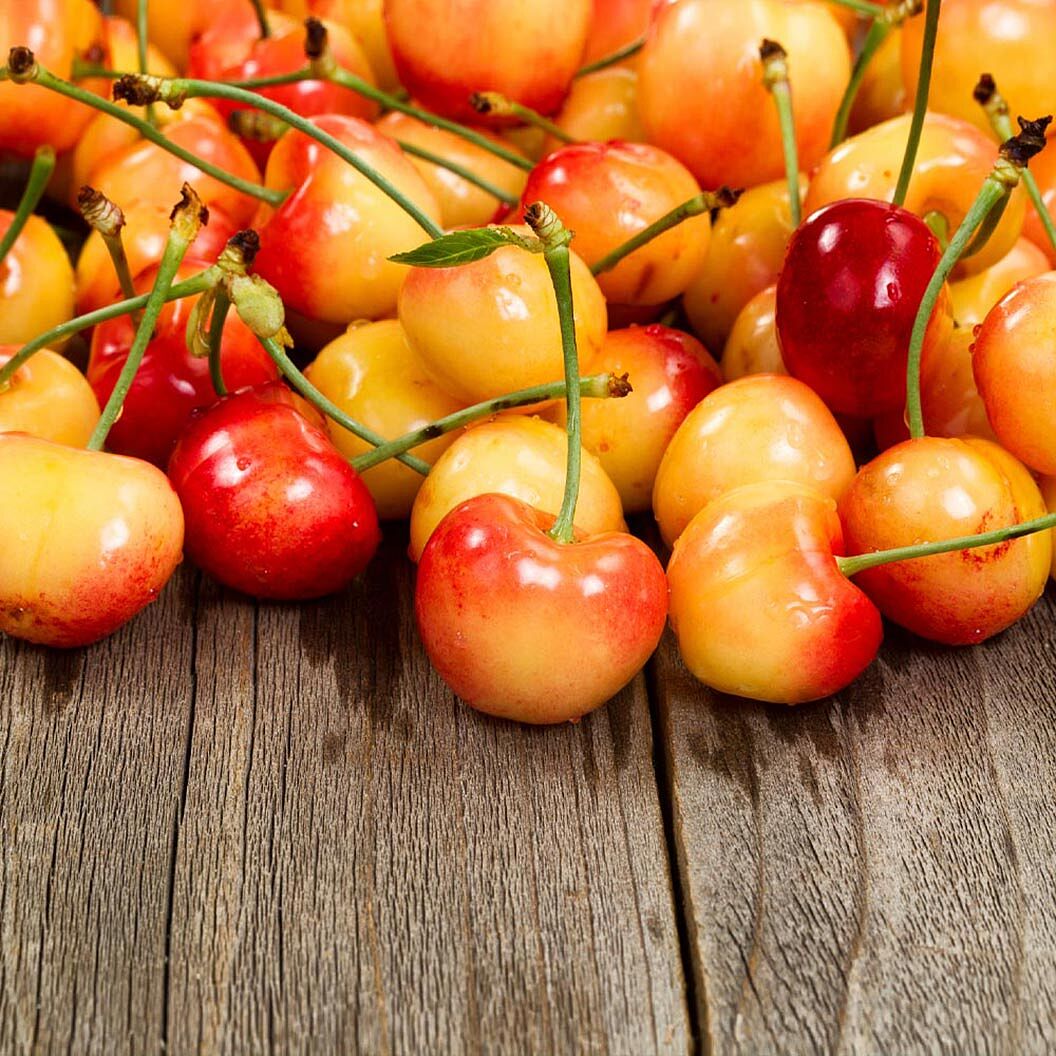
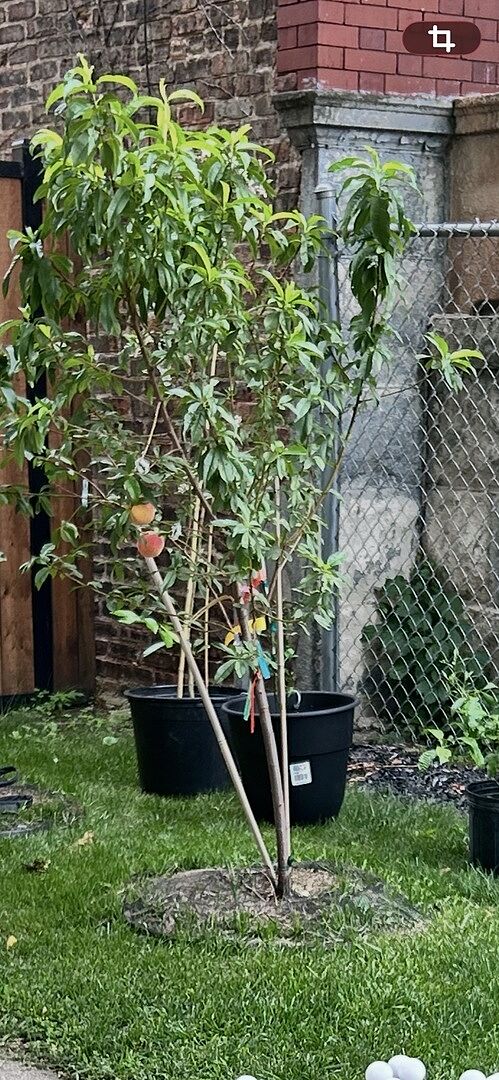
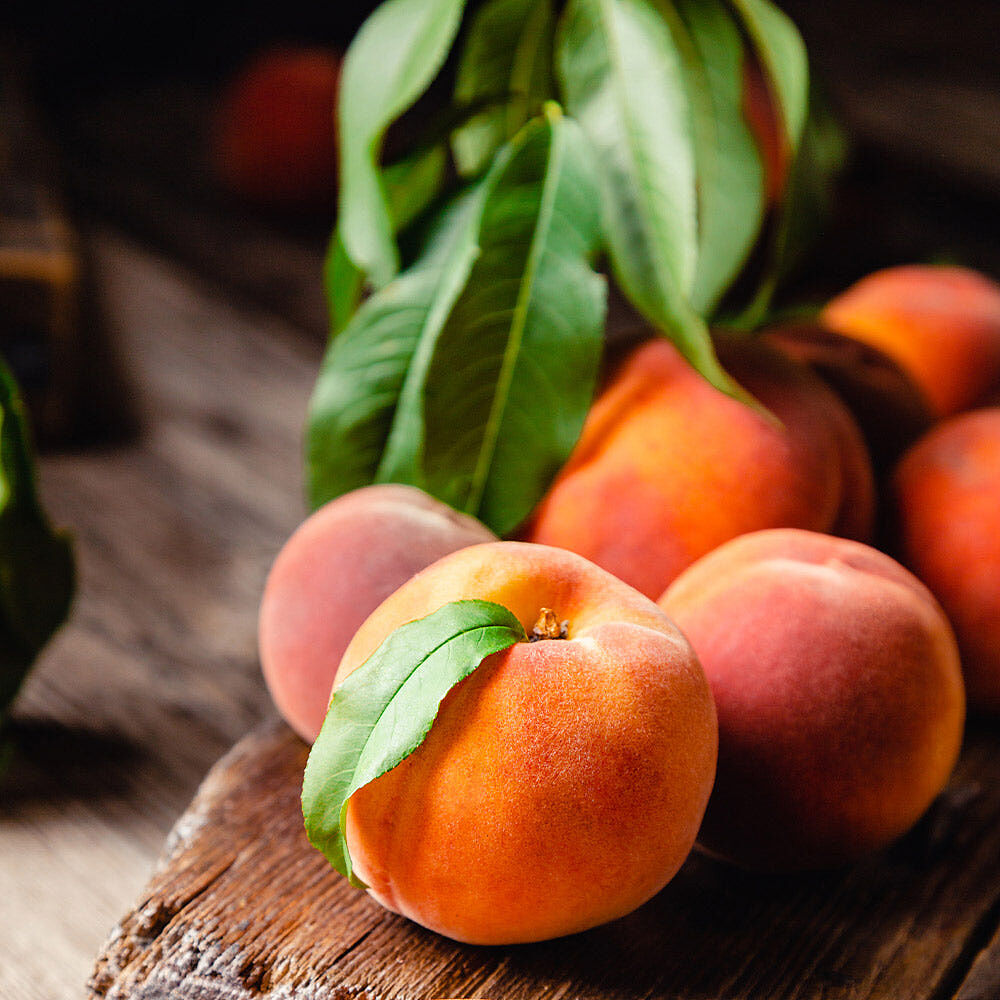
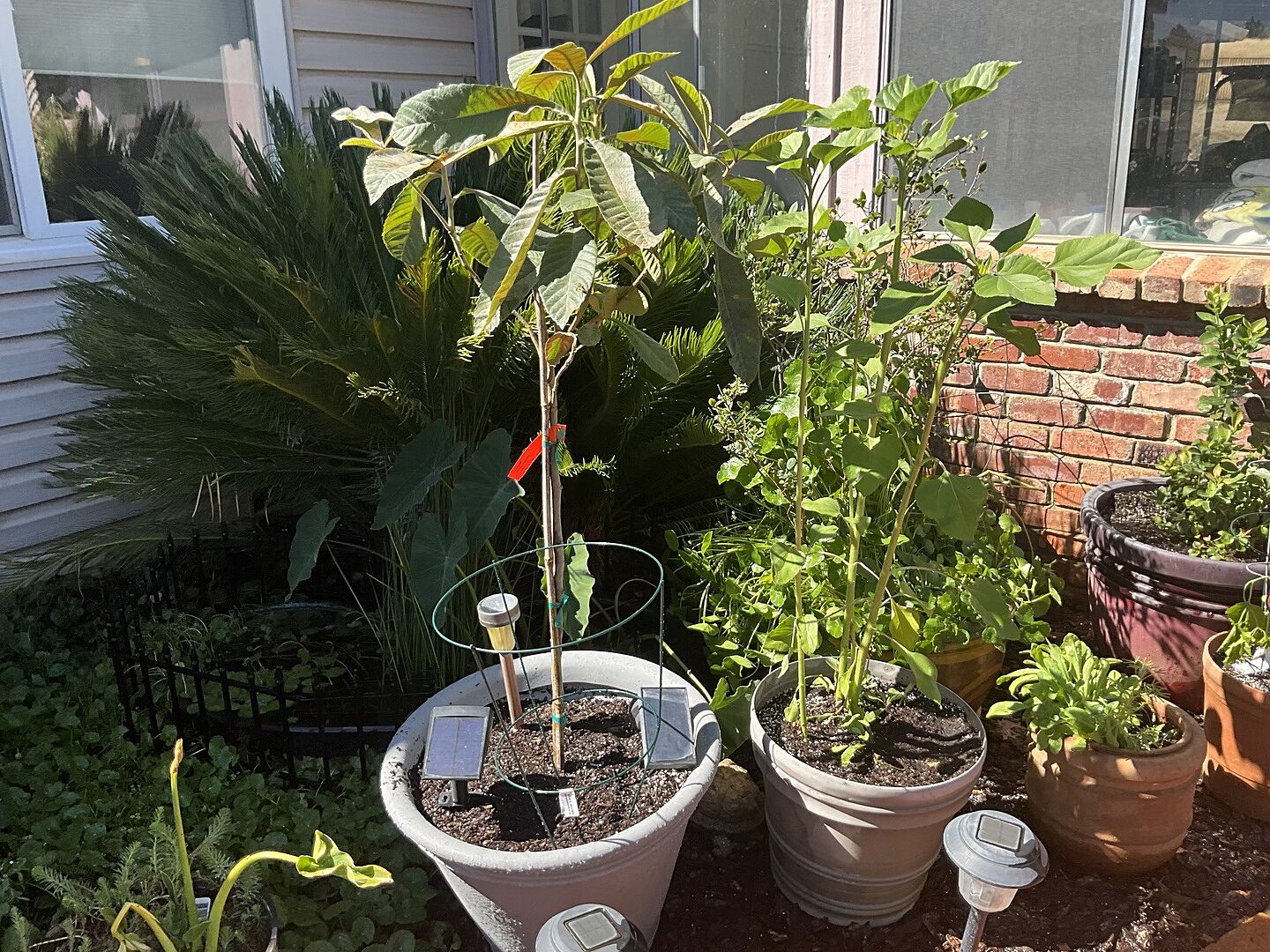
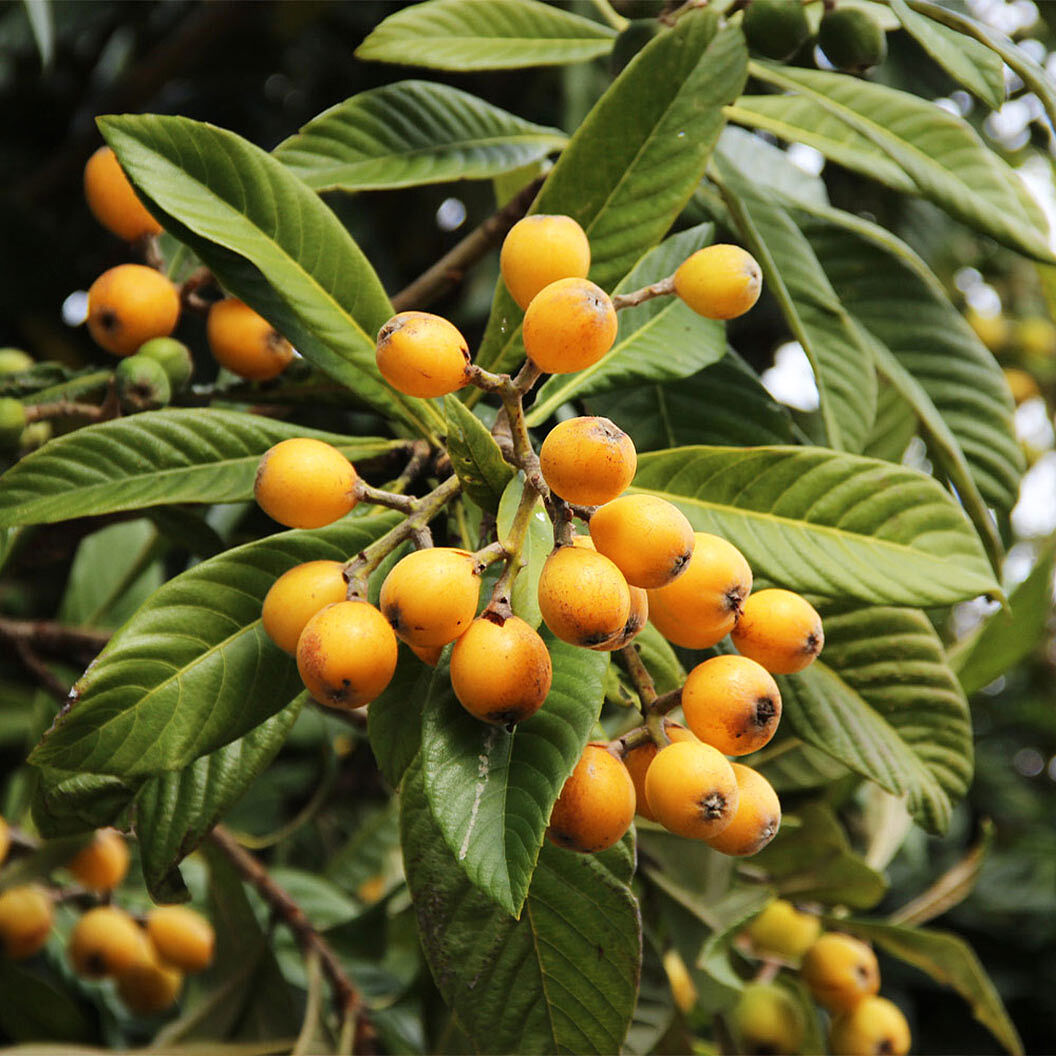
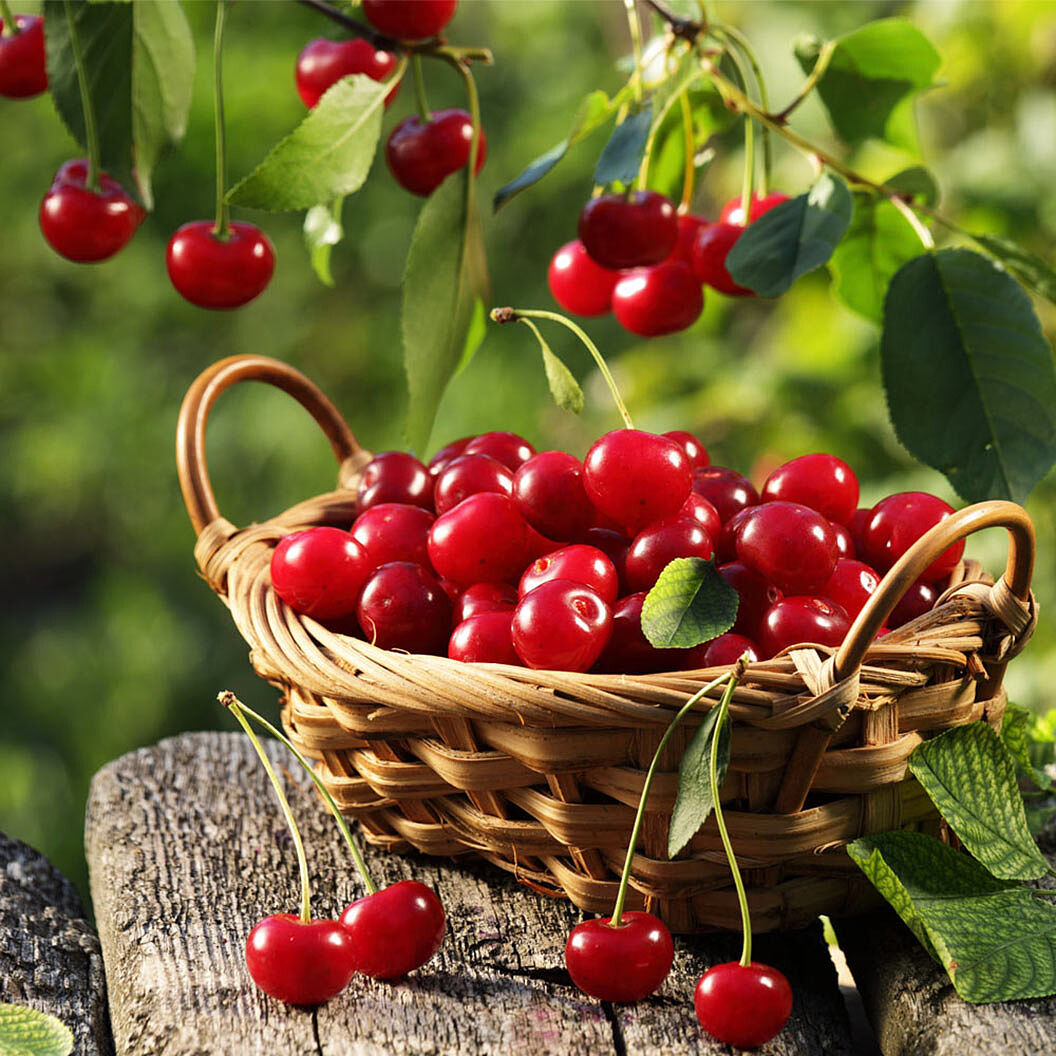
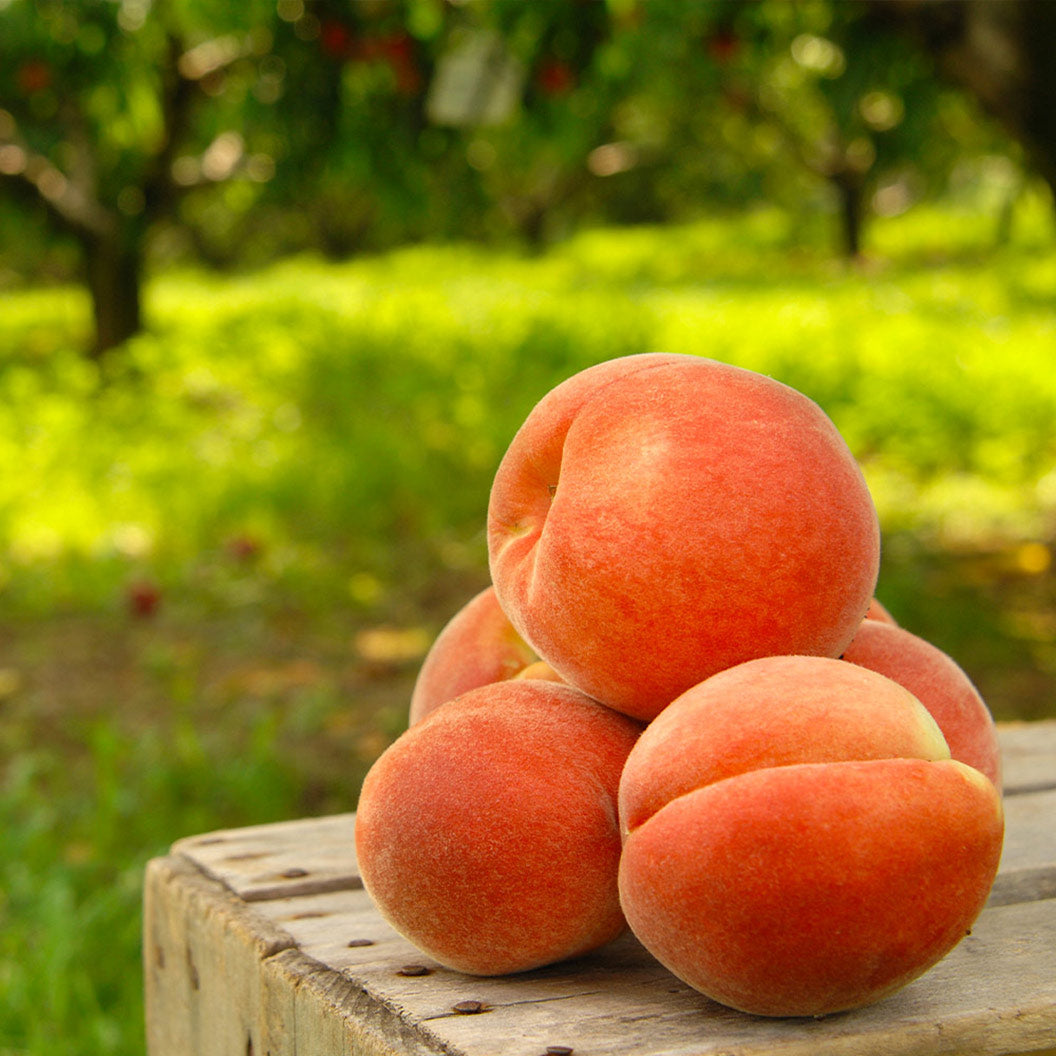
What would your Tar Heel State garden be without a selection of fruit trees? We have the delicious Red Haven Peach; a fast-growing fruit tree with large peaches and the juicy Elberta Peach. That’s not all; we also have Bing and Black Tartarian cherries, Granny Smith and Yellow and Red Delicious apples and Bartlett and Kieffer pears.
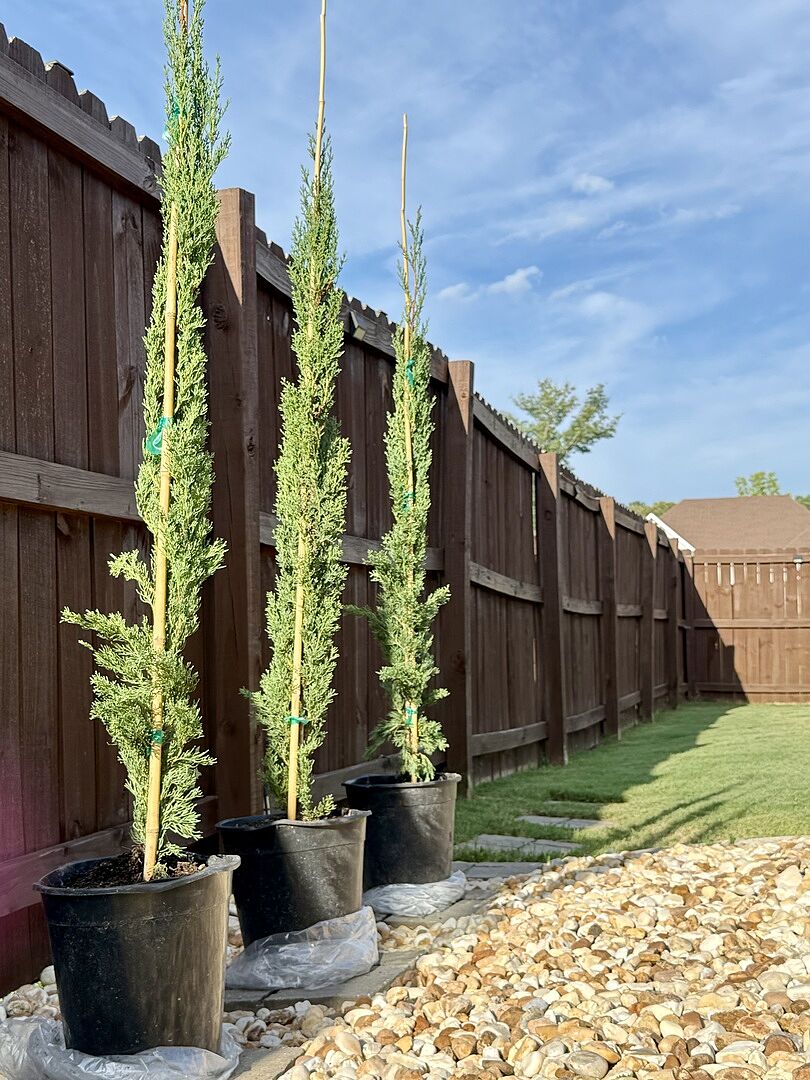
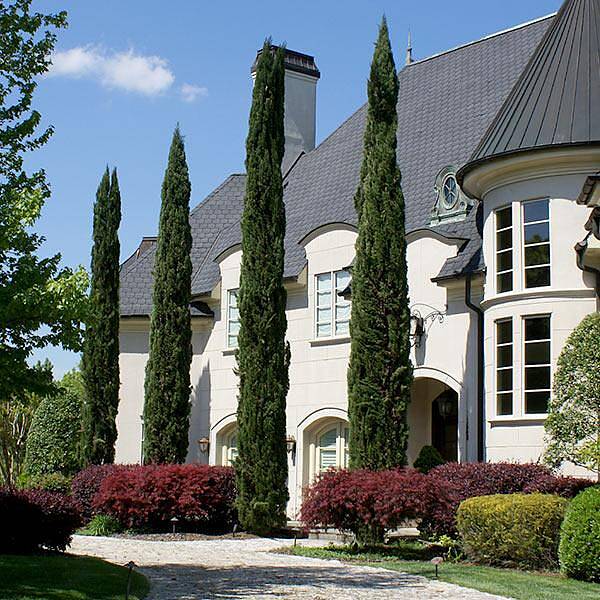
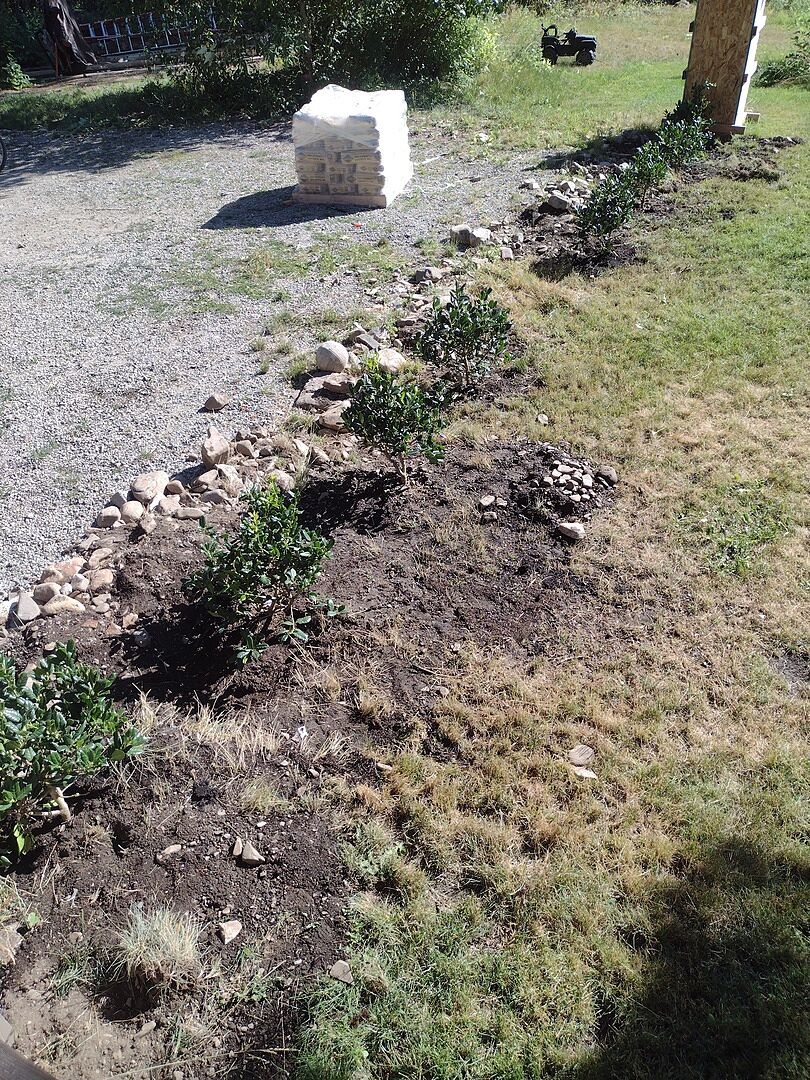
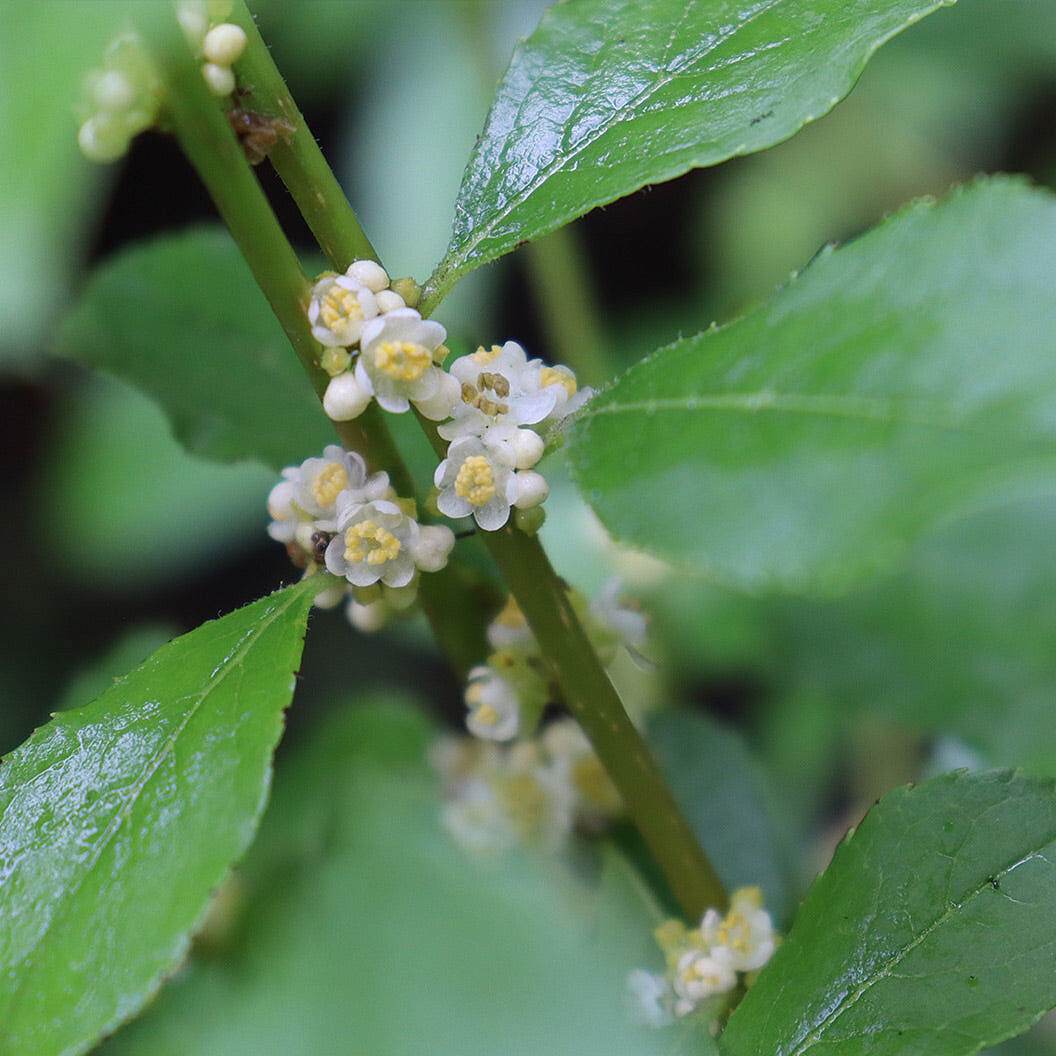
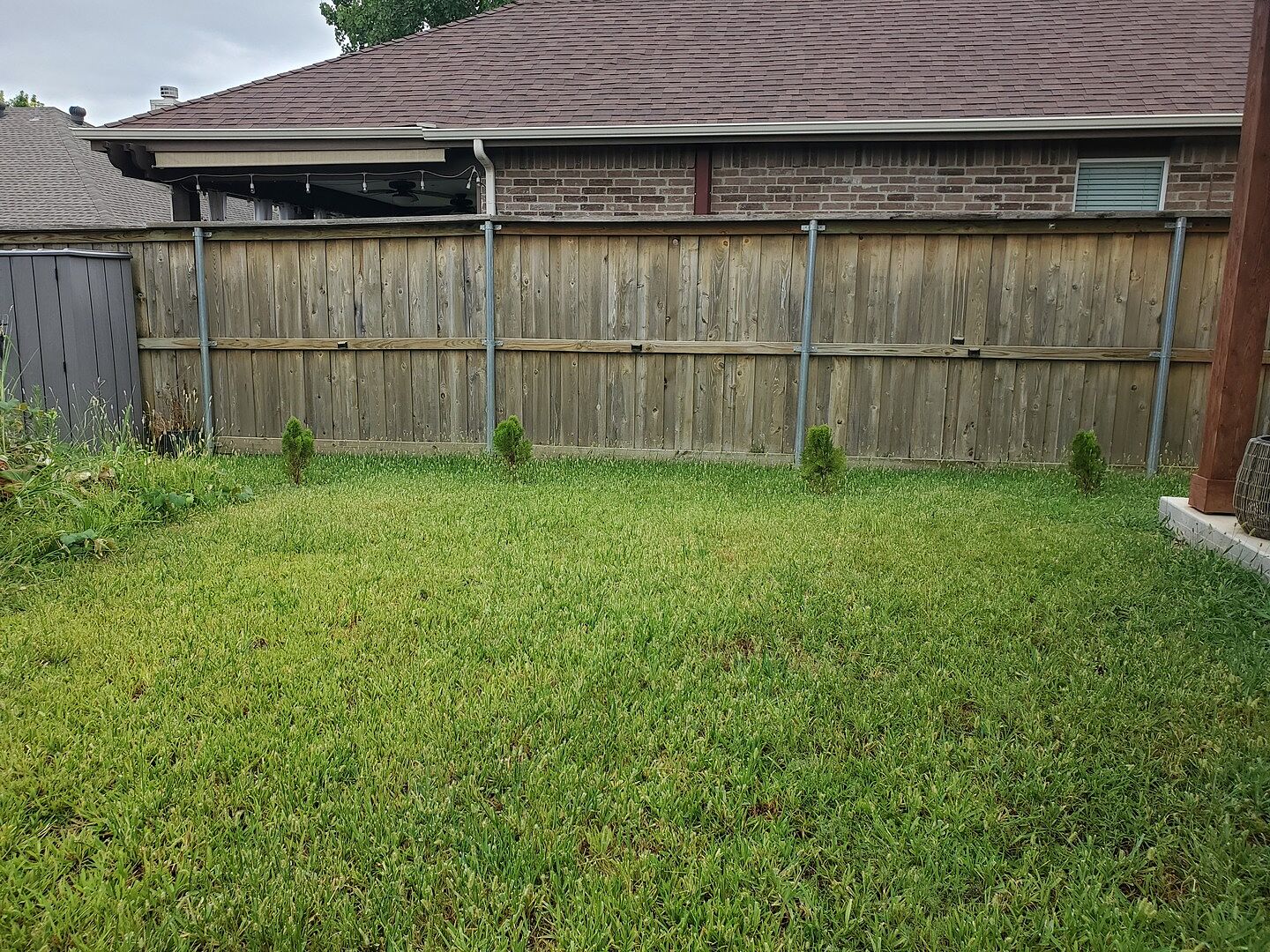
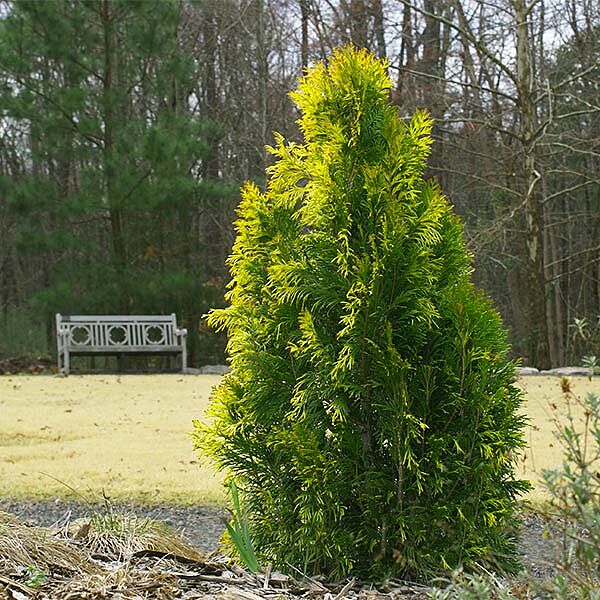
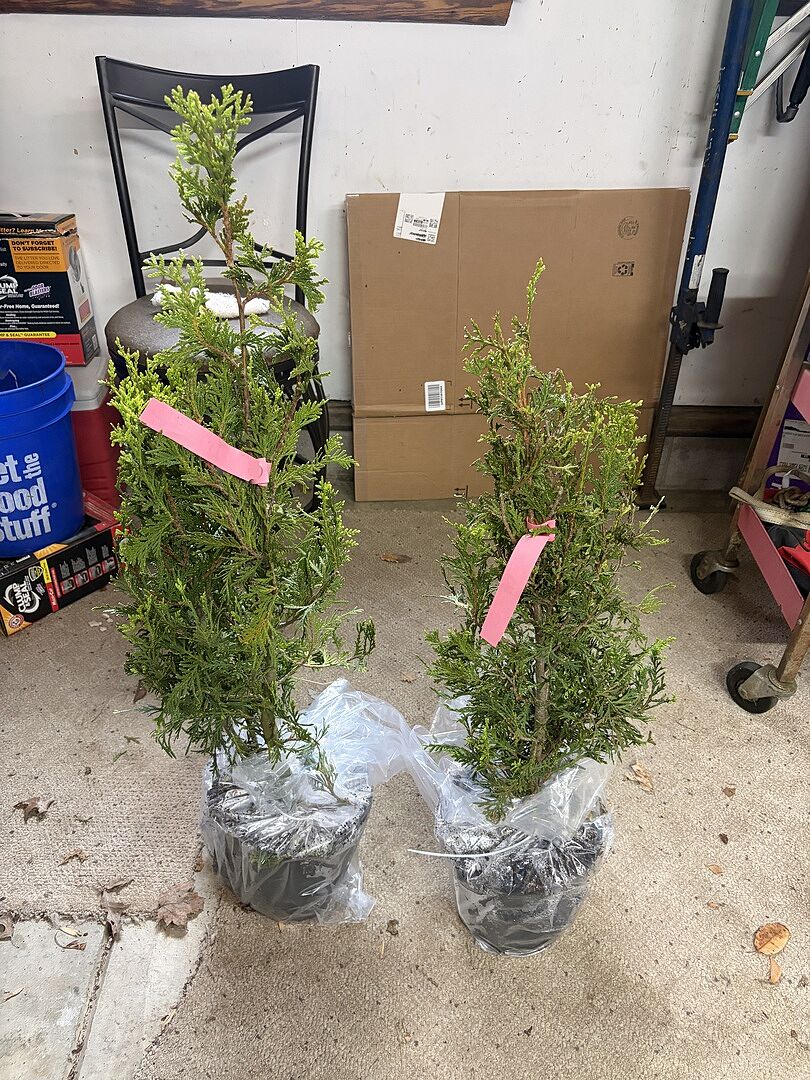
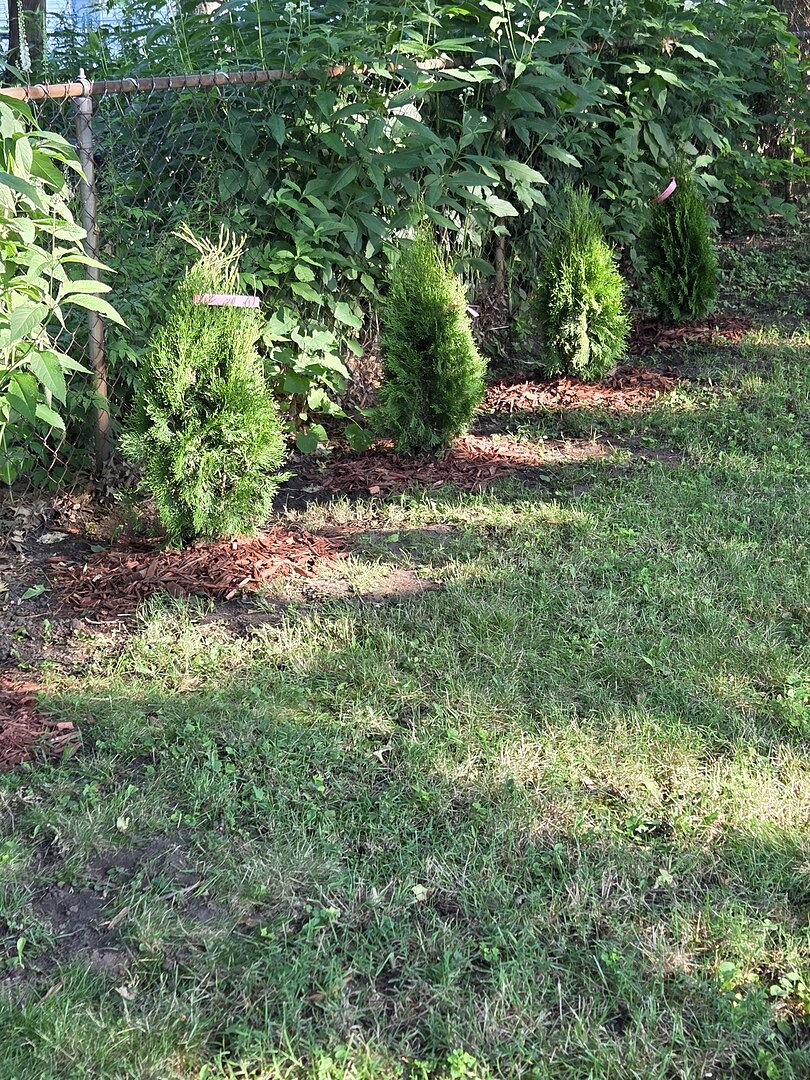
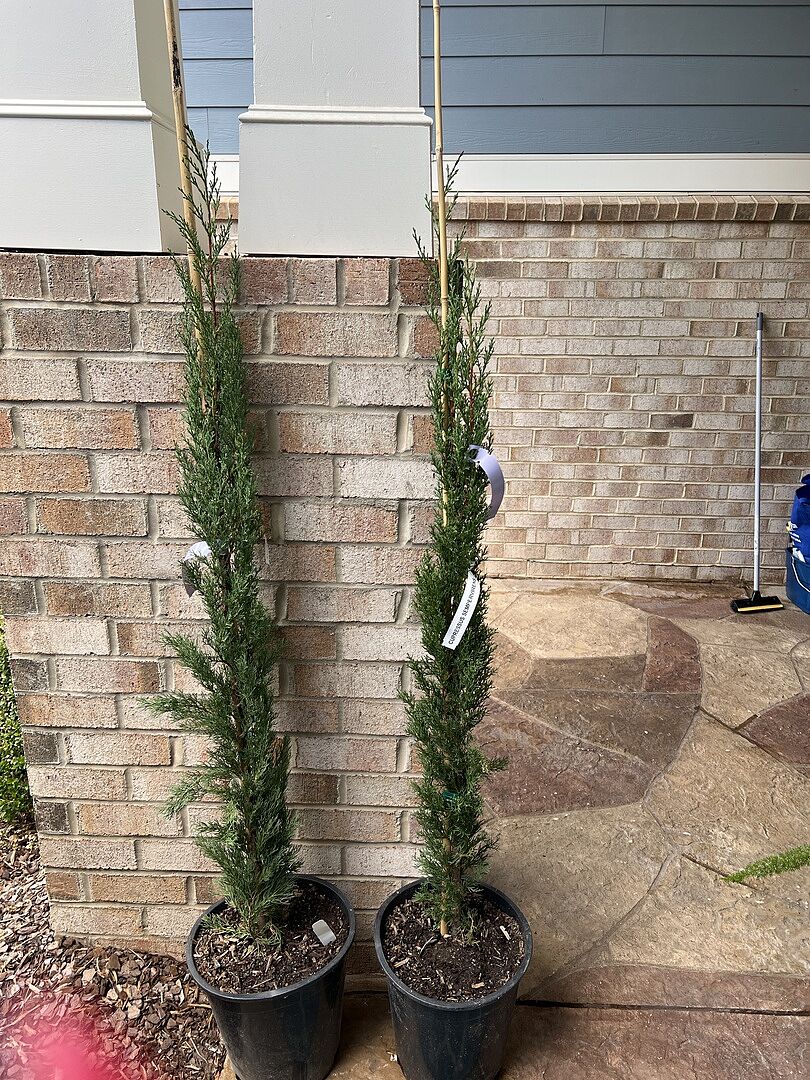
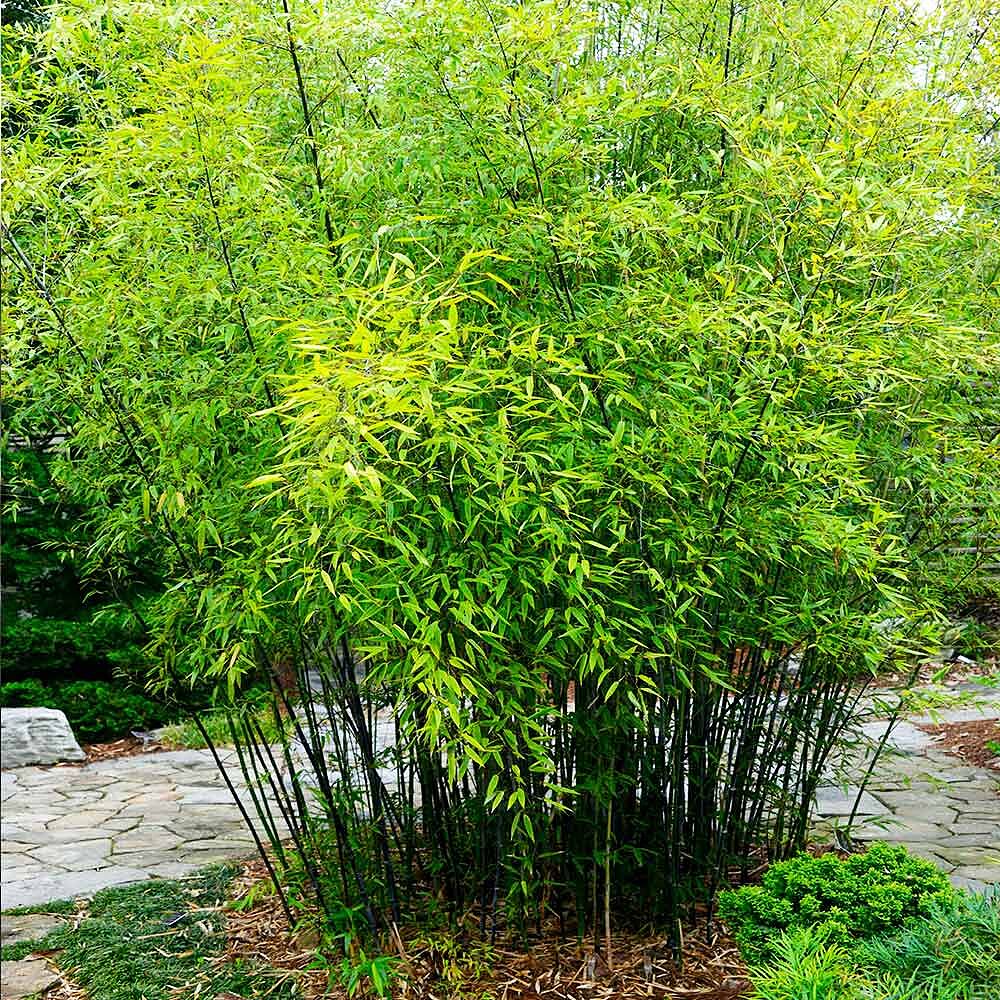
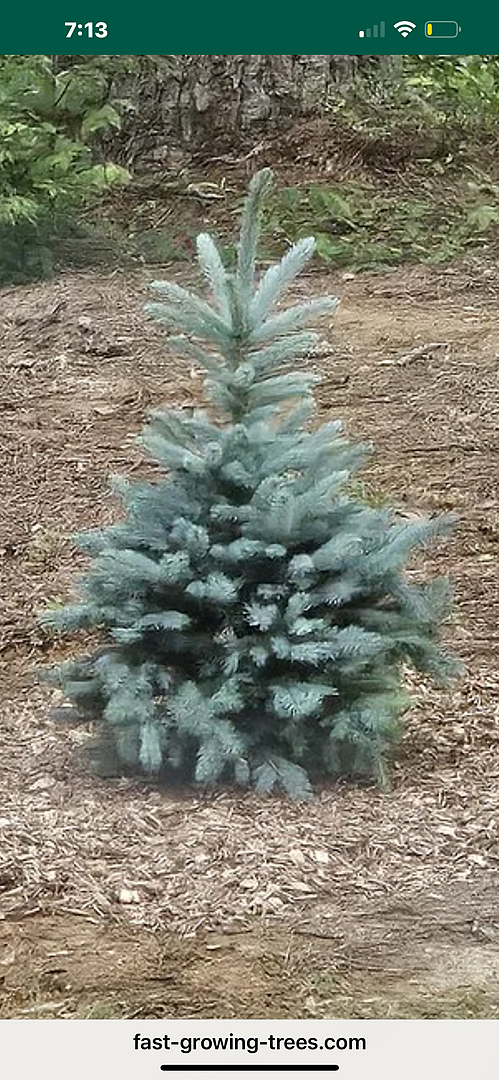
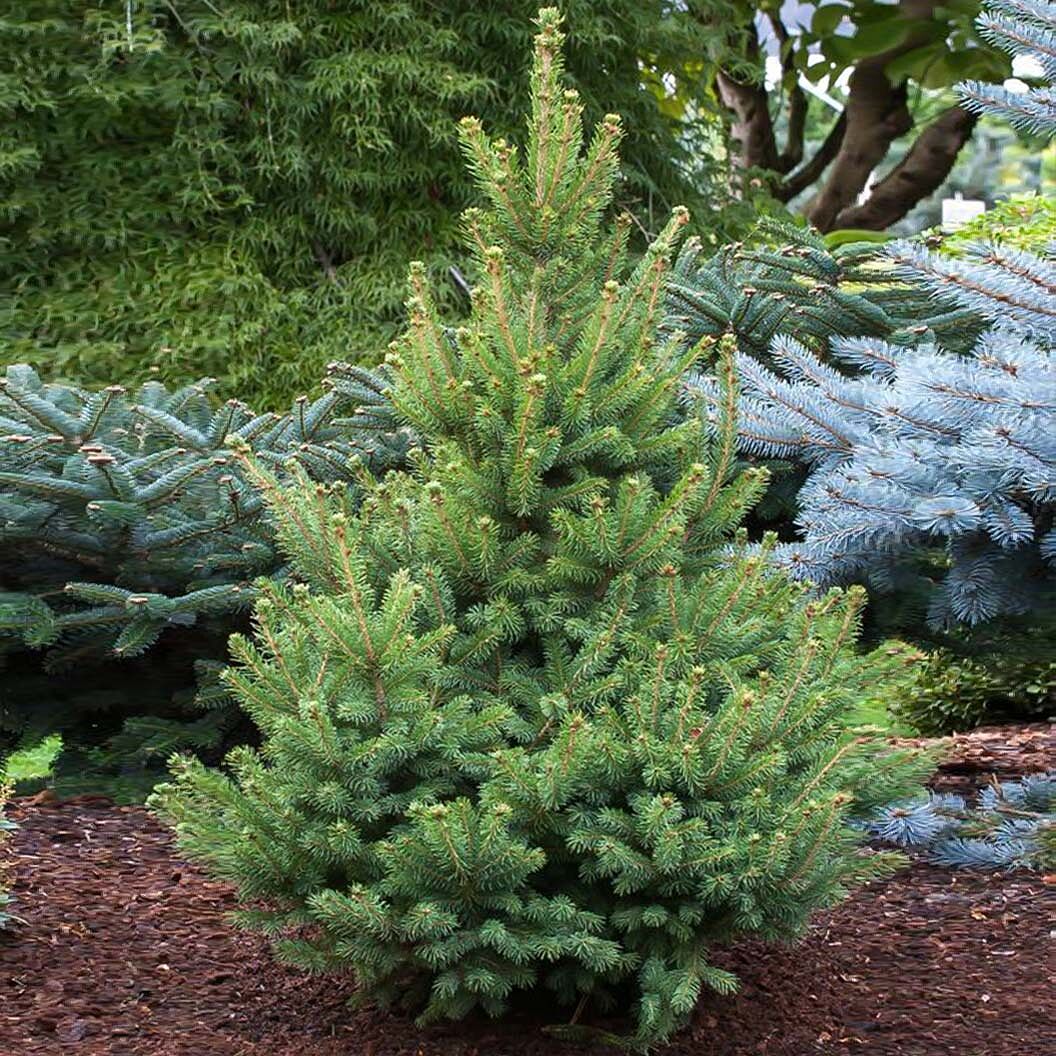
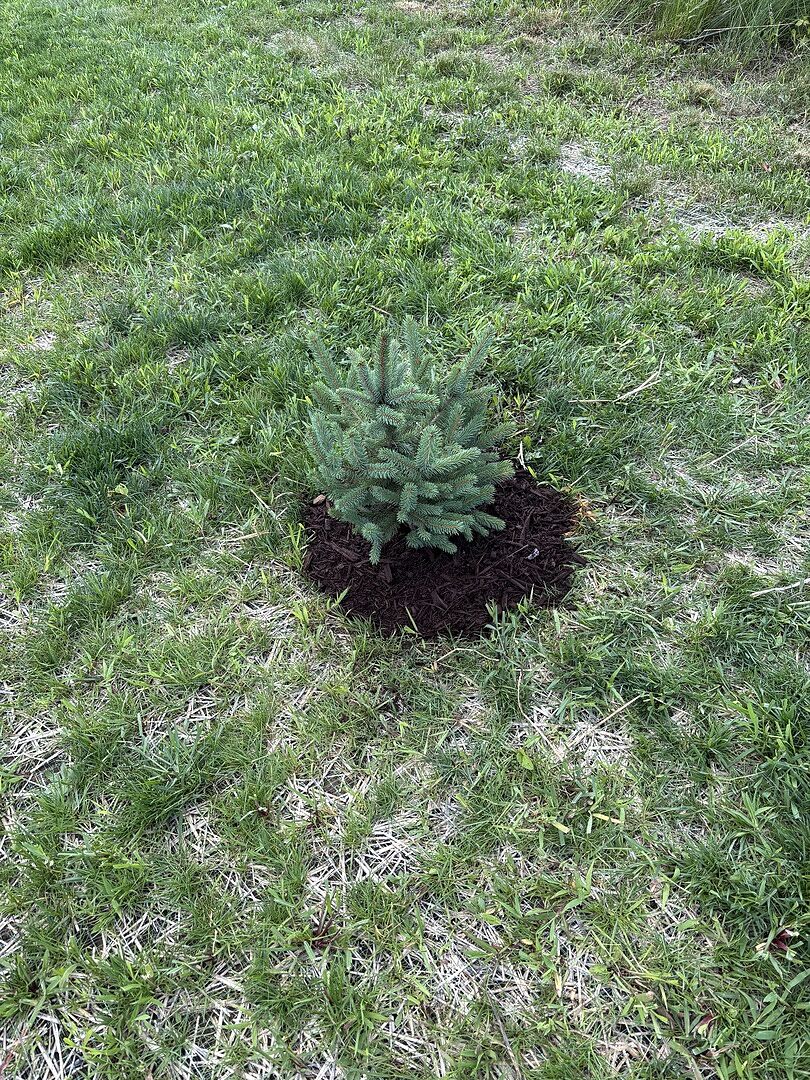
To add more shade with a living screen, plant a row of our Thuja Giant or Leyland Cypress evergreens. They both grow quickly to form a uniform, living green wall. They are easy to grow and disease resistant. For small but equally effective boundary screens, consider non-invasive Black Bamboo or the variegated Soft Touch Holly.
A Large Variety of Trees for North Carolina
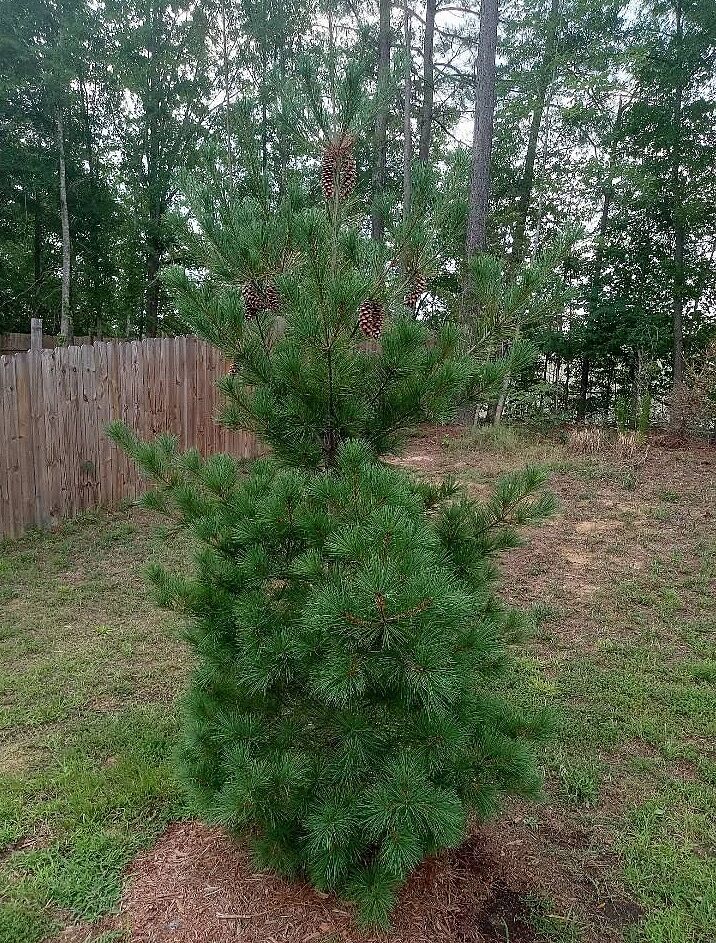
The North Carolina state tree is the Longleaf Pine. This tree is the legendary Southern Yellow Pine of forest history. This stately tree used to cover around 650 million acres of the southeastern United States Coastal Plain. It takes 100-150 years to mature and can live for more than 300 years. It grows up to 100 feet tall.
Cecil is the state soil of North Carolina. This sandy loam with clay subsoil is found across more than 1,600,000 acres of land throughout the state and covers almost a third of the eastern United State’s Piedmont plateau. This soil is used for crops and forest land and is a great soil for cultivating trees and shrubs.
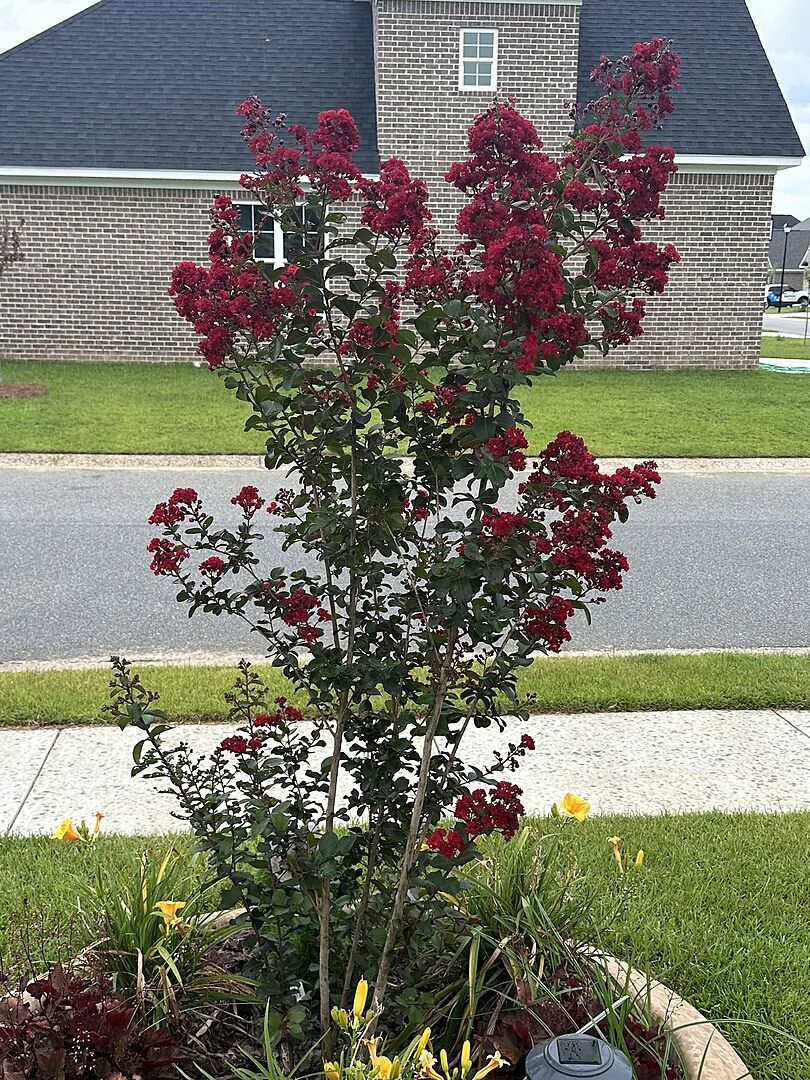
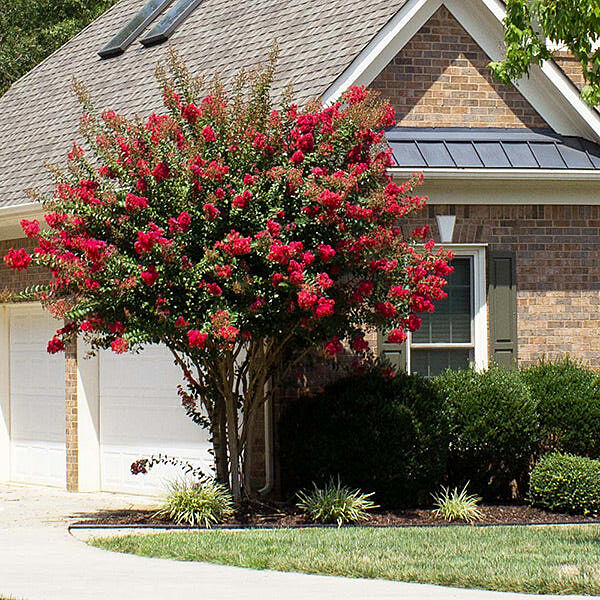
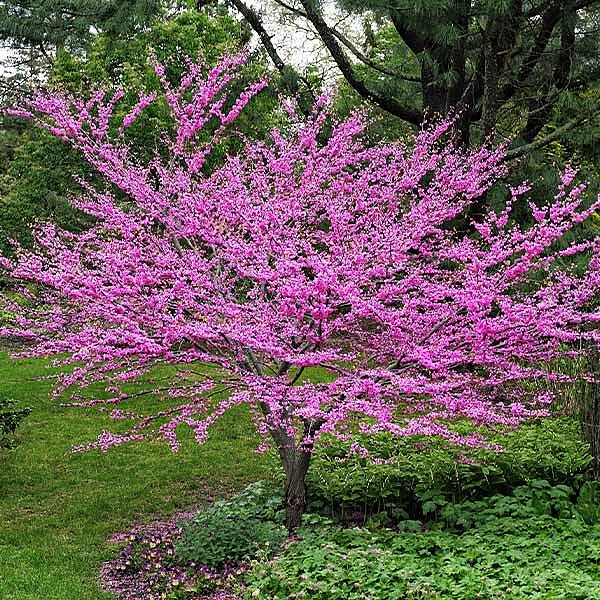
Gorgeous Tar Heel State landscapes have a wide variety of different types of hardy shade trees and flowering trees that grow well in the southeast. These are complemented by evergreens and fruit trees. Trees that adapt to the soil type in your specific region of North Carolina always make the best choices for a landscape that looks good and is easy to care for.